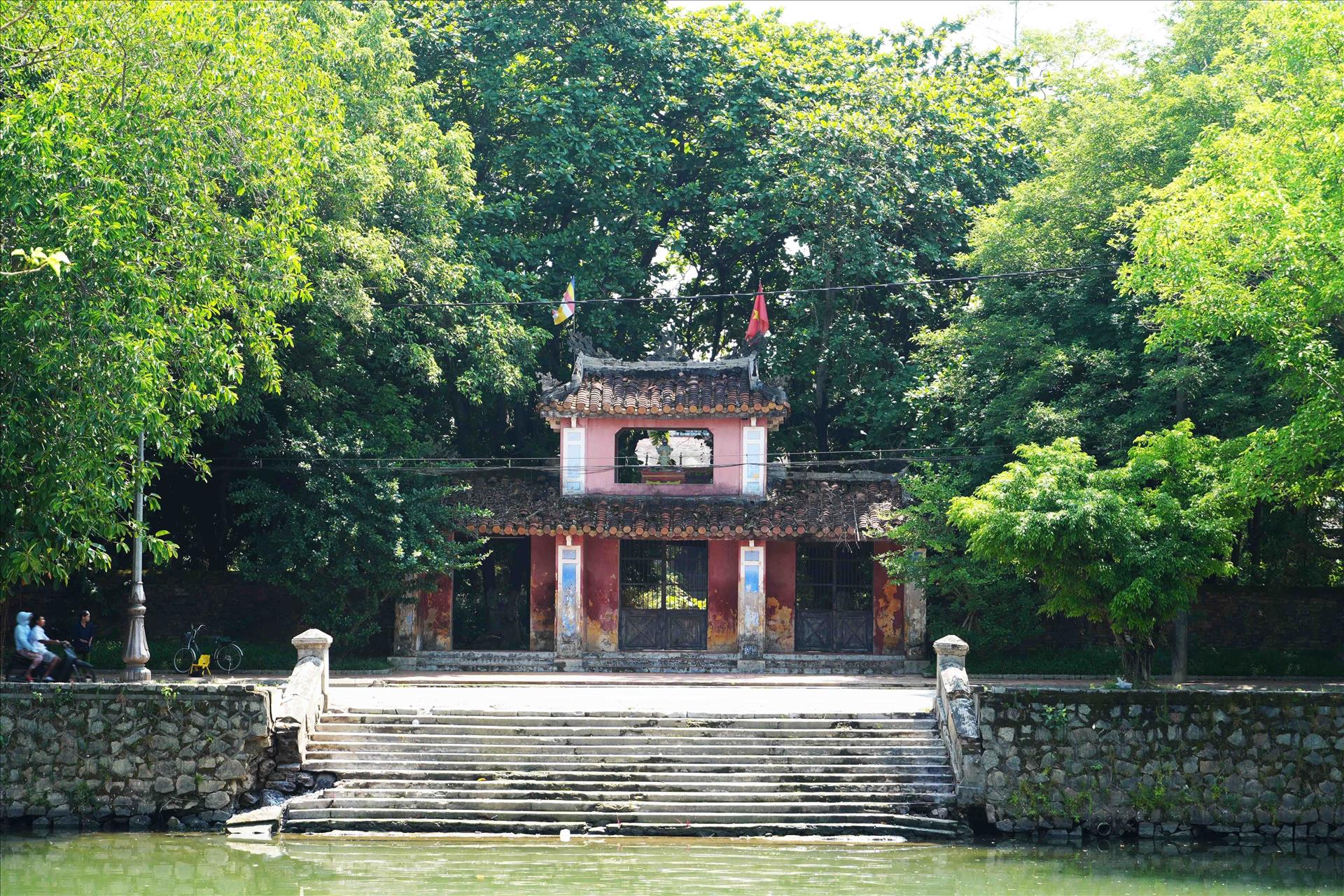
Located on the tranquil banks of the Dong Ba River along Bach Dang Street in Phu Xuan Ward, Hue City, Dieu De Pagoda stands as one of the most historically and spiritually significant Buddhist sites in the former imperial capital. Closely connected to the Nguyen Dynasty, the pagoda reflects both the royal heritage and the enduring Buddhist traditions of Hue.
Before becoming a pagoda, the site was originally the residence of Phuc Quoc Cong, the maternal grandfather of King Thieu Tri. It was here that Prince Nguyen Phuc Mien Tong, later King Thieu Tri, was born in 1807. After ascending the throne in 1841, King Thieu Tri ordered the construction of a pagoda on the grounds of his birthplace as a way to honor his family roots and express devotion to Buddhism.
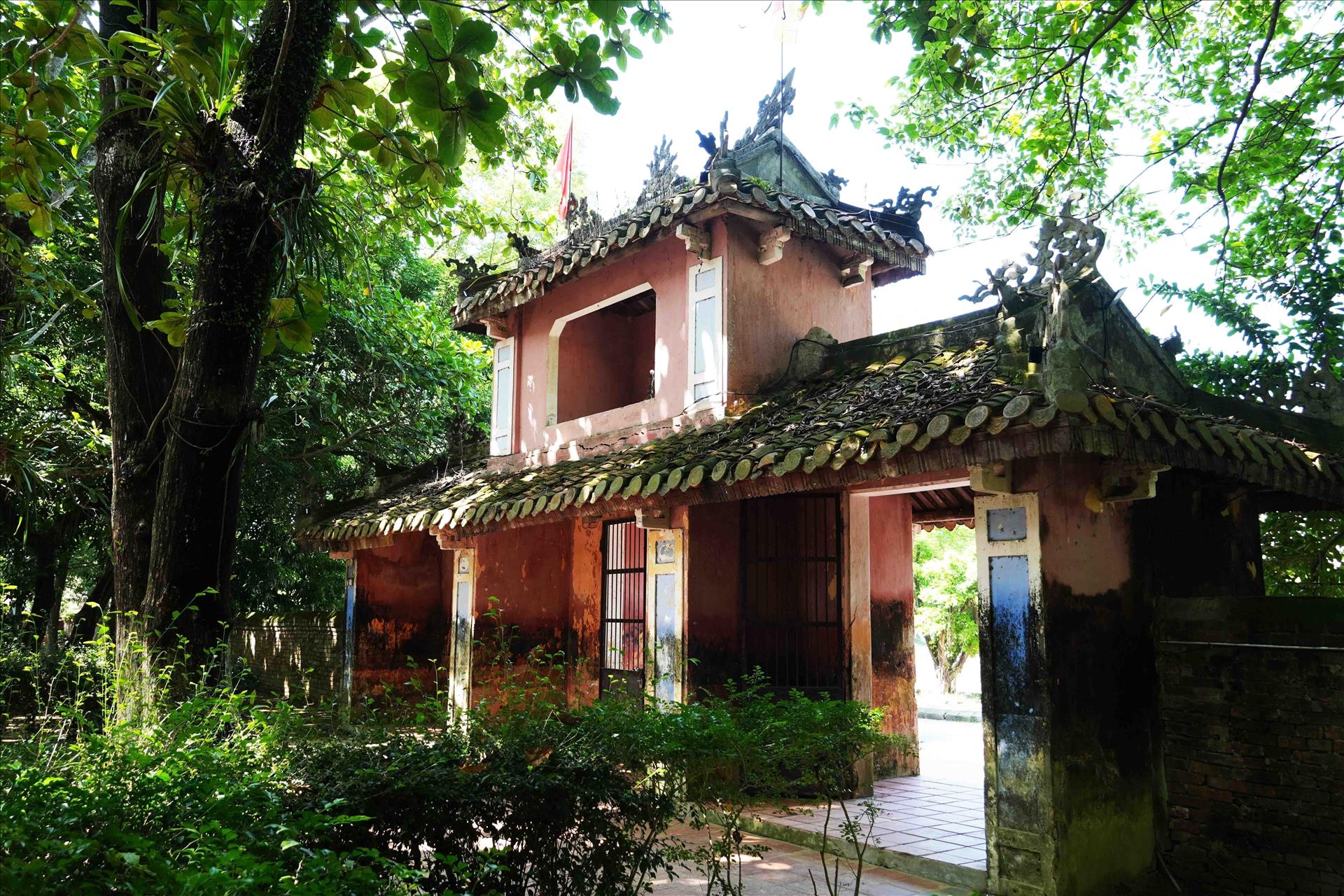
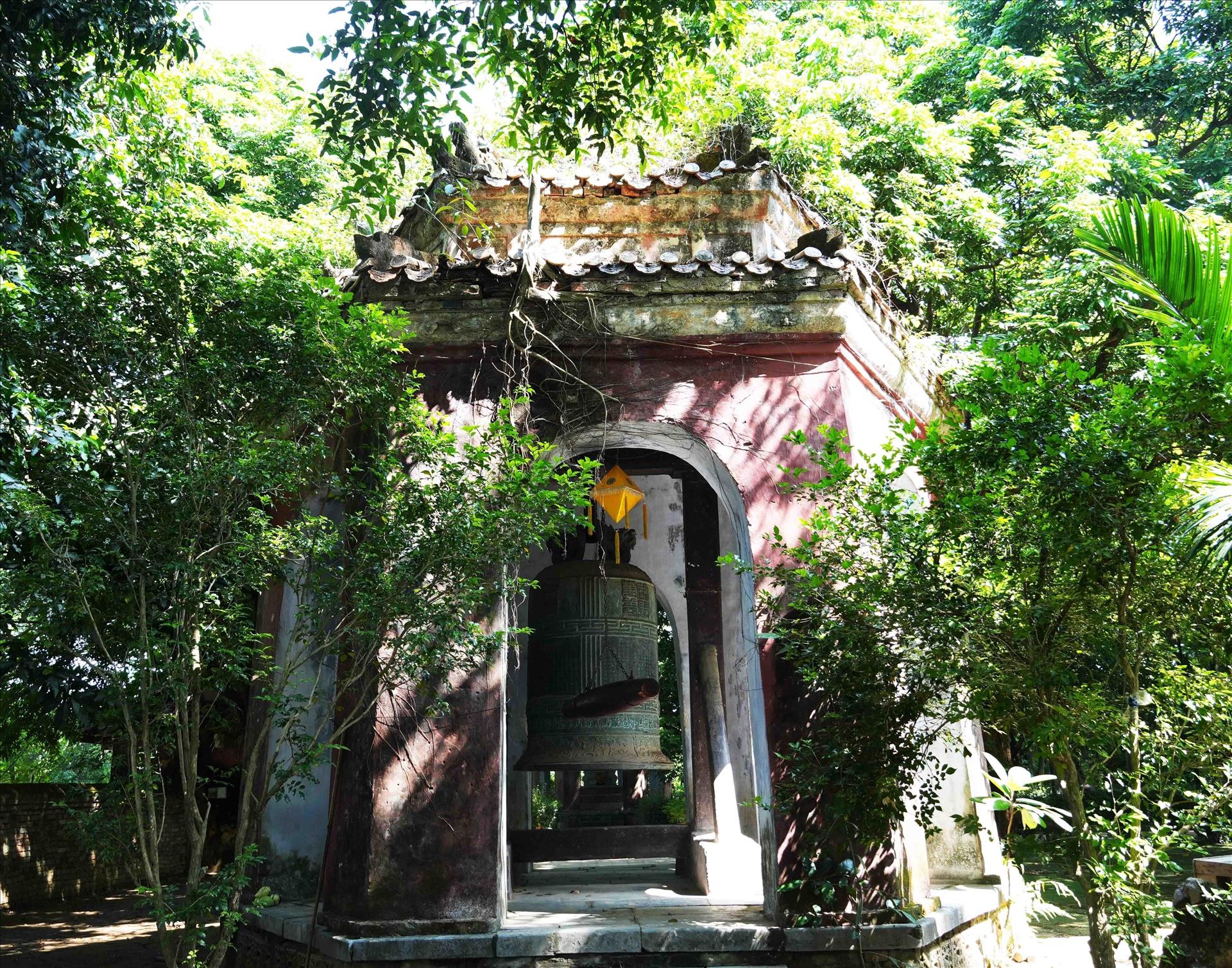
In 1844, the king further renovated the temple and granted it the prestigious status of a National Temple, or “Quoc Tu,” a title reserved for important state-sponsored religious sites under the Nguyen Dynasty. Dieu De Pagoda subsequently became an important spiritual center for both the royal court and local residents.
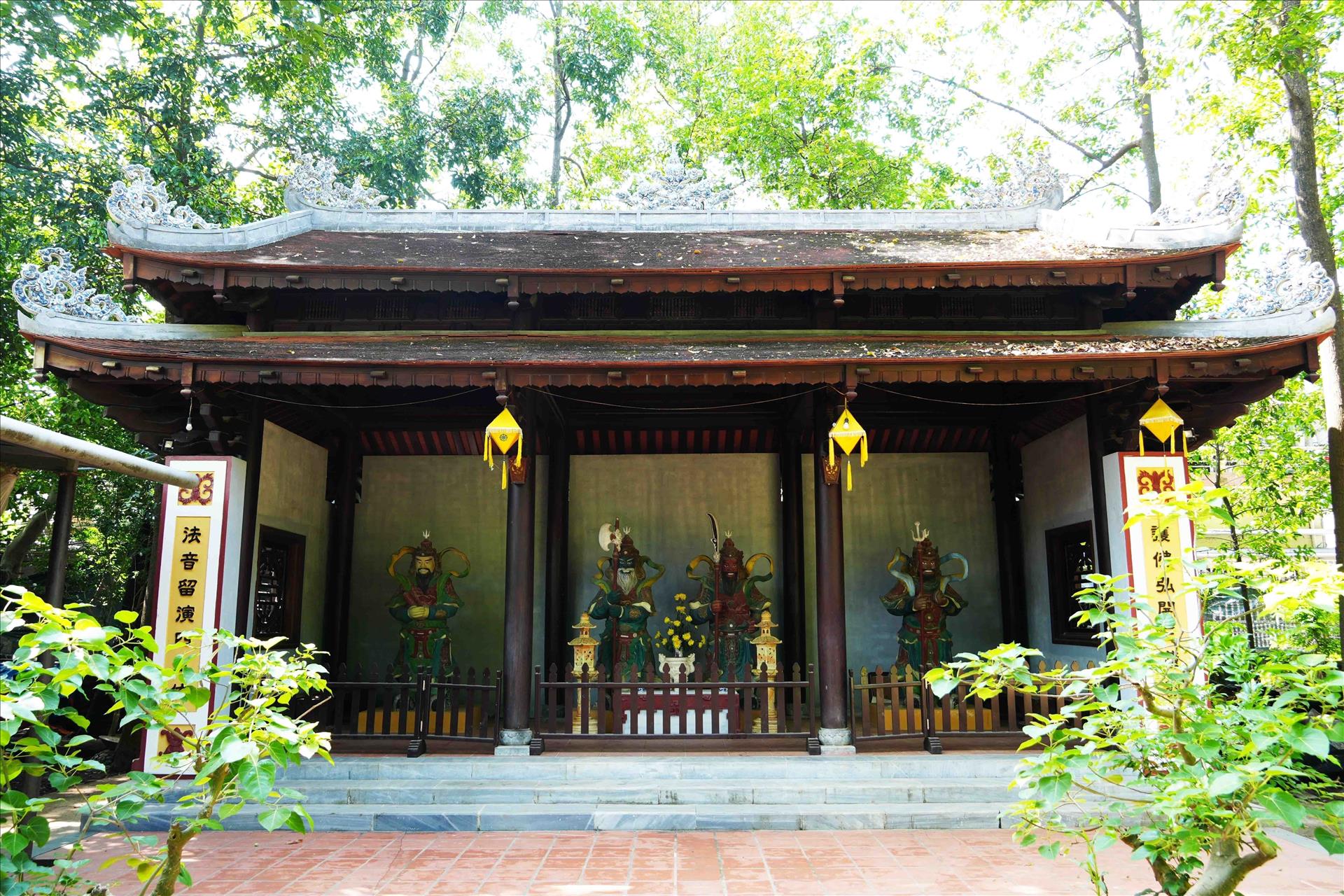
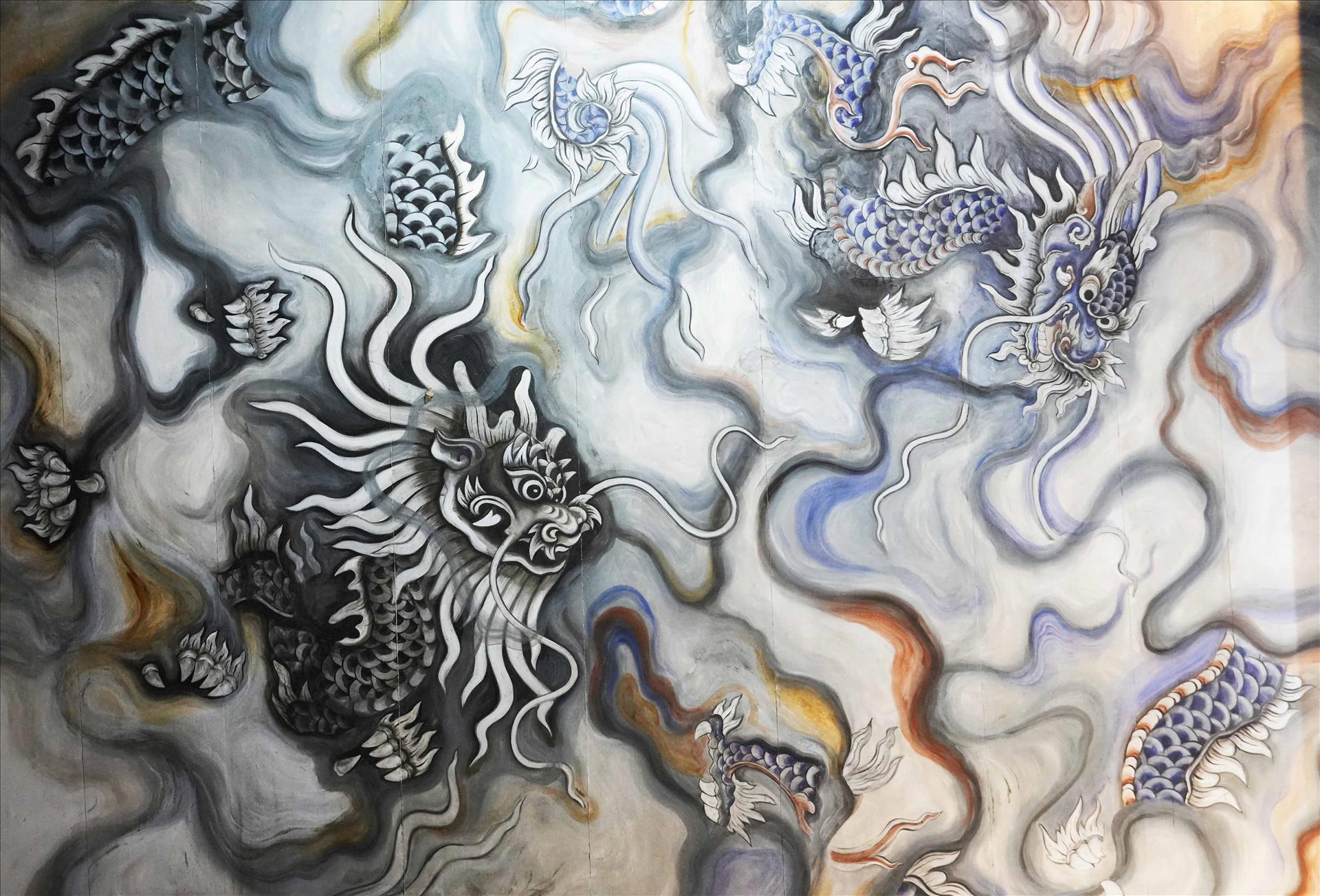
Architecturally, the pagoda embodies the graceful aesthetics typical of Hue’s traditional religious structures. The complex features curved tiled roofs, ornate dragon motifs, spacious courtyards, and serene worship halls shaded by ancient trees. Its location beside the river adds to the calm and contemplative atmosphere, creating a peaceful retreat amid the rhythms of city life.
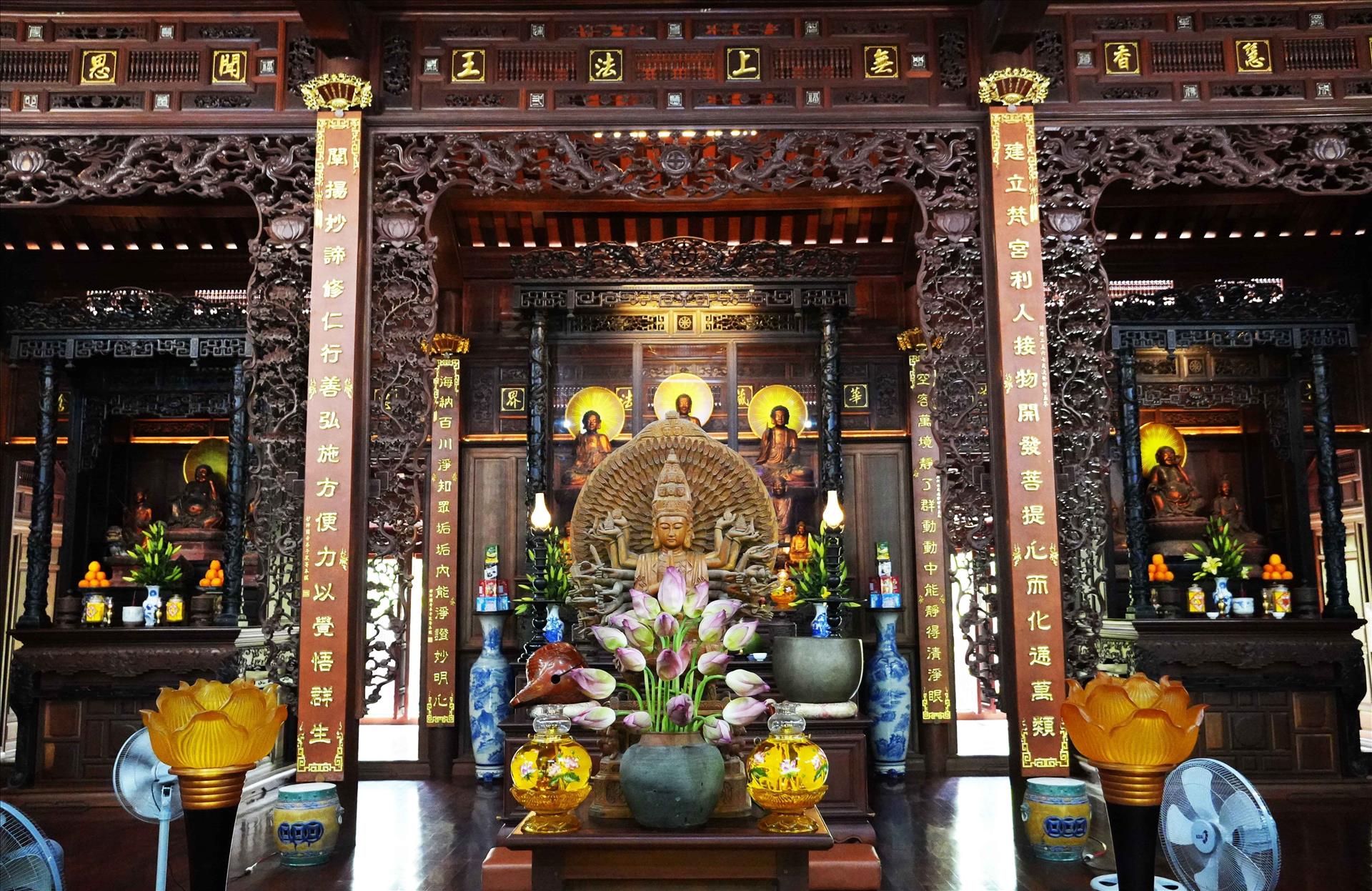
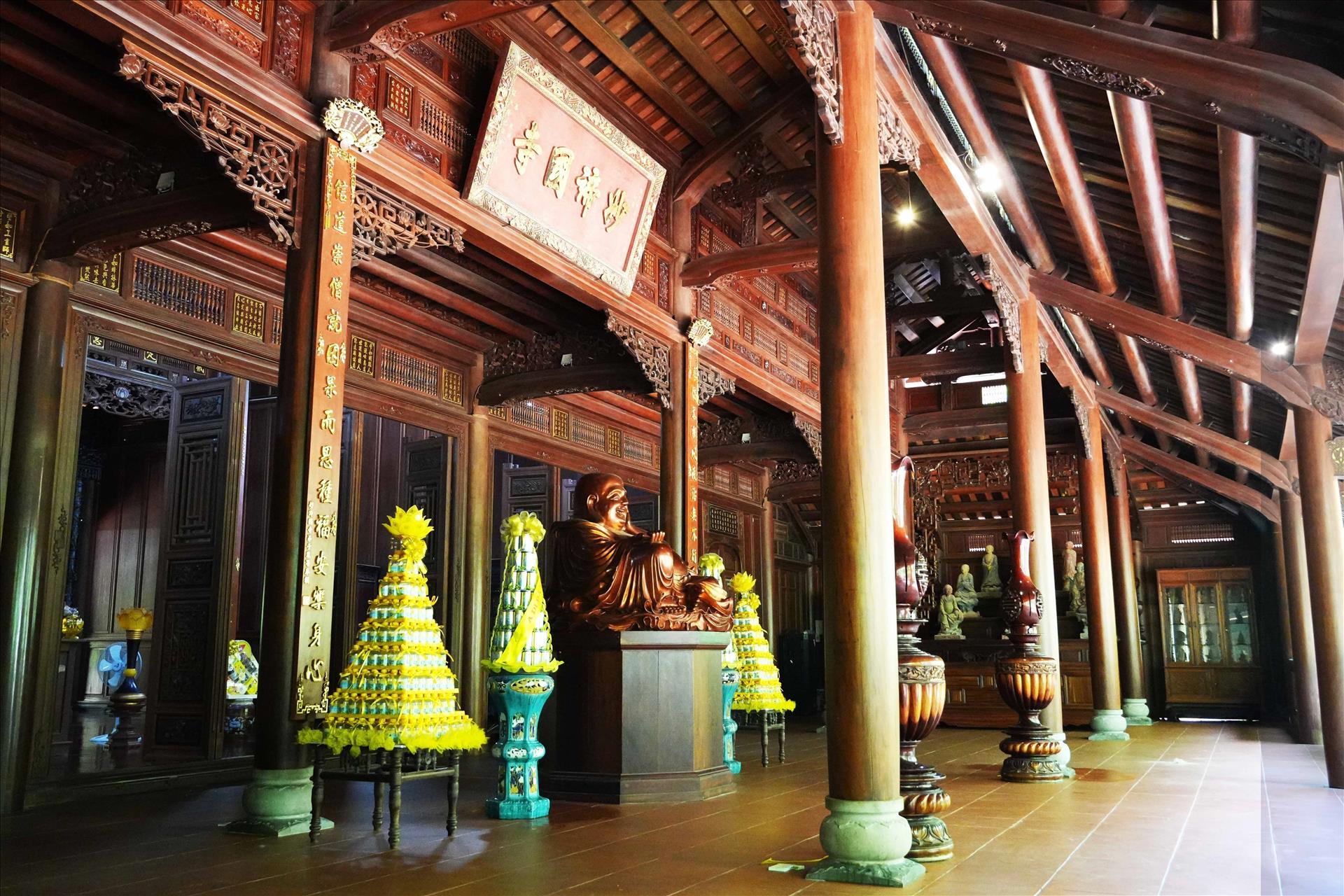
Beyond its architectural beauty, Dieu De Pagoda also occupies an important place in Vietnam’s modern history. During the Buddhist movement of the 1960s, the pagoda served as a gathering place for monks, followers, and activists advocating for religious equality and social justice. These events transformed the temple into a symbol of resilience and spiritual solidarity.

Today, Dieu De Pagoda remains an active center of Buddhist practice and a popular destination for visitors exploring Hue’s cultural heritage. Together with Thien Mu Pagoda and Thanh Duyen Pagoda, it is one of the three surviving National Temples of the Nguyen Dynasty in Hue, enduring landmarks that continue to preserve the spiritual soul and historical memory of the ancient capital.