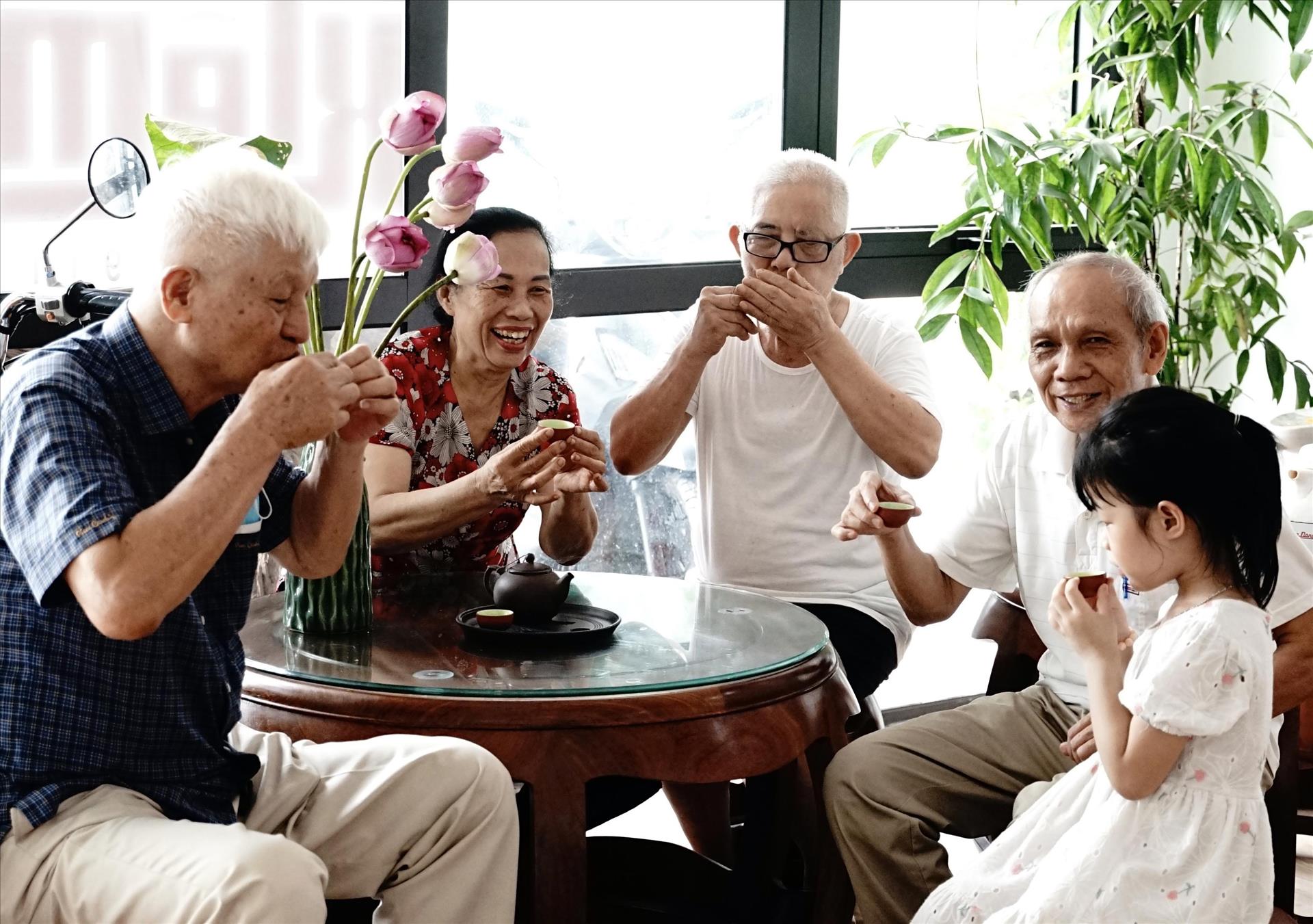
Renowned as the “finest tea through the ages,” Quang An lotus-scented tea from Tay Ho Ward in Hanoi is considered one of the capital’s most treasured culinary traditions. Combining the naturally rich flavor of premium green tea with the gentle fragrance of West Lake’s famous Bach Diep, or hundred-petal lotus, this delicacy reflects the elegance, refinement, and cultural identity of Hanoi.
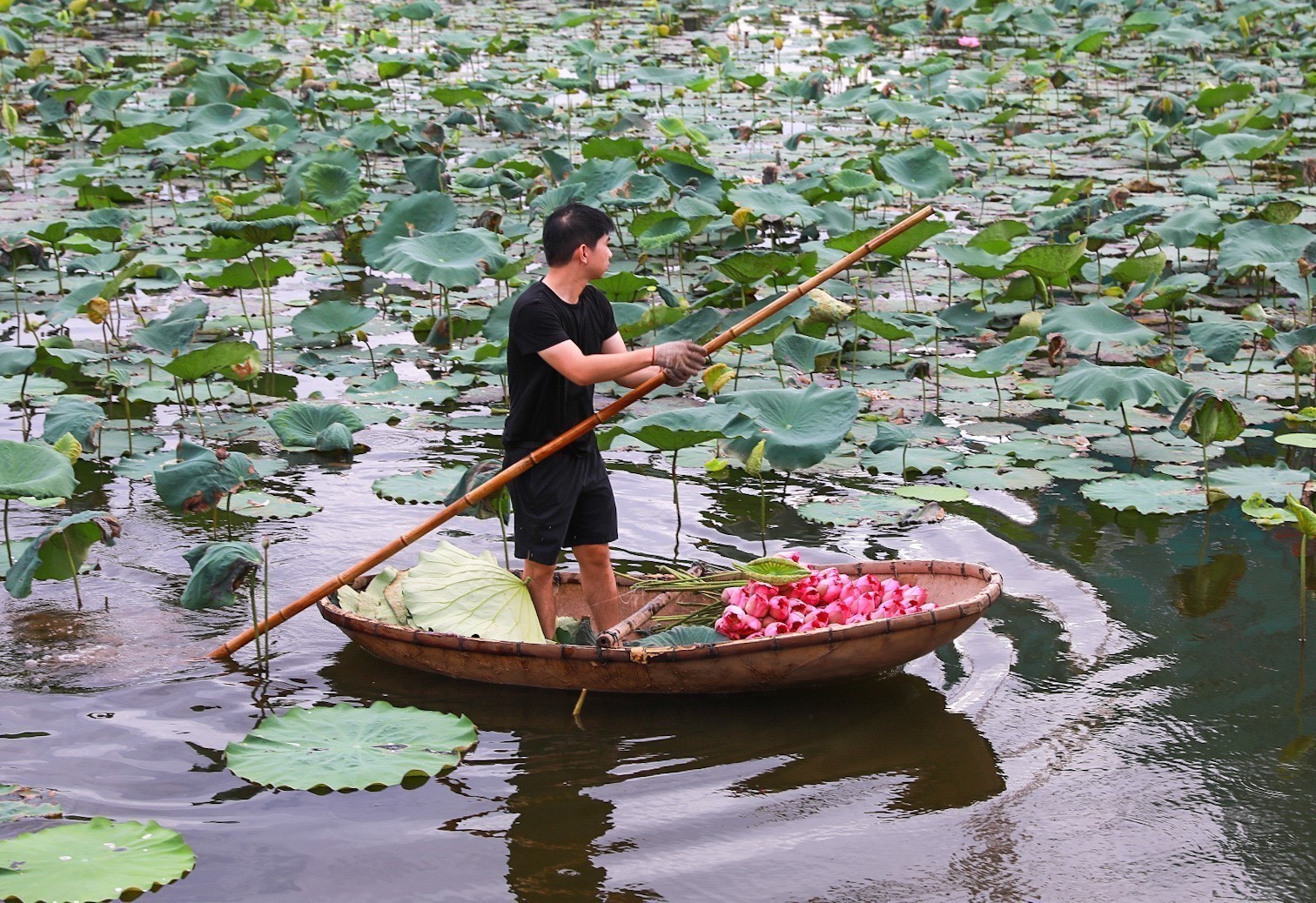
For generations, the craft of lotus tea scenting has been carefully preserved by skilled artisans in the Quang An area near West Lake. Every summer, when lotus flowers bloom across the lake, tea makers begin the labor-intensive process that transforms simple tea leaves into one of Vietnam’s most sophisticated traditional products.
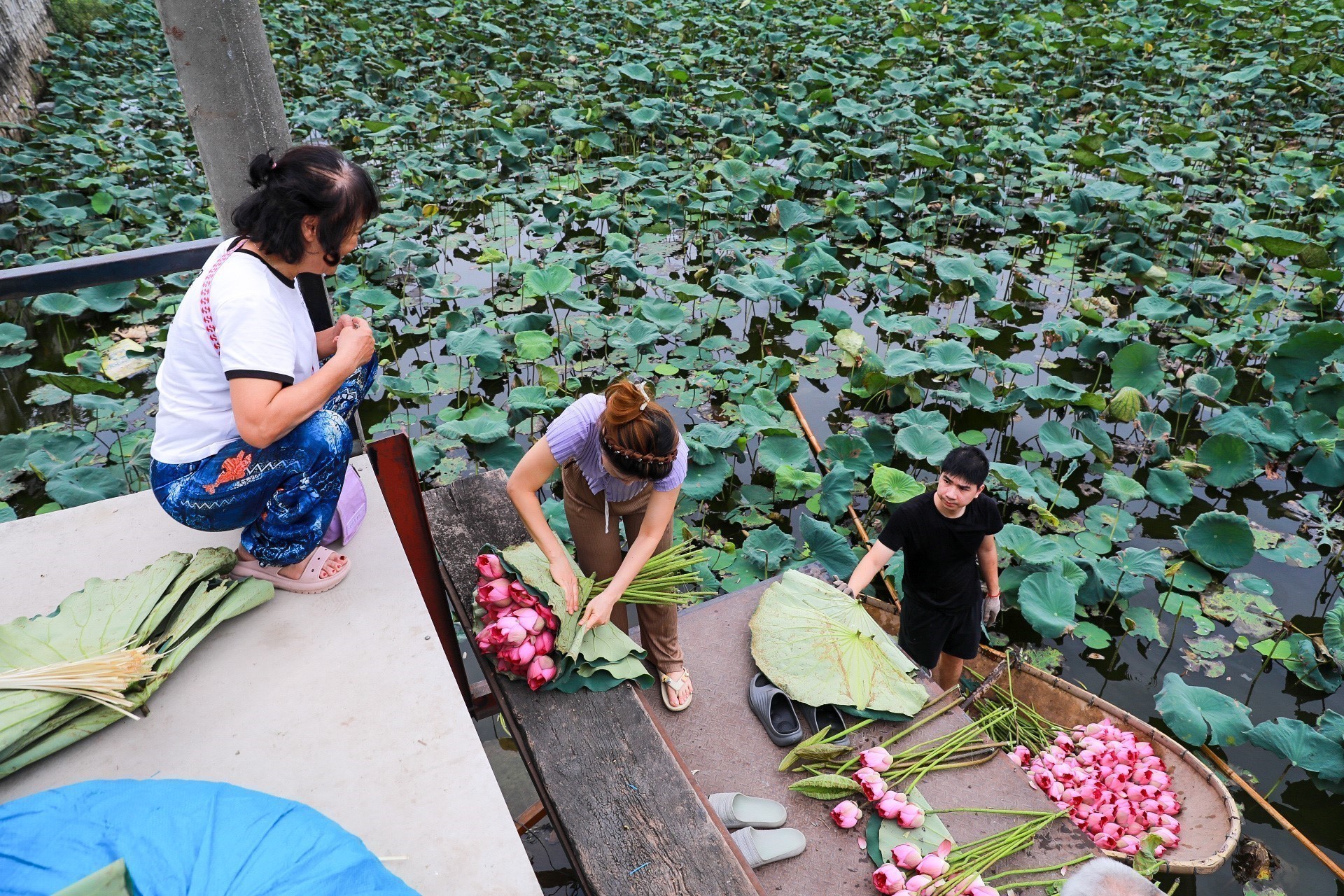
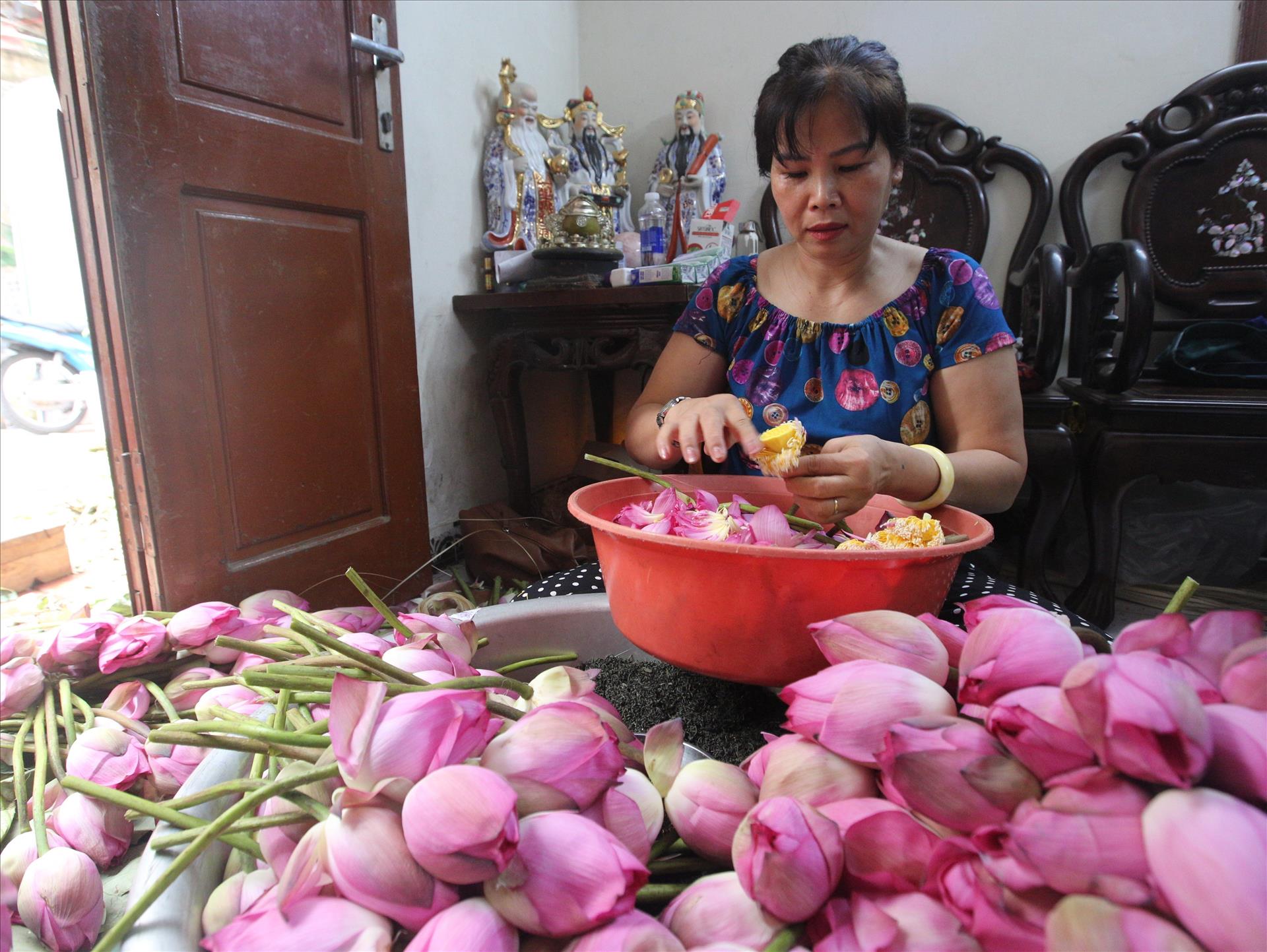
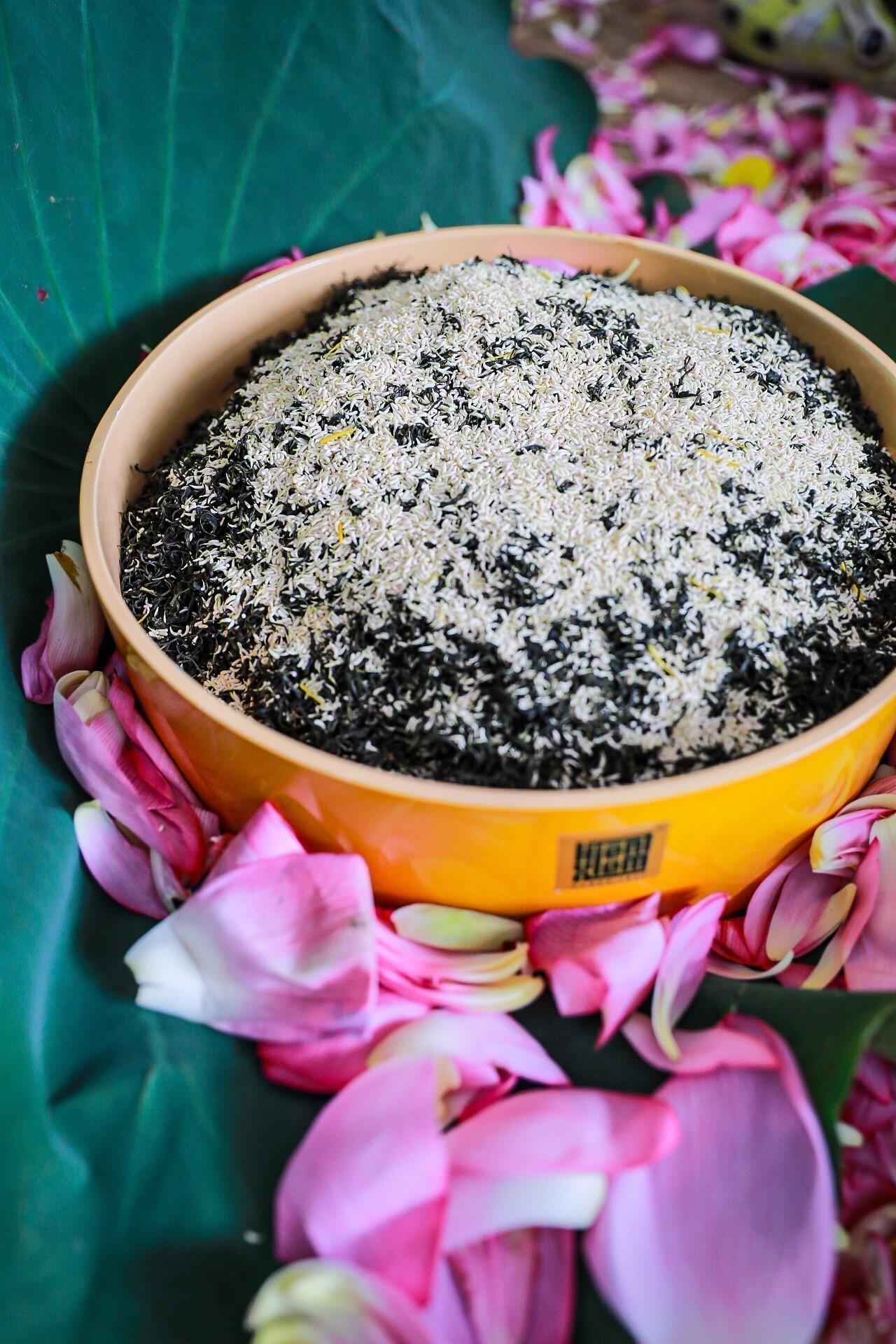
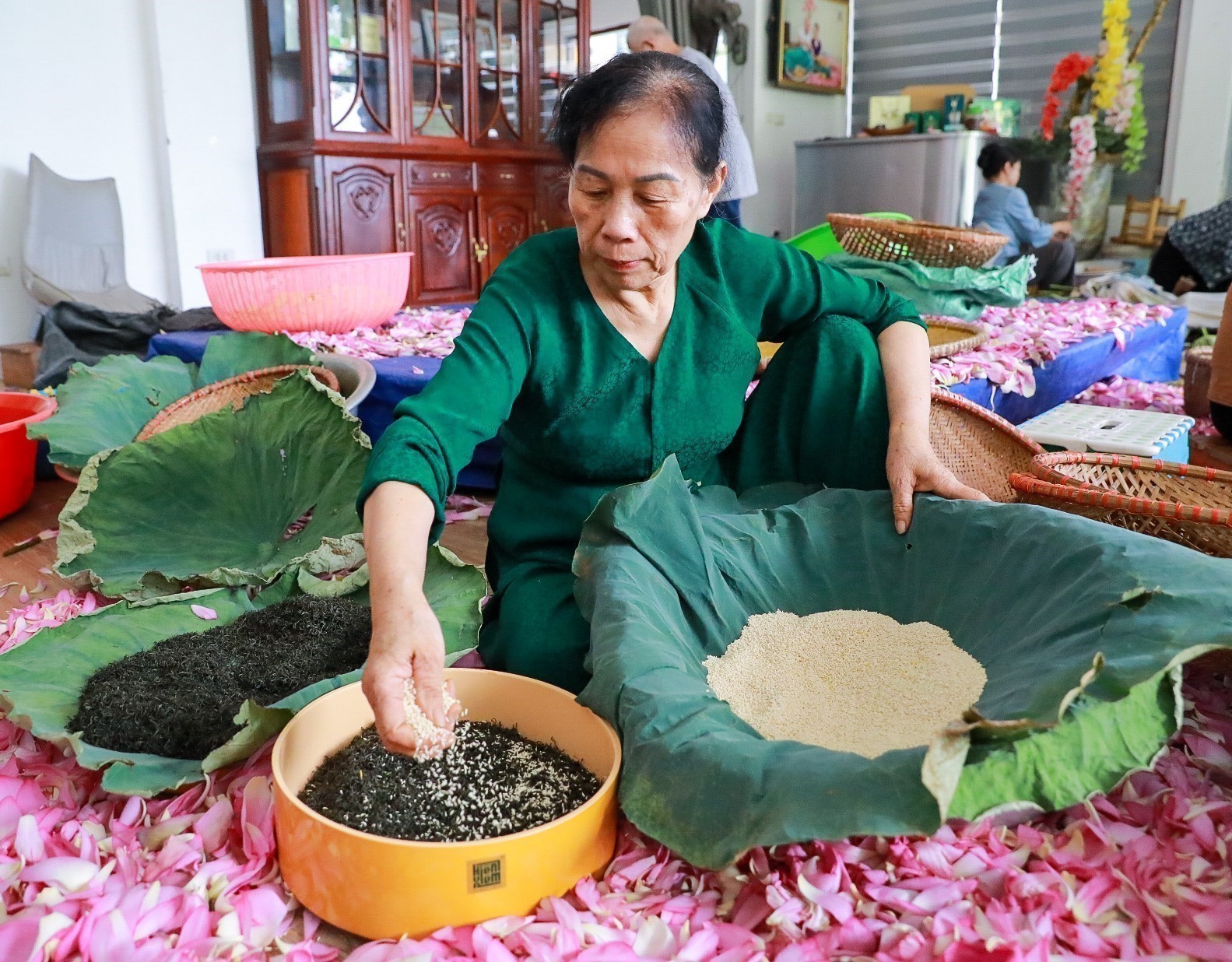
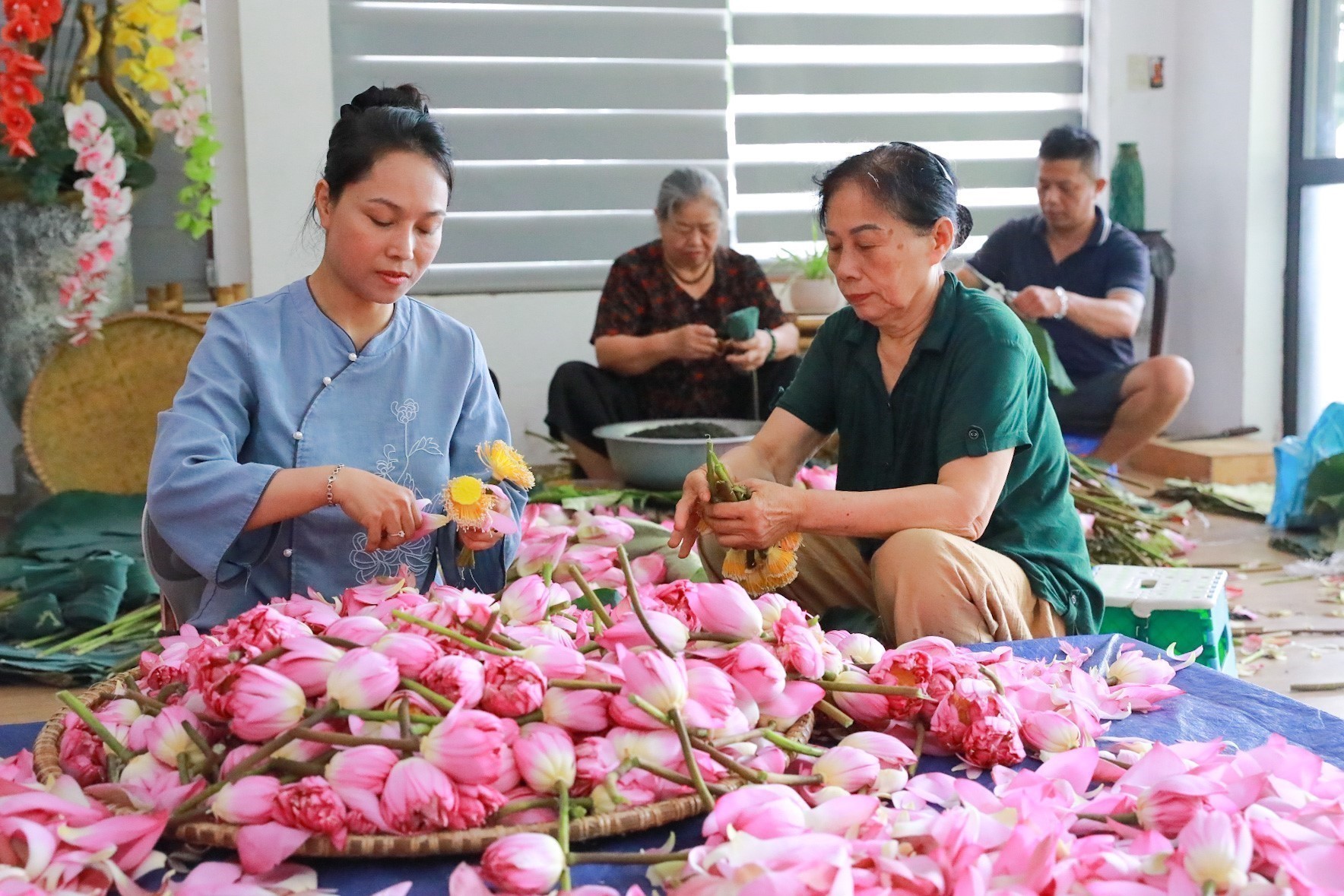
The craft requires both patience and precision. Only the finest green tea is selected, while lotus flowers must be harvested early in the morning before sunrise, when their fragrance is at its purest. Artisans carefully separate the tiny lotus stamens, known as “rice,” from each blossom by hand. The fragrant stamens are then layered repeatedly with tea leaves in a meticulous scenting process that can last several days.
After each round of scenting, the tea is gently dried to preserve the delicate aroma without damaging the flavor. To produce one kilogram of premium lotus tea, thousands of lotus flowers may be required. The process demands not only technical skill but also deep experience and dedication developed over many years.
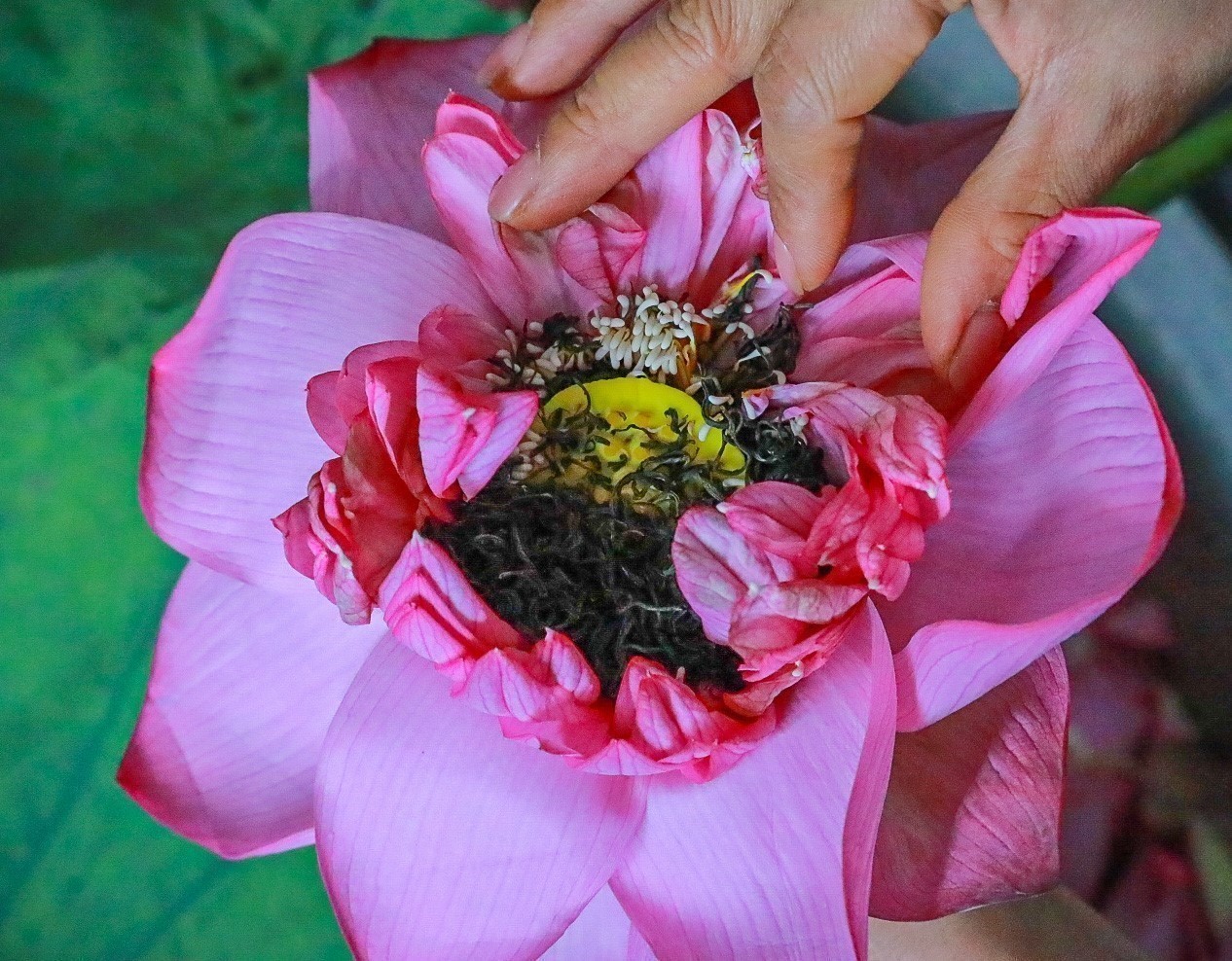
More than simply a beverage, lotus-scented tea represents a refined cultural ritual in Hanoi. Traditionally enjoyed during important gatherings or offered as a precious gift, the tea embodies harmony between nature and craftsmanship. Its subtle fragrance and smooth taste evoke memories of West Lake’s tranquil beauty and the quiet elegance of old Hanoi.
Today, despite modernization and changing lifestyles, Quang An artisans continue to preserve the centuries-old tradition. Their commitment helps maintain a unique cultural heritage that has become an enduring symbol of Hanoi’s culinary sophistication.
With its delicate aroma and painstaking craftsmanship, Quang An lotus tea remains not only a specialty of Hanoi but also a timeless expression of Vietnamese culture and artistry.