Construction of the second runway at Long Thanh International Airport in the southern province of Dong Nai is progressing on schedule and is expected to be completed by the end of September, marking another key milestone in Vietnam's largest aviation infrastructure project.
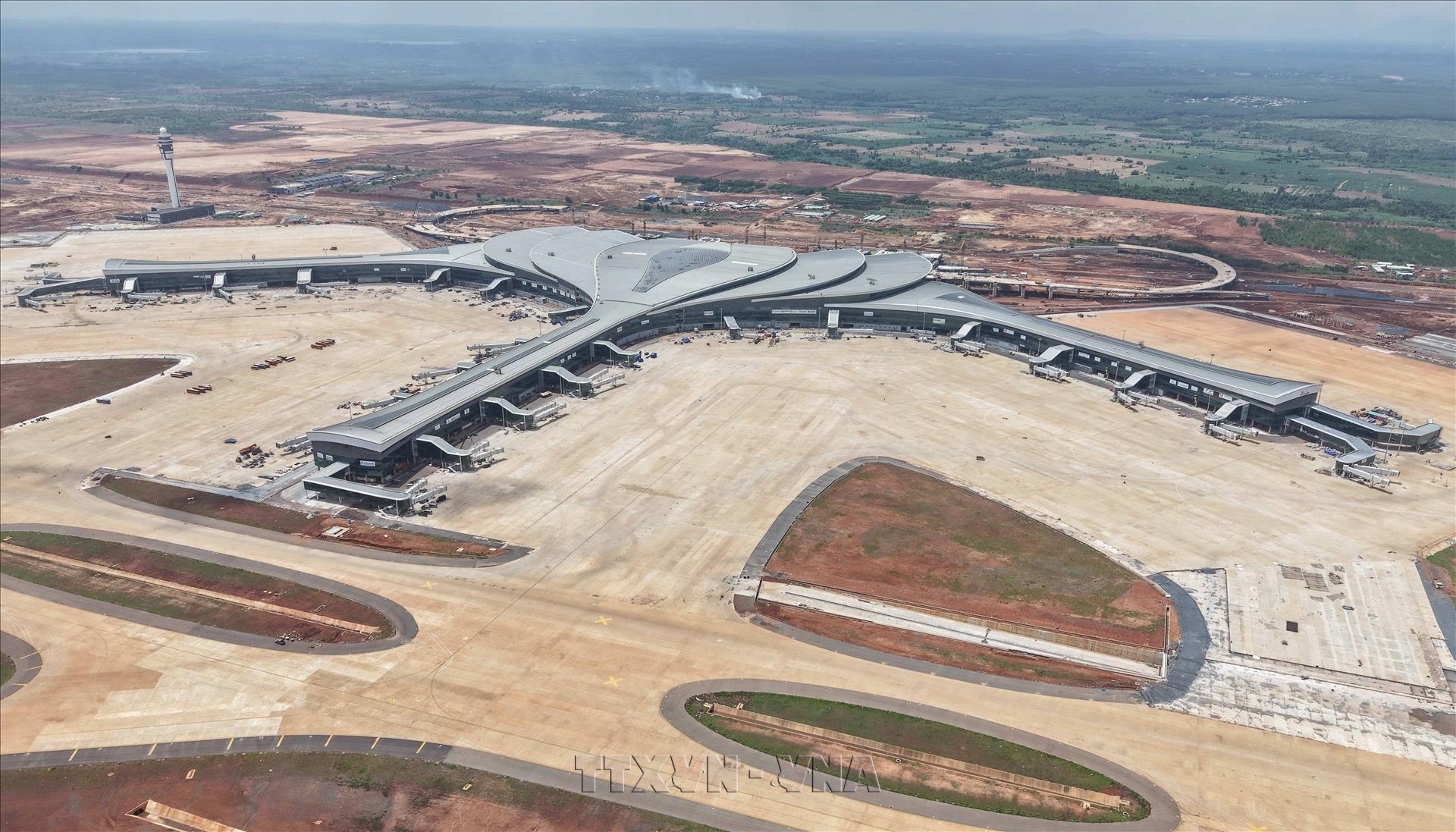
According to the Airports Corporation of Vietnam (ACV), the runway has reached a significant stage after 14 months of construction. The cement concrete pavement for both the runway and taxiways has been substantially completed, paving the way for the installation of technical systems and final finishing works.
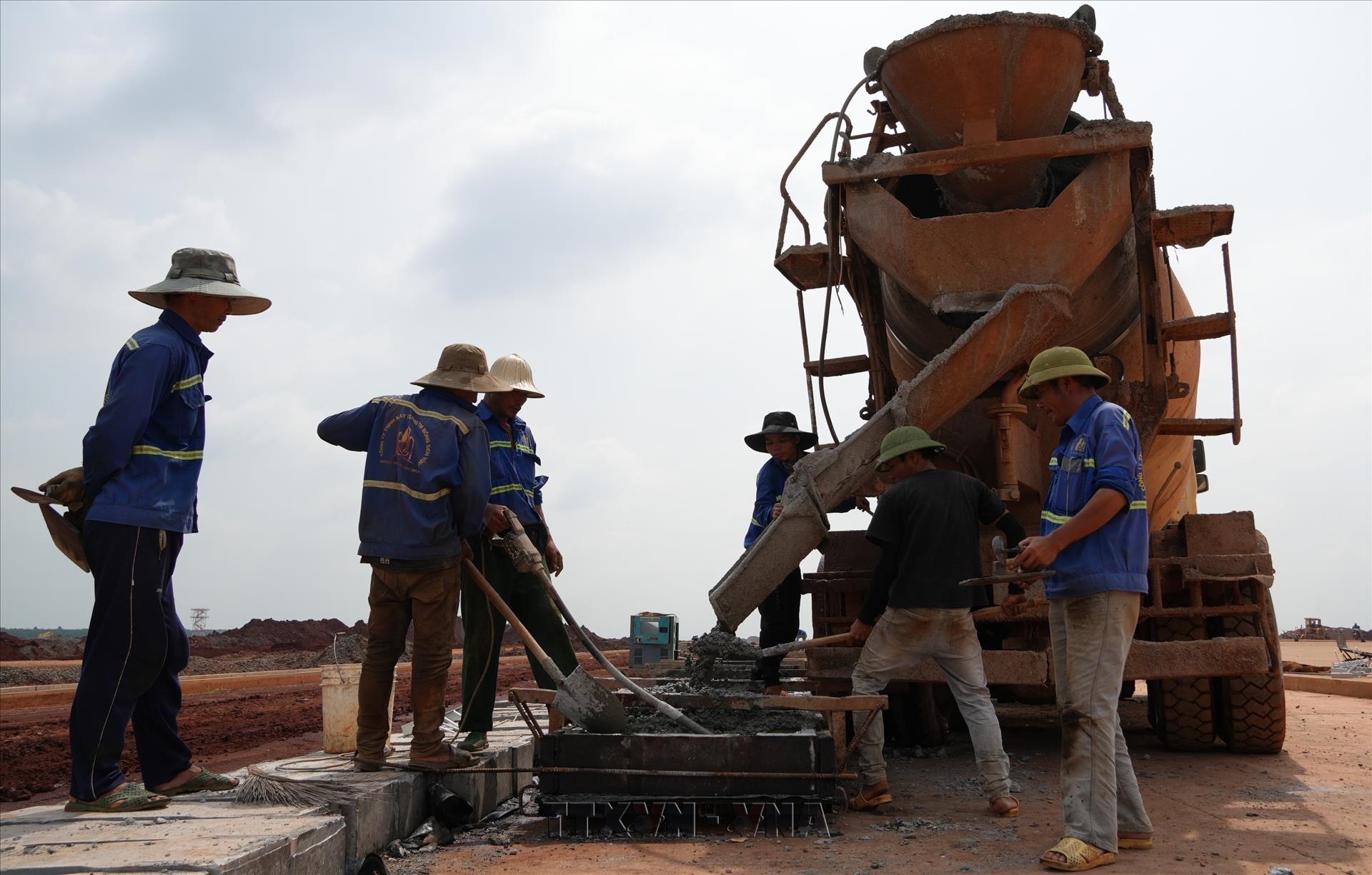
Contractors are currently deploying hundreds of engineers, workers, and construction vehicles at the site to accelerate the remaining tasks while ensuring quality and safety standards. Work is focused on completing auxiliary infrastructure, final surface treatments, and preparations for installing specialised aviation equipment.
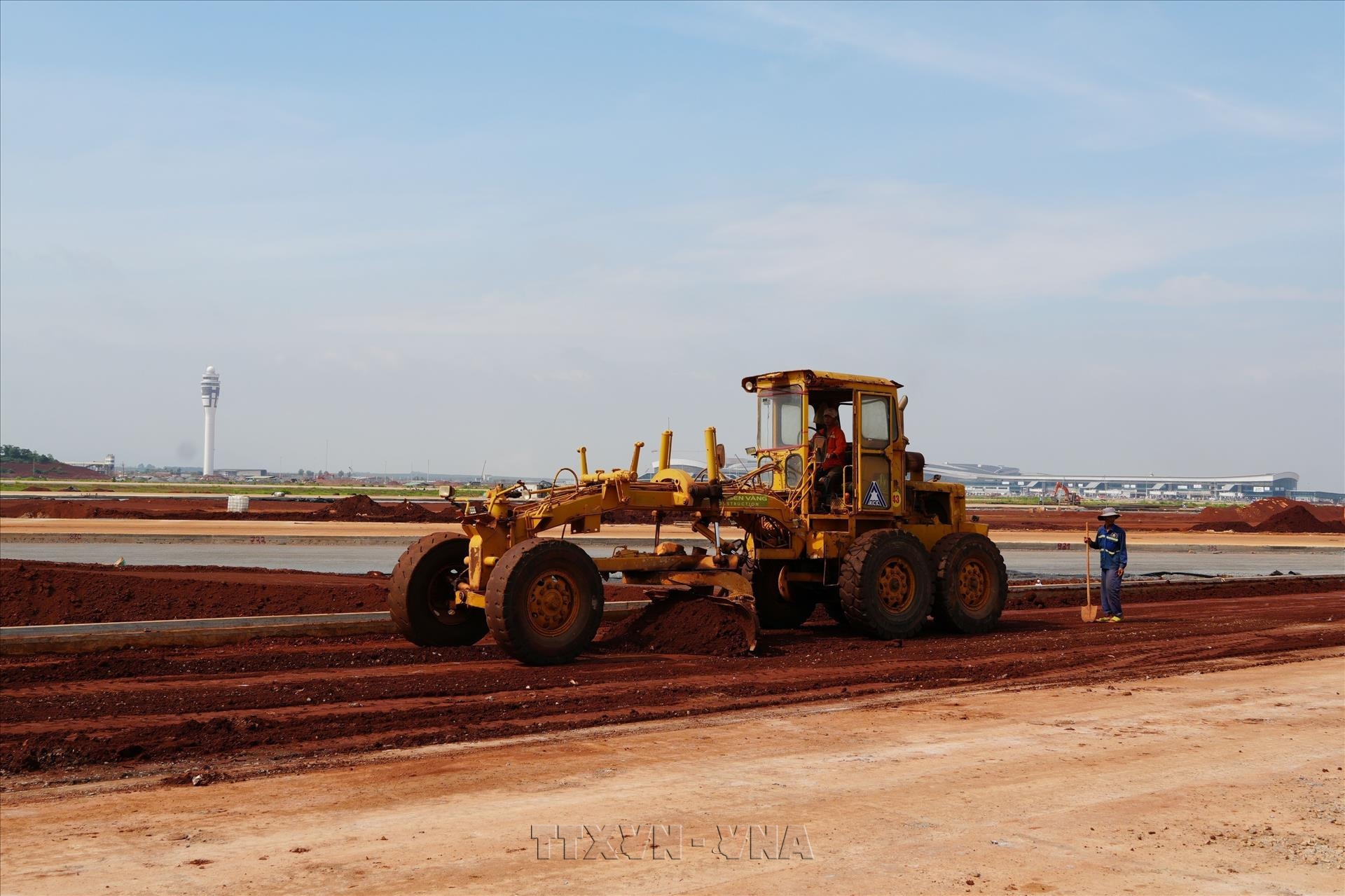
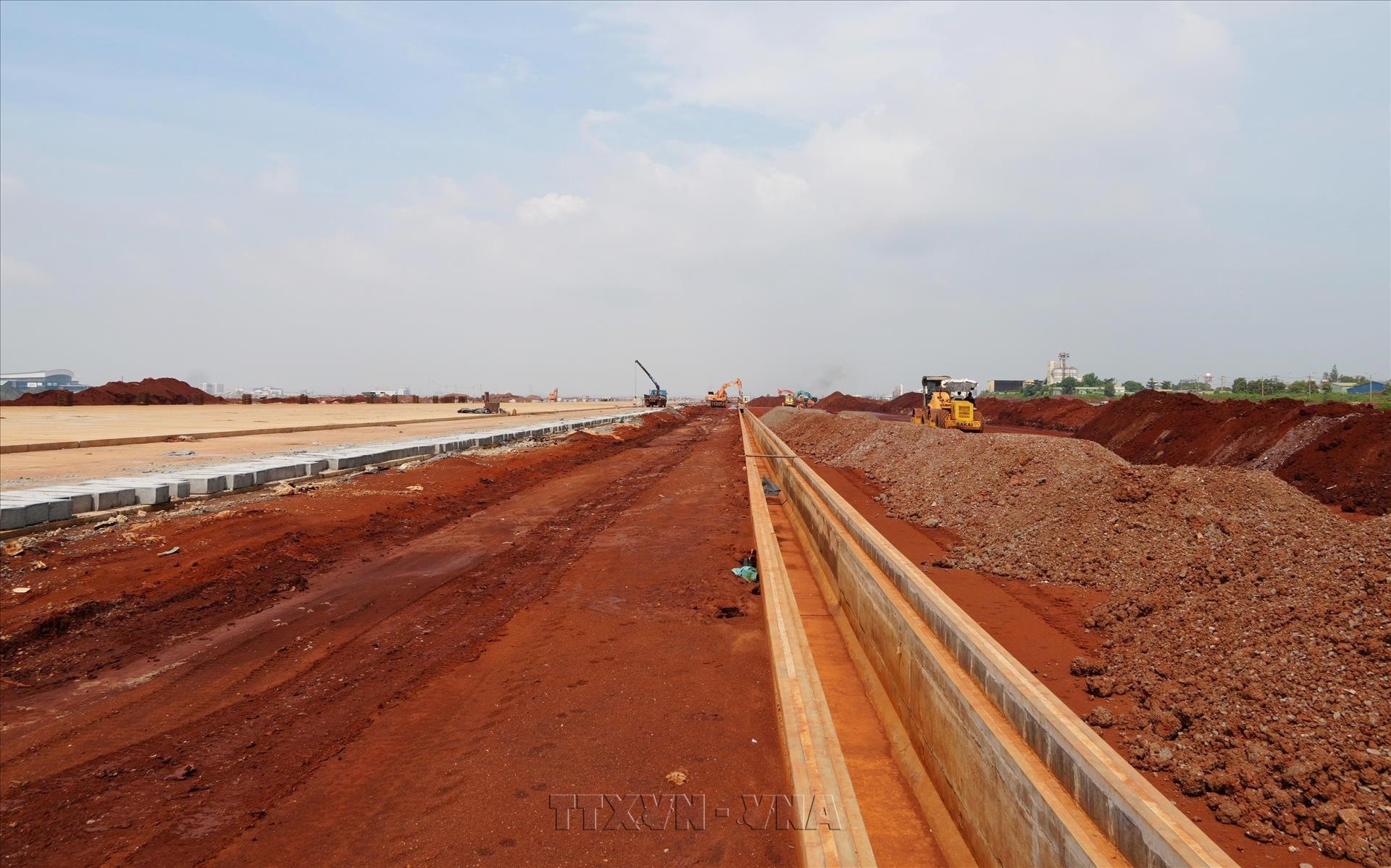
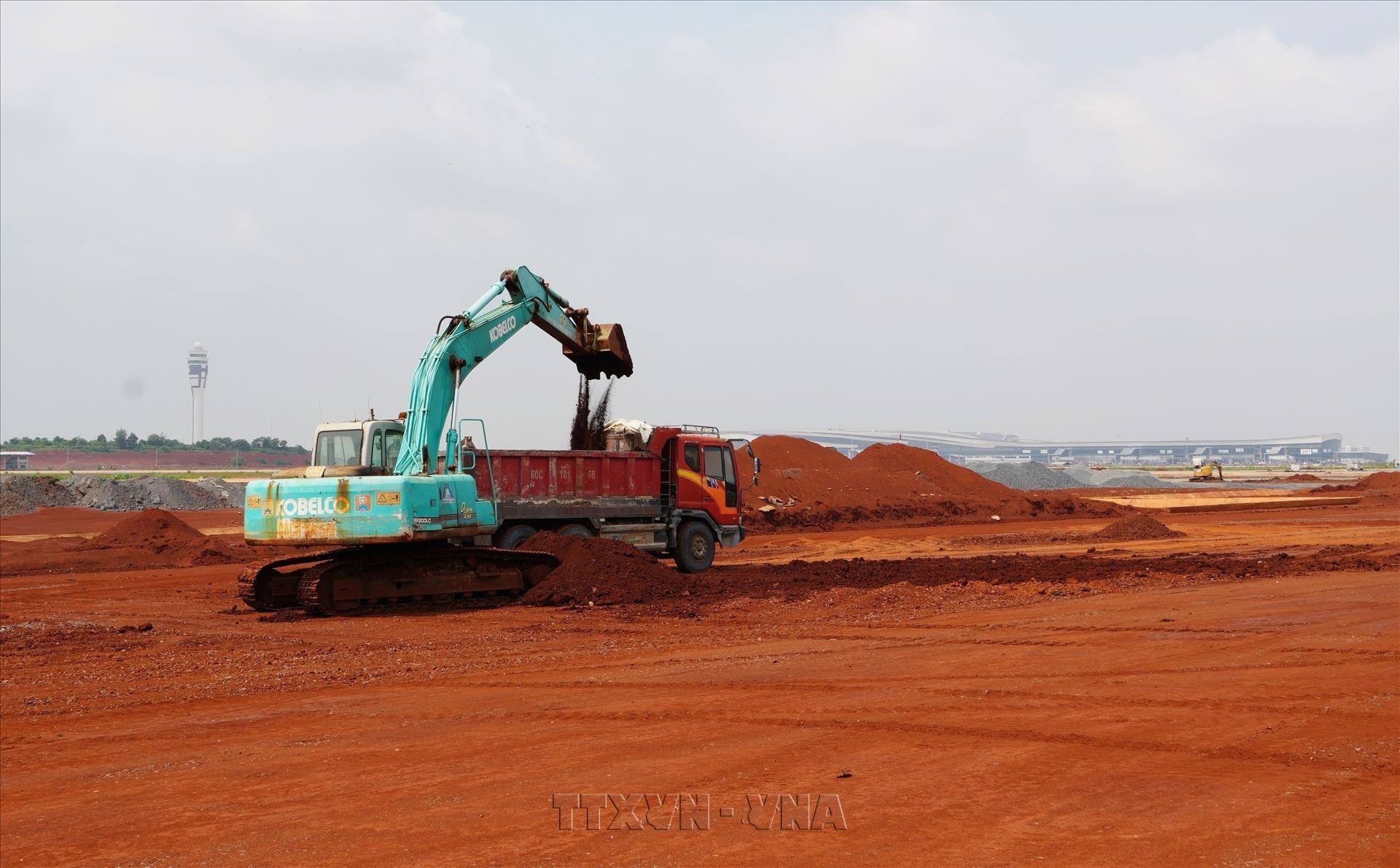
Beginning in August, construction teams will install the runway lighting system, navigation aids, and other aviation facilities essential for flight operations. These systems are designed to meet international aviation standards and will undergo testing and commissioning before the runway is put into service.
The second runway is an important component of the first phase of the Long Thanh International Airport project, one of Vietnam's most ambitious transport infrastructure developments. Once operational, it will enhance the airport's operational flexibility, improve safety, and increase capacity to accommodate growing passenger and cargo demand.
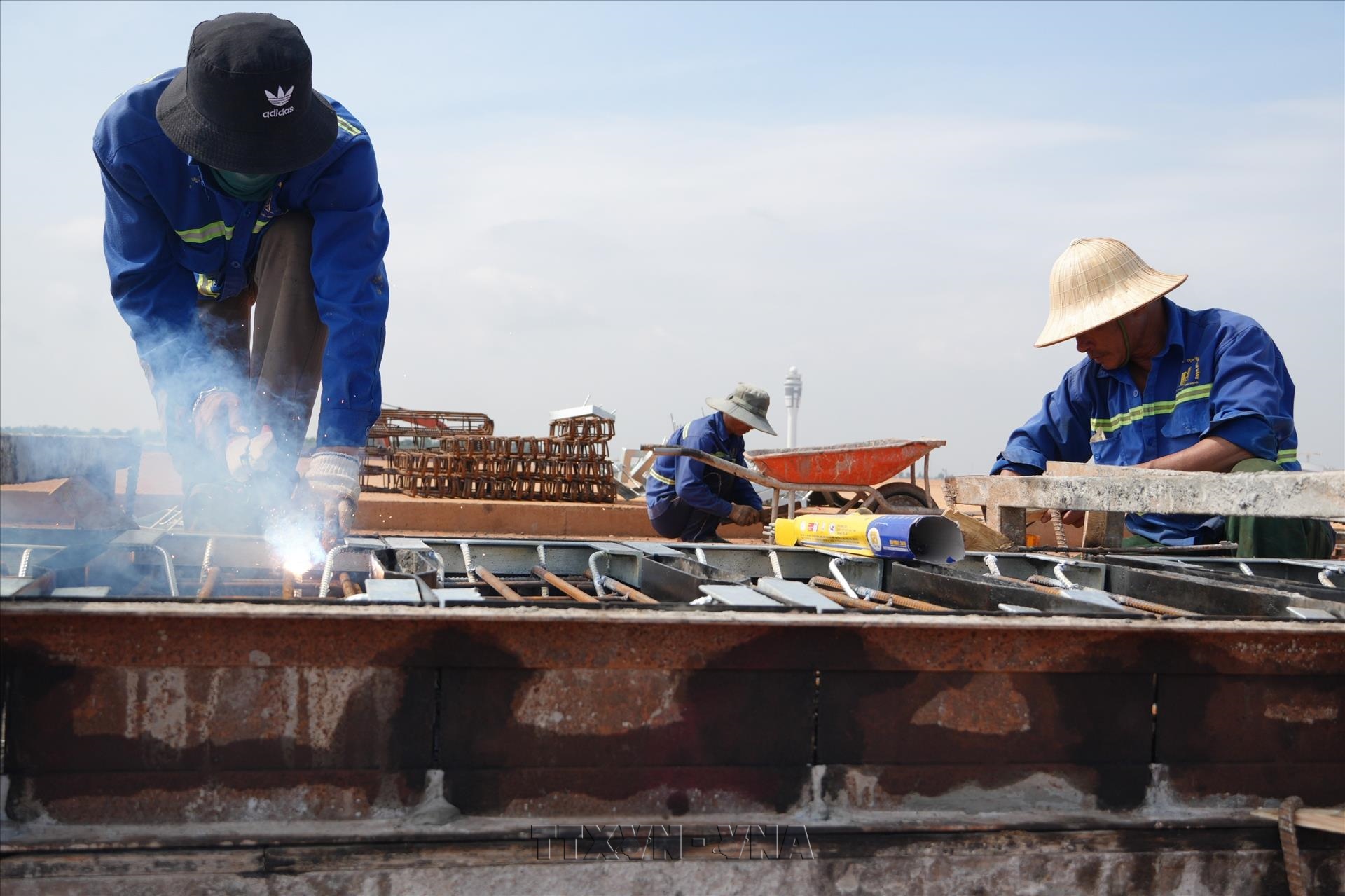
Long Thanh International Airport is expected to become Vietnam's largest aviation hub and a major gateway for international travel and trade. In its first phase, the airport is designed to handle 25 million passengers and 1.2 million tonnes of cargo annually. Future expansion phases will raise total capacity to 100 million passengers and 5 million tonnes of cargo per year.
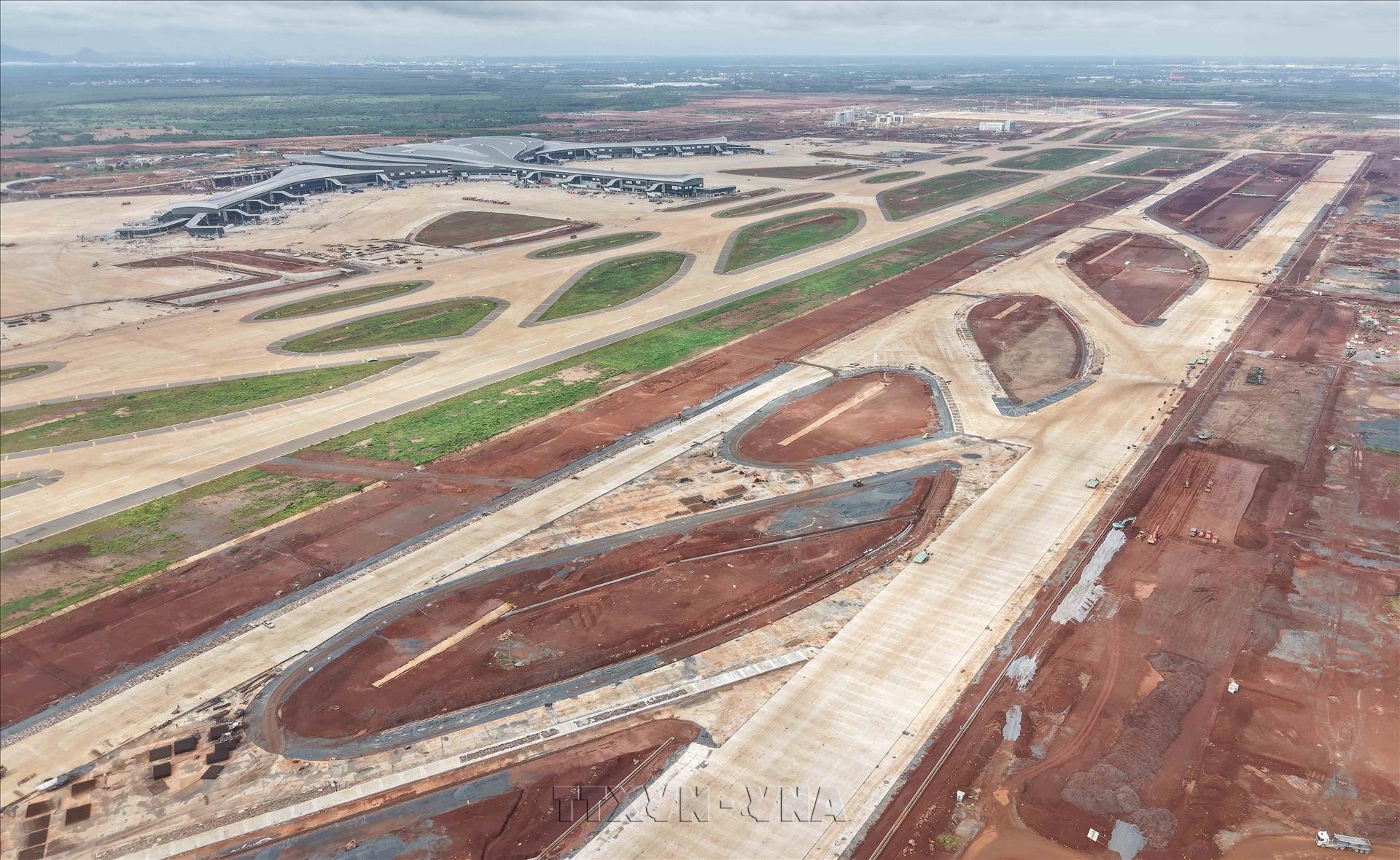
The timely completion of the second runway reflects the steady progress of the overall project, bringing Vietnam closer to its goal of establishing a modern regional aviation hub capable of supporting economic growth, expanding global connectivity, and strengthening the country's transport infrastructure.