Participants heard insights from successful FTZ models in Shanghai, Incheon, Dubai and Singapore, with experts emphasising that strong institutional reforms, modern infrastructure, efficient governance and seamless connectivity among ports, airports, industrial parks, urban centres and innovation hubs are critical to long-term success.
The conference also highlighted the role of digital technologies in building next-generation FTZs. Proposed solutions included the adoption of artificial intelligence (AI), the Internet of Things (IoT), big data, cloud computing and digital customs systems to improve operational efficiency, streamline logistics, accelerate customs procedures and enhance transparency for investors.
Experts noted that Da Nang is well positioned to develop a competitive FTZ thanks to its strategic location on the East–West Economic Corridor, its international seaport and airport infrastructure, and its ambition to become a regional centre for logistics, technology and innovation. They recommended developing the zone as an integrated ecosystem combining seaport services, industry, urban development and high-value services while strengthening links with regional and global supply chains.
Architect Nguyen Thu Phong, Vice Chairman of the Vietnam Association of Architects, said the Da Nang FTZ and Lien Chieu Port would play a pivotal role in transforming Da Nang into a global city. He described the initiative as a catalyst for green growth, high-tech industries and the knowledge economy, while helping create a more balanced economic structure between manufacturing and services.
Following the recent administrative merger, Da Nang has gained greater development space for infrastructure, urban expansion, industry and services. This, he noted, could enable the FTZ to grow beyond its initial 1,881-hectare footprint and strengthen its prospects of becoming an Asia-Pacific economic hub.
Nguyen Duy Kien, Chairman of KITA Group, said Da Nang possesses unique advantages to emerge as a regional centre for the maritime economy, logistics, high technology and innovation. He affirmed KITA Group’s commitment to partnering with the city and international stakeholders in research, development and investment promotion activities to help build a modern economic ecosystem integrating ports, logistics, technology and urban development.
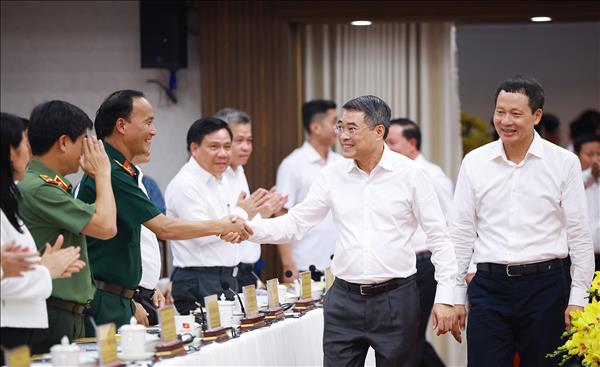
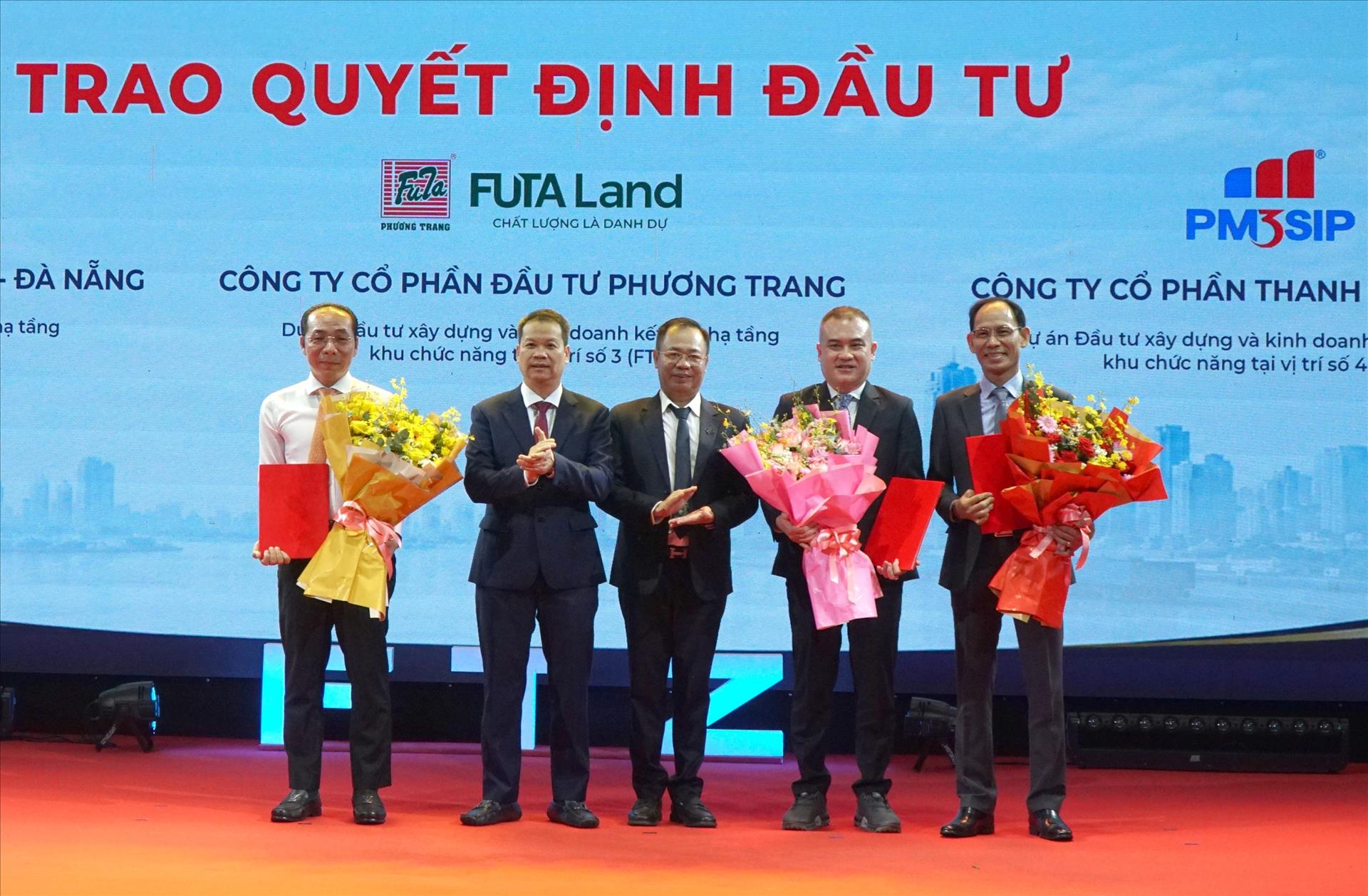
A key highlight of the conference was the presentation of investment policy approvals and investment registration licences for infrastructure projects in FTZ Zones 2, 3 and 4 by Da Nang People’s Committee Chairman Nguyen Manh Hung. The move marked the beginning of the implementation phase for several core functional areas of the free trade zone.
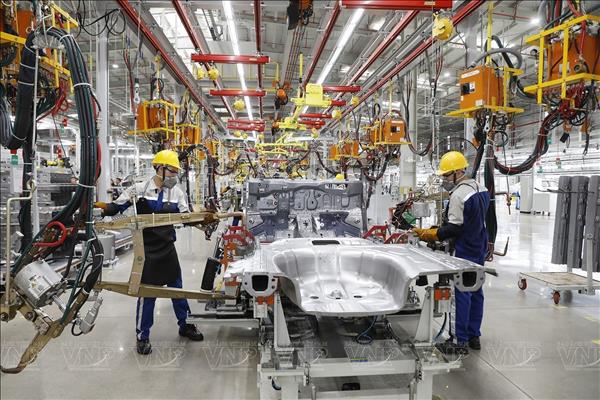
Together, the three projects cover around 910 hectares and involve total registered investment exceeding 15 trillion VND (about 570 million USD). The developments are expected to support a range of complementary activities spanning logistics, manufacturing, supporting industries, trade, services, tourism and other high-value-added sectors.
Hung said Da Nang will continue prioritising strategic infrastructure projects, administrative reform and the application of science, technology, digital transformation and artificial intelligence in governance and operations. The city is also considering expanding the FTZ southward to maximise development opportunities in the post-merger period.
He urged municipal agencies, local authorities and the Da Nang High-Tech Park and Industrial Zones Authority (DSEZA) to work closely with businesses and investors to accelerate project implementation, reaffirming the city's commitment to providing favourable conditions for efficient and sustainable investment./.