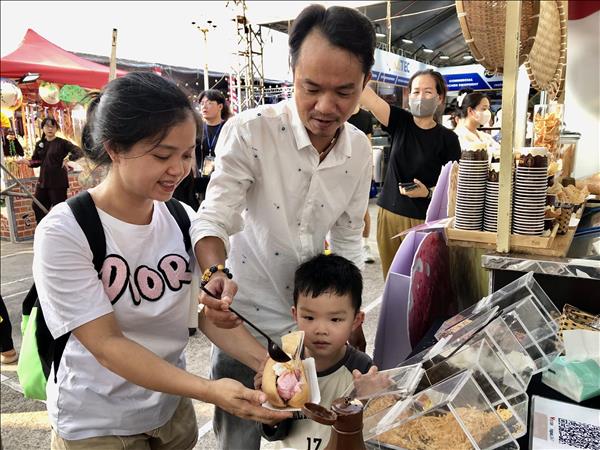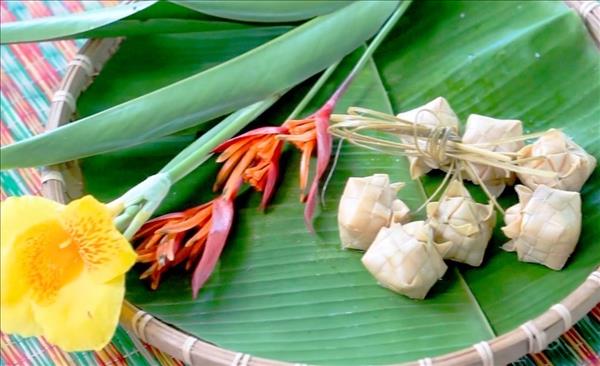
The findings, derived from a survey of Asian travellers as part of Agoda’s 2026 Travel Outlook Report, reveal that 35% of Vietnamese travellers cite food as a key reason for travel, placing Vietnam among Asia’s top foodie markets.
Food is increasingly taking centre stage as a primary reason for travel, with more Asian travellers eager to explore destinations that offer unforgettable culinary experiences. This shift reflects a broader trend where gastronomy is becoming a significant motivator in choosing where to go, what to do, and where to stay, as travellers seek to immerse themselves in the local food culture of their chosen destinations.
Agoda’s survey results highlight this evolution, revealing that culinary experiences have climbed into the top three motivators for Asian travellers, jumping from sixth place last year.
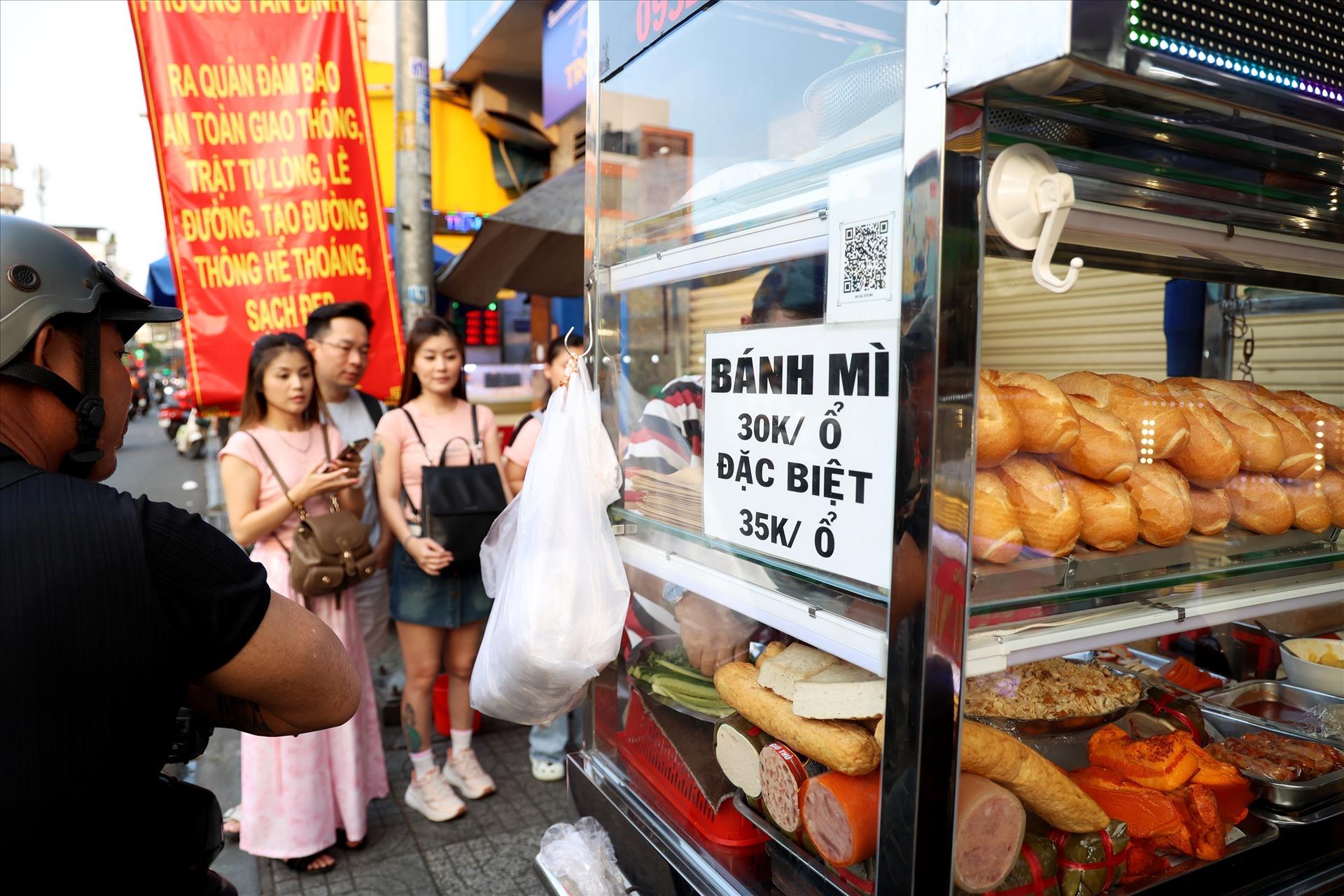
On the journey where Vietnamese travellers explore destinations abroad, many do so with a strong desire to understand global cuisines firsthand – whether sampling authentic sushi in Japan, street food in Thailand, or Michelin-starred restaurants in Europe. Food, for Vietnamese travellers, is not merely sustenance but a meaningful gateway to culture, history, and connection – both at home and abroad.
The top five nations that Vietnamese travellers explored to sate their culinary appetites last year include Japan, Thailand, the Republic of Korea (RoK) , Malaysia and China.
Vietnam emerges as a global culinary destination
This cross-cultural exchange also works in reverse, as Vietnam’s rich culinary landscape has become a powerful magnet for international visitors. Travellers from around the world increasingly visit Vietnam to experience its dynamic street food culture, heritage recipes, and rapidly evolving contemporary dining scene.
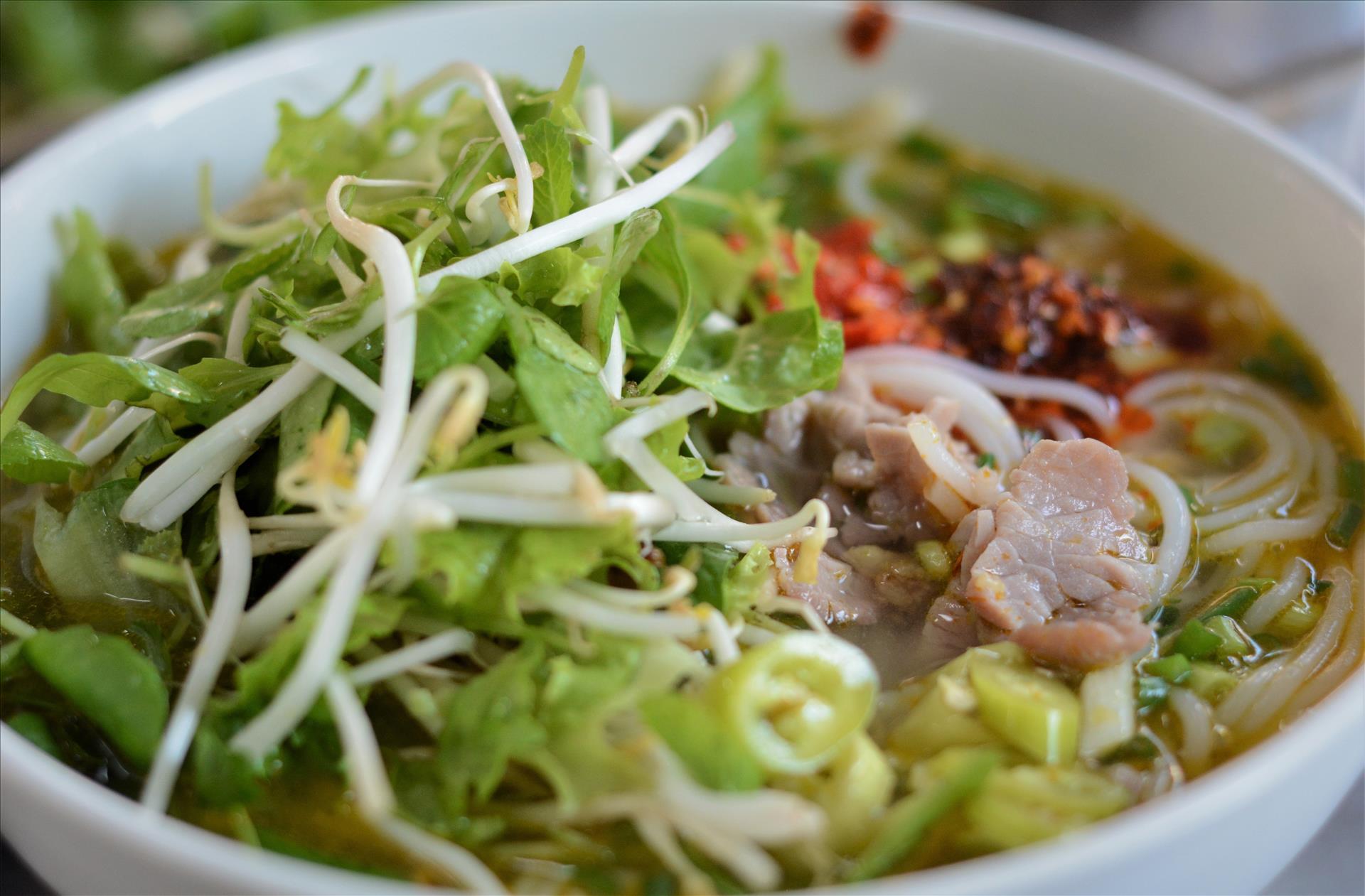
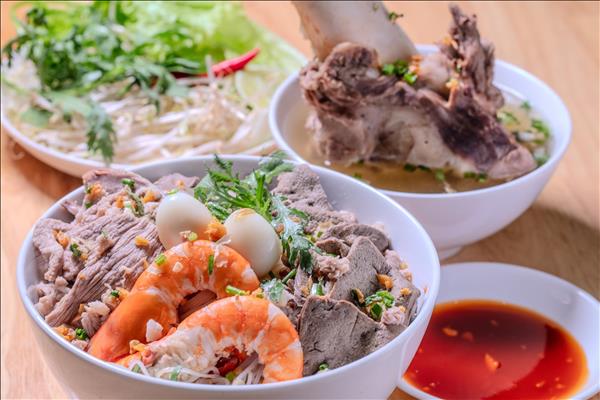
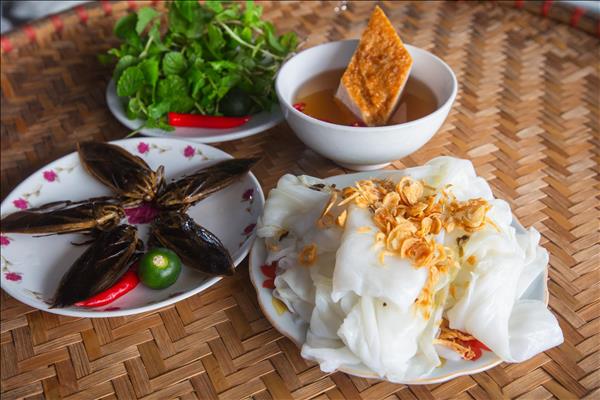
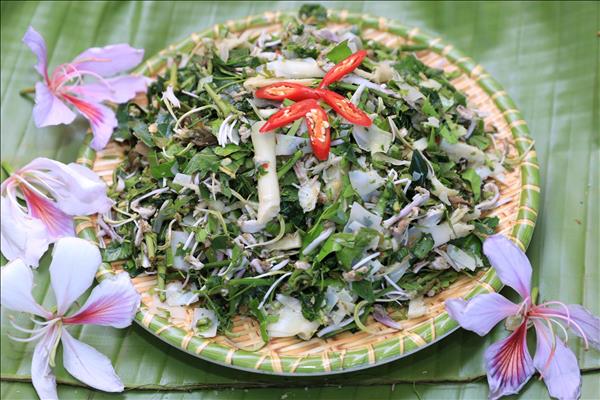
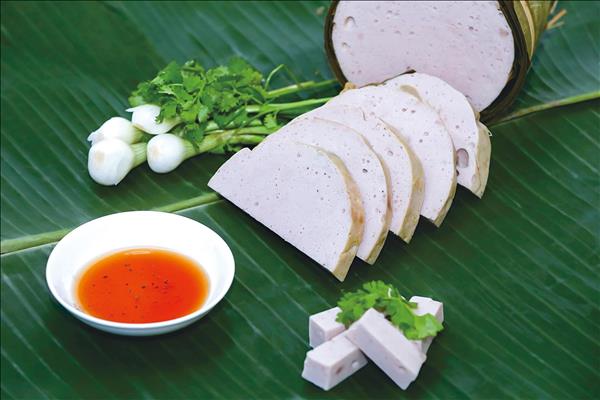
Vietnam’s deep-rooted culinary heritage sees cuisine woven into daily life and cultural identity. From iconic national dishes such as “pho” and “banh mi” to regional specialties like Hue’s royal cuisine or the Mekong Delta’s fresh seafood, Vietnamese cuisine is celebrated for its balance of flavours, fresh ingredients, and regional diversity.
Regionally, only Taiwanese travellers ranked higher, with 47% citing food as a primary travel driver, followed by the Republic of Korea at the third place with 34%. Other markets in the top eight include Malaysia (33%), Japan (32%), Indonesia (31%), Thailand (20%), and India (8%).
Vu Ngoc Lam, Agoda Country Director, shared that Vietnam’s ranking reflects just how deeply food is embedded in our culture and in the way Vietnamese travellers experience the world. For many Vietnamese, travel is not complete without discovering authentic local flavours, whether through exploring regional specialties at home or seeking iconic dishes abroad./.