Ho Chi Minh City is set to launch a sweeping health checkup programme covering more than 15 million residents in 2026, part of a long-term plan through 2030 that highlights its transition from treatment to proactive health care.
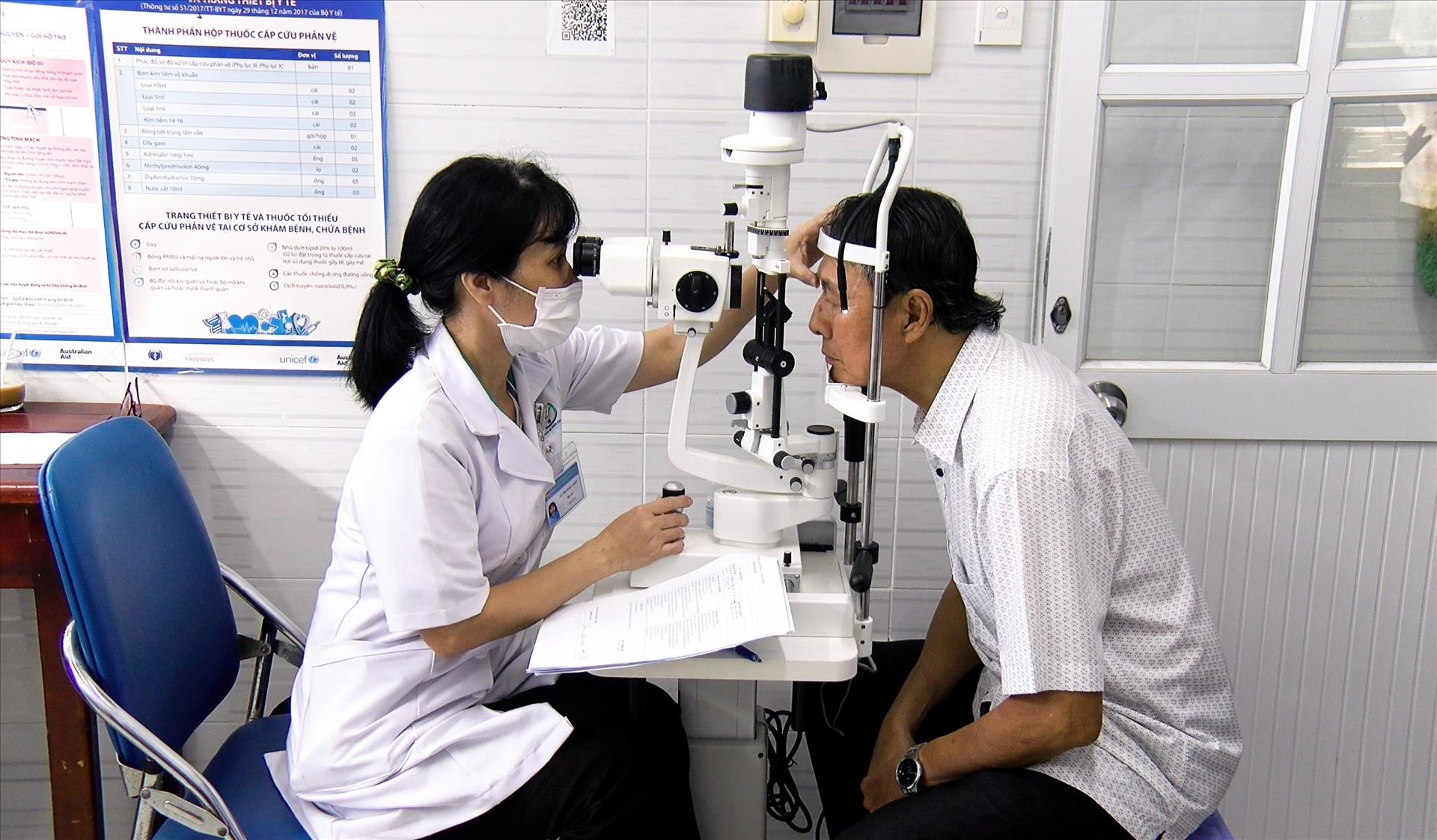
According to Assoc. Prof. Dr Tang Chi Thuong, Director of the municipal Department of Health, a citywide health checkup drive will kick off on April 17 at 168 commune-level health stations, building on recent activities held for All People’s Health Day.
The campaign will draw on medical staff from 101 public and private hospitals, including central-level, ministerial, municipal, and private facilities. Central hospitals will lead screenings for major conditions such as cardiovascular, endocrine, cancer, musculoskeletal, dental, and occupational diseases. Specialised hospitals will handle discipline-specific checks, while general hospitals will focus on detecting and managing chronic non-communicable and common internal illnesses.
Private providers and regional health centres will also join the effort, broadening access to services. Cervical cancer screening for female workers, particularly those in informal sectors, will be prioritised in 16 localities.
The initiative is designed to bring multi-specialty healthcare closer to communities, with an emphasis on vulnerable and high-risk groups, including the elderly, those with chronic conditions, and disadvantaged populations, enabling early detection and sustained health management.
Screening outcomes will be integrated into electronic health records to ensure accurate and up-to-date data for long-term monitoring. Local health stations will classify residents by risk levels, manage follow-ups, and arrange referrals as needed, adhering to the principle of early detection, timely intervention, and continuous care.
Deputy Director of the Department of Health Assoc. Prof. Dr Nguyen Anh Dung said the programme will prioritise cost-effective interventions targeting high-burden diseases that can be scaled at the grassroots level.
In the near term, particularly in 2026, the city will finalise technical guidelines, funding mechanisms, basic screening packages, and electronic health records. By 2027, a flexible, non-boundary-based network of healthcare providers will be established, covering densely populated areas, industrial zones, schools, and social welfare facilities.
From 2028, the programme will expand evidence-based screenings for hypertension, diabetes, cardiovascular risks, cervical, breast and colorectal cancers, viral hepatitis, and tuberculosis. By 2030, the city aims to deploy an automated digital system capable of proactively inviting residents for screenings.
The health sector also plans to develop a unified population health database under the “one citizen – one ID – one health record – one service history” model. This integrated public–private system will enable residents to access services across multiple facilities while ensuring consistent data and benefits management, improving transparency and optimising healthcare resources./.