In the News
Vietnam’s APEC 2027 host role offers chance to show development gains: Argentine Party official
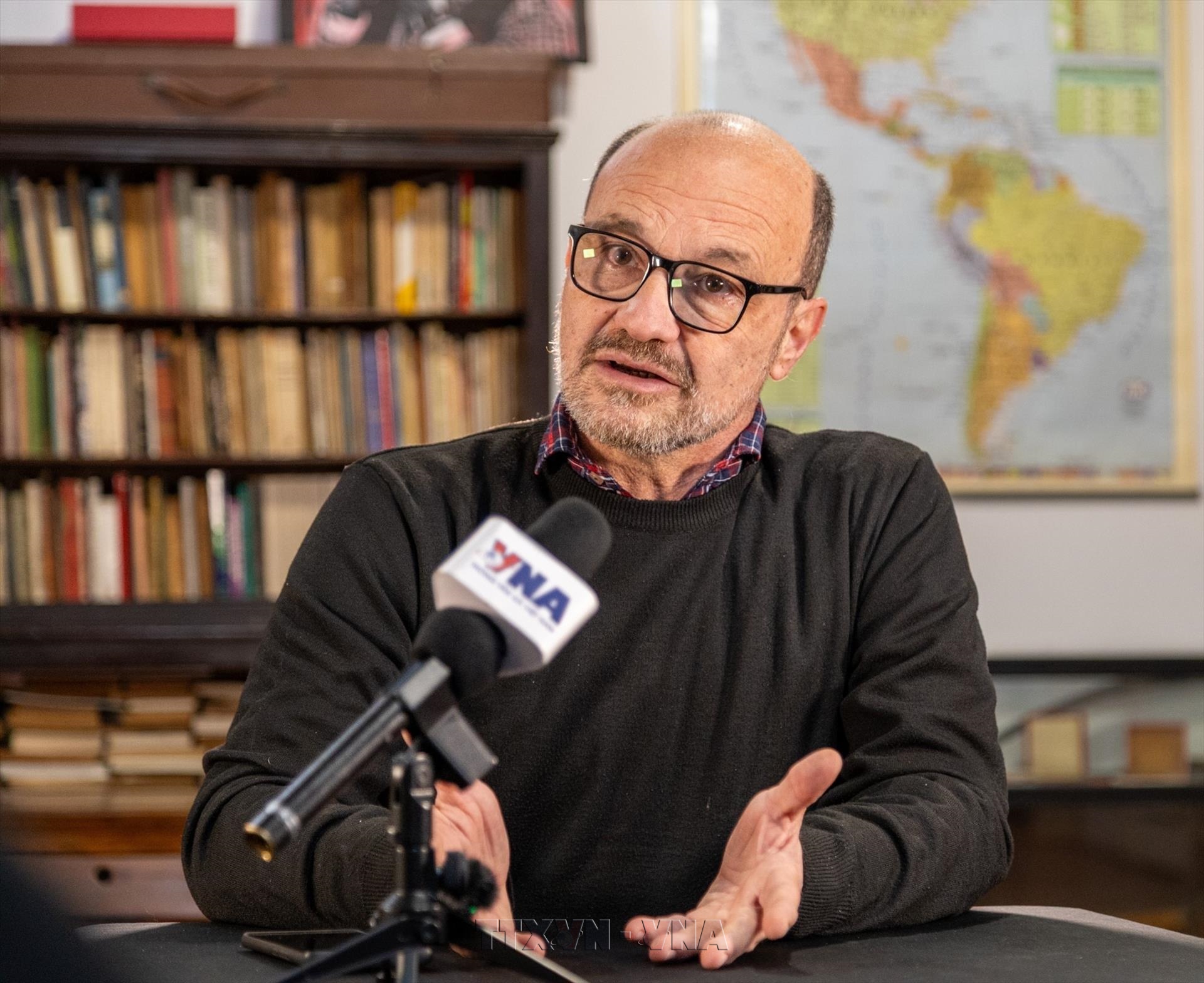
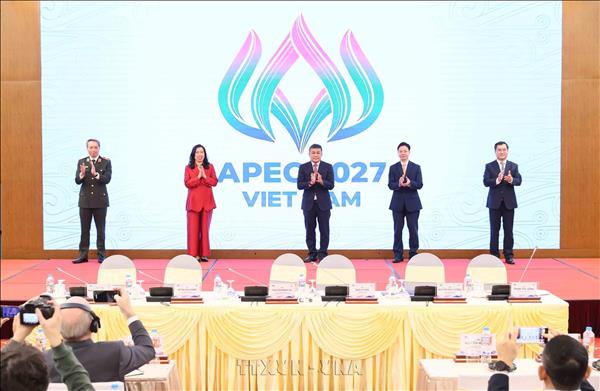
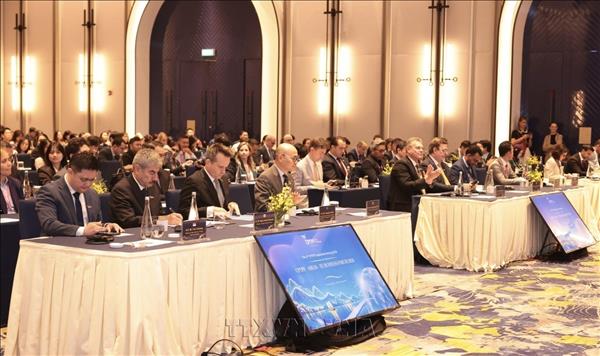
The hosting of the Asia-Pacific Economic Cooperation (APEC) forum in 2027 gives Vietnam a platform to advance regional economic priorities, showcase its development record and deepen ties with international partners, said head of the Commission for Foreign Affairs of the Communist Party of Argentina Central Committe Marcelo Rodriguez.
In an interview recently granted to Vietnam News Agency reporters in Buenos Aires, Rodriguez said Vietnam’s third APEC host stint is a major branding opportunity. Major international events such as APEC act as a “door” through which Vietnam can present its national transformation to the world. The run-up and the event itself also stimulate domestic activities, with positive spillovers for the economy.
APEC, alongside ASEAN and other multilateral forums in Asia-Pacific, underscores the region’s expanding role in global trade and politics. Vietnam, in that setting, is an active player with a distinct profile, shaped as much by its struggle for independence, development gains and 21st-century integration into the world, he said.
From Latin America, he said Vietnam’s image is still anchored in its determined resistance against imperialism and its fight for independence, sovereignty and freedom. More recently, strong development and profound post-war reconstruction have reshaped that image among international friends.
For many Latin American countries still searching for a growth model suited to local conditions, Vietnam’s experience offers a useful reference, the official opined.
Rodriguez said he expects APEC 2027 to amplify Vietnam’s image and development lessons, while opening new room to fortify trade, cultural and political ties with partners worldwide.
He tied Vietnam’s economic gains and rising global standing directly to domestic political leadership, stressing the Communist Party of Vietnam (CPV)’s central role. In his view, the Party’s leadership is essential to explaining both the earlier liberation struggle and today’s national construction and development record.
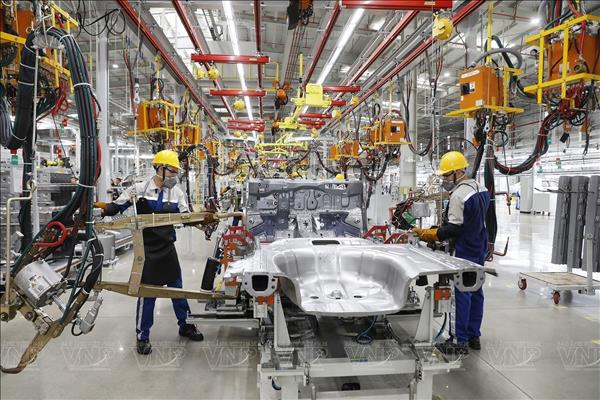
That role shows up first in strategy planning, assessing rollout and adjusting policy on the basis of practical reviews, he said. Just as important is Vietnam’s effort to build a growth model rooted in its cultural foundations and specific conditions, a factor that has helped the country clear hurdles and meet its development targets.
For other countries, he said one standout lesson from Vietnam is the leadership and strategic direction of ruling communist parties. Policy consistency and the capacity to sustain long-term strategies, he argued, allow a country to keep development agenda running.
The challenge for the CPV, he said, is to keep listening to public needs, continuously overhaul its leadership methods and anticipate shifts in the global environment. Reform processes must continue to be driven by the public interests and aspirations.
Vietnam’s achievements and development trajectory cannot be fully understood without factoring in the CPV’s leadership. That same foundation will underpin the country’s next growth phase, deeper international integration and a stronger role in multilateral mechanisms such as APEC, he added./.