In the News
Securities industry’s urged to make Vietnam trusted destination for global investment capital
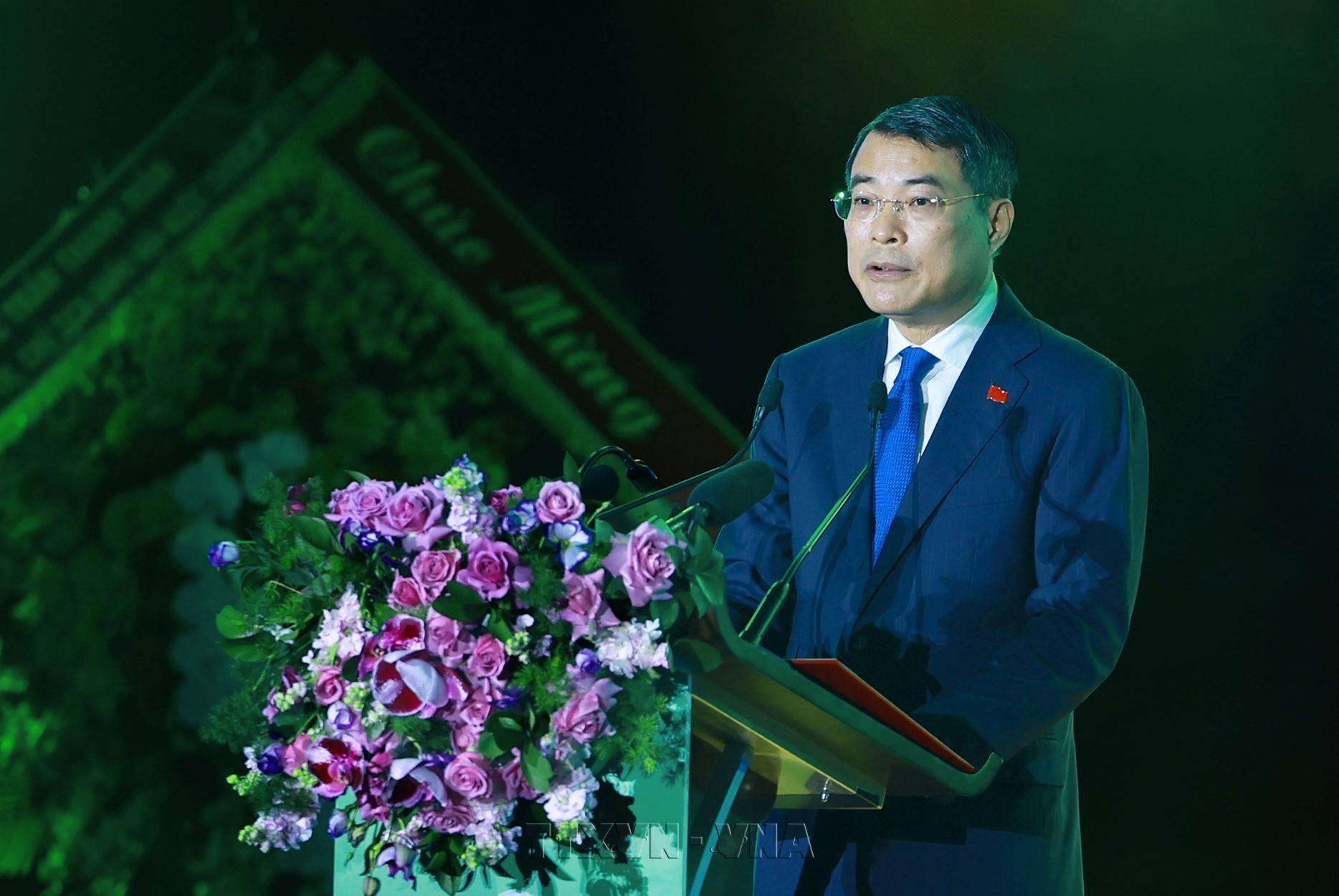
Prime Minister Le Minh Hung has called for further reforms to develop Vietnam's stock market into a transparent, modern and internationally competitive capital mobilisation channel, helping make the country a trusted and attractive destination for international investment flows.
He made the call at a ceremony in Hanoi on November 27 marking the 30th anniversary of Vietnam's securities industry (November 28, 1996–2026), where the State Securities Commission (SSC) received the first-class Labour Order in recognition of its outstanding achievements in developing the country's stock market and promoting its international integration.
The ceremony was attended by senior Party and State leaders, former government and National Assembly leaders, representatives of ministries, agencies, businesses, market participants, international financial institutions and global market index providers FTSE Russell and MSCI.
In his address, PM Hung said the establishment of Vietnam's securities industry 30 years ago marked an important step in economic thinking reform and reflected the Party and State's vision of developing a socialist-oriented market economy and integrating into the global economy.
He highlighted the industry's contributions to building the stock market into an important component of the national financial system, saying its achievements resulted from the country's sound reform policy, government leadership and the persistent efforts of the financial and securities sectors, businesses and domestic and foreign investors.
According to SSC Chairwoman Vu Thi Chan Phuong, the Government issued Decree No. 75/CP on November 28, 1996, establishing the SSC and laying the foundation for Vietnam's stock market.
Over the past three decades, the market has expanded significantly in scale and structure. Its stock market capitalisation has reached nearly 10.8 quadrillion VND (417.82 billion USD) or over 82% of the country's 2025 GDP, while the number of investor accounts has exceeded 14 million. Average daily trading value has also climbed to tens of trillions of VND.
A major milestone came on September 21, 2026, when Vietnamese stocks officially began joining FTSE Russell's global indices, marking further progress in the market's integration into international financial markets.
A new role in mobilising long-term capital
PM Hung said Vietnam is entering a new development phase, with ambitious goals requiring substantial investment in strategic infrastructure, science and technology, innovation, digital transformation and green transition.
This places greater responsibility on the stock market to mobilise and allocate medium- and long-term capital efficiently, while reducing the economy's heavy reliance on bank credit.
He stressed that the next phase should focus not simply on expanding market size and liquidity but also on improving governance, transparency and the market's ability to turn financial resources into productive capacity, higher labour productivity and national competitiveness.
The Government aims to mobilise around 5.4 quadrillion VND in medium- and long-term capital during 2026–2030. By 2030, stock market capitalisation is targeted at 120% of GDP, while outstanding bonds are expected to reach at least 58% of GDP.
To achieve these goals, the PM called for breakthroughs in institutional reform and improvements to the investment environment. He urged the Ministry of Finance, the SSC and relevant agencies to effectively implement amendments to the Securities Law and the Government-approved scheme for comprehensive reform of Vietnam's financial market.
He also called for removing barriers to market access, reviewing foreign ownership regulations and improving trading, settlement and information disclosure mechanisms to meet higher international standards.
The stock market should develop its equity, corporate bond and other financial product segments in a balanced manner, with greater attention to green and sustainable finance. Vietnam should also build a stronger base of long-term institutional investors and direct capital towards businesses and sectors with high productivity and growth potential.
The PM stressed that market quality and investor confidence must remain central to development. This requires better-listed companies, stronger corporate governance, improved accounting and auditing standards, and strict enforcement of market discipline.
Fraud, market manipulation and profiteering must be firmly dealt with, while investors' legitimate rights and interests must be protected, he said.
He also urged faster digital transformation and modernisation of trading, payment, clearing and settlement infrastructure, alongside stronger market supervision and risk management to ensure security, safety and stability.
Developing highly qualified professionals with strong expertise, professional ethics and international integration capacity is another priority. Businesses should also promote responsible corporate cultures and long-term development strategies.
The Government will continue working to create favourable conditions for investment resources to be mobilised and used effectively, PM Hung affirmed. He asked the Ministry of Finance and the SSC to translate these orientations into practical action plans with clear responsibilities, specific road maps and measurable results.
He expressed confidence that building on three decades of development, Vietnam's securities industry would continue to grow into a transparent, modern and competitive market, serving as a reliable source of medium- and long-term financing and a destination for the confidence of domestic and international investors.
At the ceremony, PM Hung and delegates sounded the gong under the theme “30 Years of Firm Confidence – Reaching New Heights” and launched two key information technology systems of the SSC./.