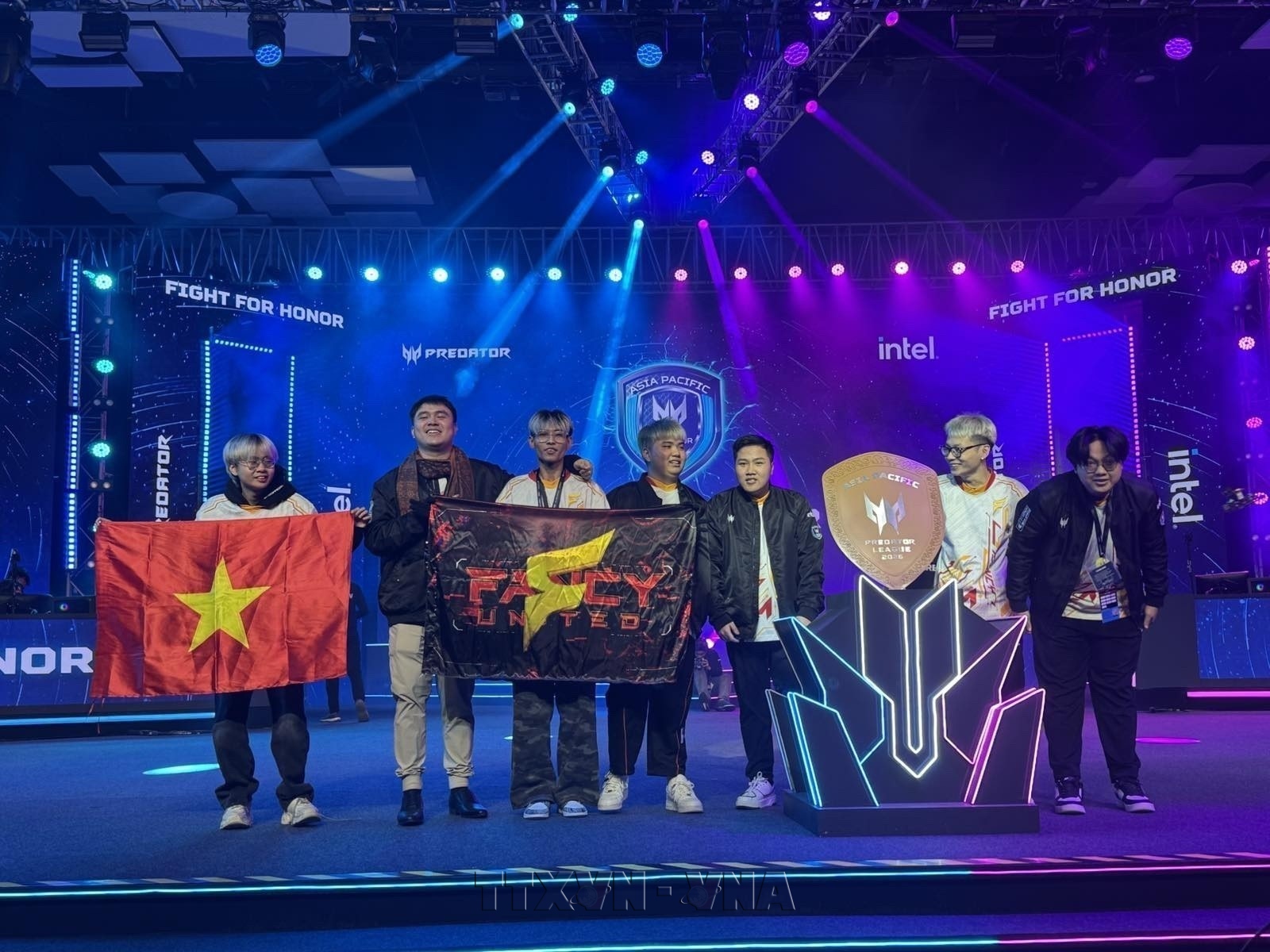
Amid digital transformation and the rise of cultural industries, sports are increasingly emerging as an economic sector that generates added value, drives innovation, and creates new growth opportunities, with Esports offering a clear example of this shift.
Sports create value beyond medals
A match ends with the final whistle and a sporting event closes after weeks of competition, but the value generated by sports today extends far beyond results and medals. Images, stories, digital content, media rights, commercial activities, tourism, and fan communities built around events can extend their economic life well beyond the competition itself.
This trend is taking place globally and is prompting Vietnam to rethink its approach to sports development.
For years, sports development was mainly assessed through international achievements or the number of people participating in physical activities. While these indicators remain important, they no longer fully capture the economic value that sports can generate.
An increasing number of countries view sports as a comprehensive economic sector, with each event creating opportunities for media, tourism, trade, technology, advertising, and innovation.
Digital transformation is accelerating this process. Technology is changing not only how people watch sports but also how businesses invest, competitions are organised, and value is created. Content from a match continues to reach audiences on digital platforms long after the event ends, while athletes can become content creators, brand ambassadors, and hubs of fan communities.
Vietnam is gradually moving in this direction. Decision No. 1189/QD-TTg approving the national sports development strategy to 2045 sets the goal of developing the sports market, mobilising social resources, and promoting growth in the sports economy.
According to Do Viet Hung, Chairman of the Vietnam Recreational and Electronic Sports Association (VIRESA), viewing sports solely from the competition perspective would make it difficult to fully tap their potential.
“Esports is not simply a sport but a digital economic ecosystem built on technology, data, digital content and communities,” he said, adding that the model offers new approaches to creating value for the sports economy.
Sports economy enters digital era
Sports economic value is not measured solely by ticket sales, broadcasting rights, or sponsorships. An event can generate broader economic benefits by promoting a locality, attracting tourists, increasing consumption, creating jobs, and opening investment opportunities.
As a result, many countries are shifting from organising individual events to developing sports economic ecosystems involving event organisers, media companies, advertisers, equipment manufacturers, training institutions, tourism businesses, and e-commerce firms.
The digital space is increasingly becoming a “second arena” for sports. Fans can watch, comment, share content, interact with athletes, and participate in online communities, extending an event’s lifespan through data, digital content, and audience engagement.
Deputy Minister of Culture, Sports and Tourism Hoang Dao Cuong said Esports is not only a sport of the digital age but also a new industry. Under the “Esports+” approach, it should be connected with technology, education, culture, innovation, and international integration to become a driver of cultural industries, the sports economy, and the digital economy.
In this sense, Esports offers a window into the future of Vietnam’s sports economy, where data, digital rights, fan communities, and technology-based business models can create value far beyond the playing field./.