
As the Lunar New Year of the Horse (Tet Binh Ngo) approaches, Tranh Khuc traditional chung cake village in Nam Phu Commune, on the southern edge of Hanoi, enters its most hectic and meaningful season. For generations, the village has been known for its mastery of making banh chung — the square sticky rice cake that lies at the heart of every Vietnamese family’s Tet altar.
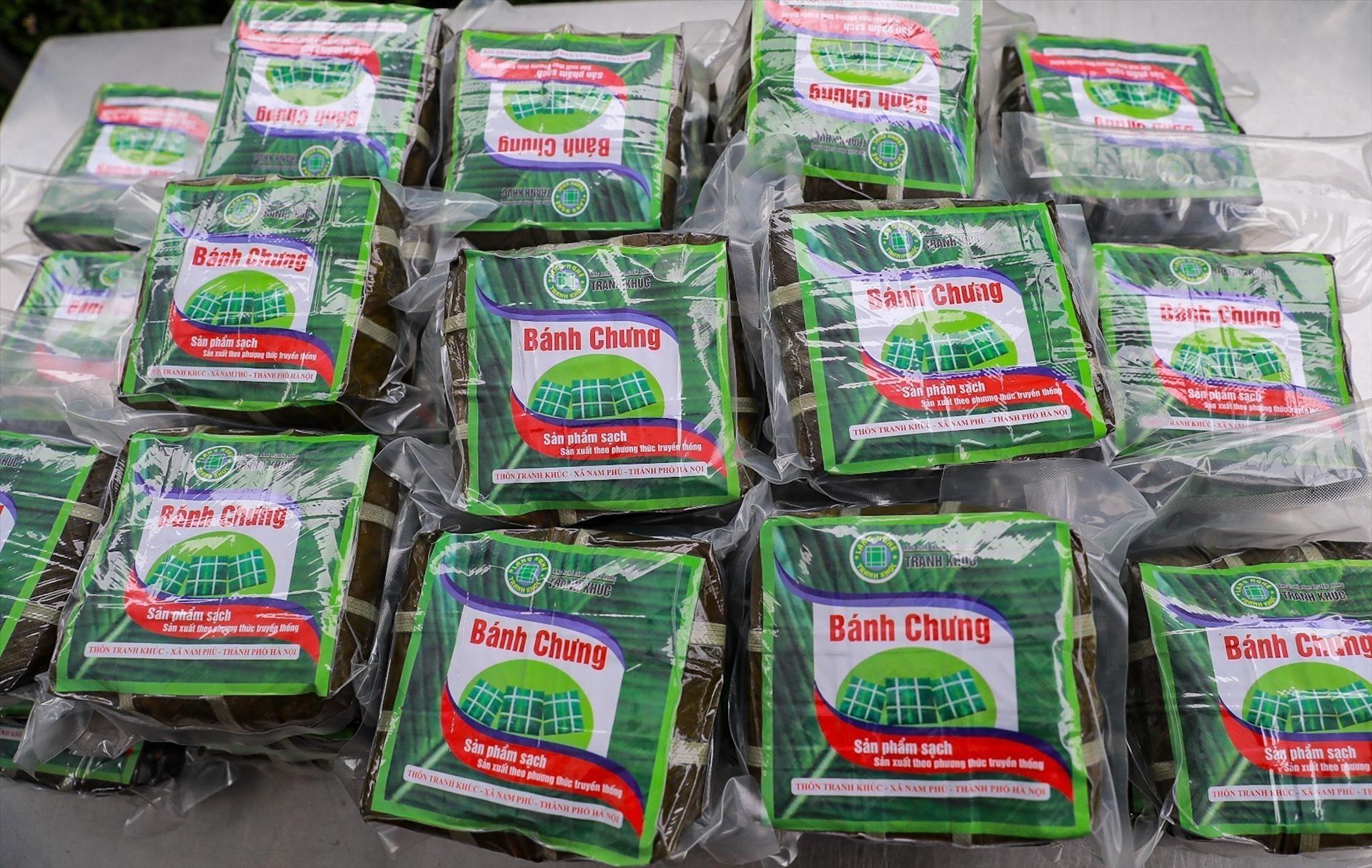
As the Lunar New Year of the Horse (Tet Binh Ngo) approaches, Tranh Khuc traditional chung cake village in Nam Phu Commune, on the southern edge of Hanoi, enters its most hectic and meaningful season. For generations, the village has been known for its mastery of making banh chung — the square sticky rice cake that lies at the heart of every Vietnamese family’s Tet altar.

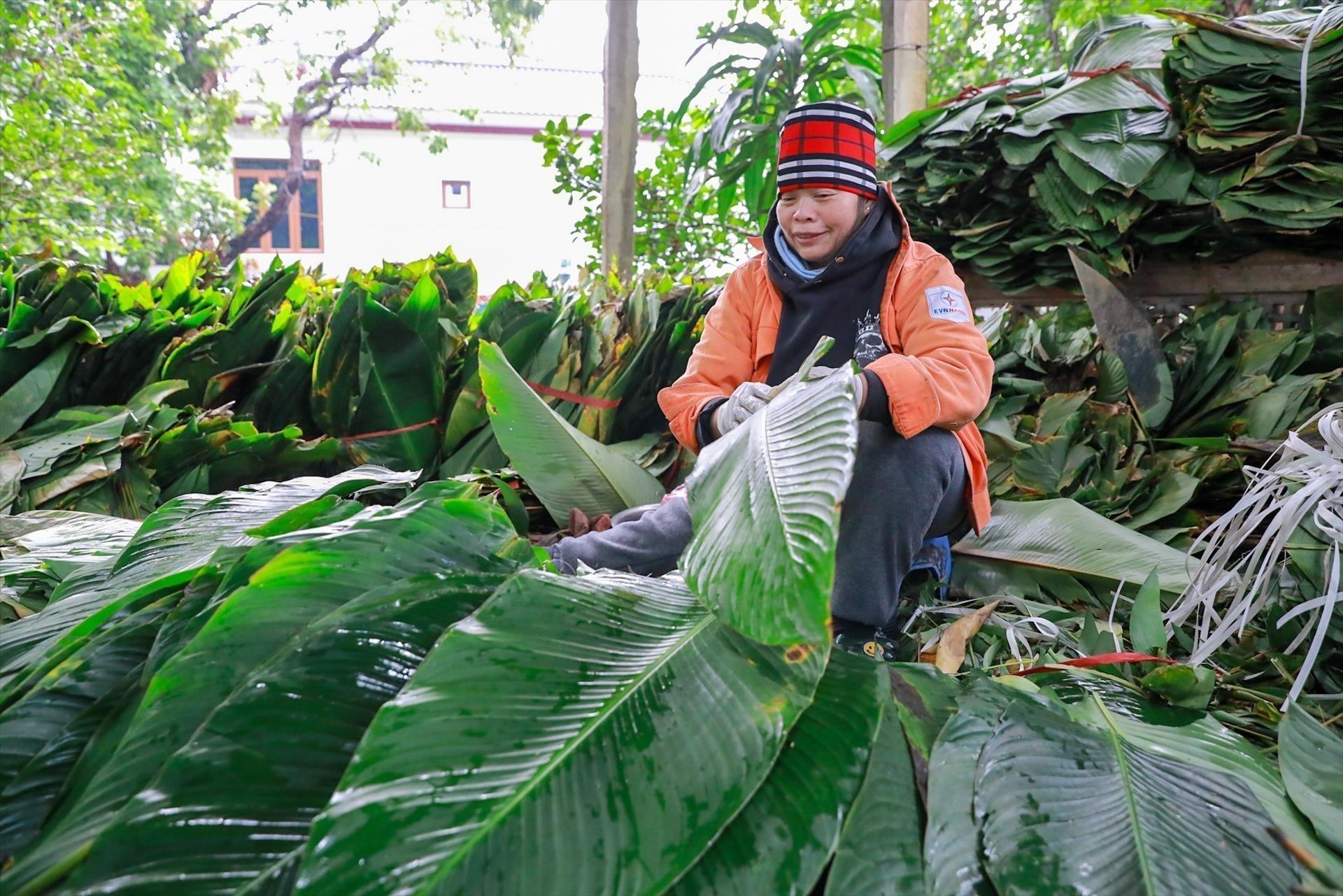
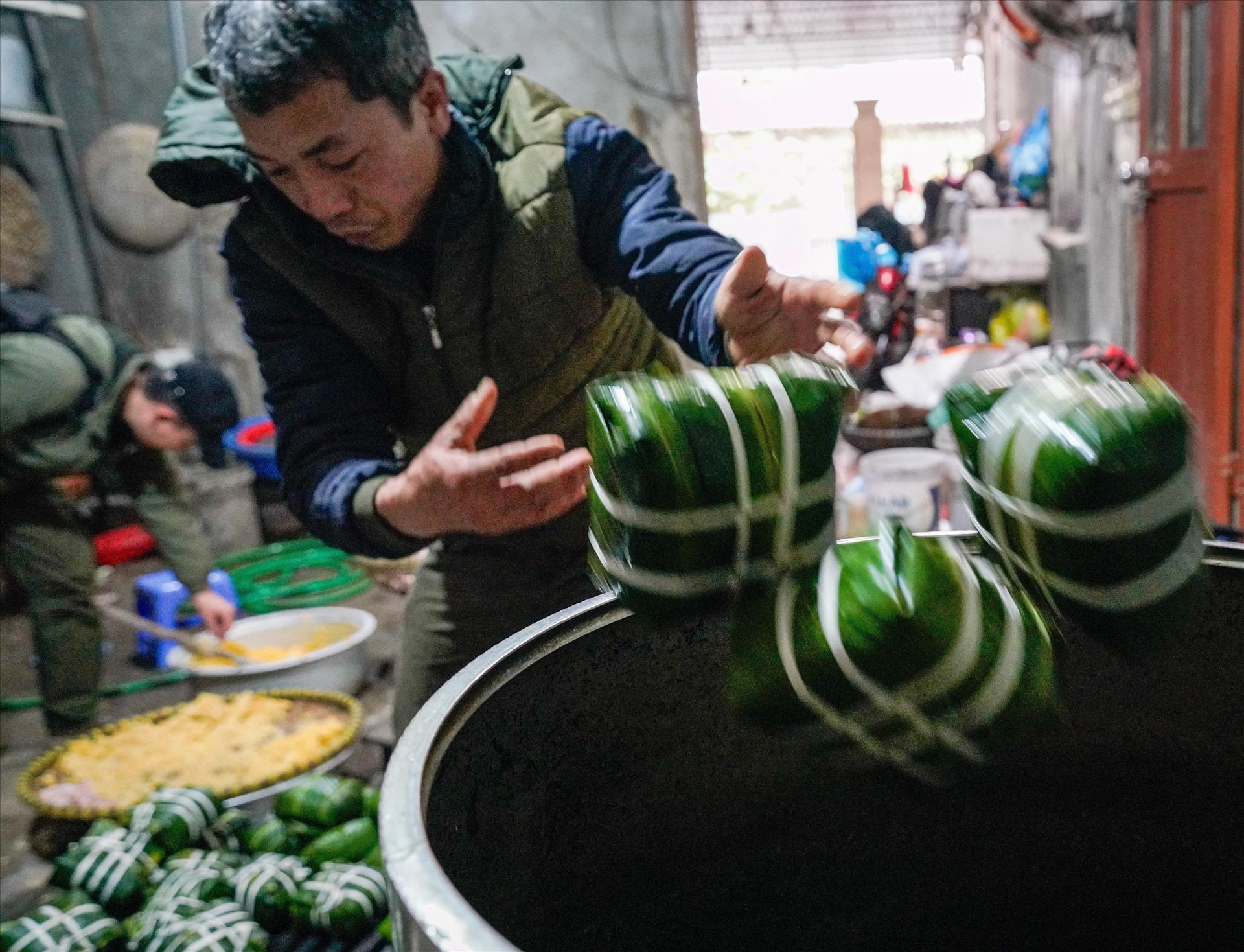
In the final weeks of the lunar year, the rhythm of village life quickens. Courtyards are piled high with bundles of fresh dong leaves, their deep green surfaces washed and trimmed with care. Sacks of glutinous rice are rinsed until the grains turn pearly white. Split mung beans are steamed and mashed, while slabs of pork belly are seasoned with fish sauce and black pepper. Families gather to wash, cut, fold, and tie, working with practiced hands that have repeated the same gestures year after year.
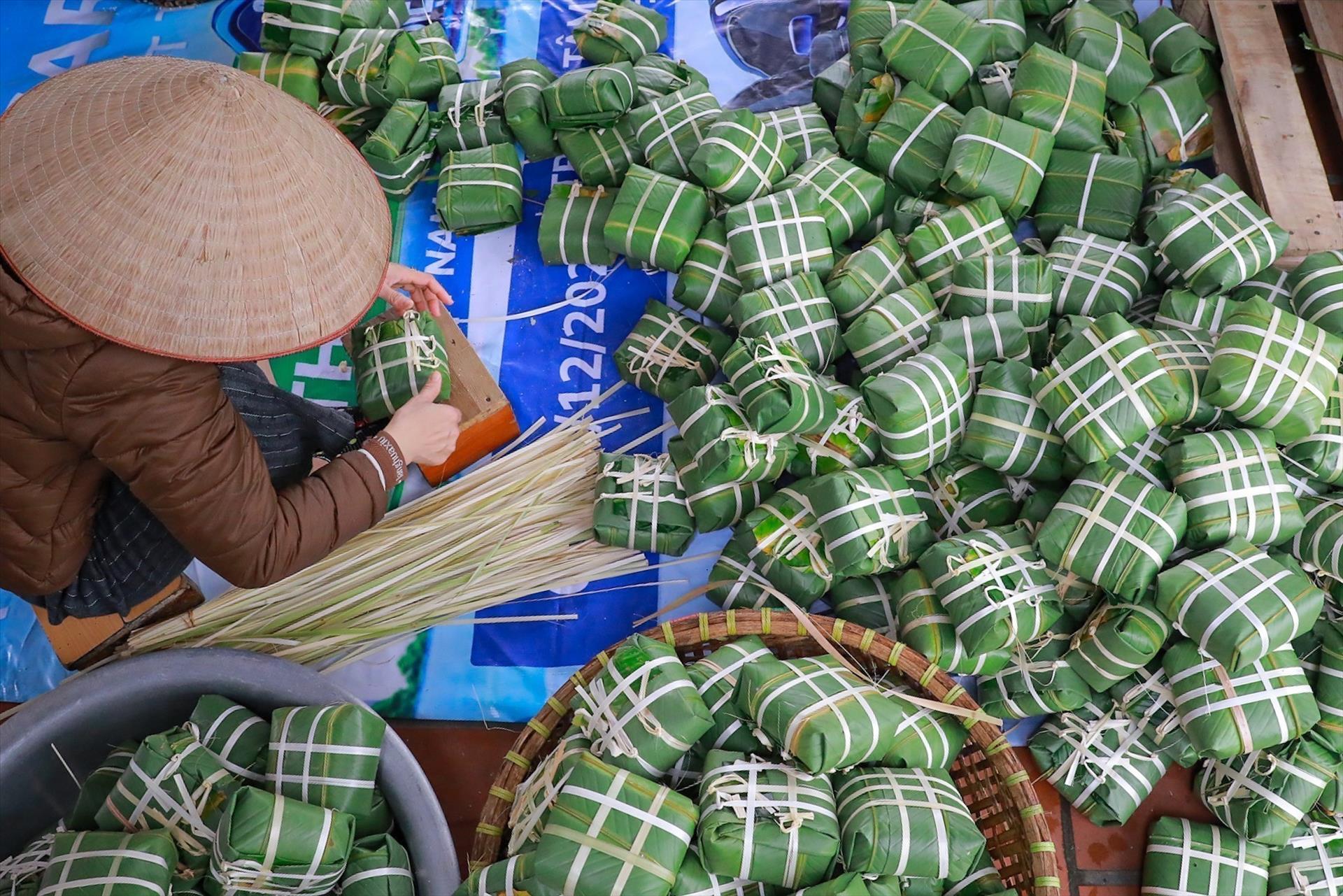

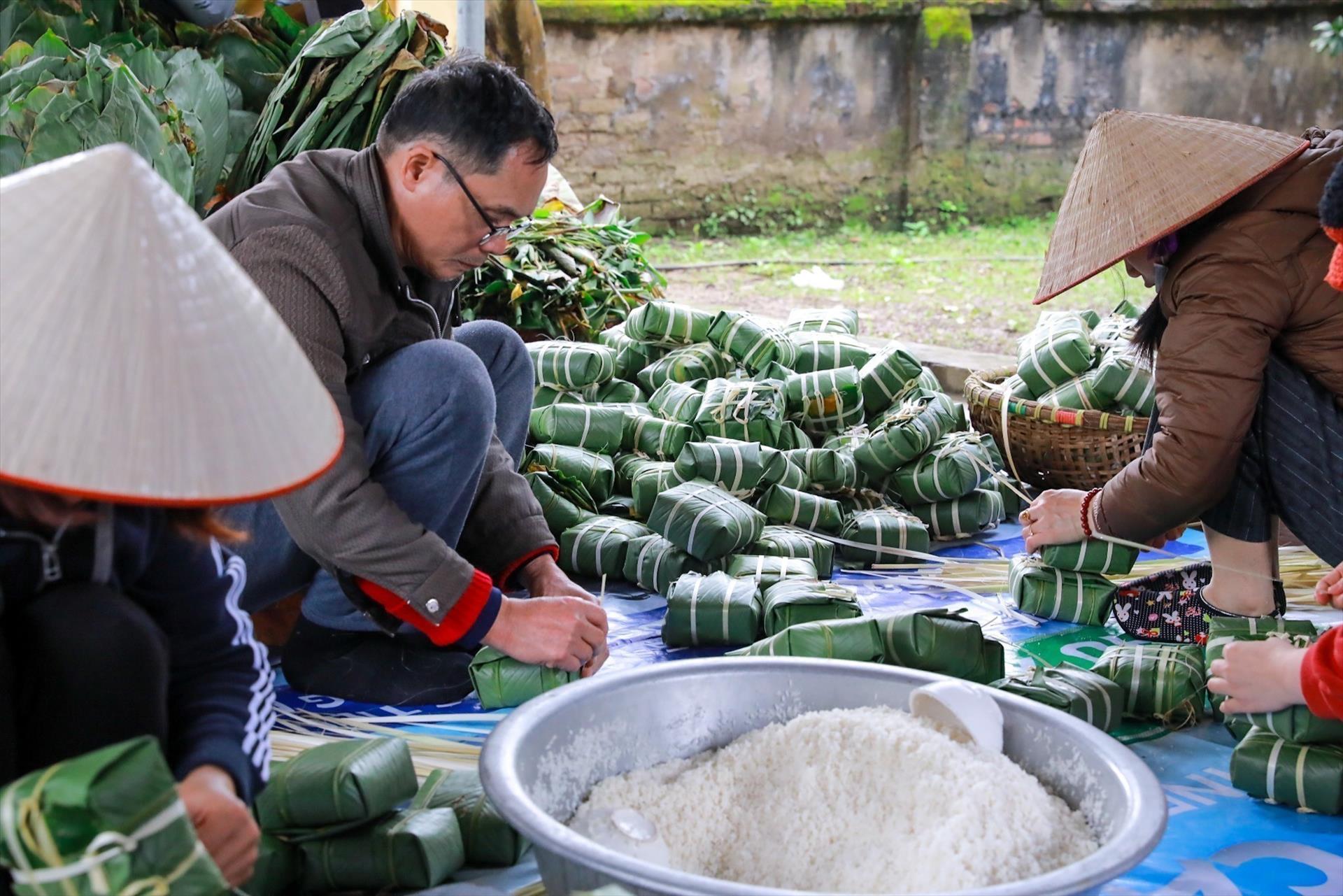
Through the night, great pots simmer over wood fires, each holding dozens of tightly wrapped cakes. Steam rises into the cold winter air as neighbors keep watch, adding firewood and sharing stories to stay awake. By morning, the village is enveloped in the unmistakable aroma of newly cooked banh chung — the fragrance of sticky rice, the creamy sweetness of mung bean, and the rich savor of tender pork.
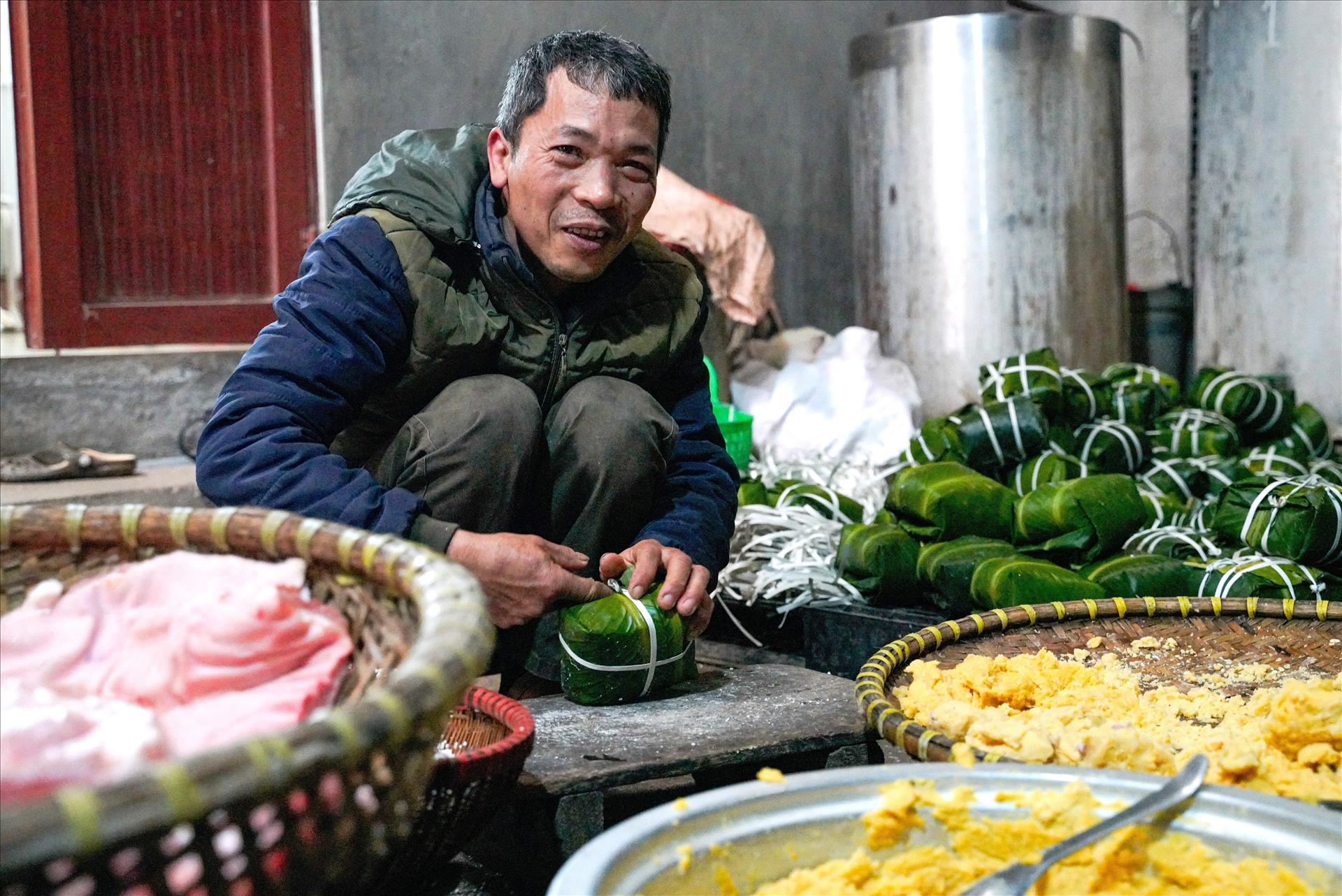
In Tranh Khuc, making banh chung is more than seasonal commerce. It is a ritual of continuity, preserving both flavor and memory, and keeping the spirit of Tet alive in every carefully wrapped square.