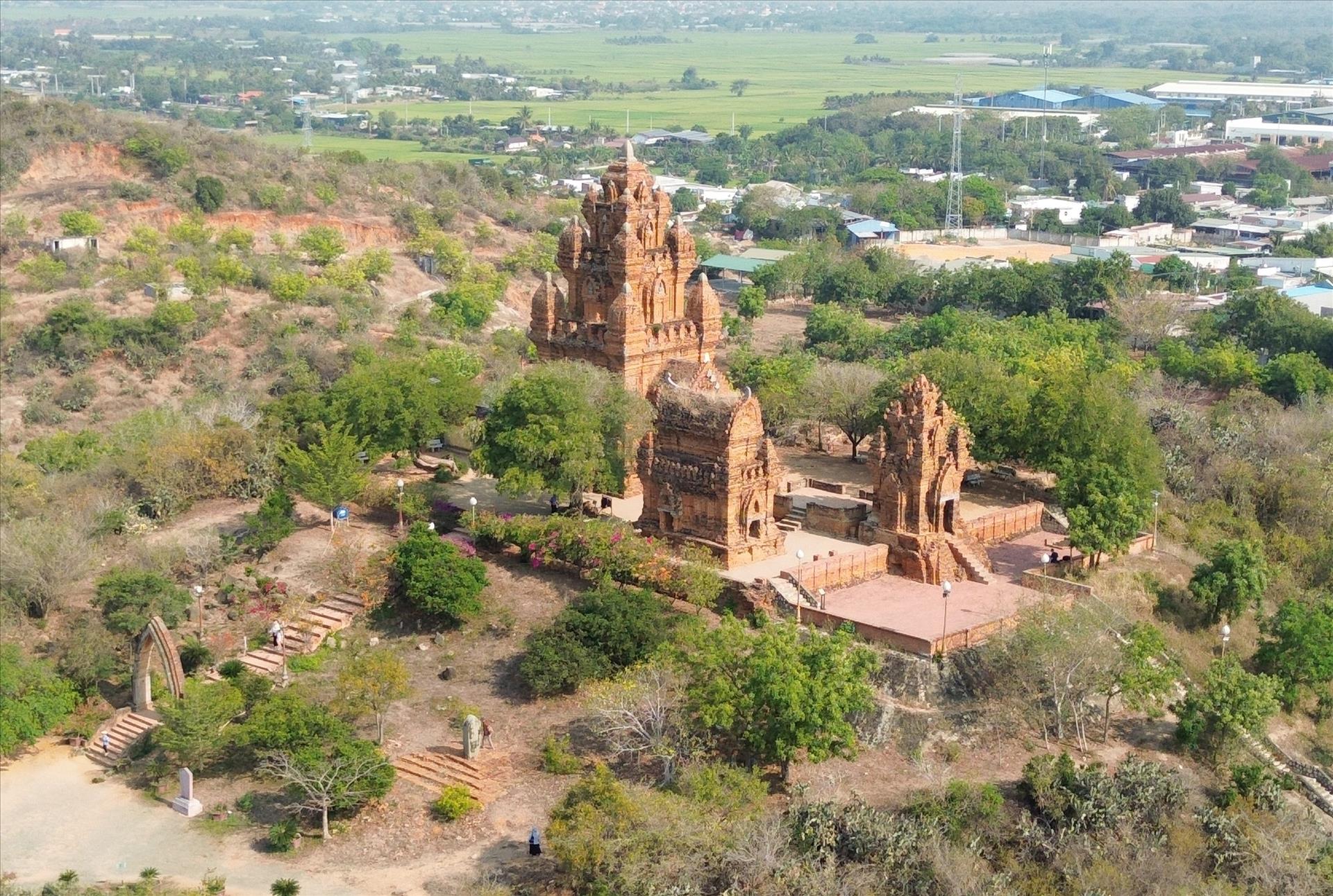
Rising above the arid hills of south-central Vietnam, the Po Klong Garai Tower stands as both a sacred sanctuary and a powerful cultural emblem of the Cham people. For generations of the Cham community in Do Vinh ward, Khanh Hoa Province, the site has been a source of pride and spiritual connection, embodying centuries of history, belief, and artistic achievement.
Rising above the arid hills of south-central Vietnam, the Po Klong Garai Tower stands as both a sacred sanctuary and a powerful cultural emblem of the Cham people. For generations of the Cham community in Do Vinh ward, Khanh Hoa Province, the site has been a source of pride and spiritual connection, embodying centuries of history, belief, and artistic achievement.
Recognized as a Special National Heritage site, the complex dates back to the late 13th and early 14th centuries. It was built to honor Po Klong Garai (1151–1205), a revered king celebrated for his leadership in defending the kingdom against foreign invaders and for his lasting contributions to irrigation systems that sustained agricultural life in the region. His legacy continues to resonate deeply in Cham culture, where he is venerated as both a historical figure and a spiritual guardian.
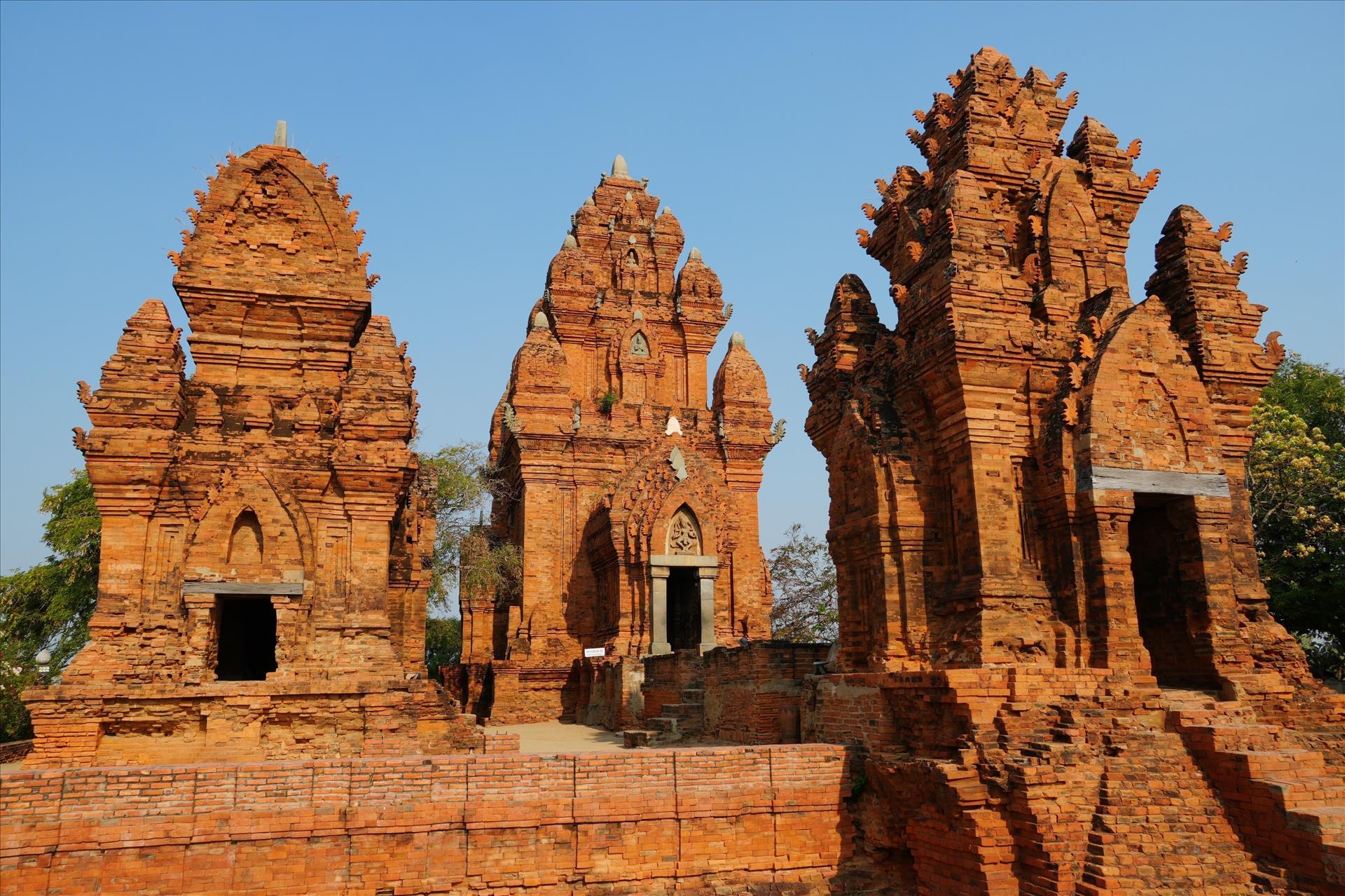
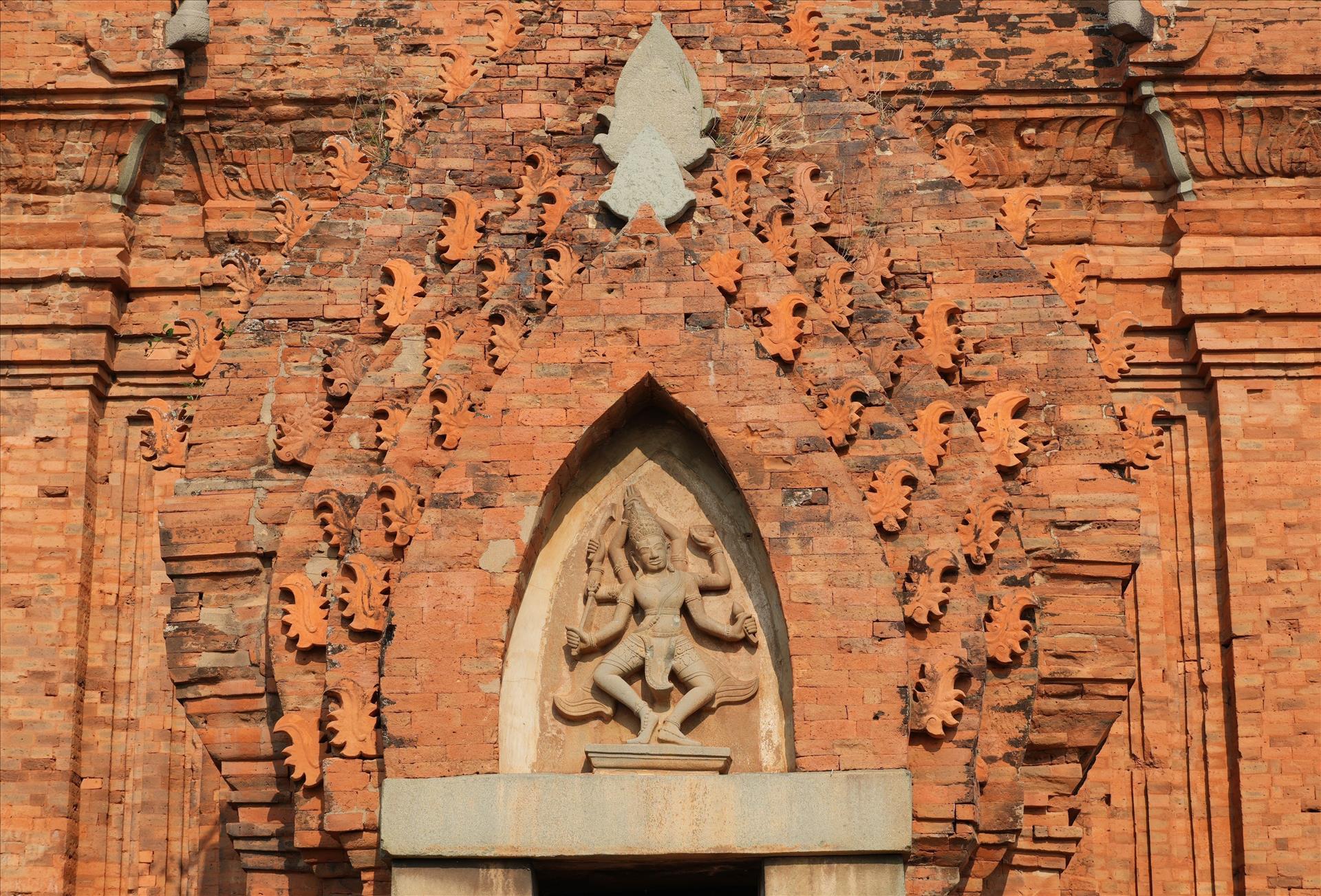
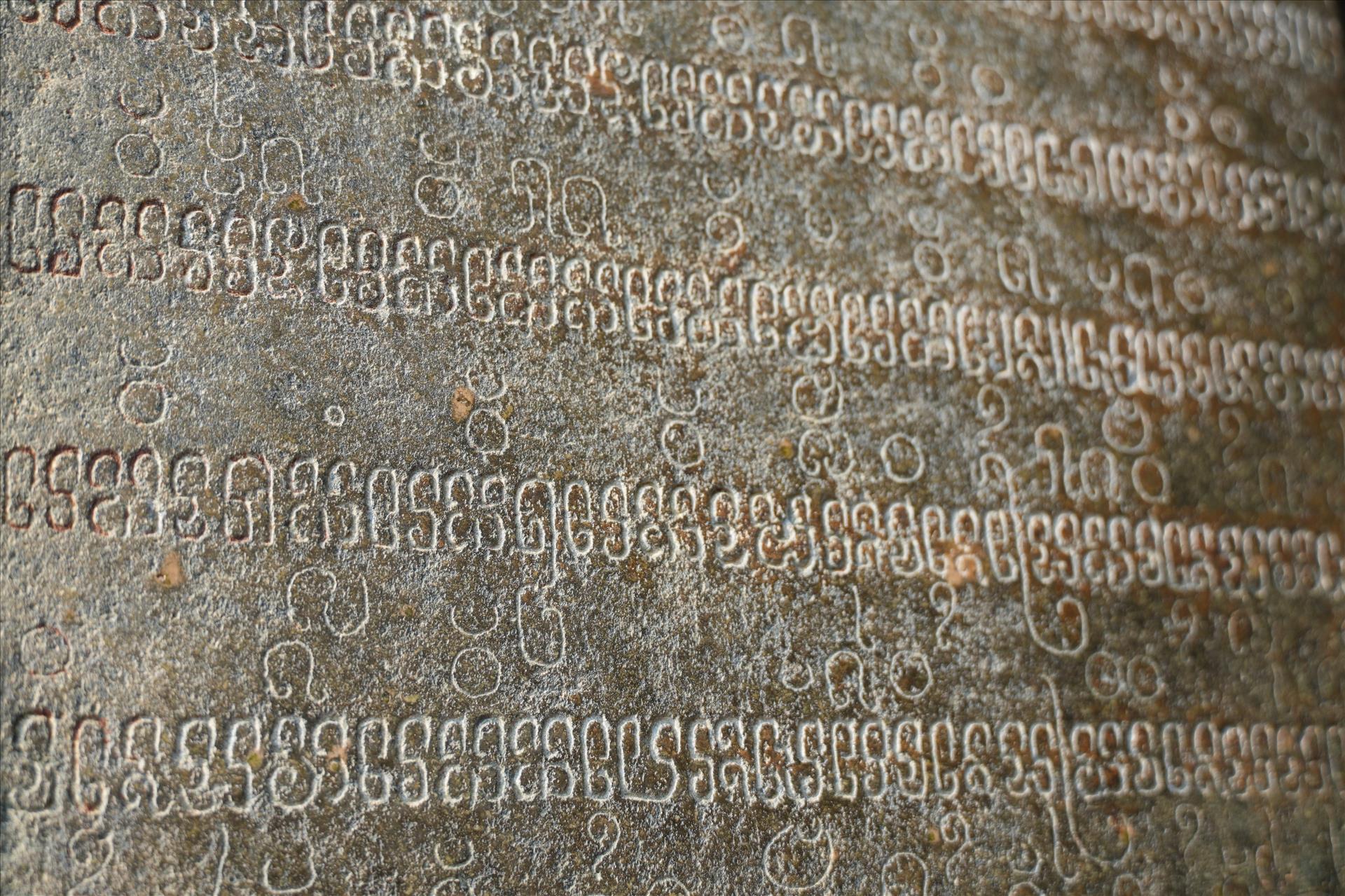
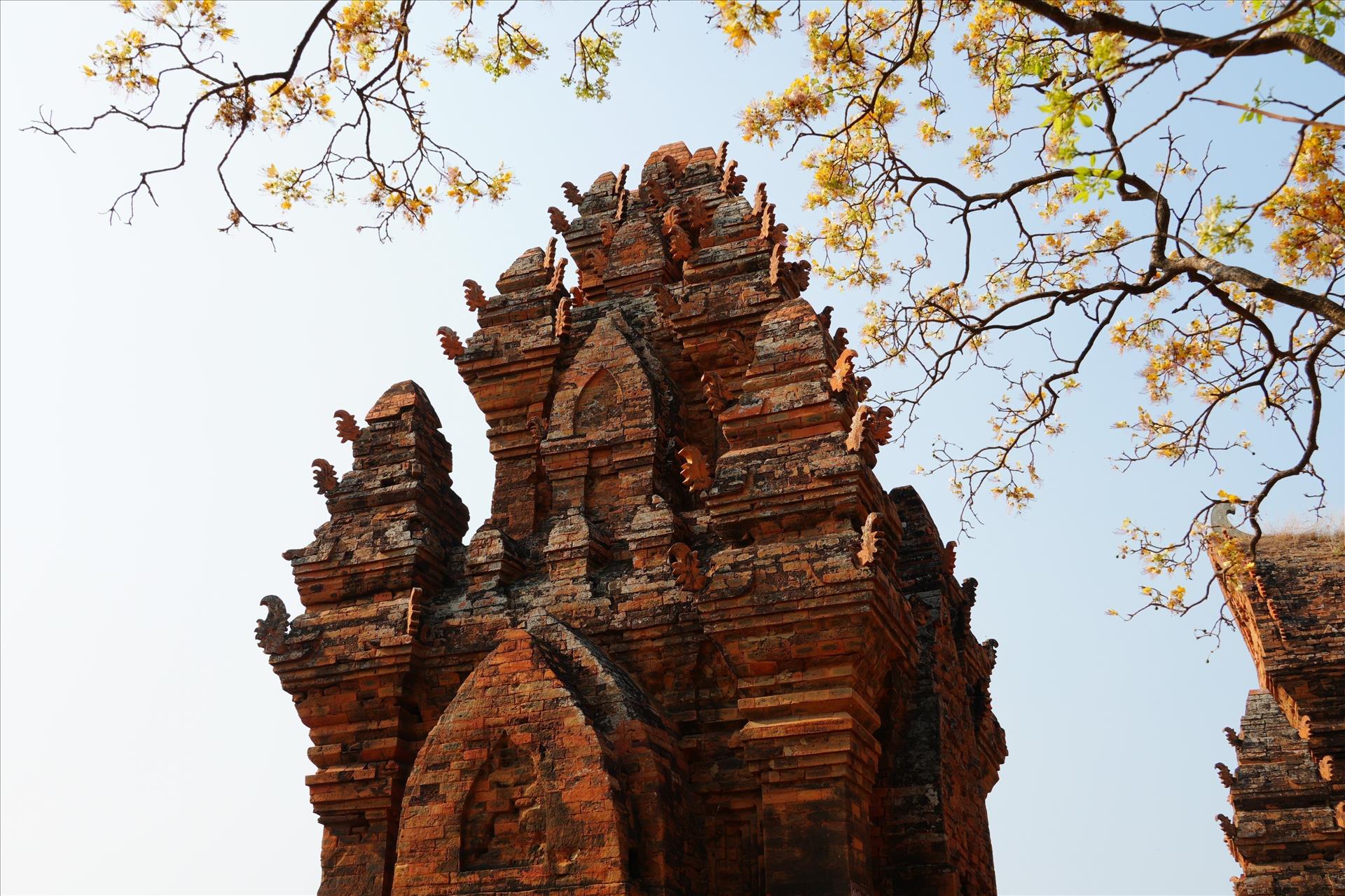
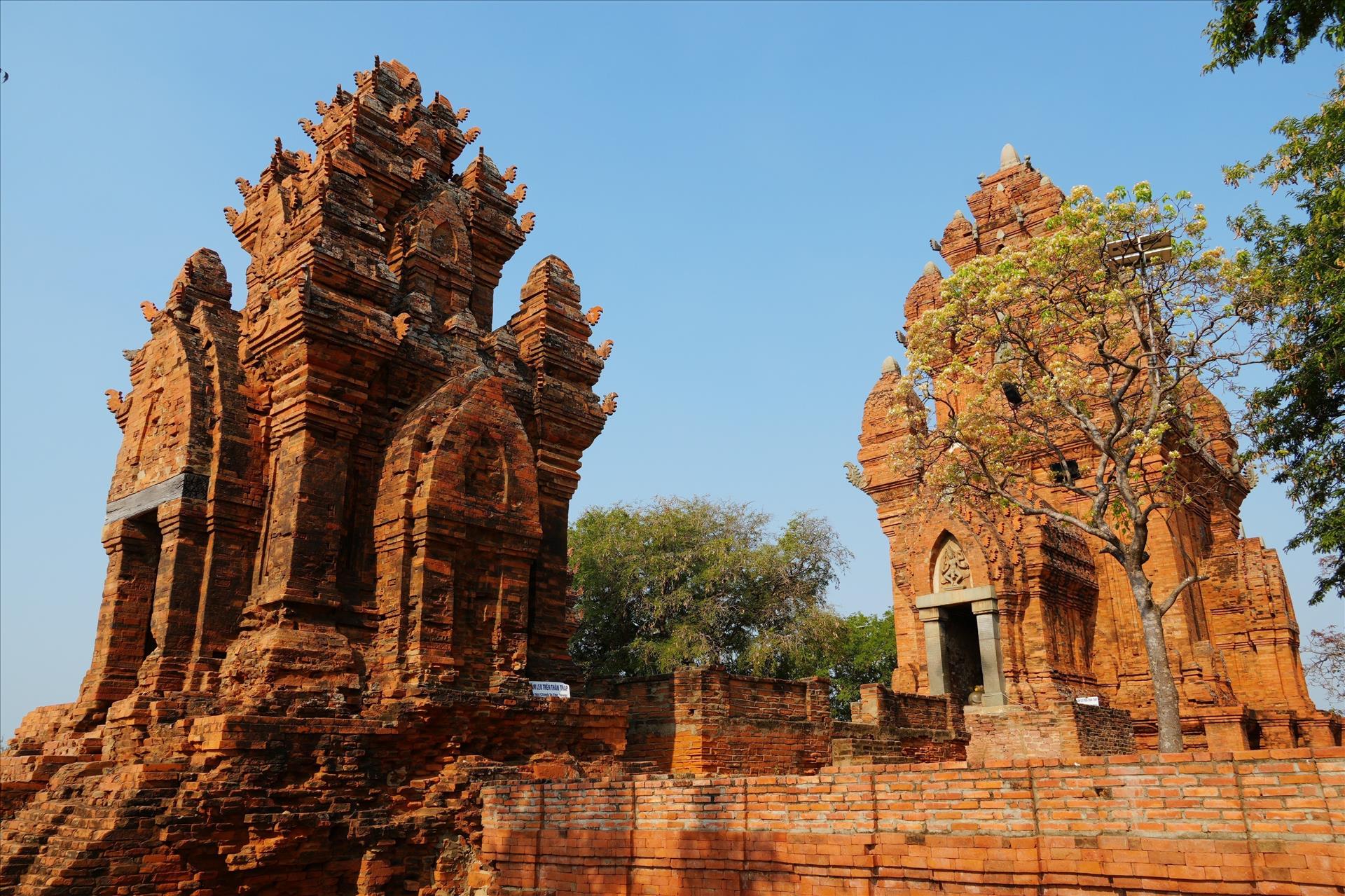
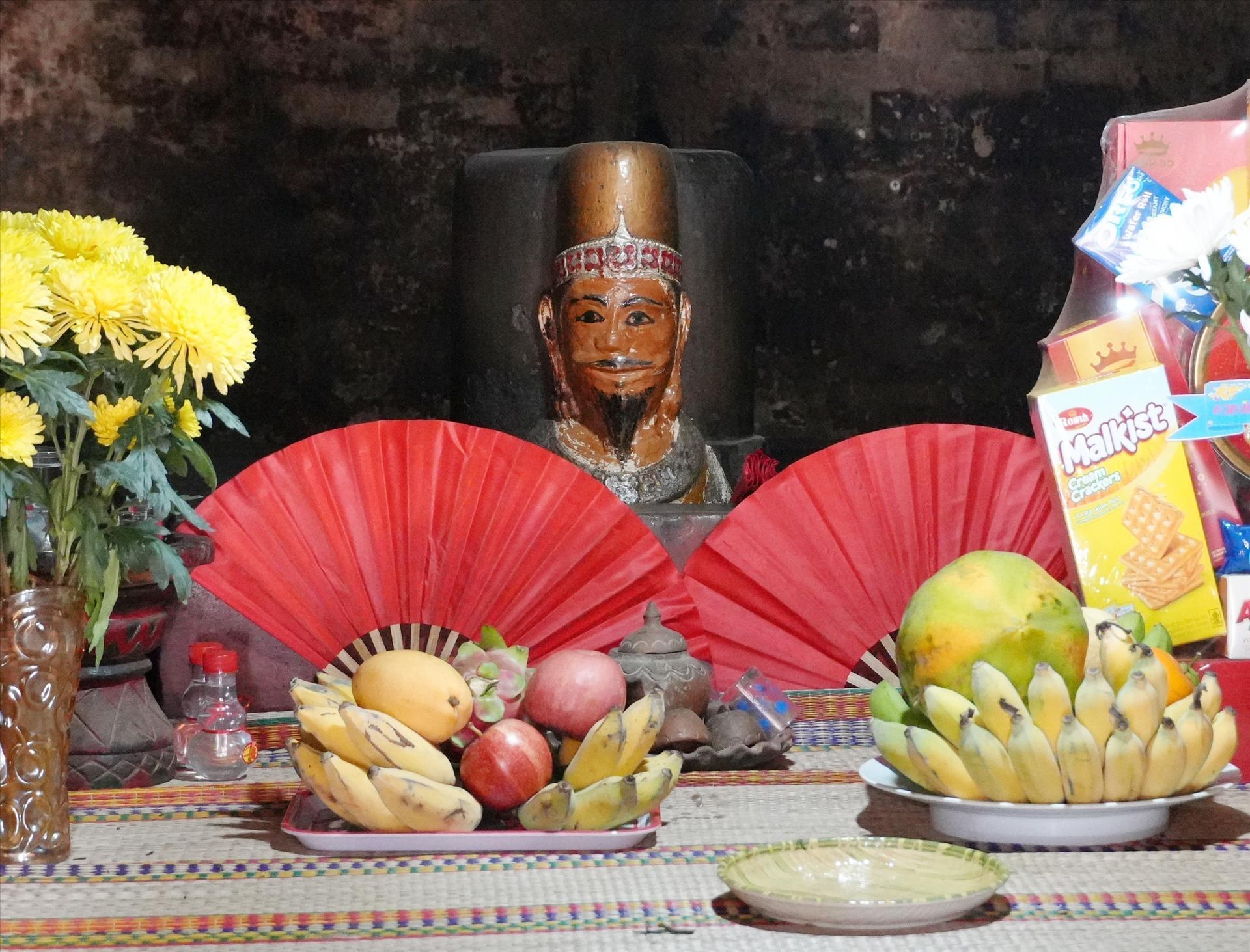
The architectural ensemble is a striking testament to Cham ingenuity. At its heart rises the Main Tower, where a statue of the king is enshrined. To the east stands the Gate Tower, marking the ceremonial entrance, while to the south sits the Fire God Tower, distinguished by its unique boat-shaped roof. All structures are constructed from finely fired red bricks, assembled using techniques that remain a subject of fascination for historians and architects alike due to their precision and durability without visible mortar.
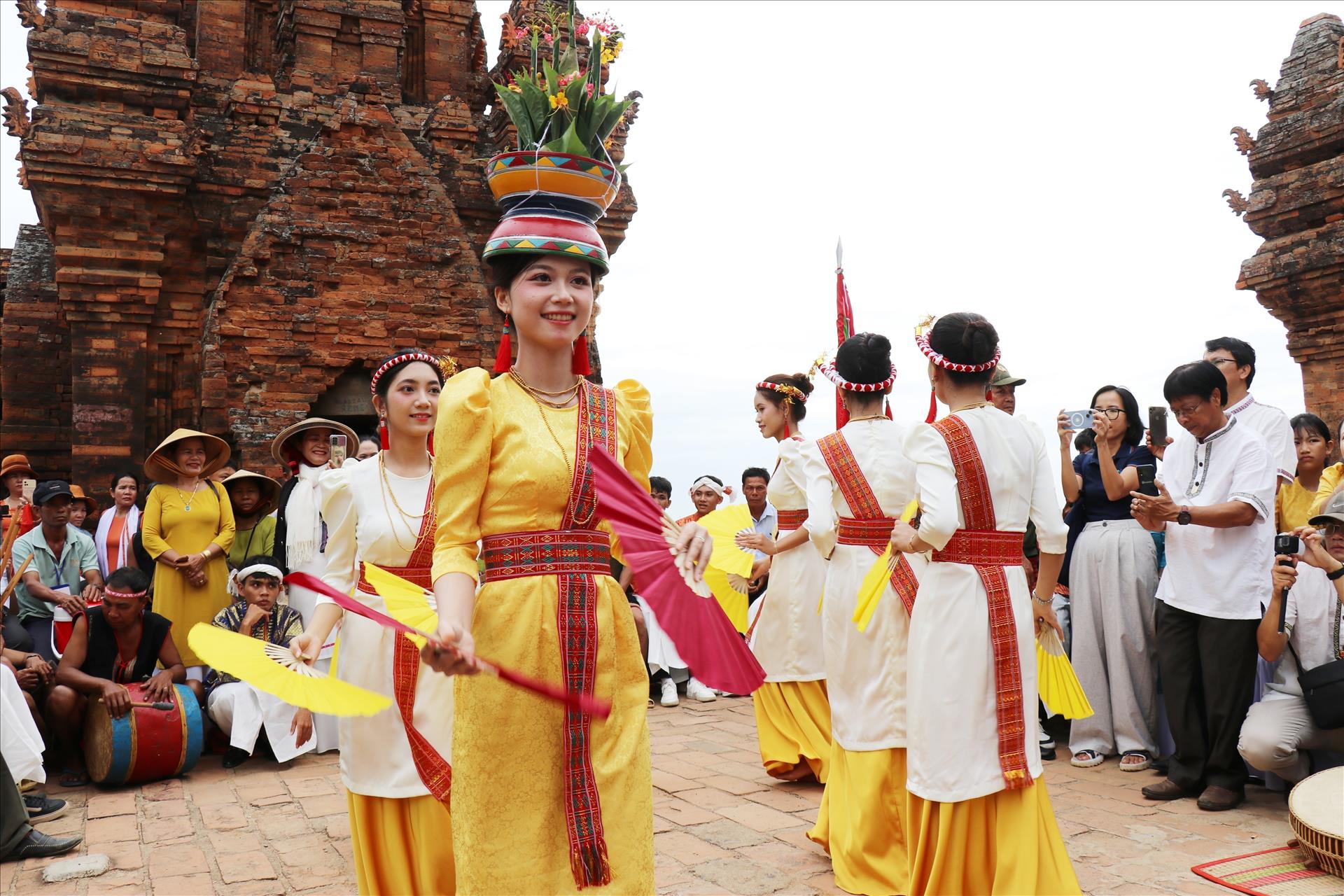
Beyond its historical and architectural significance, the site comes alive during traditional Cham festivals, when rituals, music, and dance transform the towers into a vibrant cultural stage. This seamless blend of heritage and living tradition makes Po Klong Garai Tower not only a monument of the past but also a dynamic destination, offering visitors a deeper understanding of the Cham people’s enduring identity.