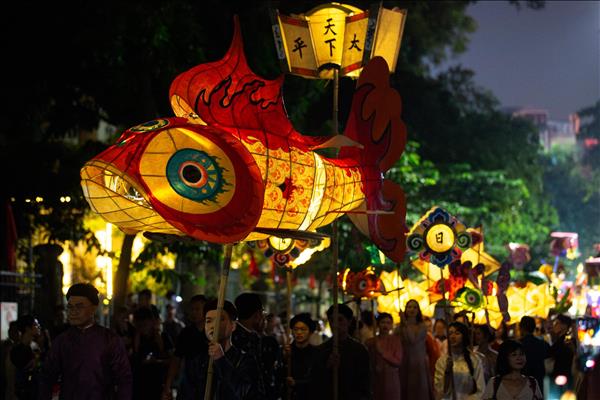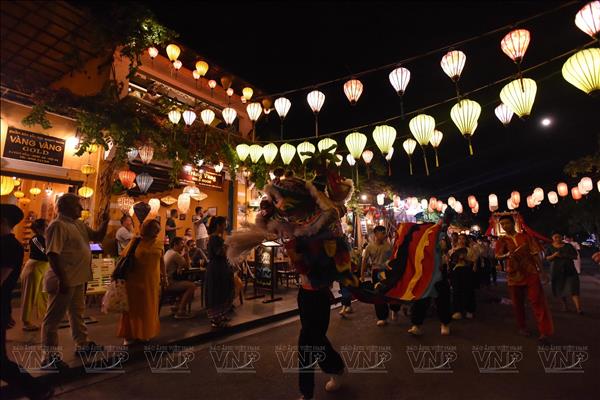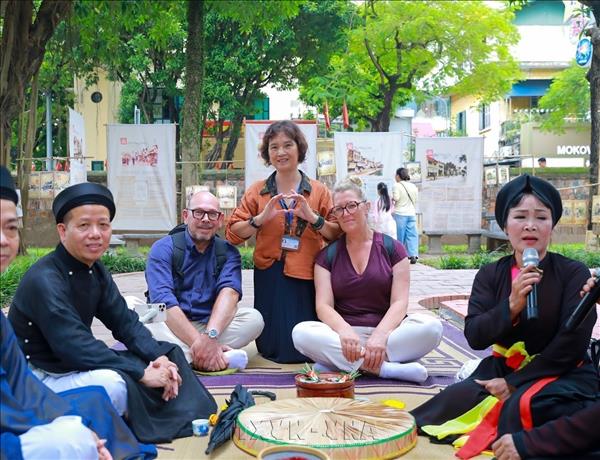
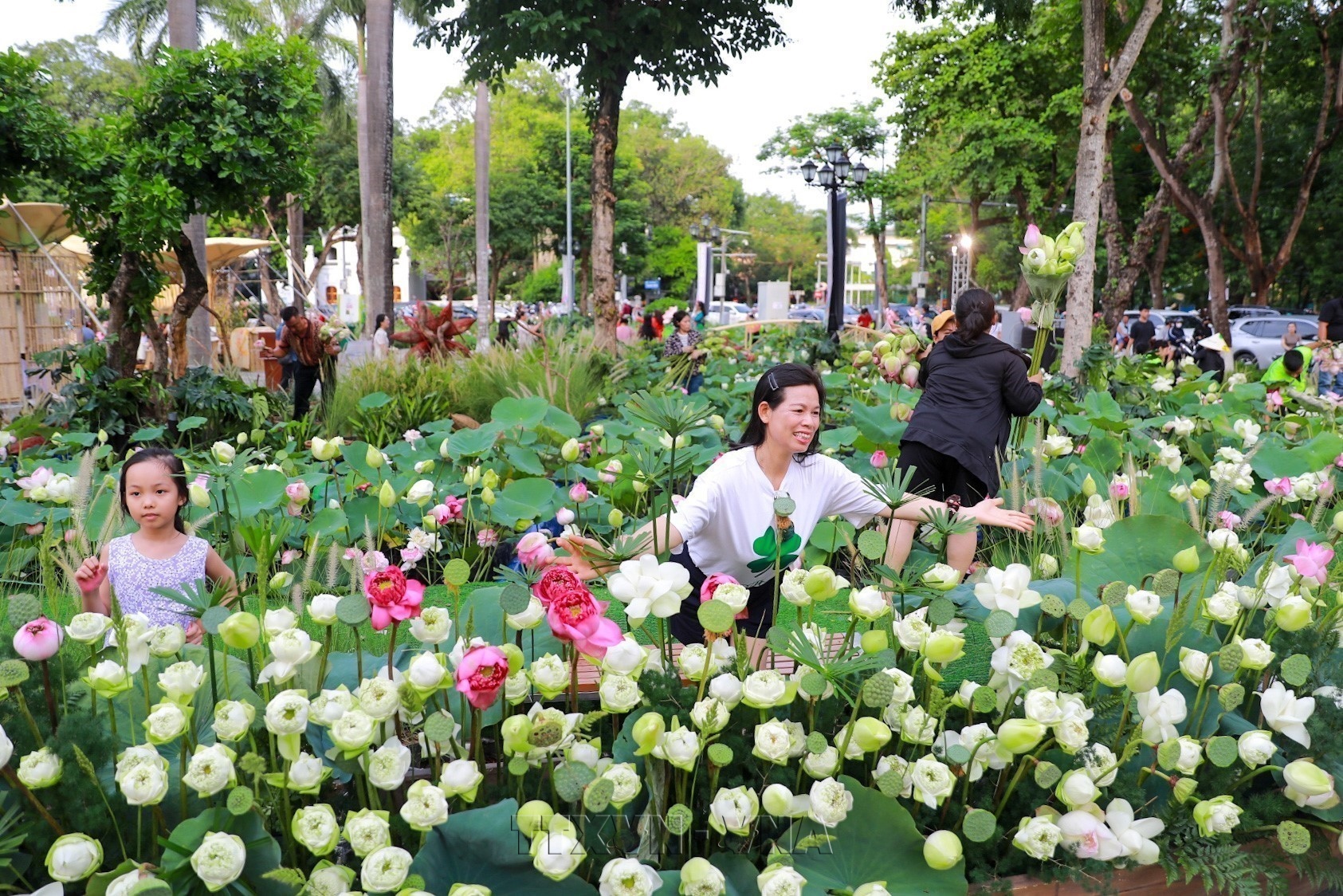
Held from June 26 to 28 around West Lake, the festival featured a vibrant programme of cultural performances, exhibitions, hands-on experiences and tourism promotion activities, helping showcase Hanoi as a safe, friendly and culturally rich destination.
Speaking at the closing ceremony on June 28, Deputy Director of the Hanoi Department of Tourism Tran Trung Hieu said the festival has become a cultural and tourism highlight of the capital, contributing to the preservation of local heritage and the promotion of Hanoi's image.
He noted that this year's event was especially meaningful as the Quang An lotus-scented tea infusion was officially inscribed on the list of national intangible cultural heritage, while the West Lake and surrounding area was recognised as a new city-level tourism zone. The two milestones, he said, will help unlock new opportunities for cultural tourism and support Hanoi's ambition to make tourism a key economic sector.

According to organisers, visitors explored festival venues at Ly Tu Trong Flower Garden as well as cultural and tourism spaces across Tay Ho ward and 16 other lotus-growing communes and wards throughout the city.
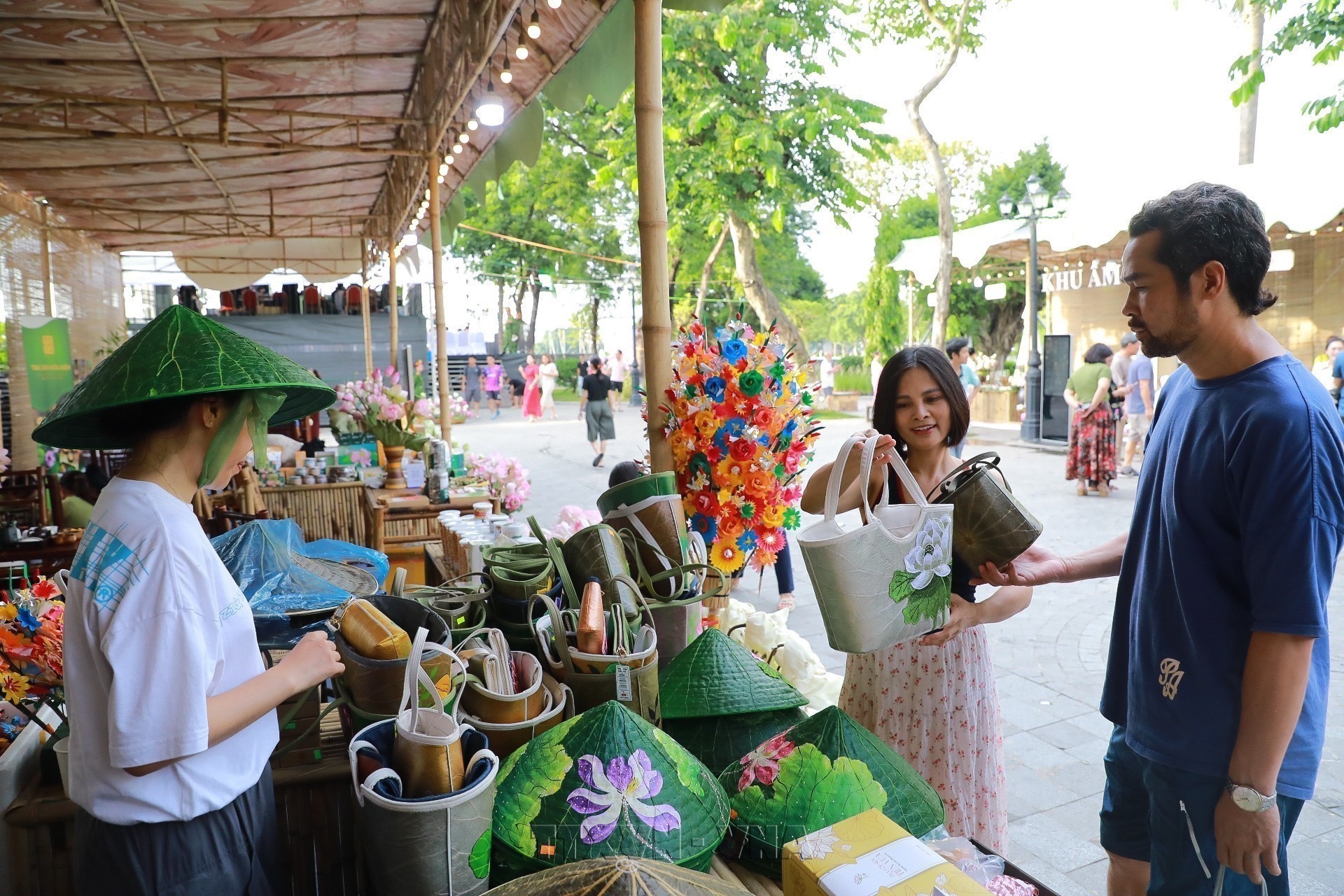
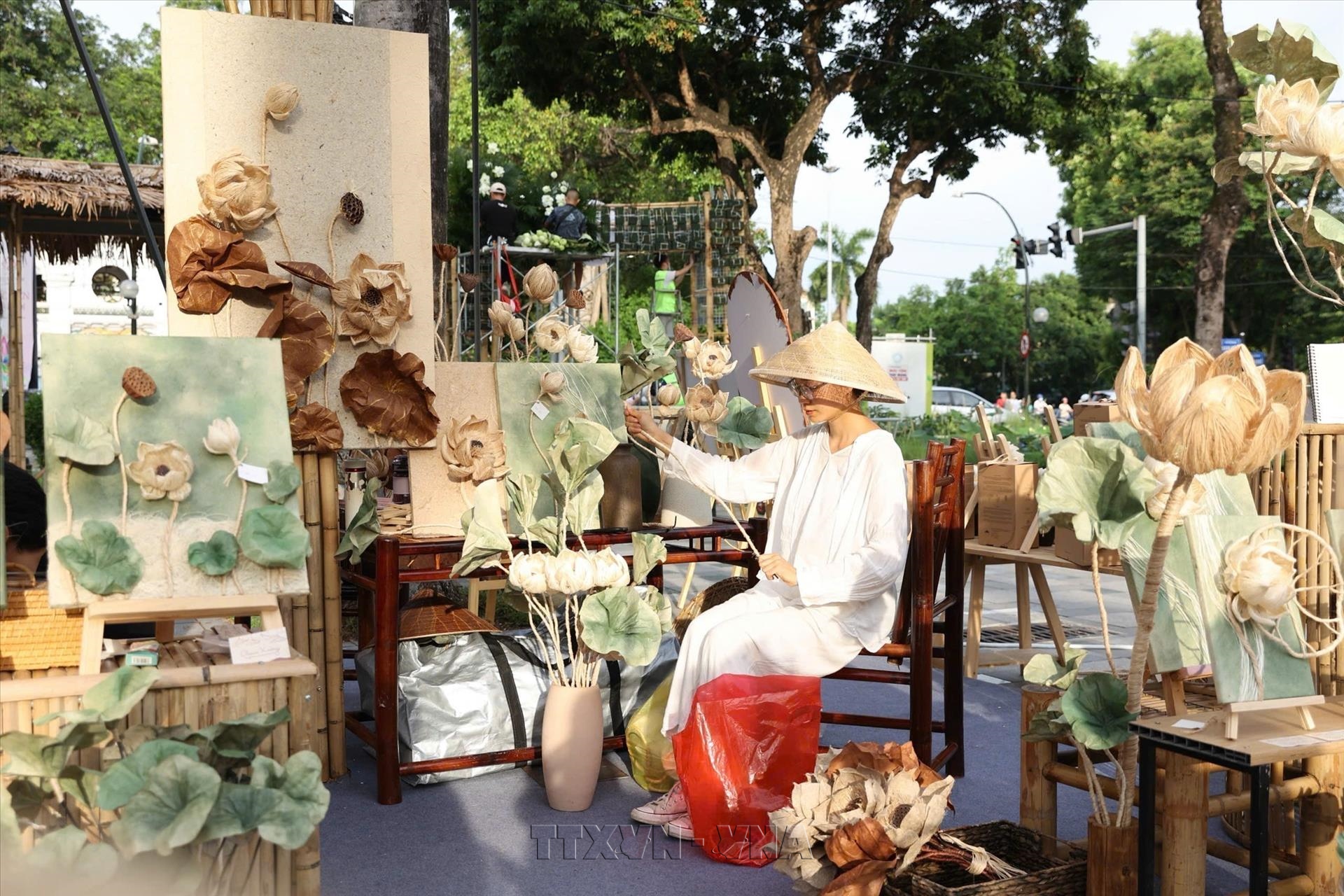
A highlight was the exhibition themed "Lotus – Essence and Life", which showcased "One Commune, One Product" (OCOP) specialties, lotus-scented tea, lotus silk and traditional handicrafts from Hanoi and other localities. Aside from lotus-growing areas of Hanoi like West Lake, Ung Hoa, Gia Lam, Long Bien and Doai Phuong, it also introduced famous regions nationwide, including Hue, Nghe An and Dong Thap, highlighting the flower's cultural, economic and tourism value.
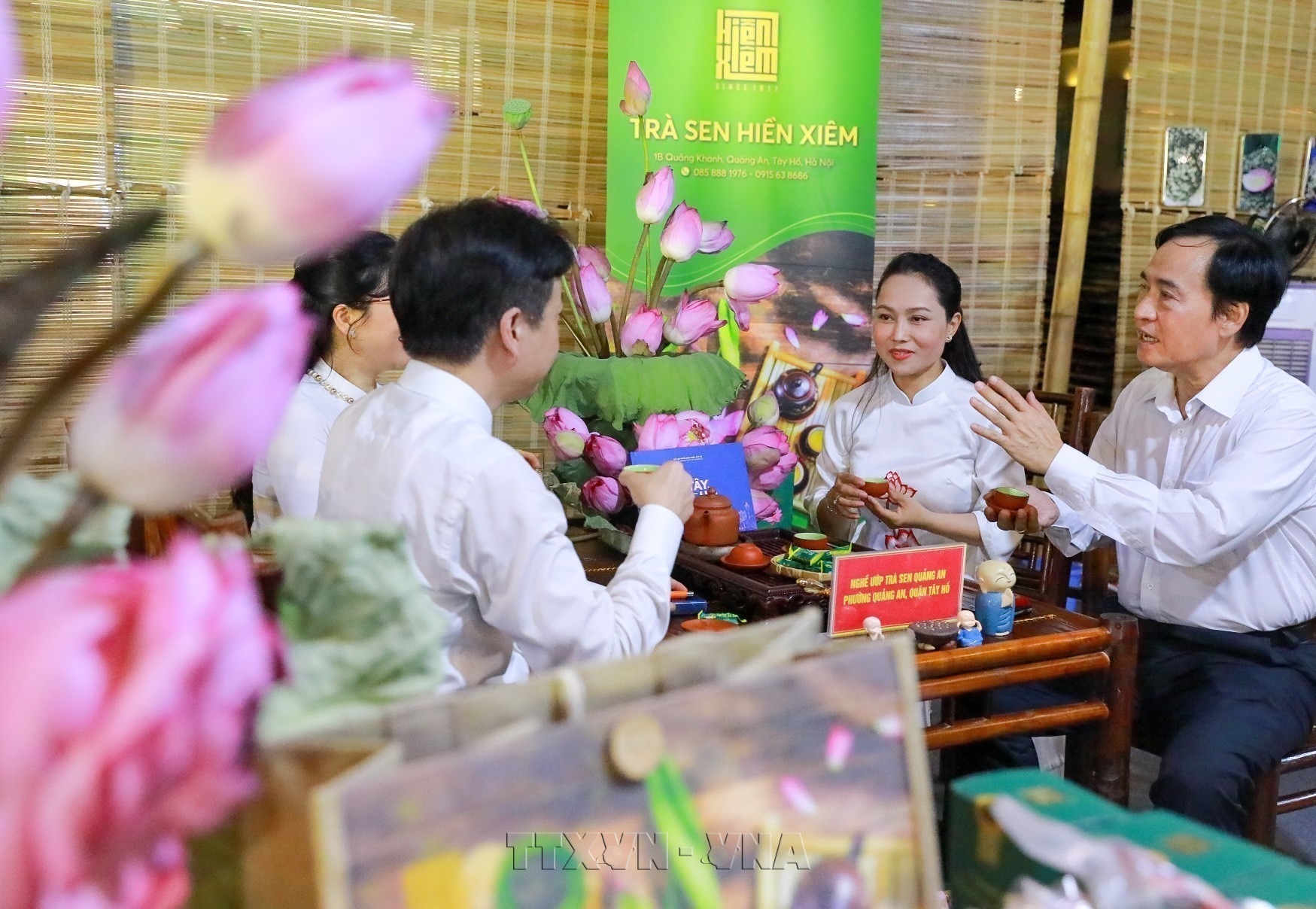
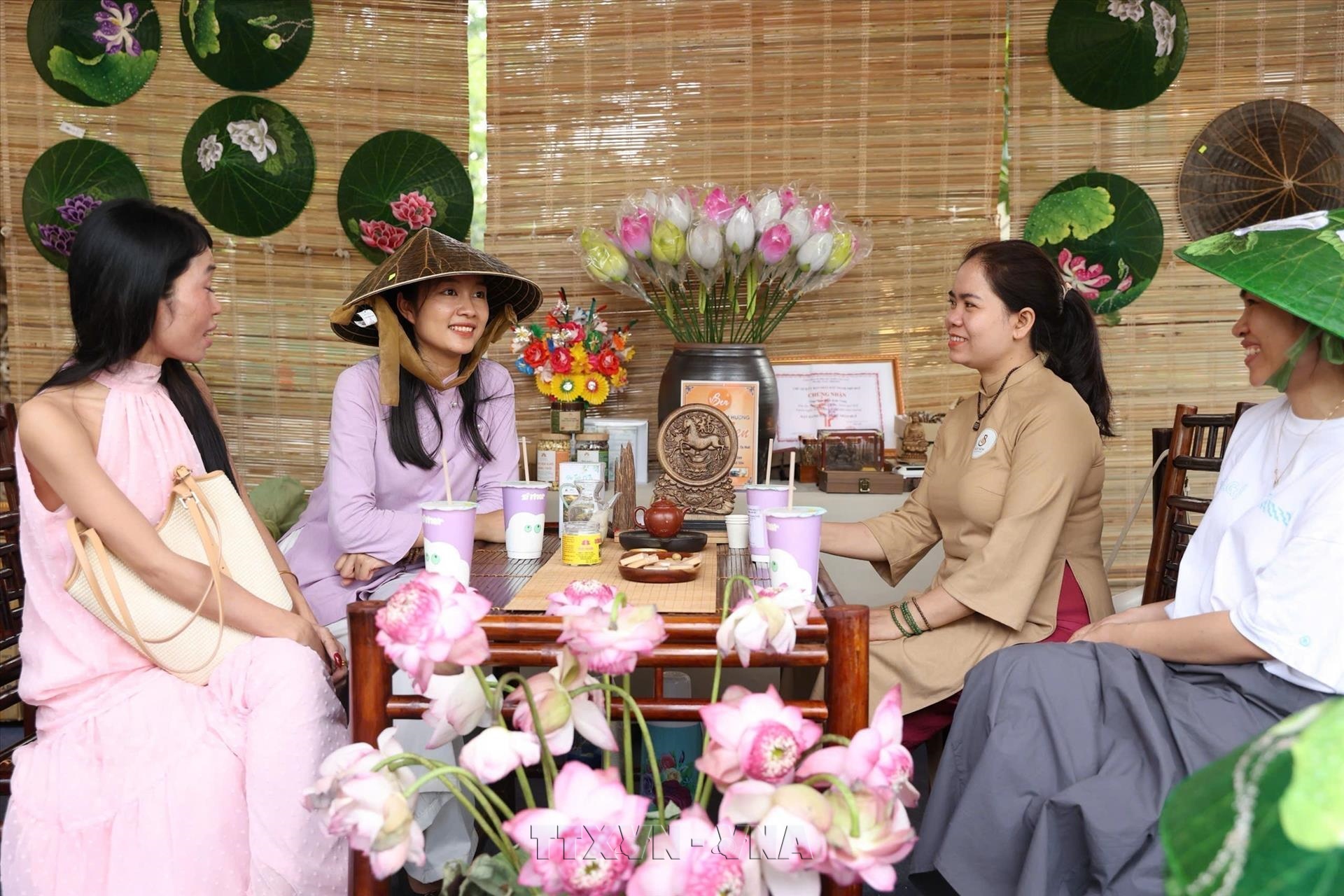
This year's festival also embraced digital technology. Information on the history, culture and artistic significance of the lotus was presented through interactive digital displays, offering visitors a more engaging experience.
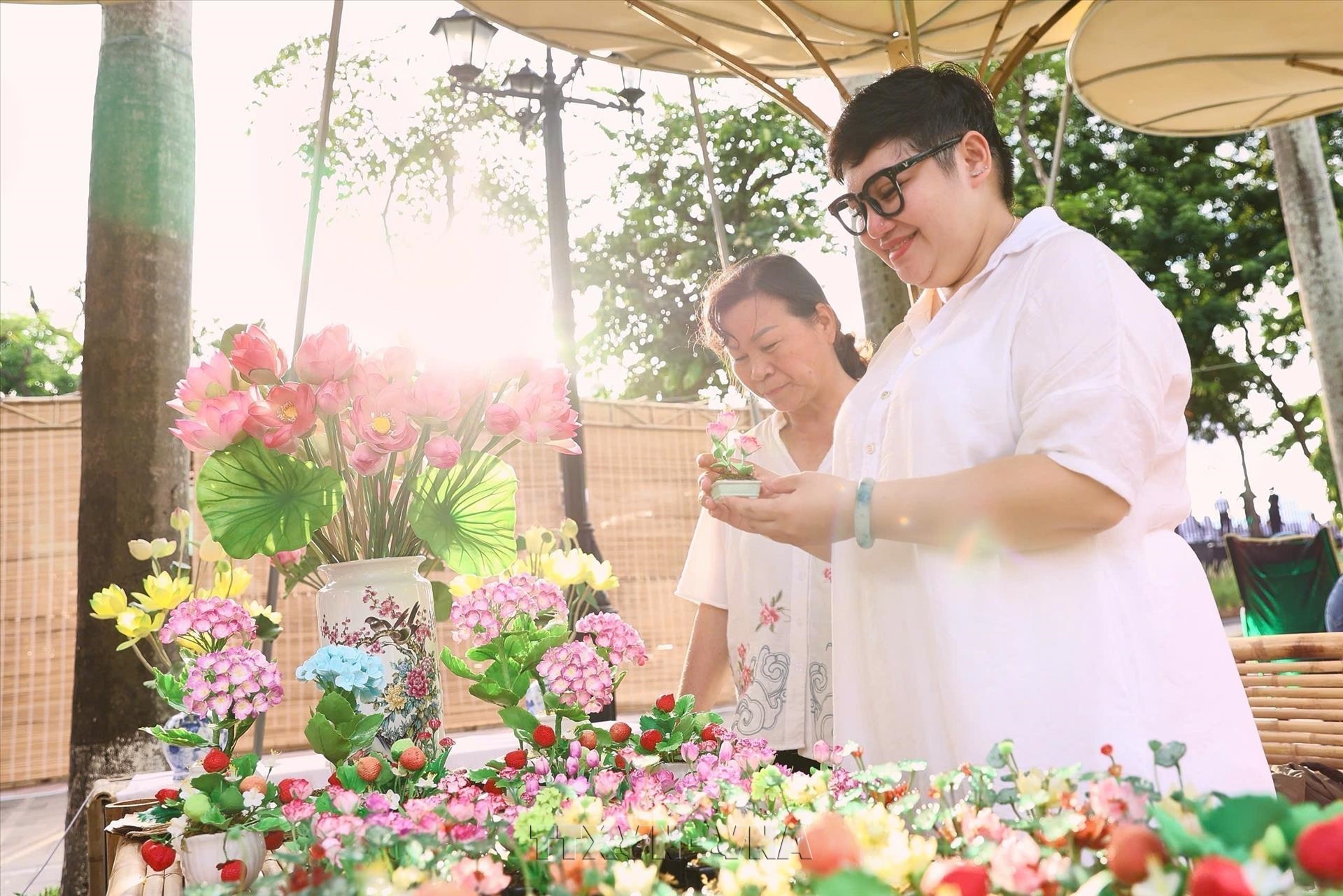
The "Lotus – Art and Creativity" space proved particularly popular with young people. Meanwhile, the "Moments of the West Lake Lotus" painting contest attracted around 500 children, including nearly 100 international participants. Visitors also enjoyed traditional craft workshops featuring lotus-scented tea making, lotus silk weaving, flower arrangement, handicraft production and lacquer painting.
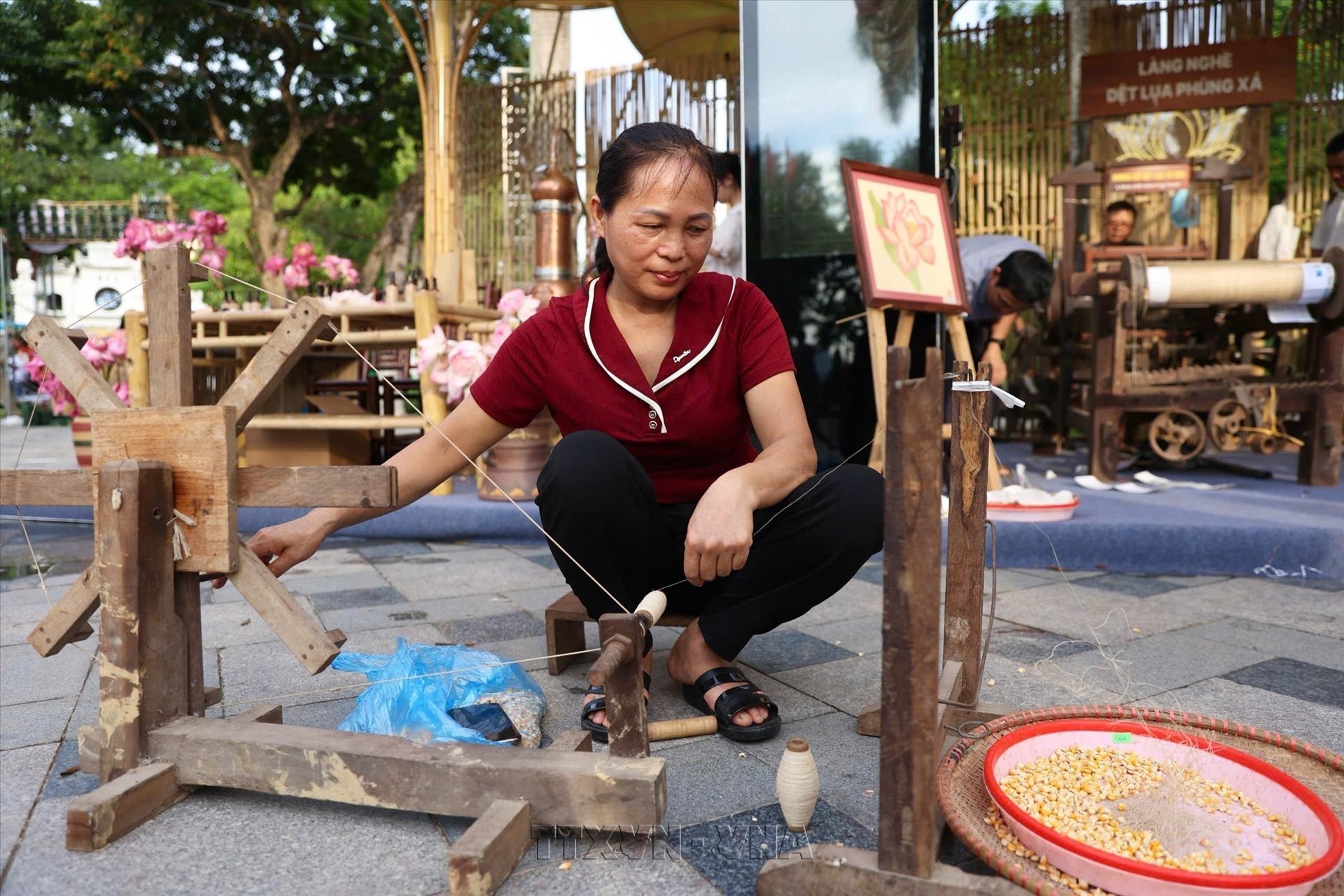
One of the festival's biggest attractions was the parade on June 27, featuring more than 2,000 participants dressed in lotus-patterned “ao dai”. The event set a Vietnam record for the country's largest artistic parade and human formation involving participants wearing lotus-themed “ao dai”, celebrating the country's iconic flower, traditional costume and cultural values.
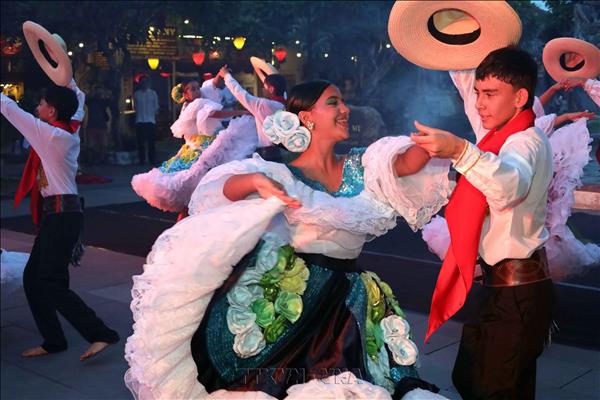
The festival concluded with the "Vietnamese Lotus" musical programme, performed by 300 artists and performers, while a range of photography exhibitions, lotus-scented tea experiences, folk performances and West Lake tourism activities added to the festive atmosphere.
The success of the Hanoi Lotus Festival 2026, expected to become an annual event, underscores the city's commitment to promoting local cultural heritage alongside tourism, cultural industries and the creative economy while strengthening Hanoi's reputation as a safe, friendly and attractive destination./.