In the News
ASEAN Future Forum underscores Vietnam’s proactive role in shaping bloc’s future: Ambassador
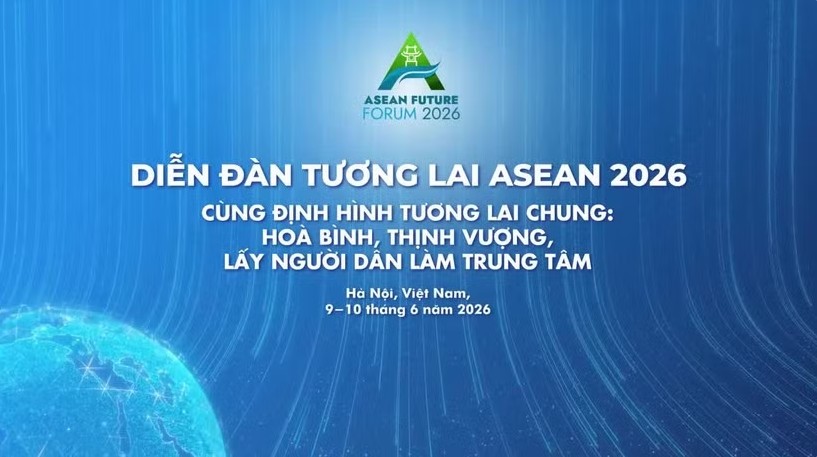
In an interview granted to the Vietnam News Agency (VNA) on the thresholds of the event, which is scheduled to take place in Hanoi on June 9–10, Huong highlighted the significance of this year’s forum and its expected contributions to ASEAN’s future development.
Regarding the theme of the AFF 2026, held during the first year of implementing the ASEAN Community Vision 2045, the ambassador noted that the AFF is an initiative proposed and launched by the Vietnamese Government in 2024. Under the theme “Shaping a Shared Future Together: Peace, Prosperity and People-Centred Development,” this year’s forum aims to provide fresh perspectives and practical policy recommendations, and concreate policies to support the implementation of the ASEAN Community Vision 2045.
The theme closely aligns with the theme outlined in the ASEAN Community Vision 2045 and reflects ASEAN's cooperation priorities across its three pillars: politics – security, economics, and socio-culture.
She said discussions at the forum will be both inclusive and action-oriented, focusing on issues such as resilience, conflict prevention, artificial intelligence, energy security, and new development models. The event will also feature a range of activities, including a dialogue among political parties from Southeast Asian countries, a conference of ASEAN city leaders, a roundtable discussion on the Mekong sub-region, and a Southeast Asian youth roundtable on AI governance.
These activities are designed to reflect the spirit of the forum’s theme while addressing practical cooperation needs that support the implementation of the ASEAN Community Vision 2045. With participation from representatives of governments, academics, businesses, youth, and other stakeholders across the region, the forum seeks to advance a comprehensive, inclusive, and people-centred development vision. The outcomes are expected to provide meaningful support for the bloc’s development priorities in the coming period.
Huong stressed that the AFF 2026 aims to elevate the quality of discussions beyond identifying challenges to explore concrete ways for ASEAN to strengthen resilience, innovate growth models, seize opportunities presented by emerging technologies, and ensure that governments, businesses, experts, communities, and young people all contribute to shaping the region’s future.
In response to a question about how the AFF 2026 can contribute to strengthening ASEAN’s centrality, solidarity, and resilience amid intensifying strategic competition and geopolitical uncertainties, as well as internal issues, the diplomat said these challenges require the bloc to maintain its centrality in the regional architecture, preserve intra-bloc solidarity, and strengthen its autonomy, resilience, and capacity to withstand external shocks.
She noted that these concerns are reflected throughout the AFF 2026 agenda, which includes discussions on resilience and solidarity in a changing world; ASEAN initiatives on conflict prevention, development models amid global transformation, energy security, and the application of AI. As an open and inclusive platform addressing strategic challenges facing ASEAN and the wider region, the forum is expected to generate innovative ideas and policy recommendations from diverse perspectives to help tackle these issues.
Through open exchanges and discussions involving leaders, policymakers, renowned experts, and leaders from businesses, participants are expected to propose concrete measures to enhance ASEAN’s resilience, particularly in ensuring energy security and maintaining solidarity amid rising tensions. They are also set to explore new tools, mechanisms, and cooperation frameworks that will enable ASEAN to move from passive conflict management to proactive conflict resolution while leveraging partnerships to advance regional conflict-prevention efforts.
The forum will further examine traditional development models and identify new approaches that ASEAN economies may need to adopt in order to make a breakthrough and advance to a higher level of development, according to the ambassador.
Huong said recommendations at the AFF 2026 will be submitted to the ASEAN Coordinating Council, the 59th ASEAN Foreign Ministers’ Meeting, and the 49th ASEAN Summit for reference and consideration. They are expected to complement ASEAN’s formal policymaking processes and support the bloc’s long-term objectives.
Commenting on international perceptions of Vietnam’s initiative, now in its third consecutive year, the diplomat said the forum has received positive feedback from ASEAN member states and international partners following its first two editions.
The AFF has been widely recognised as a forum “by ASEAN and for ASEAN,” creating a new, open, and flexible space for dialogue that encourages multidimensional interaction, focusing on future-oriented issues, ASEAN’s long-term development trajectory, and strategic challenges affecting the region, rather than solely addressing immediate crises.
With its diverse range of participants, the forum has created additional opportunities for people to engage more deeply with ASEAN processes while helping partners and friends better understand the organisation and strengthen substantive and comprehensive cooperation with the bloc, Huong went on.
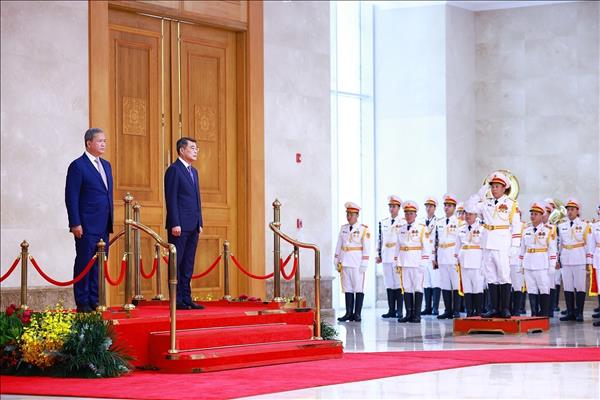
ASEAN countries and international partners have positively valued the role of the forum, she said, noting that previous editions featured keynote addresses by prominent leaders of ASEAN member states, including the Prime Ministers of Laos and Malaysia, as well as leaders from partner countries such as the Prime Minister of New Zealand and the Secretary-General of the United Nations. This year’s event is expected to welcome the Prime Ministers of Laos, Cambodia, and Timor-Leste, along with many other high-ranking leaders and officials.
According to Huong, the AFF has emerged as a notable diplomatic initiative that reflects Vietnam’s proactive role in ASEAN, marking its transition from participating in regional discussions to helping shape the bloc’s strategic agenda. It contributes to strengthening ASEAN’s central role and promoting regional dialogue amid intensifying geopolitical competition.
The ASEAN Secretary-General once remarked that the AFF is gradually building its reputation and establishing itself as a distinctive brand and a highly useful platform for exchanges, practically contributing to policymaking processes, advancing cooperation, and reinforcing ASEAN’s centrality. Through this initiative, Vietnam’s position, role, and contributions over its 30 years of ASEAN membership have been increasingly recognised and highly appreciated./.
Regarding the theme of the AFF 2026, held during the first year of implementing the ASEAN Community Vision 2045, the ambassador noted that the AFF is an initiative proposed and launched by the Vietnamese Government in 2024. Under the theme “Shaping a Shared Future Together: Peace, Prosperity and People-Centred Development,” this year’s forum aims to provide fresh perspectives and practical policy recommendations, and concreate policies to support the implementation of the ASEAN Community Vision 2045.
The theme closely aligns with the theme outlined in the ASEAN Community Vision 2045 and reflects ASEAN's cooperation priorities across its three pillars: politics – security, economics, and socio-culture.
She said discussions at the forum will be both inclusive and action-oriented, focusing on issues such as resilience, conflict prevention, artificial intelligence, energy security, and new development models. The event will also feature a range of activities, including a dialogue among political parties from Southeast Asian countries, a conference of ASEAN city leaders, a roundtable discussion on the Mekong sub-region, and a Southeast Asian youth roundtable on AI governance.
These activities are designed to reflect the spirit of the forum’s theme while addressing practical cooperation needs that support the implementation of the ASEAN Community Vision 2045. With participation from representatives of governments, academics, businesses, youth, and other stakeholders across the region, the forum seeks to advance a comprehensive, inclusive, and people-centred development vision. The outcomes are expected to provide meaningful support for the bloc’s development priorities in the coming period.
Huong stressed that the AFF 2026 aims to elevate the quality of discussions beyond identifying challenges to explore concrete ways for ASEAN to strengthen resilience, innovate growth models, seize opportunities presented by emerging technologies, and ensure that governments, businesses, experts, communities, and young people all contribute to shaping the region’s future.
In response to a question about how the AFF 2026 can contribute to strengthening ASEAN’s centrality, solidarity, and resilience amid intensifying strategic competition and geopolitical uncertainties, as well as internal issues, the diplomat said these challenges require the bloc to maintain its centrality in the regional architecture, preserve intra-bloc solidarity, and strengthen its autonomy, resilience, and capacity to withstand external shocks.
She noted that these concerns are reflected throughout the AFF 2026 agenda, which includes discussions on resilience and solidarity in a changing world; ASEAN initiatives on conflict prevention, development models amid global transformation, energy security, and the application of AI. As an open and inclusive platform addressing strategic challenges facing ASEAN and the wider region, the forum is expected to generate innovative ideas and policy recommendations from diverse perspectives to help tackle these issues.
Through open exchanges and discussions involving leaders, policymakers, renowned experts, and leaders from businesses, participants are expected to propose concrete measures to enhance ASEAN’s resilience, particularly in ensuring energy security and maintaining solidarity amid rising tensions. They are also set to explore new tools, mechanisms, and cooperation frameworks that will enable ASEAN to move from passive conflict management to proactive conflict resolution while leveraging partnerships to advance regional conflict-prevention efforts.
The forum will further examine traditional development models and identify new approaches that ASEAN economies may need to adopt in order to make a breakthrough and advance to a higher level of development, according to the ambassador.
Huong said recommendations at the AFF 2026 will be submitted to the ASEAN Coordinating Council, the 59th ASEAN Foreign Ministers’ Meeting, and the 49th ASEAN Summit for reference and consideration. They are expected to complement ASEAN’s formal policymaking processes and support the bloc’s long-term objectives.
Commenting on international perceptions of Vietnam’s initiative, now in its third consecutive year, the diplomat said the forum has received positive feedback from ASEAN member states and international partners following its first two editions.
The AFF has been widely recognised as a forum “by ASEAN and for ASEAN,” creating a new, open, and flexible space for dialogue that encourages multidimensional interaction, focusing on future-oriented issues, ASEAN’s long-term development trajectory, and strategic challenges affecting the region, rather than solely addressing immediate crises.
With its diverse range of participants, the forum has created additional opportunities for people to engage more deeply with ASEAN processes while helping partners and friends better understand the organisation and strengthen substantive and comprehensive cooperation with the bloc, Huong went on.
ASEAN countries and international partners have positively valued the role of the forum, she said, noting that previous editions featured keynote addresses by prominent leaders of ASEAN member states, including the Prime Ministers of Laos and Malaysia, as well as leaders from partner countries such as the Prime Minister of New Zealand and the Secretary-General of the United Nations. This year’s event is expected to welcome the Prime Ministers of Laos, Cambodia, and Timor-Leste, along with many other high-ranking leaders and officials.
According to Huong, the AFF has emerged as a notable diplomatic initiative that reflects Vietnam’s proactive role in ASEAN, marking its transition from participating in regional discussions to helping shape the bloc’s strategic agenda. It contributes to strengthening ASEAN’s central role and promoting regional dialogue amid intensifying geopolitical competition.
The ASEAN Secretary-General once remarked that the AFF is gradually building its reputation and establishing itself as a distinctive brand and a highly useful platform for exchanges, practically contributing to policymaking processes, advancing cooperation, and reinforcing ASEAN’s centrality. Through this initiative, Vietnam’s position, role, and contributions over its 30 years of ASEAN membership have been increasingly recognised and highly appreciated./.
VNA/VNP