Expanding air connectivity and tapping potential markets
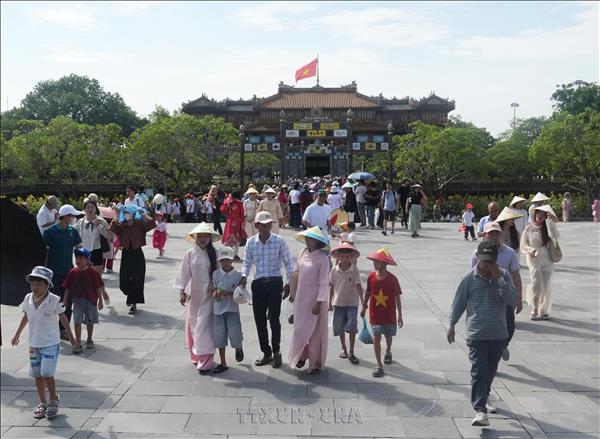
In the first 10 months, Vietnam welcomed approximately 19.5 million international visitors, equivalent to 78% of its annual target. To reach the goal, the country needs to attract an additional 5.5 million visitors in the remaining period.
The Ministry of Culture, Sports and Tourism has asked localities to review their targets, adjust growth plans and focus on promising nearby markets, including Northeast Asia, Southeast Asia, India and the broader Asia-Pacific region.
Shopping combined with night-time tourism is also being promoted to encourage longer stays and higher spending. China remained Vietnam’s largest source market, with nearly 4.4 million arrivals, accounting for 22.6% of international visitors in the 10-month period.
Businesses are expanding direct air connections and developing tourism packages to tap two-way travel demand. The Sunway-China complex, for example, aims to reduce intermediary costs while offering Shanghai tours to Vietnamese travellers and bringing visitors from major Chinese cities to Phu Quoc, Ho Chi Minh City, Da Nang and Ha Long.
Nguyen Minh Man, Deputy General Director of VinaGroup Travel, said improved air connectivity, major shopping discount programmes and value-added tax refunds are enhancing the appeal of destinations such as Ho Chi Minh City and Hanoi.
Well-developed night-time tourism products are also encouraging international visitors to extend their stays and spend more on entertainment, dining and branded goods, he noted.
Diversifying products to attract visitors
Destinations nationwide are also introducing new products and strengthening regional tourism links ahead of the year-end peak season.
In Mui Ne, Lam Dong province, The Anam resort has launched the Windswept Adrenaline adventure tour, turning the Northeast monsoon season from November 2026 to March 2027 into a tourism attraction. Activities include Jeep rides along Hon Rom beach, kitesurfing lessons and sunset dining.
The Northern coastal cities of Hai Phong and Quang Ninh have proposed the “Two localities, one destination” initiative, linking the historic port city of Hai Phong with Ha Long Bay, Cat Ba and Yen Tu to attract international film crews.
Hanoi, meanwhile, has also introduced 23 new products for Christmas and New Year, featuring railway journeys, heritage and culinary tours, night-time experiences and wellness activities.
Ho Chi Minh City is stepping up efforts to develop its night-time economy in central areas such as Ben Thanh, Sai Gon, Cho Lon and Phu Nhuan. Offerings include helicopter tours, dinner cruises with live music and fireworks along the Sai Gon River, while Vung Tau is promoting sunset cruises and evening culinary experiences.
In Con Dao Special Zone, eco-tourism activities associated with sea turtle conservation, hatchling releases and coral planting are attracting visitors.
Pham Huy Binh, Director of the Ho Chi Minh City Department of Tourism, said year-end activities aim to stimulate tourism spending while gradually positioning the city as a regional destination for tourism, shopping and round-the-clock entertainment./.