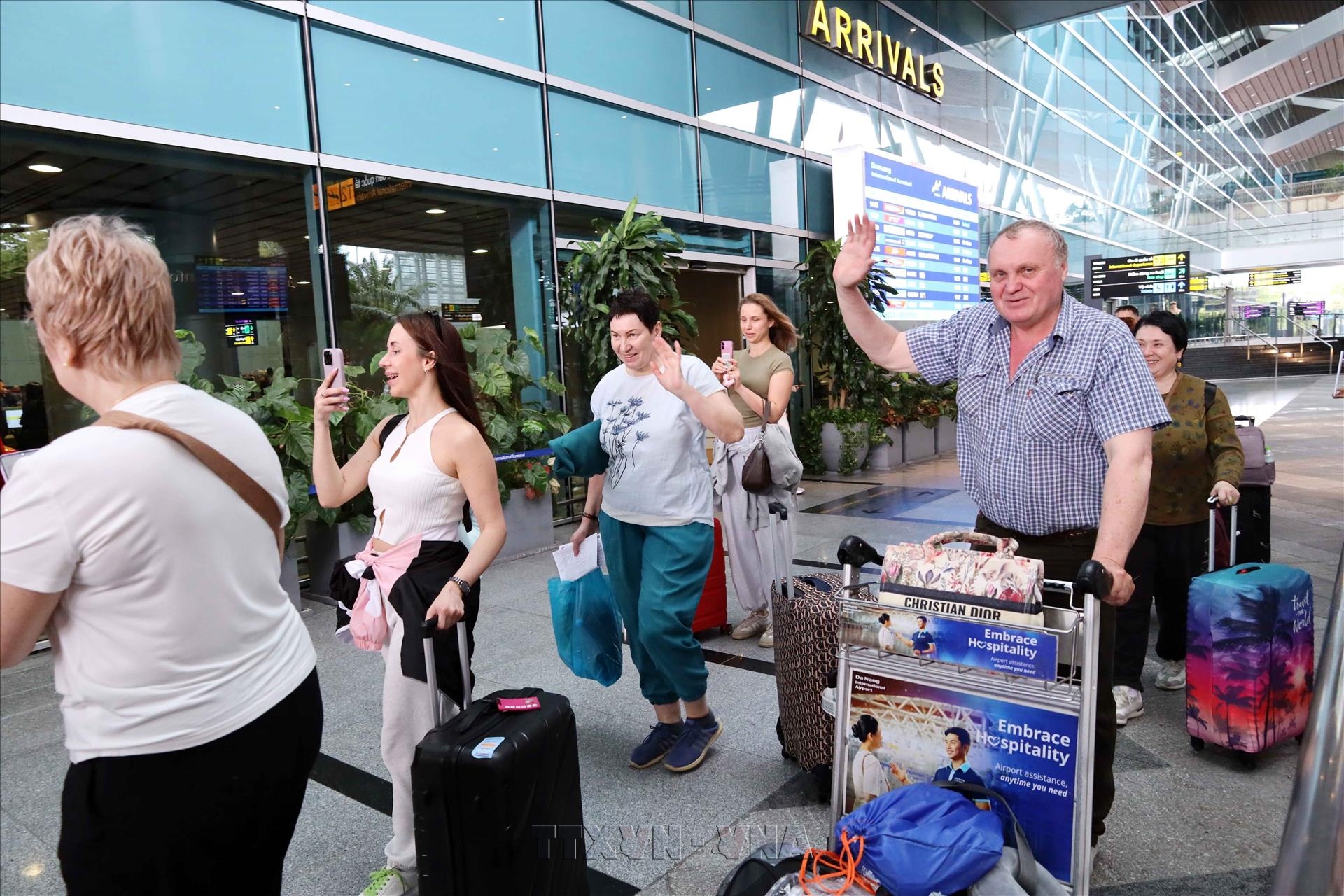
However, experts say that to turn these advantages into high-value tourist arrivals, tourism promotion needs to move beyond fragmented activities towards large-scale, long-term campaigns tailored to target markets and closely linked to actual visitor experiences.
With a target of welcoming 45–50 million international visitors by 2030, Politburo Resolution No. 26-NQ/TW calls for more effective promotion of Vietnam’s tourism brand and a sustained presence in key markets. Tourism promotion is therefore no longer simply about participating in fairs, organising roadshows or producing promotional videos, but should become part of a destination competitiveness strategy.
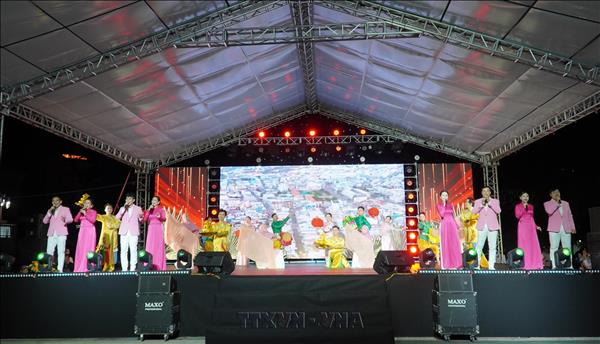
The resolution calls for stronger coordination among ministries, sectors and localities, while promoting the role of Vietnamese representative agencies, cultural centres and tourism ambassadors overseas. It also encourages the use of diplomatic events and Vietnamese cultural programmes abroad to promote tourism, as well as the establishment of tourism promotion offices in key and potential markets where appropriate.
The resolution also calls for a unified national tourism promotion programme with consistent and professional messages, linking tourism promotion with national image, investment and trade opportunities, cultural identity, heritage and people.
Tang Thong Nhan, Deputy Head of the Faculty of Tourism and Hospitality Management at Ho Chi Minh City University of Technology, said Vietnam already has a national tourism brand, logo, slogan and development orientation, but needs specific campaigns built around clear messages. Promoting too many products and experiences simultaneously could dilute the destination’s identity, he noted.
Experiences from regional destinations show the importance of turning media campaigns into actual travel demand. Earlier this year, the Tourism Authority of Thailand (TAT) launched its “Feel All the Feelings” campaign with artist Lisa as an Amazing Thailand Ambassador, connecting promotional content with specific destinations, cultural experiences and tourism services. By mid-September, TAT reported more than 448 million impressions and over 89.4 million TV commercial views.
Vu Nguyen Quan, Marketing Director of Klook Vietnam, said digital platforms, influencers and content creators are increasingly important in shaping international travellers’ choices. However, he stressed that promotional campaigns must be backed by quality infrastructure, services and human resources.
Meanwhile, Thong highlighted Vietnam’s potential in nature-based and culinary tourism. Its caves, mountains, beaches and islands offer distinctive experiences, while Vietnamese cuisine could further tap the high-end market by combining traditional dishes, local ingredients and cultural stories.
To achieve its 2030 tourism targets, Vietnam needs sustained, market-specific campaigns that clearly communicate what makes the country distinctive and, crucially, deliver experiences that match the image created by those campaigns./.