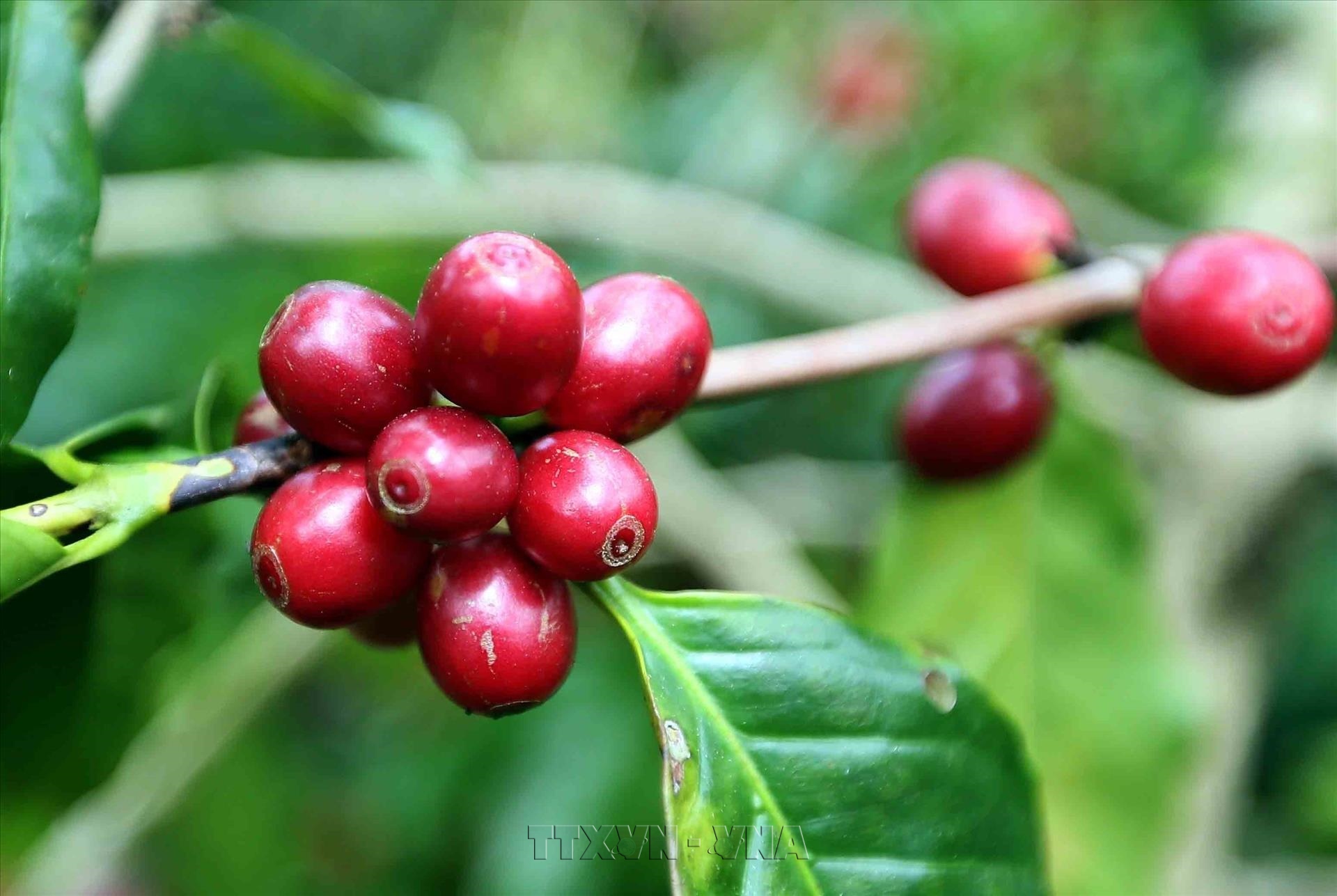
Vietnam’s coffee industry needs to shift from increasing export volume to raising product value through better quality, deeper processing and stronger branding as falling global prices have reduced export earnings despite higher volumes.
Vietnam exported about 1.4 million tonnes of coffee worth 6.54 billion USD in the first nine months of 2026, up 15.4% in volume but down 7.3% in value year-on-year. The average export price dropped 19.7% to 4,537.3 USD per tonne, according to the Ministry of Agriculture and Environment.
Germany, Italy and Japan remained the largest markets, accounting for 13.1%, 8.2% and 7.2%, respectively. Among Vietnam’s 15 largest markets, China recorded a 63.7% rise in export value, indicating room to expand the market and develop higher-value coffee products in Asia.
Nguyen Nam Hai, Chairman of the Vietnam Coffee Cocoa Association (VICOFA), attributed the decline in export value mainly to lower global prices after farmers in many producing countries expanded their growing areas and output during the three years of high prices.
VICOFA forecasts the export volume could increase 8–10% in 2026 compared to last year as supplies from the new crop are entering the market. However, higher volumes will not necessarily translate into higher earnings if coffee bean prices remain under pressure.
The association said processed coffee generated about 1.06 billion USD in export revenue during the first eight months of 2026, up 4.3%. Deeply processed coffee currently uses only 8–10% of raw materials but can account for 17–18% of export value, showing substantial room for value addition.
Businesses such as Intimex, Vinh Hiep and Phuc Sinh have increased investment in roasted and ground coffee, instant coffee, blending and their own brands. Demand for these products has also grown in markets including China.
Hai said deep processing still faces major barriers in capital and market access. An instant coffee plant with an annual capacity of about 3,000 tonnes could require investment of up to 30 million USD while businesses may hesitate to make large investments without sufficiently large markets.
He underlined the need for better access to affordable long-term capital and more trade promotion activities in new markets, particularly China and other Asian markets.
Le Duc Huy, Chairman of the Board of Directors of Simexco Dak Lak Co., Ltd., said the coffee industry should invest efforts in improving quality, accountability and branding, while strengthening links between producers and businesses to stabilise supplies and meet market requirements.
Compliance with the European Union Deforestation Regulation (EUDR) is also important to maintaining the European market, which increasingly demands supply-chain transparency. Vietnam has strengthened cooperation with the EU and developed a data system for origin traceability.
Acording to VICOFA, Vietnam needs to focus on exporting green coffee beans that meet EUDR criteria, particularly as compliance levels among some other producing countries remain low. At the same time, it should develop specialty and organic coffee lines as well as deeply processed products to serve the premium segment in Europe.
Thai Nhu Hiep, Chairman and General Director of Vinh Hiep Co., Ltd., said about 95% of coffee businesses are small- and micro-sized companies, and only around 5% are leading firms. Businesses therefore need to team up to build an ecosystem and value chains capable of reaching global markets.
Vinh Hiep currently works with more than 10,000 farming households, developing raw-material areas under 4C, Rainforest Alliance and organic standards. Its sustainable coffee production network generates more than 150,000 tonnes annually and exports to over 40 countries and territories, with Europe accounting for about 60%.
Hiep stressed that Vietnamese robusta should move beyond its role as a low-cost raw material to become a quality product with a strong brand. To do so, businesses need to create clean and transparent products, meet international standards, and compete on value rather than price./.