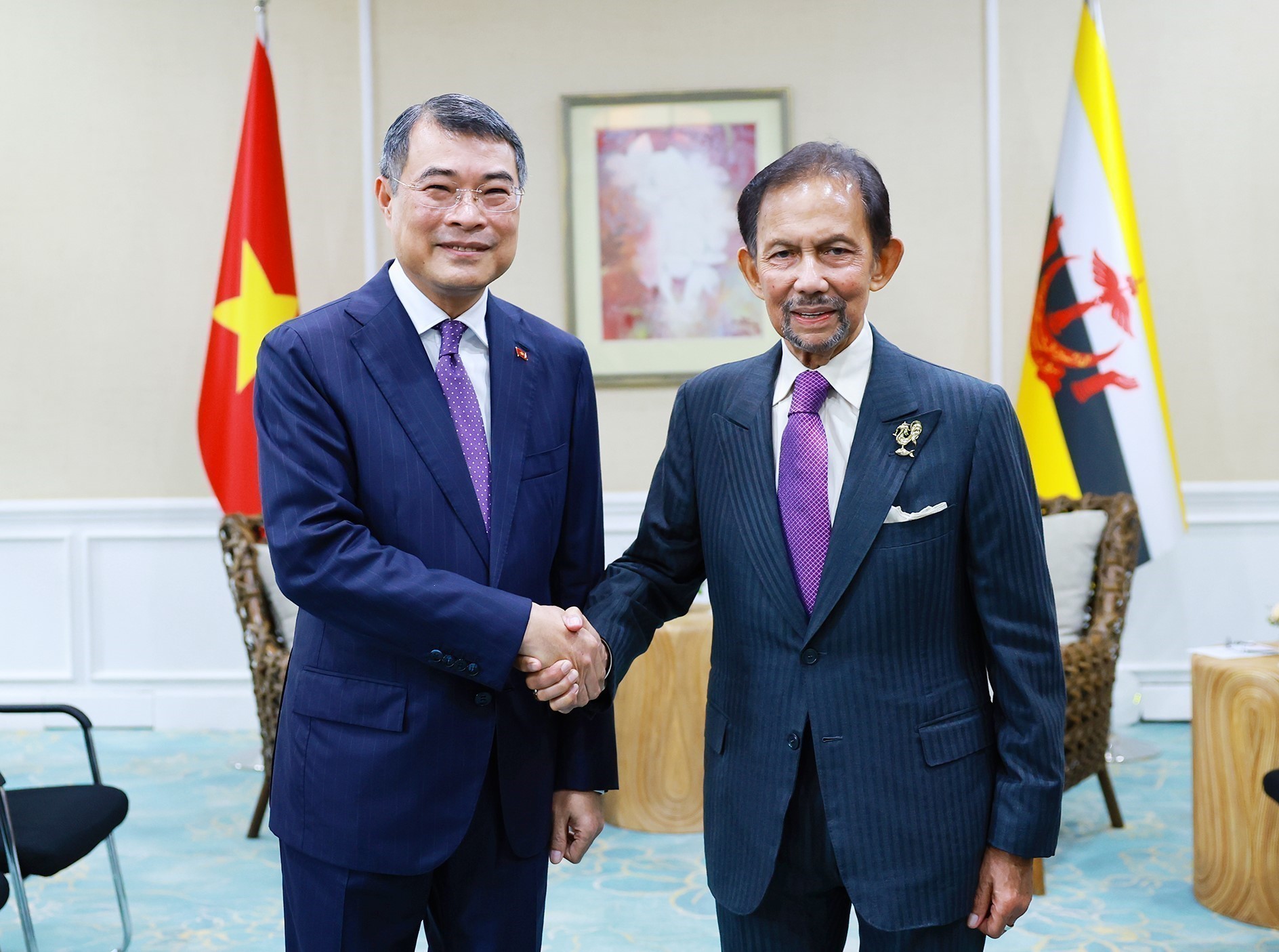
Meeting with Sultan Bolkiah, PM Hung thanked Brunei for its support for Vietnam and the bilateral ties. He proposed the two sides to effectively and substantively implement the action programme for the Vietnam–Brunei Comprehensive Partnership for the 2023–2027 period; maintain the exchange of delegations at all levels; strengthen economic and trade cooperation and consider establishing a joint committee on trade cooperation; and enhance collaboration in fisheries and seafood exploitation.
The Sultan affirmed Brunei’s support for Vietnam in successfully hosting the APEC Economic Leaders' Week in 2027, stating that Brunei stands ready to cooperate with Vietnam in areas of mutual strengths and shared interest. Amid evolving regional and global developments, he also called for stronger bilateral cooperation in the fields of trade and energy.
He warmly congratulated PM Hung on his new position and expressed his wish to work closely with the Vietnamese leader to further advance the Vietnam–Brunei Comprehensive Partnership in a more substantive and effective manner in the time ahead.
The Brunei Sultans took this occasion to invite the Vietnamese PM to pay an official visit to Brunei at a convenient time.
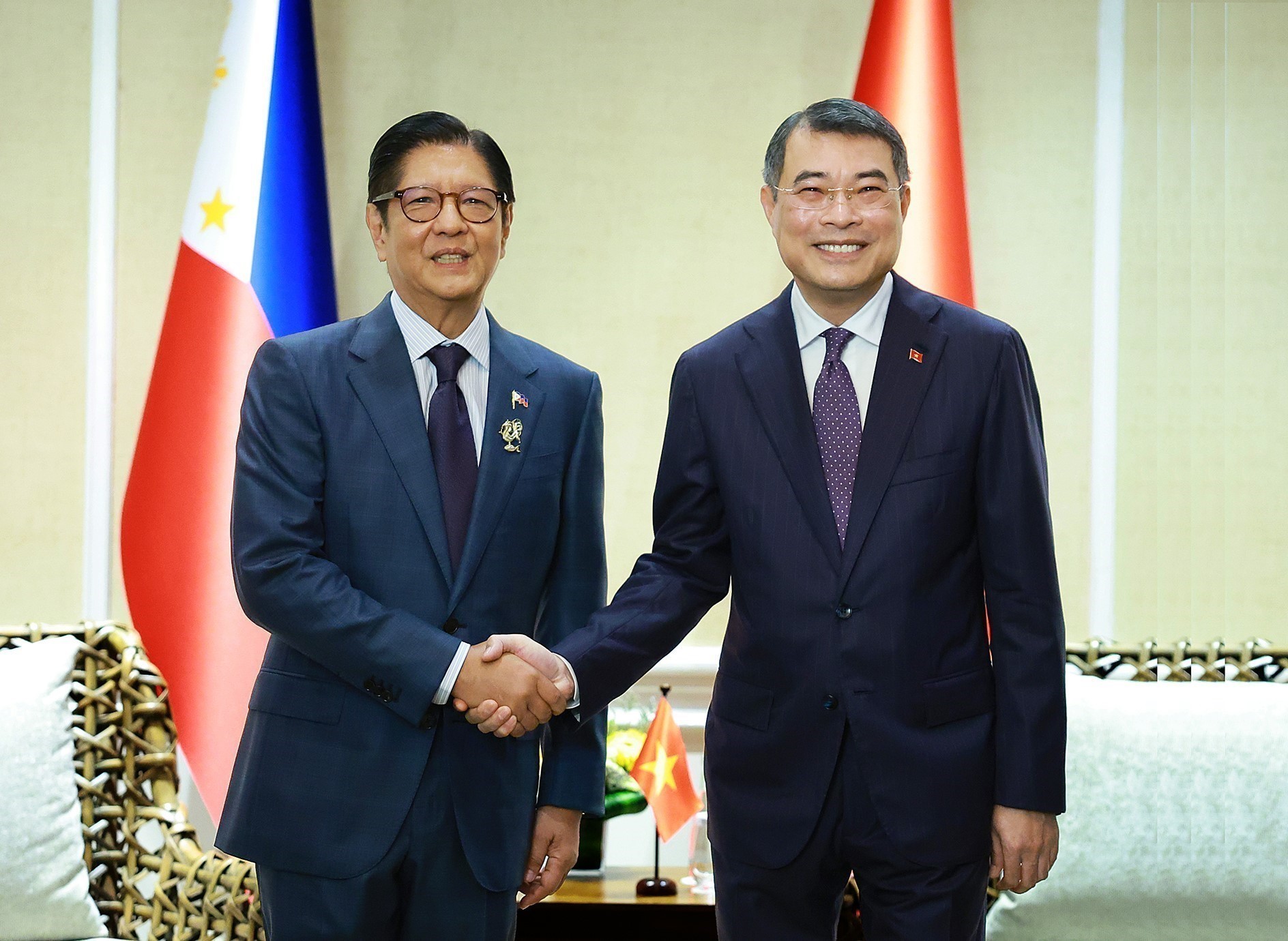
He expressed his wish to work closely with Vietnam and other member states of the Association of Southeast Asian Nations (ASEAN) to further strengthen intra-bloc economic and trade cooperation, while reinforcing a peaceful, stable and prosperous regional environment amid growing global uncertainties and challenges.
President Marcos Jr. said the two countries still have ample room for cooperation in the spheres of economy, trade, defence and security, tourism, and people-to-people exchanges, showing his hope for more direct flights connecting cities of the two countries.
The Vietnamese leader stressed that 2026 holds special significance as the two countries are celebrating the 50th founding anniversary of diplomatic relations, affirming that the Vietnamese Government always treasures and wants to further strengthen the Strategic Partnership with the Philippines.
PM Hung affirmed Vietnam’s support for the Philippines in successfully fulfilling its role as ASEAN Chair 2026, while strengthening ASEAN's solidarity, unity and central role.
The two leaders agreed to actively promote several key pillars of the Strategic Partnership, with priority given to facilitating trade with the aim of soon raising two-way trade to 10 billion USD; strengthening cooperation in the fields of food security, energy security and marine scientific research; and accelerating negotiations and the signing of an agreement on general education cooperation and a tourism cooperation programme for 2026–2029.
They also agreed to continue supporting each other at multilateral forums, and to work with other ASEAN member states and China to advance negotiations on a substantive and effective Code of Conduct in the East Sea (COC) in accordance with international law and the 1982 United Nations Convention on the Law of the Sea (UNCLOS).
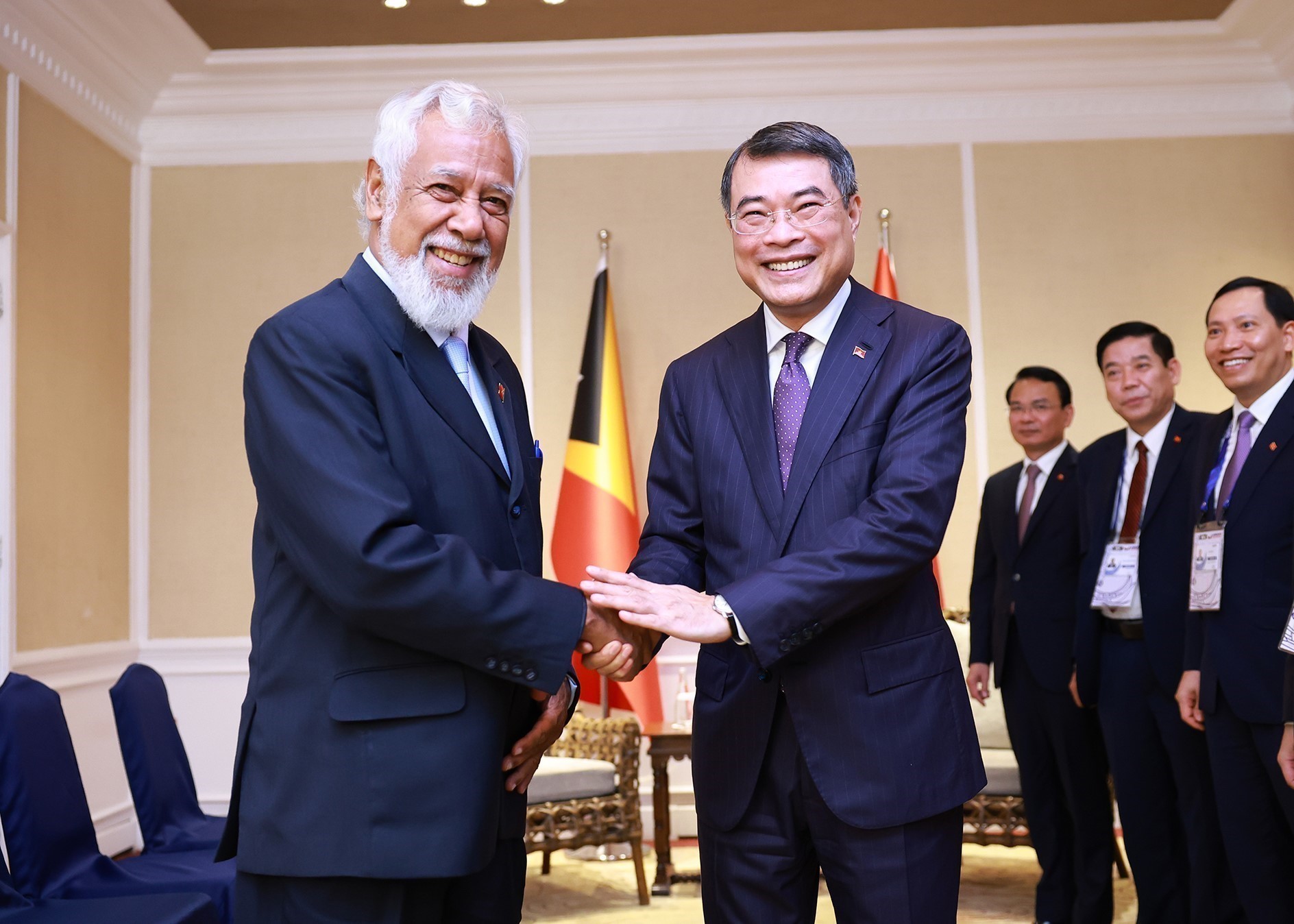
He proposed stronger cooperation in the areas of investment, trade, telecommunications, digital technology, energy, oil and gas, fisheries and food processing, while calling on Timor-Leste to create favourable conditions for Vietnamese businesses operating in the country.
PM Hung also affirmed Vietnam’s willingness to share experience in economic development, building support policies and providing credit assistance for small- and medium-sized enterprises.
For his part, PM Gusmão spoke highly of Vietnam’s growing role and position in the region, and thanked the country for its continued support for Timor-Leste in national construction and development as well as its ASEAN integration process.
Affirming his wish to further strengthen multifaceted cooperation with Vietnam, particularly in trade, investment, telecommunications, education and training, PM Gusmão highly valued the Telemor project operated by the Viettel Military Industry and Telecoms Group (Viettel) of Vietnam in Timor-Leste, describing it as a symbol of effective bilateral cooperation and contributing to socio-economic development of Timor-Leste.
At his meeting with the Vietnamese leader, Cambodian PM Hun Manet expressed confidence that Vietnam would continue to achieve major accomplishments and soon realise its goals of double-digit economic growth as well as its two centenary strategic objectives.
PM Hun Manet affirmed Cambodia’s high regard for the friendly neighbourliness and comprehensive cooperation with Vietnam.
In response, PM Hung stated that Vietnam will work closely with PM Hun Manet to further deepen and enhance the effectiveness of Vietnam–Cambodia relations.
The two sides agreed that bilateral relations had continued to develop substantively in recent times, with high-level exchanges and delegation visits taking place actively at all levels.
The two PMs welcomed the fact that both nations agreed on basic principles for managing differences on the basis of respecting each other’s legitimate interests. They affirmed that defence and security cooperation remained a solid pillar of bilateral ties, while economic cooperation continued to be a bright spot, with two-way trade turnover in the first quarter reaching nearly 3.5 billion USD, up 6.5% year-on-year.
The two sides agreed to continue close coordination, step up exchanges and people-to-people contacts at all levels, and seriously implement signed agreements and cooperation mechanisms. They stressed their commitment not to allow hostile forces to use the territory of one country to undermine the security and interests of the other, considering the political security of each country as contributing to the stability, security and development of the other. Both sides also concurred to strengthen cooperation in addressing non-traditional security challenges, and enhance coordination in border management and protection, and transnational crime combat.
They agreed to expedite the finalisation of the new economic cooperation mechanism closely linking the two economies through 2035, with a vision to 2050, and to promote studies aimed at reaching consensus on the Ho Chi Minh City/Moc Bai – Bavet/Phnom Penh expressway connectivity project.
It is also necessary to coordinate activities marking the 60th anniversary of the establishment of bilateral diplomatic relations (June 24, 1967–2027), the PMs added.
Underscoring the importance of maintaining a peaceful, stable, cooperative and sustainably developed border, the two sides affirmed their commitment to promptly and appropriately address emerging issues, including cooperation in environmental protection along border areas. They also agreed to advance negotiations on the remaining 16% of the land border yet to be demarcated and marked, while coordinating border management on both land and sea in a spirit of mutual understanding and respect and in accordance with international law.
On this occasion, PM Hung thanked Cambodia and called on the country to continue creating favourable conditions for the Vietnamese-origin community in Cambodia to live, work and study legally, thereby contributing to Cambodia’s socio-economic development and the friendship between the two nations.
During meetings with ASEAN leaders, the Vietnamese PM exchanged views on regional and international issues of mutual concern. They agreed to strengthen cooperation and coordination within the bloc and the United Nations, while promoting ASEAN centrality in addressing regional and global issues.
PM Hung also invited regional leaders to attend and deliver remarks at the third ASEAN Future Forum (AFF), scheduled to take place in Hanoi in early June this year.
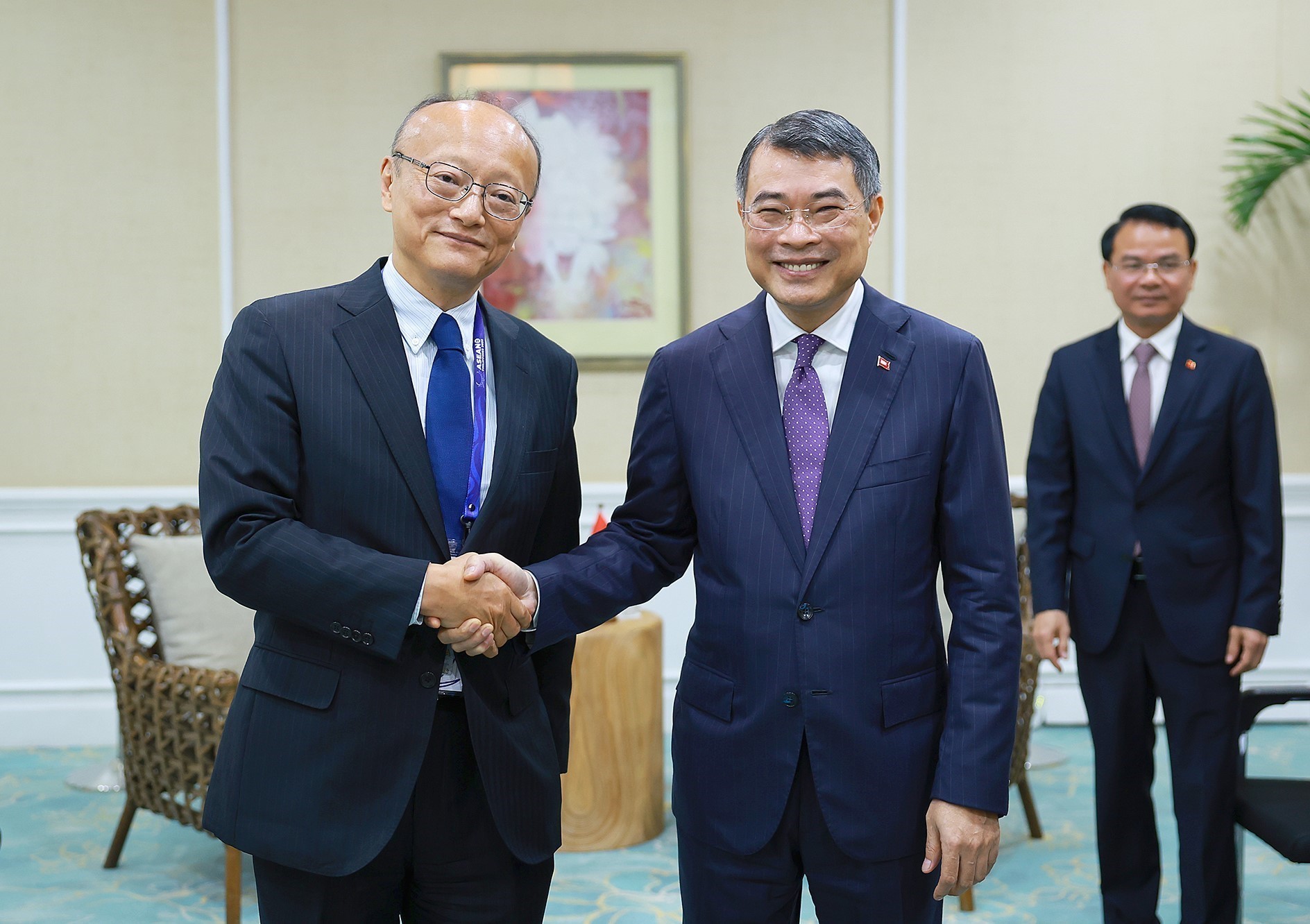
Receiving President of the Asian Development Bank (ADB) Masato Kanda, the Vietnamese government leader praised the ADB’s contributions to Vietnam’s development over the years.
He called on the ADB to work closely with the Vietnamese Government to further improve the effectiveness of bilateral cooperation, particularly by reviewing and addressing obstacles in project implementation, expanding flexible and preferential financial instruments, and enhancing technical assistance and policy advice in such areas as new development models, green transition, supply chains, climate change response and private-sector support.
The PM also urged the ADB to promote cooperation between the bank and ASEAN, as well as within the Greater Mekong Subregion (GMS), especially in energy and regional connectivity.
For his part, Kanda affirmed that the ADB remains a trusted partner of Vietnam in its new development era, adding that the Country Partnership Strategy for 2027–2031 would closely align with Vietnam’s socio-economic development strategies and plans.
He added that the ADB will continue improving its procedures and developing new financial instruments to better meet the resource needs of Vietnam and other members./.