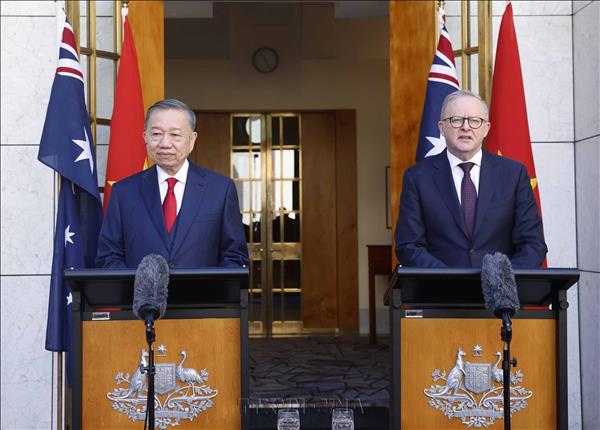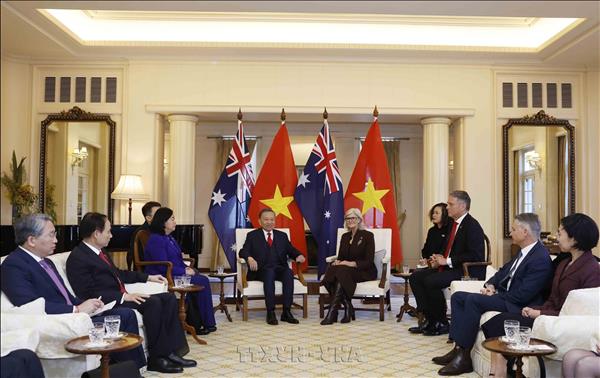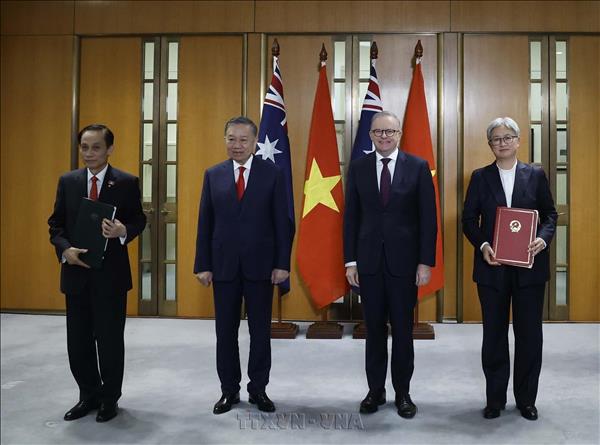
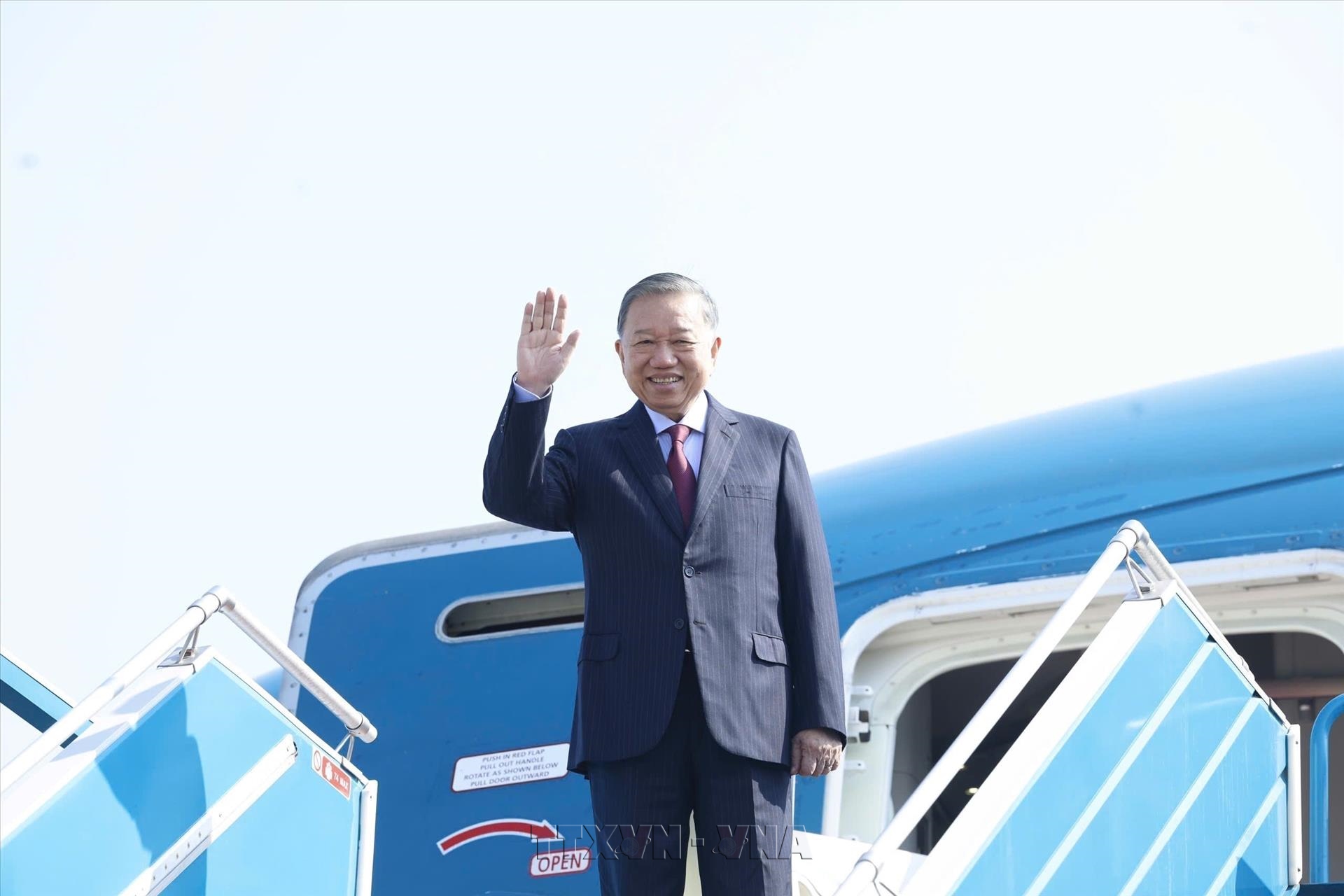
The upcoming state visit by General Secretary of the Communist Party of Vietnam Central Committee and President of Vietnam To Lam to New Zealand is an important opportunity for the two countries to advance the substantive implementation of their Comprehensive Strategic Partnership and expand mutually beneficial cooperation, according to Prof. Emeritus Roberto Rabel, a senior fellow at the Centre for Strategic Studies at Victoria University of Wellington.
Speaking to the Vietnam News Agency ahead of the visit, Prof. Rabel said the visit will enable the two countries’ leaders to exchange views on cooperation priorities, building on New Zealand Prime Minister Christopher Luxon’s visit to Vietnam in 2025. Maintaining high-level visits demonstrates both sides’ commitment to translating the Comprehensive Strategic Partnership into concrete outcomes.
Education has a solid foundation but considerable room for expansion. Professor Rabel cited long-standing cooperation between Victoria University of Wellington and the Diplomatic Academy of Vietnam and University of Economics Ho Chi Minh City, saying the two sides could further develop partnerships among educational institutions, vocational and English-language training programmes and human resource development.
He said education is one of the most sustainable long-term investments in development, with a highly skilled workforce providing an important foundation for Vietnam to achieve its goal of becoming a developed, high-income country by 2045. New Zealand could continue supporting Vietnam through training and educational cooperation programmes in both countries.
Prof. Rabel also expected the two sides to discuss shared challenges amid growing geopolitical competition among major powers in the region.
Vietnam and New Zealand have different but complementary perspectives, he said, adding that sharing experience and coordinating in addressing regional challenges could help strengthen multilateralism, enhance resilience to economic and geopolitical shocks, and maintain a peaceful, stable and inclusive Indo-Pacific.
He noted that Vietnam had demonstrated considerable diplomatic capacity through its independent foreign policy, while New Zealand also valued the tradition of an independent foreign policy. The two countries could therefore strengthen coordination to enhance the role of diplomacy and multilateral cooperation and mitigate the negative impacts of great-power competition.
In this context, maintaining ASEAN centrality and promoting a rules-based approach are important. Vietnam and New Zealand could work with countries holding both similar and different views to strengthen regional multilateral institutions, thus boosting dialogue and steerting competition in a constructive direction.
At the bilateral level, Professor Rabel said the visit should be used to identify specific areas for joint action, including maritime security.
The two countries share interests in ensuring freedom of navigation, settling maritime disputes through peaceful measures, sustainably managing marine resources and upholding international law. They can share experience while jointly supporting the 1982 United Nations Convention on the Law of the Sea (UNCLOS) as a common framework for maritime governance.
Assessing Vietnam’s development goals towards 2045, Prof. Rabel said the country faces significant opportunities alongside intertwined challenges. To capitalise on opportunities in trade, investment and human resource development, Vietnam needs to sustain growth, improve transparency and accountability in state institutions, encourage entrepreneurship and leverage its relatively young population.
He also praised the Vietnamese people’s diligence, adaptability and innovative spirit as important factors supporting the country’s development goals.
The scholar stressed that the success of the Comprehensive Strategic Partnership depends not only on government-to-government cooperation but also on engagement by businesses, educational institutions and people from both countries. The visit is therefore expected to provide fresh momentum for strengthening official cooperation and expanding links among businesses, organisations and communities.
Practical cooperation in education, human resources development, maritime security and multilateral affairs, he said, will help deepen the Vietnam–New Zealand Comprehensive Strategic Partnership, generating concrete, long-term outcomes and practical benefits for both countries./.