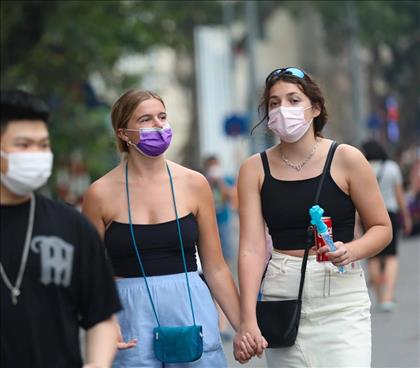
The National Steering Committee for COVID-19 Prevention and Control has agreed with the Health Ministry’s proposal of bringing the COVID-19 from a Class A infectious disease, deemed as “especially dangerous”, to Class B "dangerous".
Class A infectious diseases are those with high infection and fatality rates, like polio, influenza A-H5N1, plague, smallpox, Ebola, Lassa and Marburg hemorrhagic fever, West Nile fever, yellow fever and cholera.
Meanwhile, Class B ones are those that can spread fast and cause fatalities, including HIV/AIDS, rabies, influenza, diphtheria, pertussis, tuberculosis, mumps, dengue fever, malaria, measles, hand-foot-and-mouth disease, tetanus, and rotavirus diarrhea.
The steering committee also requested ministries, sectors and localities to continue studying recommendations of the World Health Organisation (WHO) to appropriately apply to the disease situation in Vietnam; and prepare plans for COVID-19 prevention and control suitable to the new situation, especially in strengthening grassroots health care and preventive medicine, and mobilising and using resources.
The Health Ministry was asked to research and implement vaccination against COVID-19 in accordance with the situation, and consider putting it in the National Expanded Immunisation Programme.
The Ministry of Labour, Invalids and Social Affairs was required to maintain the effective implementation of social welfare work, especially for those affected by the pandemic./.