Lam Dong province's Department of Culture, Sports and Tourism, in collaboration with the Vietnam UNESCO Global Geoparks Network, carried out a field assessment of tourism routes and heritage sites across the Dak Nong Geopark from June 8–11 to evaluate the implementation of UNESCO recommendations.
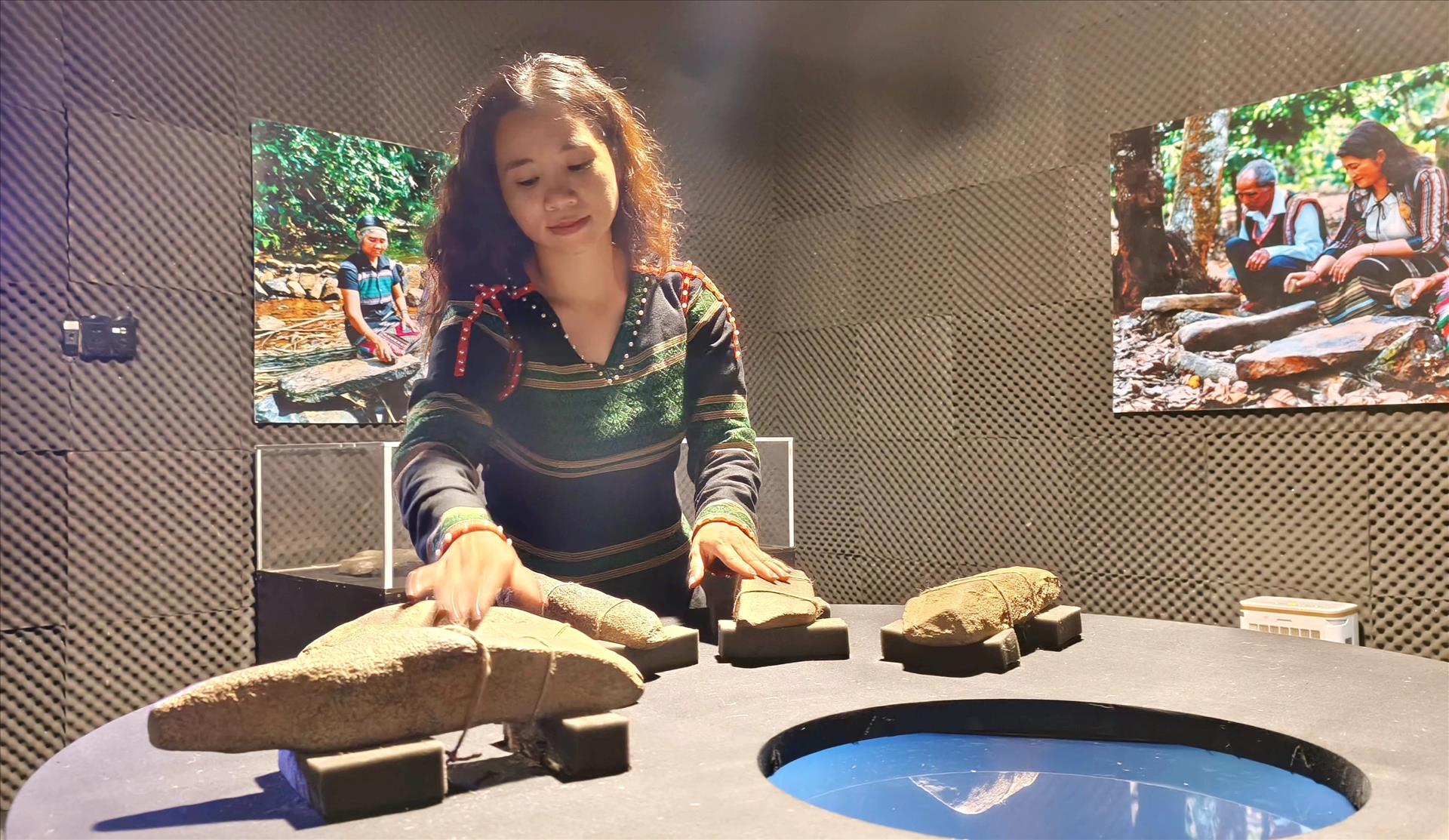
The survey covered three tourism routes and nearly 50 heritage and visitor attractions, including Ta Dung Lake, Nam Kar volcanic range, Krong No volcanic cave system, historical sites along Truong Son route, community-based tourism destinations, traditional craft villages and indigenous cultural spaces.
During the inspection, experts assessed infrastructure and visitor facilities while consulting local authorities, businesses and communities on challenges related to heritage conservation, management and sustainable development.
Experts noted that, UNESCO is increasingly emphasising community engagement alongside heritage preservation. As such, community-based tourism, the safeguarding of traditional livelihoods and cultural identities, and the creation of sustainable income opportunities for local residents remain central to the geopark’s revalidation process.
The review identified several priorities, including strengthening management and protection measures at heritage sites, improving interpretive and directional signs, enhancing connectivity between destinations and expanding tourism products. The findings will help shape Lam Dong’s investment and upgrade plans for 2026–2027 ahead of the UNESCO assessment.
Assoc. Prof. Dr. Tran Tan Van, Coordinator of Vietnam UNESCO Global Geoparks Network, said the geopark still faces a number of shortcomings that need to be addressed within a limited preparation timeframe.
He called for a coordinated approach, including strengthening the management structure, increasing specialised personnel, upgrading infrastructure and visitor facilities, and intensifying promotional activities. Greater efforts are also needed to raise the geopark’s visibility across the newly expanded province and among international visitors and experts, he said.
Van also stressed the importance of introducing appropriate management mechanisms to encourage the private sector's participation in heritage conservation and promotion, while continuing to draw on international expertise to support the revalidation process.
Le Thi Truc Linh, Deputy Director of the provincial Department of Culture, Sports and Tourism, said the department will advise provincial authorities on implementing key measures, prioritising resources to address UNESCO's recommendations, improve infrastructure and heritage sites, and strengthen the role of local administrations in heritage management and tourism promotion.
Following the recent administrative restructuring, the UNESCO Global Geopark Dak Nong now spans approximately 4,760 sq.km across 22 communes and wards in western Lam Dong. The area is home to nearly 50 volcanic caves formed in basalt rock, one of the largest and most distinctive volcanic cave systems in Southeast Asia, along with ancient volcanoes, waterfalls, natural lakes and the rich cultural heritage of the M'nong, E De, Ma and other ethnic communities.
Maintaining the UNESCO Global Geopark status is expected to further elevate the international profile of Lam Dong’s geological heritage while supporting sustainable tourism and green economic growth linked to the preservation of natural and cultural assets./.