This progress has been built on mutual respect, transparency and Vietnam's sustained efforts to improve its legal framework and comply with international standards. However, the US' recent tariff decision appears to overlook realities regarding Vietnam's labour environment and manufacturing practices.
On July 24, the Office of the US Trade Representative (USTR) announced a new 12.5% tariff under Section 301 on imports from all economies included in its investigation list.
Responding to a reporter's question regarding Vietnam’s response to this move, Spokesperson of the Ministry of Foreign Affairs Pham Thu Hang on July 25 stated that the decision does not fully reflect the realities in Vietnam and its efforts to prevent, reduce and eliminate forced labour, including its ban on imports of goods produced with forced labour. She reaffirmed that Vietnam strictly prohibits all forms of forced labour and fully complies with the regulations of the International Labour Organisation (ILO), international treaties and free trade agreements to which it is a party.
Vietnam's legal framework, from the Constitution and laws to guiding documents, and practical implementation demonstrate that the rights to work and employment are fundamental rights safeguarded by the Party and State. Vietnam remains committed to international economic principles by improving working conditions, strengthening a transparent legal framework, and resolutely eliminating all forms of forced labour.
The 2013 Constitution guarantees citizens the right to work, freely choose their occupation and workplace, and enjoy fair and safe working conditions. It also explicitly prohibits discrimination, forced labour and the employment of workers below the minimum legal working age.
These principles are further reinforced in the 2019 Labour Code, which safeguards the legitimate rights and interests of workers while encouraging employment conditions that exceed statutory requirements. The Labour Code also affirms workers' rights to freely choose their jobs and prohibits forced labour in all forms.
Most recently, the Government issued Decree No. 292/2026/ND-CP on July 22, banning the import of goods wholly or partly extracted, produced or manufactured through forced labour.
According to the Ministry of Industry and Trade, the decree demonstrates Vietnam's determination to strengthen its legal framework, fully implement ILO conventions and other international commitments, and enhance transparency and sustainability across supply chains.
Beyond legislation, standardising working conditions remains a top priority for Vietnam. As an active participant in new-generation free trade agreements (FTAs), which place strong emphasis on non-trade issues such as labour and environmental standards, the country has consistently fulfilled its commitments in these areas.
This commitment is reflected in the steady improvement of occupational safety and hygiene in recent years. At the launch of the 2026 National Month on Occupational Safety and Hygiene and Workers' Month, Minister of Home Affairs Do Thanh Binh reaffirmed that improving people's living standards and ensuring effective implementation of occupational safety and hygiene policies and laws remain priorities across the political system.
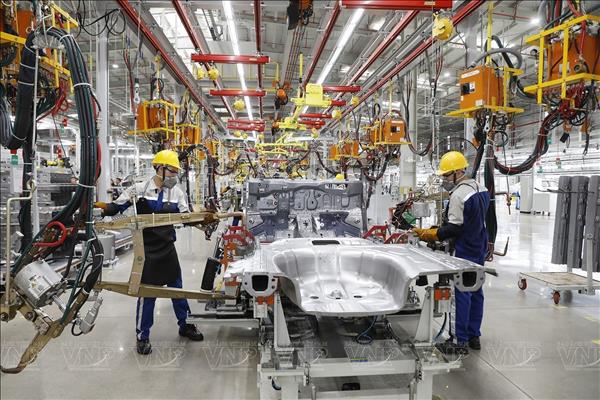
These sustained efforts have helped build a workforce that is growing in both size and quality. Vietnam now has a labour force of more than 53 million people, including an increasing number of highly skilled professionals and workers whose qualifications and expertise meet regional and international standards.
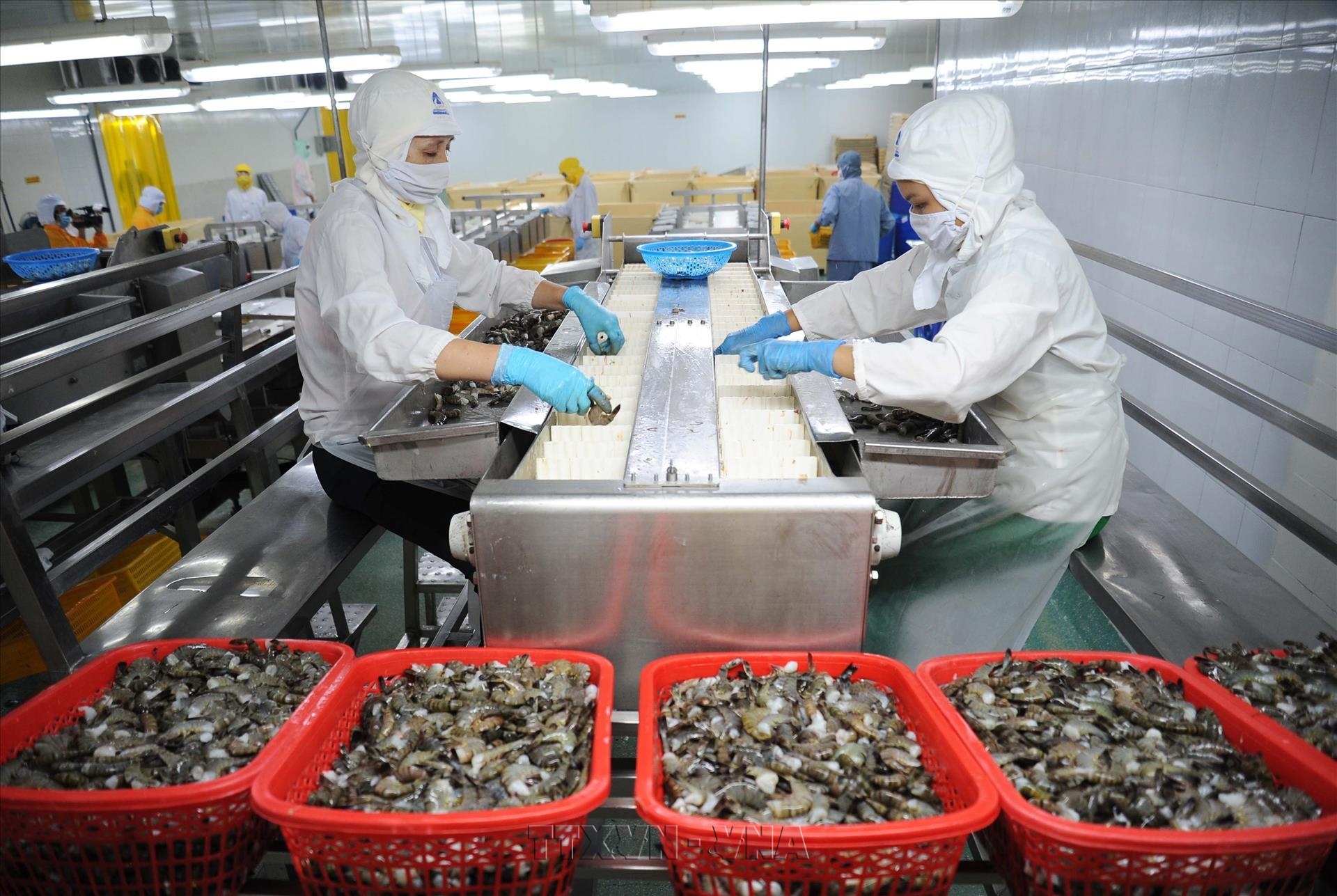
In addition, the country’s export industries, including textiles, footwear, agricultural products, electronics and furniture, are also subject to rigorous international social responsibility and ESG (environmental, social and governance) standards, with performance in ensuring workers’ rights closely monitored by global buyers.
These efforts have helped Vietnam become one of the world's 20 largest trading economies and a key link in global supply chains serving demanding markets such as the US and the European Union.
Against this backdrop, imposing the new 12.5% tariff without a comprehensive assessment could produce unintended consequences for both countries. Vietnamese exports have played an important role in ensuring stable supplies and moderating prices in the US market. The tariffs would inevitably increase costs for US importers and consumers while adversely affecting Vietnamese businesses that comply with international labour standards.
Within the framework of the Vietnam–US Comprehensive Strategic Partnership, economic and trade relations should continue to be guided by mutual trust and constructive dialogue. A more objective and comprehensive assessment of Vietnam's substantive efforts would provide a sound basis for policy decisions that support fair trade and deliver long-term benefits for both sides./.