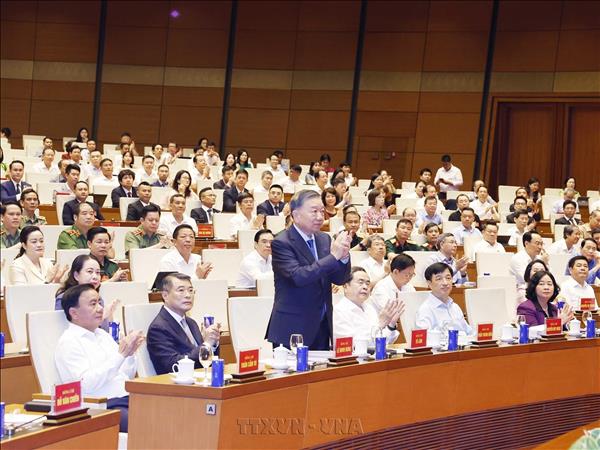
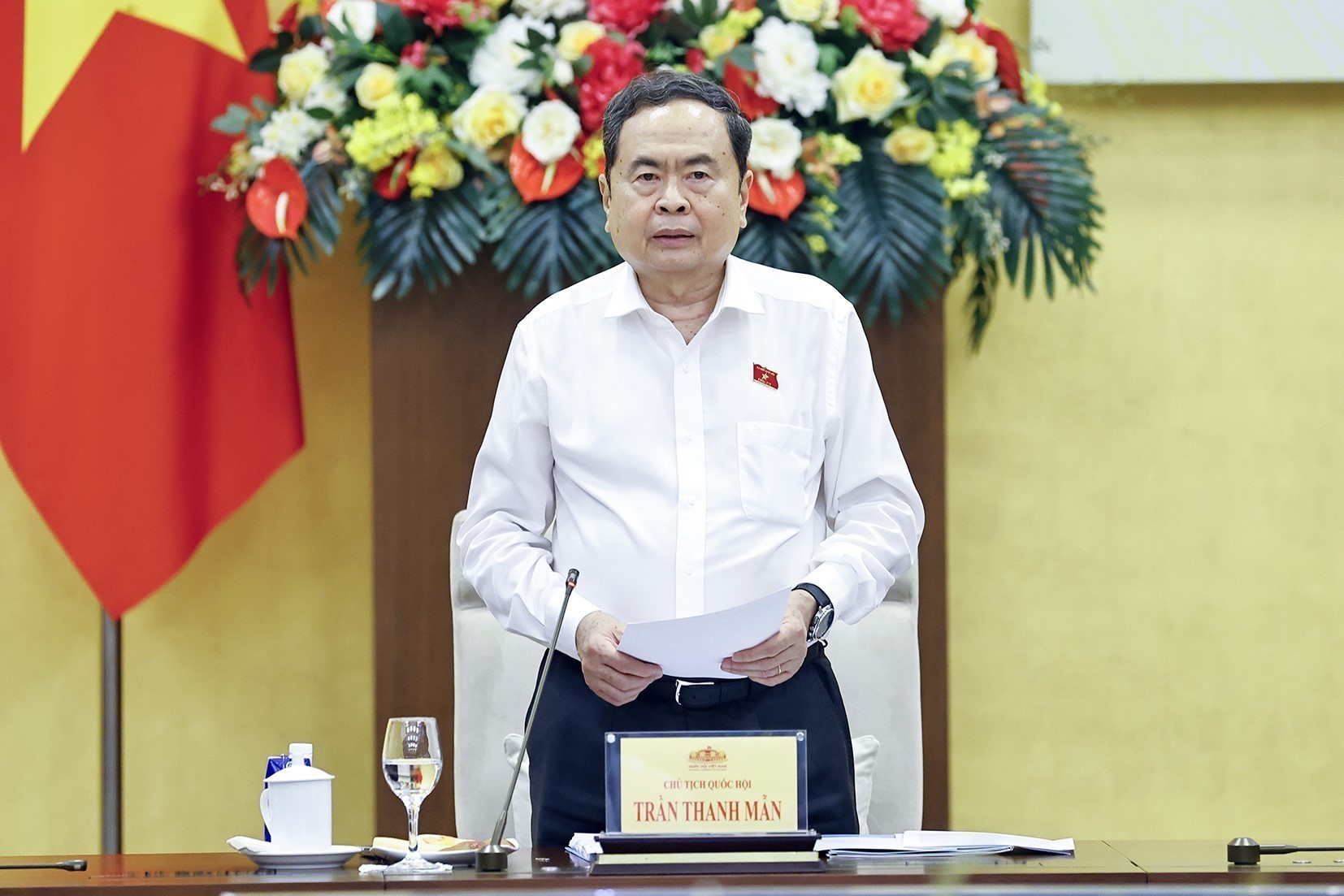
The move followed the Politburo’s Conclusion 09-KL/TW dated March 10, 2026 on perfecting the structure of Vietnam’s legal system to meet the requirements of the new development era. It assigned the NA’s Party Committee to lead a nationwide review in coordination with relevant agencies. On April 3, the NA Standing Committee issued Resolutions 2092 and 2093 formally establishing the committee, with the first meeting aimed at following these key resolutions.
Chairman Man, who is also the committee’s head, underscored Party General Secretary and State President To Lam’s strong push for fundamental lawmaking reform and his vision for a modern, unified, stable and development-oriented legal system. The review must tackle overlapping regulations, eliminate conflicts, end the practice of shifting responsibilities to sub-law documents, while moving from a “law-making for completeness” mindset to “law-making for development,” he said.
Party General Secretary and State President To Lam also called for a fundamental change in legislative mindset, with greater input from experts, scientists, international experiences, businesses and the public, along with stronger efforts to prevent group and sectoral interests from influencing legislation. Ultimately, the quality of laws should be measured by how effectively they are enforced and by the satisfaction of citizens and businesses, Chairman Man stressed.
The NA Chairman instructed the committee to strictly adhere to the Politburo’s conclusion and the legislative orientation plan for the 16th NA term approved by the Politburo.
The review aims to deliver a comprehensive and accurate assessment of the current legal system and propose nationwide solutions to improve legal documents, he said.
Describing the task as unprecedented in scale and complexity, he said it will cover all effective legal documents issued at central and local levels, excluding the Constitution, as well as documents already promulgated but not yet in force as of October 31, 2026. A progress report will be submitted to the NA Standing Committee in August, with a final report and proposed solutions due in December.
Deputy Prime Minister Le Tien Chau described the institutional framework as a critical resource for development, saying that transparent and clear regulations can unlock other resources and accelerate growth, whereas outdated or overlapping rules risk becoming the biggest bottleneck to progress.
The review of legal documents should therefore be treated as a key political task to clear barriers to production and trade, support citizens and enterprises, and achieve the double-digit growth target set by the 14th National Party Congress, he said.
Chau urged the steering committee's members to work closely with ministries, agencies and localities to ensure both quality and timeliness. Central and local authorities must go beyond internal reviews and actively seek feedback from affected stakeholders, especially people, businesses and enforcement bodies.
The review must produce measurable outcomes, clearly identifying which documents need to be amended, repealed, replaced, or newly issued, along with specific timelines and responsible agencies. This will help build a focused legislative agenda and restructure the legal system toward greater transparency, feasibility and effectiveness, he added./.