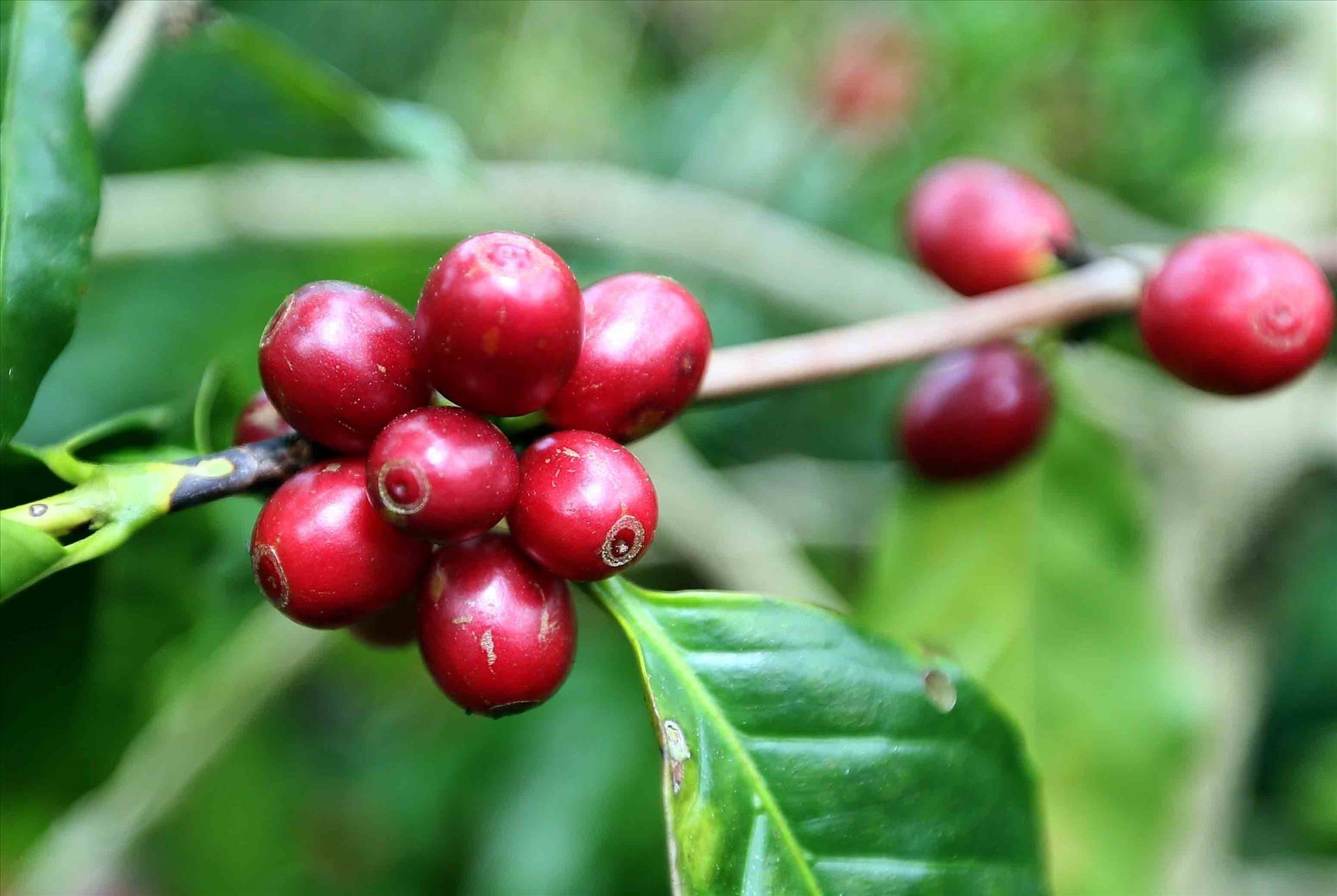
Following its merger with Dak Nong and Binh Thuan in July 2025, Lam Dong has become Vietnam’s largest coffee-growing province, with more than 323,000 ha under cultivation and annual output exceeding one million tonnes. Benefiting from favourable climate conditions and diverse terrain, the province has developed two distinct coffee-growing zones: high-quality Arabica in Da Lat and Lac Duong at elevations above 1,000m above sea level; and Robusta in Di Linh, Bao Lam, Bao Loc and Lam Ha, areas well suited to industrial processing.
This diversity provides a strong foundation for developing a broad range of higher-value coffee products. Rather than relying on mass harvesting, farmers, cooperatives and businesses are increasingly focusing on selective picking, ripeness control and improved processing techniques to enhance both quality and commercial value.
According to Dinh Nguyen Thuy Dung, Deputy Director of Ho Phuong Coffee Co., Ltd., quality certifications not only help products gain easier access to markets but also increase their value, creating opportunities for businesses and farmers to work together in developing a premium export-oriented coffee industry.
Lam Dong currently has nearly 120,000 ha of coffee certified under sustainable production standards, almost 2,300 ha applying high-tech farming methods, and 67 production-consumption linkage chains involving more than 29,000 households across approximately 55,000 ha.
Despite these achievements, the coffee sector continues to face significant challenges. Le Quang Dan, Deputy Director of the Lam Dong Department of Agriculture and Environment, said increasingly stringent international standards, the need to strengthen branding and value chains, and the growing impacts of climate change remain major hurdles for producers and exporters.
The sector is now entering a new phase as the European Union Deforestation Regulation (EUDR) is set to take effect for coffee exports. Under the implementation roadmap, the regulation will apply to large and medium-sized enterprises from December 30, 2026, and to small and micro enterprises from June 30, 2027.
The EUDR introduces strict requirements on traceability, farm-level data and proof that production is not linked to deforestation. While these rules present new challenges, they also offer an opportunity for Lam Dong’s coffee-growing regions to accelerate standardisation efforts and strengthen their position in premium international markets.
Dinh Huu Vinh, General Director of Golden Coffee JSC, said the company is working with certification organisations such as Rainforest Alliance and 4C to train farmers on EUDR requirements and support the verification of cultivation areas that meet export standards.
Coffee remains Lam Dong’s leading export commodity. Between 2020 and 2025, the province directly exported around 680,000 tonnes of coffee worth 2.08 billion USD. In the first quarter of 2026 alone, exports reached approximately 52,000 tonnes of green coffee beans, generating 178 million USD in revenue.
Lam Dong coffee is now exported to more than 40 countries and territories. The EU remains the largest market, particularly Germany, Italy and Belgium, followed by the US, Japan and the Republic of Korea. Exports are also expanding rapidly into China and India.
To address future challenges and seize emerging opportunities, Lam Dong is accelerating coffee replanting programmes, replacing ageing plantations and promoting specialty and high-quality coffee production. The province is also encouraging the development of concentrated high-tech production zones and wider adoption of internationally recognised certifications such as VietGAP, GlobalGAP, 4C, Rainforest Alliance and Organic standards.
In the years ahead, Lam Dong plans to strengthen branding and trade promotion efforts, develop coffee-growing regions linked to geographical indications, expand digital traceability systems and make greater use of free trade agreements (FTAs) to diversify export markets. At the same time, ecological and circular agriculture models will be promoted to help the industry adapt to climate change, protect the environment and ensure sustainable livelihoods for coffee growers./.