Covering about 26,000 hectares at the end of the Truong Son mountain range, the park is one of Vietnam's important protected forests, home to more than 1,000 plant species and hundreds of mammal, bird and reptile species, including many that are globally threatened.
For years, the park's communication, ecotourism and wildlife rescue centre has received and rehabilitated numerous wild animals before releasing them into their natural habitats. Among the rescued species are several endangered primates and mammals, including yellow-cheeked gibbons, black-shanked douc langurs, pygmy slow lorises, otters and binturongs.
Tran Van Truong, deputy director of the centre, said the facility is currently caring for 65 individual animals representing 23 rare species. One of its most notable achievements has been successfully breeding three yellow-cheeked gibbons in captivity and releasing an entire gibbon family back into the wild.
He said growing public awareness of wildlife conservation has encouraged more people to voluntarily hand over wild animals to authorities or rescue centres instead of keeping or trading them illegally. He added that rescued animals underwent rehabilitation to regain their natural survival skills before being released into the forest, where they were closely monitored. Animals that failed to adapt were brought back to the centre for further care until they could survive independently.
However, Truong noted that the centre was struggling with overcrowding as the number of rescued animals continued to increase.
Beyond wildlife rehabilitation, Bu Gia Map National Park has become an important centre for environmental education, helping raise public awareness of biodiversity conservation through guided visits, rescue-centre experiences, school outreach programmes and digital communication campaigns.
The park also welcomes volunteers, particularly pupils and university students, who assist professional staff in caring for rescued animals. These hands-on activities help young people better understand biodiversity, foster a love of nature and strengthen their sense of environmental responsibility.
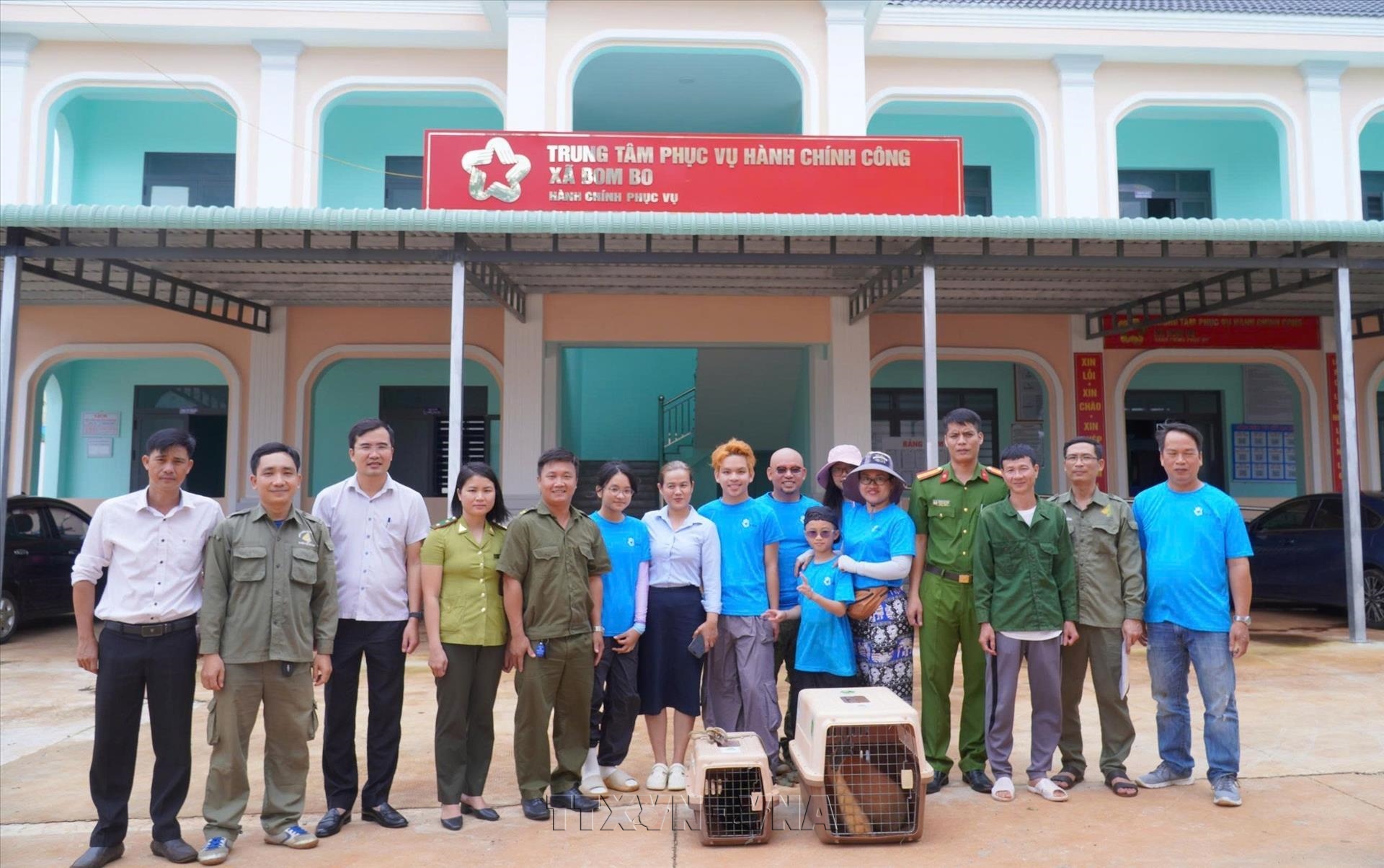
This summer, Pham Nam Phuong and two other families from Ho Chi Minh City joined the centre as volunteer caregivers. Phuong said the programme provided children with a meaningful hands-on learning experience while helping them better understand the importance of biodiversity conservation and develop a stronger sense of responsibility for protecting nature.
Each day, young volunteers help prepare food, clean enclosures, monitor the animals' health, record observations and create environments that encourage the recovery of natural behaviours. They also assist in educating visitors about wildlife conservation.
Fourteen-year-old Pham Minh Khiem from Ho Chi Minh City, who has volunteered at the centre three times, said he had initially felt lonely but soon grew attached to the place. Through the programme, he had prepared food, cared for rescued wildlife and closely observed different species, gradually learning to recognise the calls of mammals and birds. He added that he also spent time teaching computer skills, mathematics and English to local children.
Despite its achievements, the rescue centre continues to face significant challenges. Limited funding and the growing number of rescued animals have left existing facilities unable to meet demand. Staff members often take on additional work, including welding and constructing new enclosures, while seeking financial support from donors and the wider community.
According to the centre, greater investment in infrastructure, equipment, funding and human resources would significantly improve wildlife rescue and rehabilitation efforts, allowing more rescued animals to regain their natural behaviours and return safely to their forest habitats./.