Tourism activity nationwide posted robust gains during the 2026 Reunification Day (April 30) and May Day (May 1) holidays, with destinations reporting strong increases in both visitor numbers and revenues, fuelled by diverse offerings and large-scale events.
In Dien Bien, the northwestern province welcomed around 75,200 visitors from April 25 to May 3, up 25% year-on-year, including 14,500 overnight stays, generating about 122 billion VND (4.6 million USD).
Cultural programmes recreating the historic Dien Bien Phu campaign, along with art and photo exhibitions, proved major draws. The reopening of the Him Lam relic site and the launch of the upgraded route to A Pa Chai, Vietnam’s westernmost point, further enriched the destination’s appeal.
The province is targeting over 1.6 million visitors in 2026, including more than 10,000 foreigners, and 2.88 trillion VND in tourism earnings.
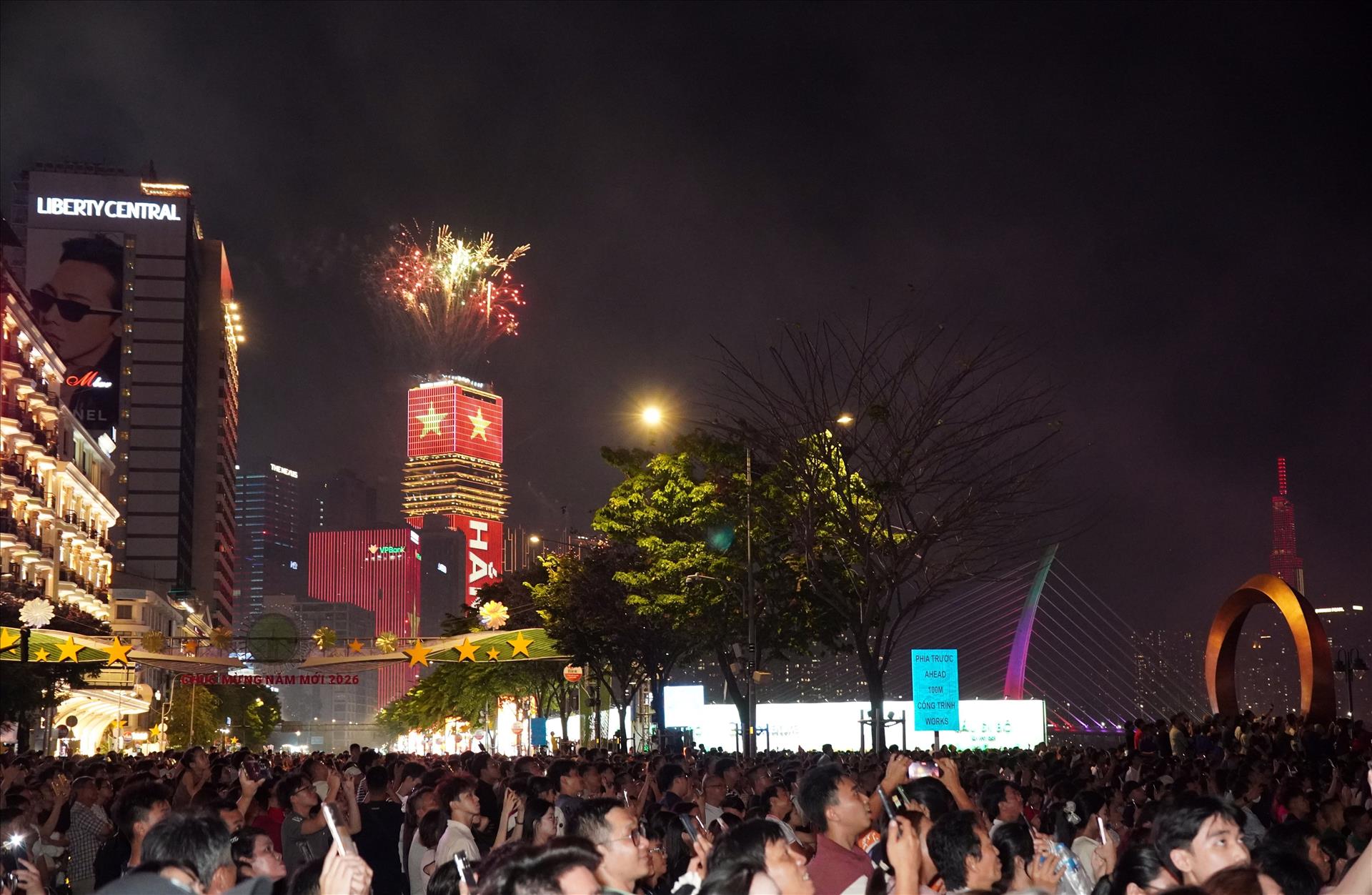
In Ho Chi Minh City, tourism revenue reached an estimated 8.7 trillion VND during the nine days, with about 190,000 international arrivals and 1.5 million domestic travellers. Notably, the city hosted a MICE group of nearly 890 Indonesian visitors organised by Allianz Indonesia, according to the municipal Tourism Department.
Demand for short, self-guided urban trips surged, particularly in central districts and entertainment hubs. While budget travellers focused on value, higher-end segments increasingly sought premium experiences such as night tours, river cruises and helicopter services. Nearby coastal destinations like Vung Tau recorded high occupancy rates while Binh Duong saw rising demand for weekend and eco-tourism.
In the northern city of Hai Phong, total visitor arrivals exceeded 1.4 million between April 25 and May 3, including more than 1.3 million domestic travellers, up 32% year-on-year, with revenue topping 1.12 trillion VND. Average room occupancy stood at around 70%, reaching full capacity during peak days in hotspots such as Do Son and Cat Ba.
Major attractions included Cat Ba, Do Son and the Con Son – Kiep Bac relic complex, which saw a notable surge in visitors following the UNESCO recognition of the Yen Tu – Vinh Nghiem – Con Son, Kiep Bac heritage system. Culinary tourism remained a strong pull factor.
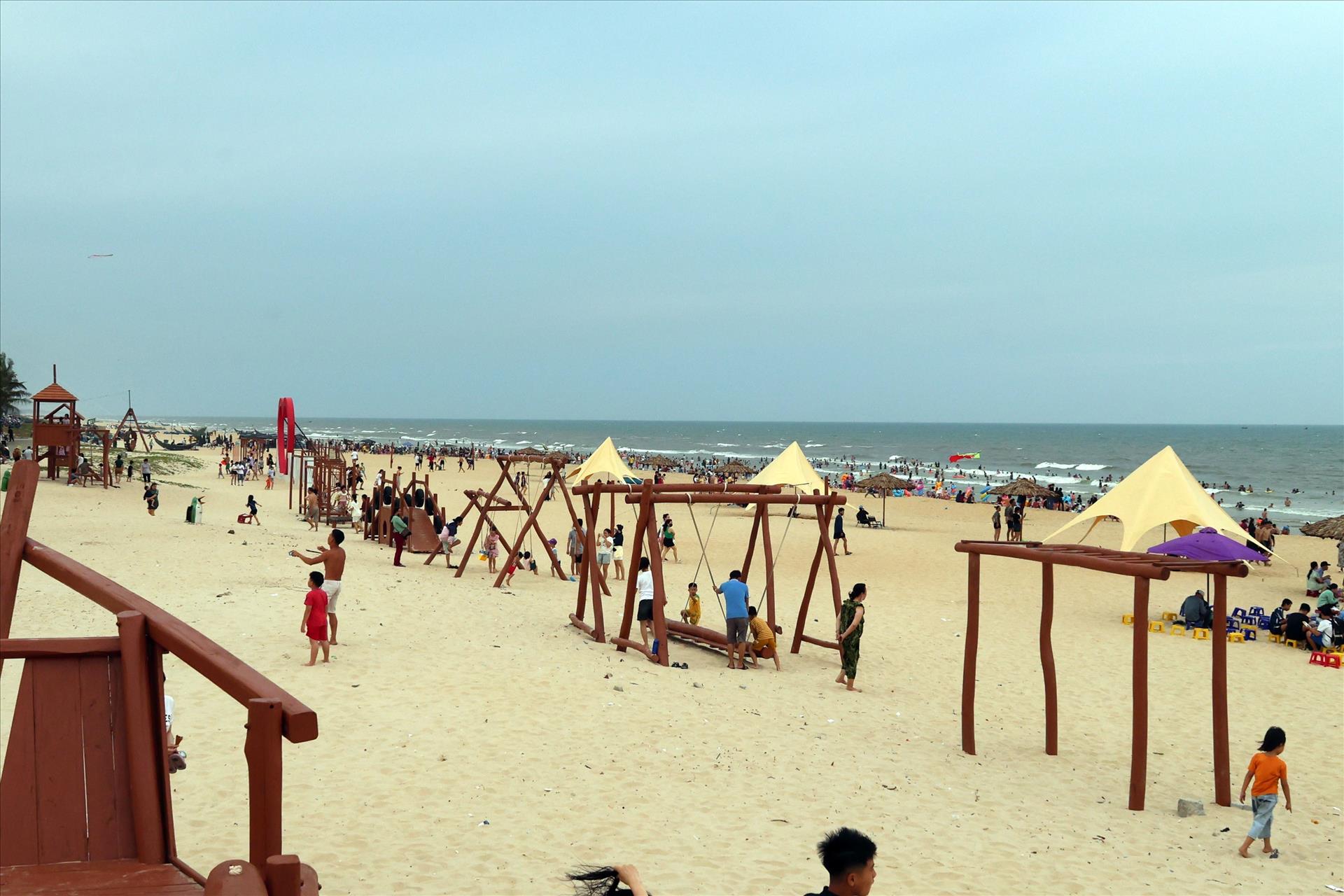
In central Vietnam, Da Nang stood out, welcoming more than 1.46 million visitors, including 621,000 international arrivals. Tourism revenue reached roughly 5.7 trillion VND, up nearly 35% year-on-year. Hotel occupancy averaged 75–80% and climbed to 90–95% in the high-end segment.
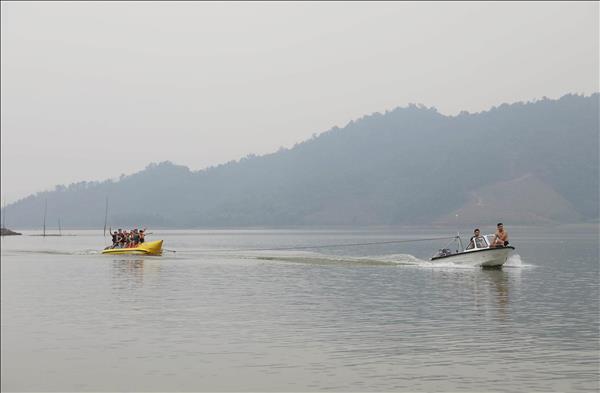
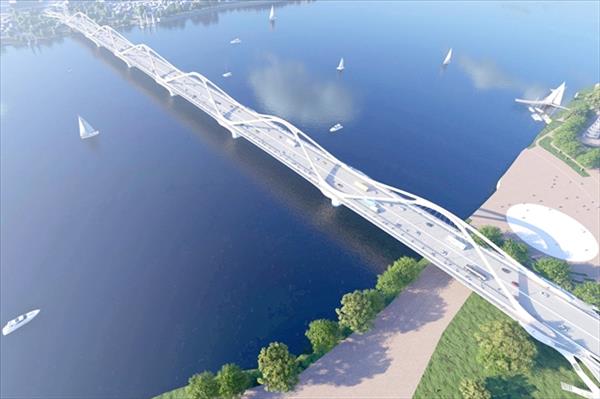
A standout highlight was a large-scale gala on Dragon Bridge, with performances spanning the bridge and the Han River. The launch of the “Da Nang Beach Tourism Season 2026” at Bien Dong Park and popular beaches such as My Khe drew heavy crowds, complemented by festivals, water sports and street performances. Cultural events and connected tour routes to nearby sites like My Son Sanctuary and Hoi An helped extend visitor stays.
Notably, the cruise ship Star Voyager docked at Tien Sa Port, bringing over 1,500 international tourists to attractions including Marble Mountains, Linh Ung Pagoda and the Cham Sculpture Museum.
At the same time, Da Nang is stepping up efforts to attract international visitors by restoring and expanding air links with Russia and markets in the Commonwealth of Independent States (CIS), with flights from Kazakhstan and Russia resuming in April, setting the stage for a strong summer season.
The city aims to welcome nearly 20 million visitors in 2026, reinforcing its ambition to become a leading tourism hub in the region./.