Data released by the city's Statistics Office showed that gross regional domestic product (GRDP) rose 8.57% in the first quarter and 8.53% in the second.
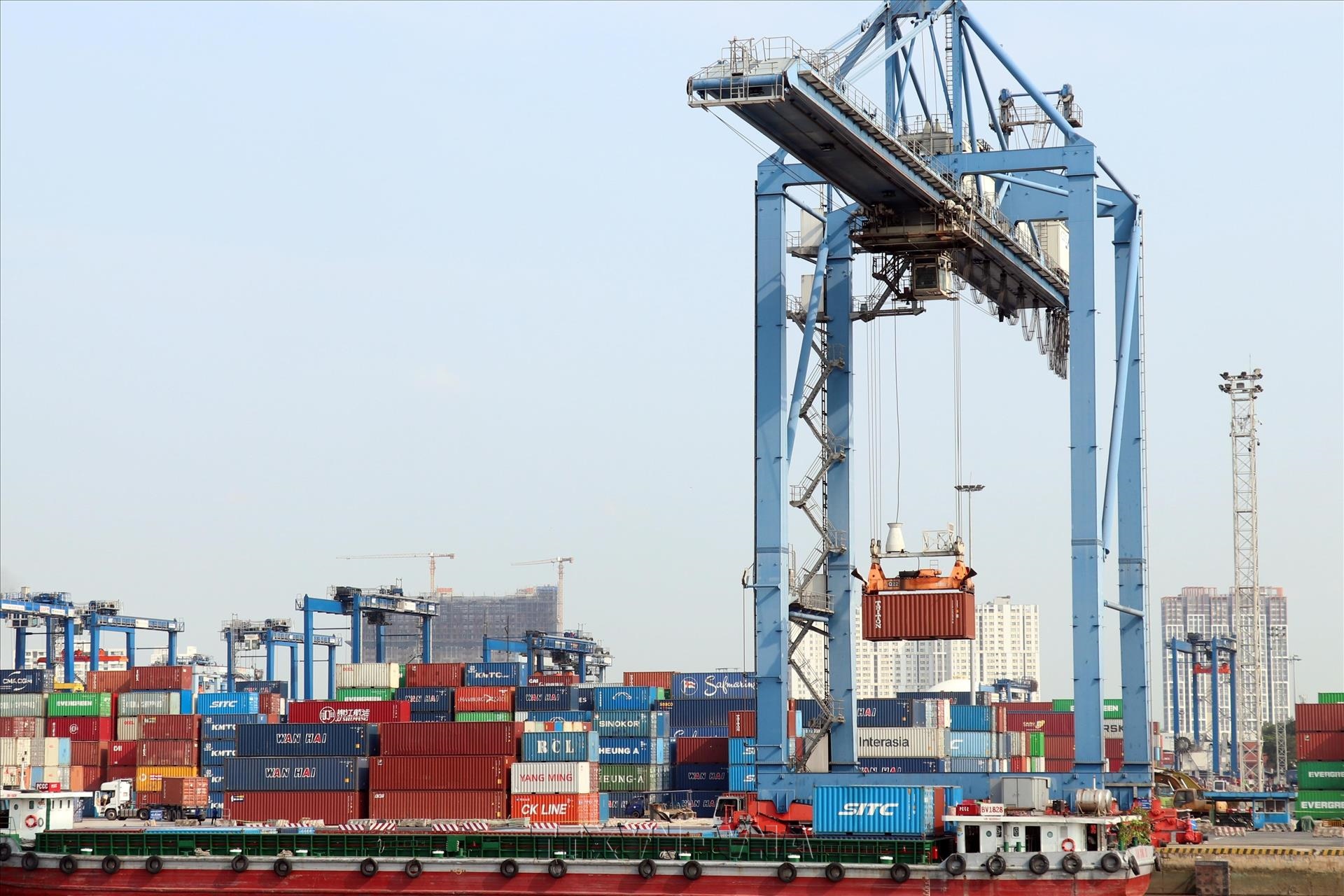
Services remained the key growth driver, expanding 8.89% in the first six months and accounting for 54% of GRDP while contributing 56% of overall growth. Transport recorded the strongest performance with growth of 13.68%, followed by trade at 8.4% and finance at 8.21%. Meanwhile, the real estate sector continued to face difficulties.
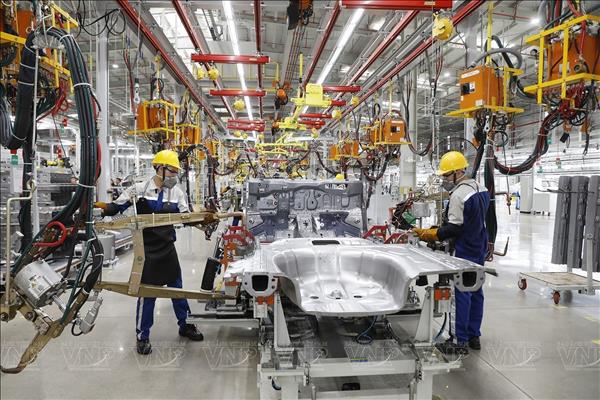
Industry and construction increased 8.5%, representing 32.8% of GRDP and contributing 30.6% to overall growth. However, the Statistics Office said the sector had not yet fully met growth expectations. Industrial production remained a highlight, with the industrial production index (IIP) climbing 11.1% in the first six months, up from 8.6% in the same period last year.
The business environment also showed positive momentum. The number of newly established enterprises rose 15.6% year-on-year, while newly registered capital increased 26.5%.
FDI inflows exceeded 6.8 billion USD in the first half, soaring 114.2% from a year earlier. The city licensed 888 new foreign-invested projects with total registered capital of more than 1.1 billion USD.
Despite the solid growth, the city continued to face challenges stemming from global economic uncertainty and persistently high energy prices. According to the report, rising production and logistics costs, together with higher prices for goods and services, have added pressure to the city's growth momentum.
The average consumer price index (CPI) expanded 4.41% during the period. Transport recorded the highest price increase at 6.19%, followed by food and catering services at 5.78% and housing and construction materials at 5.22%.
Public investment disbursement also lagged behind schedule, particularly for major infrastructure projects. As of June 26, nearly 37.3 trillion VND (1.43 billion USD) had been disbursed, equivalent to 25.3% of the Government-assigned annual plan.
Ho Chi Minh City is aiming for economic growth of at least 10% in 2026, meaning the economy will need to expand by more than 11% in the second half to meet the target.
To sustain growth, the Statistics Office recommended accelerating public investment disbursement, boosting domestic demand and closely monitoring market price movements. It also urged stronger support for businesses in accessing finance, production sites, administrative procedures, input materials and consumer markets.
The report further called for continued improvements to the investment and business environment, alongside stronger digital transformation, wider adoption of science, technology and innovation, and higher labour productivity to support sustainable, high-quality growth./.