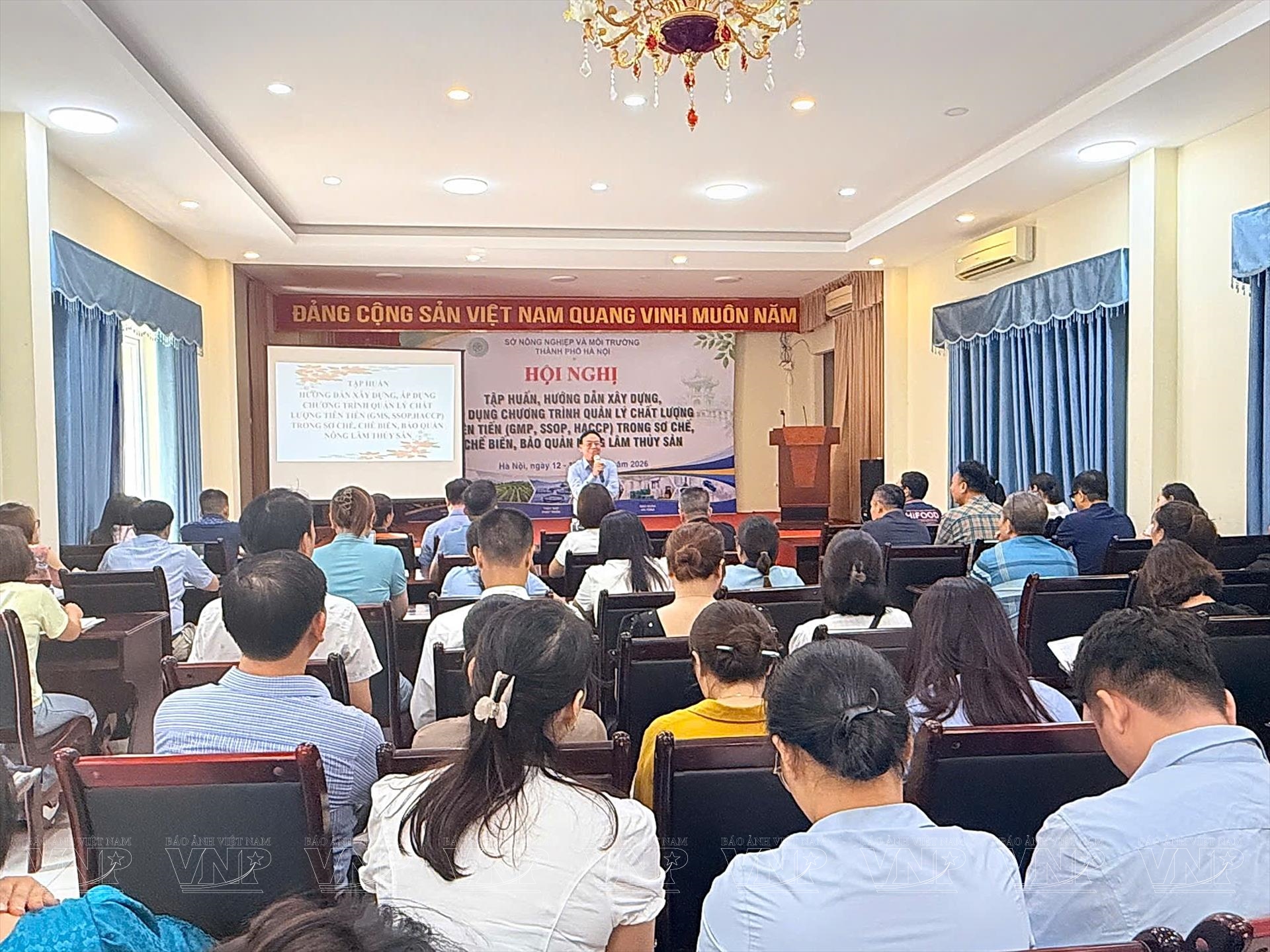
The Hanoi Department of Agriculture and Rural Development (HDARD) on August 12 held a conference to train agro-forestry-fishery processing and storage facilities in applying advanced quality management programs, including Good Manufacturing Practice (GMP), Sanitation Standard Operating Procedures (SSOP) and Hazard Analysis and Critical Control Points (HACCP).
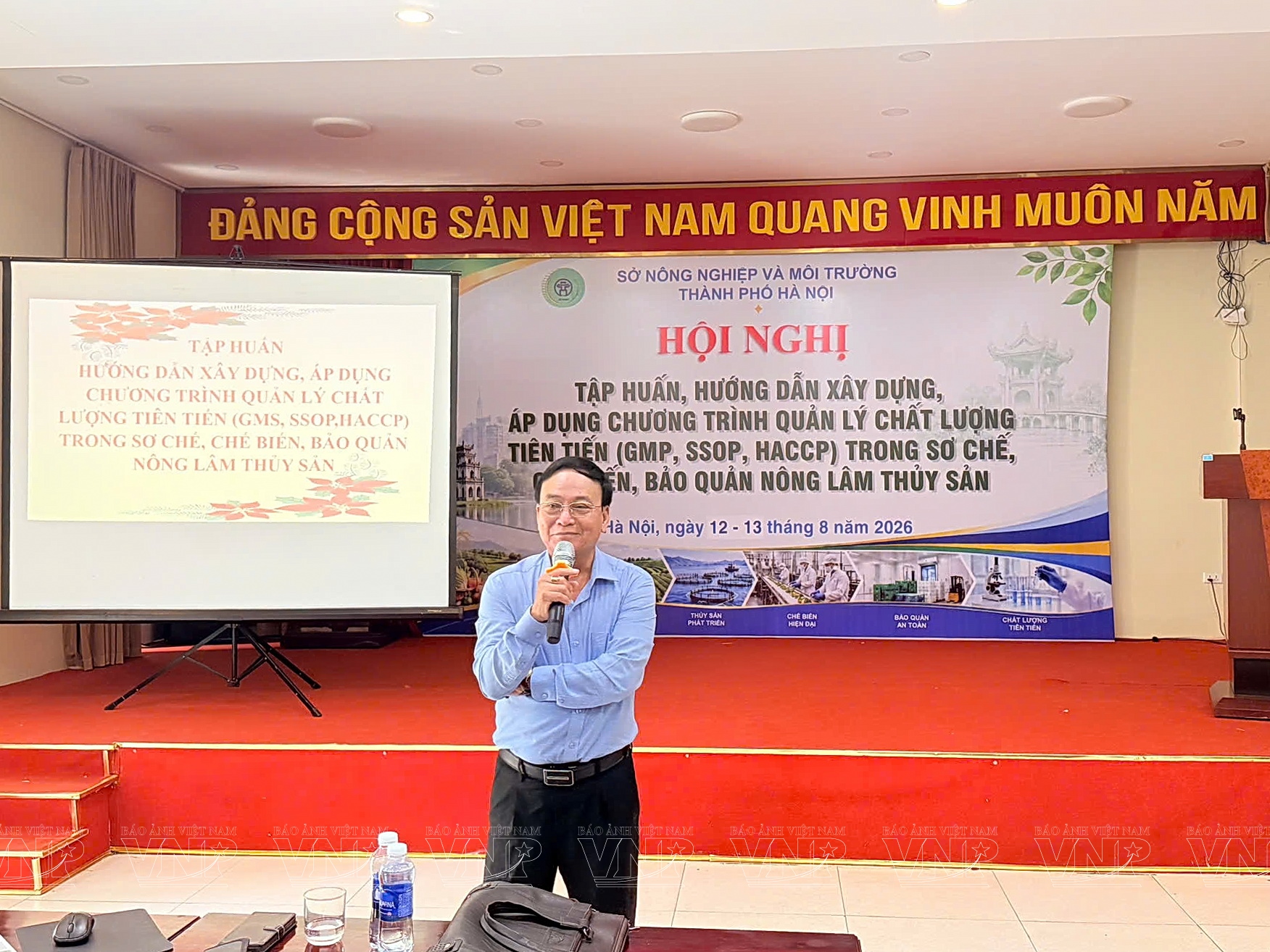
Addressing the conference, Nguyen Thanh Trung, Deputy Head of HDARD’s Quality and Market Development Division, said that Hanoi has recently made positive strides in ensuring food safety through regular inspections, supervision and penalty measures.
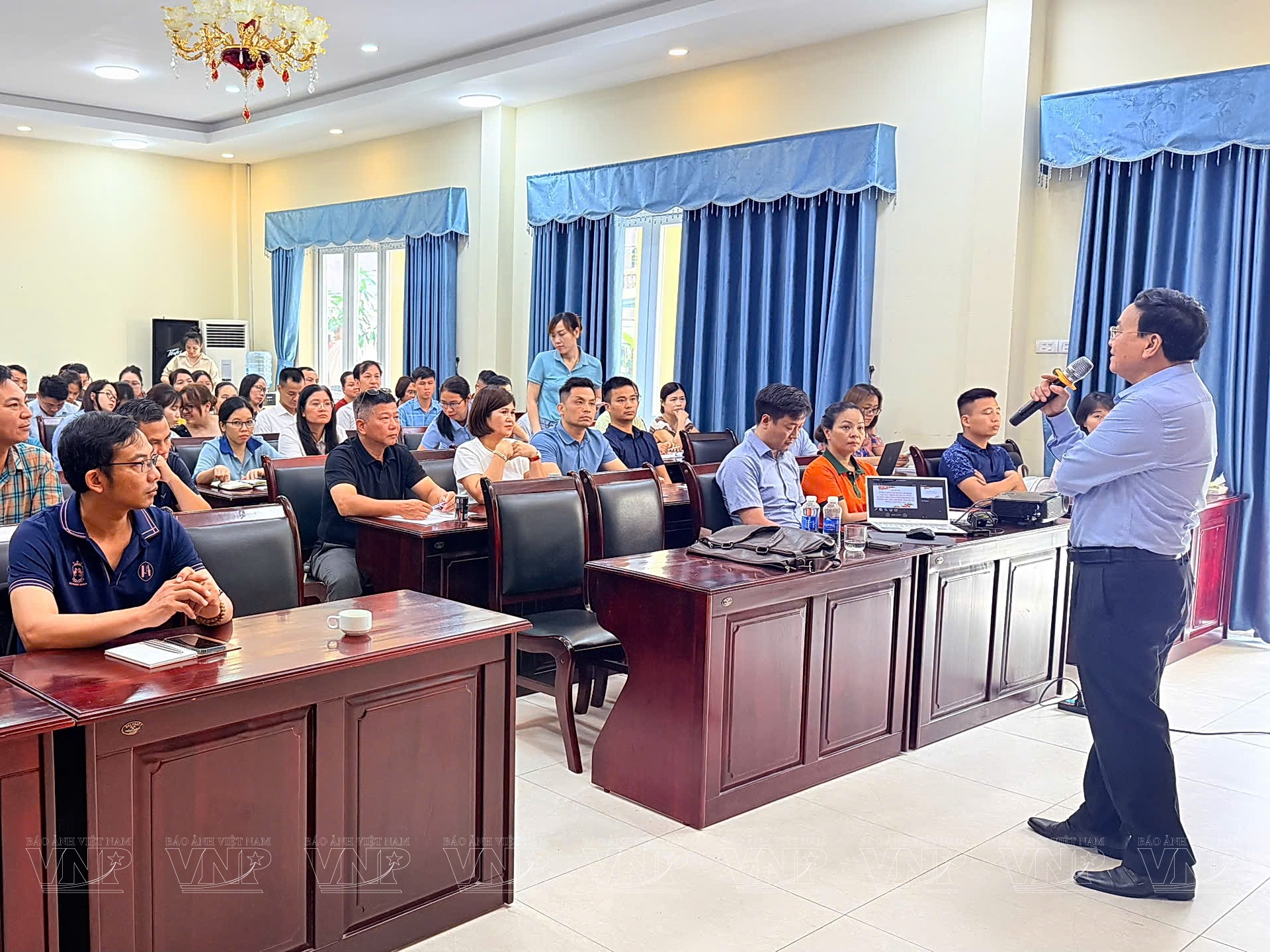
However, given the city's food market size, diverse supply sources and large number of food producers and traders, the risk for food safety remains. According to Trung, alongside strengthening state management, raising the awareness and responsibility of producers, traders and consumers is key to improving the quality of food.
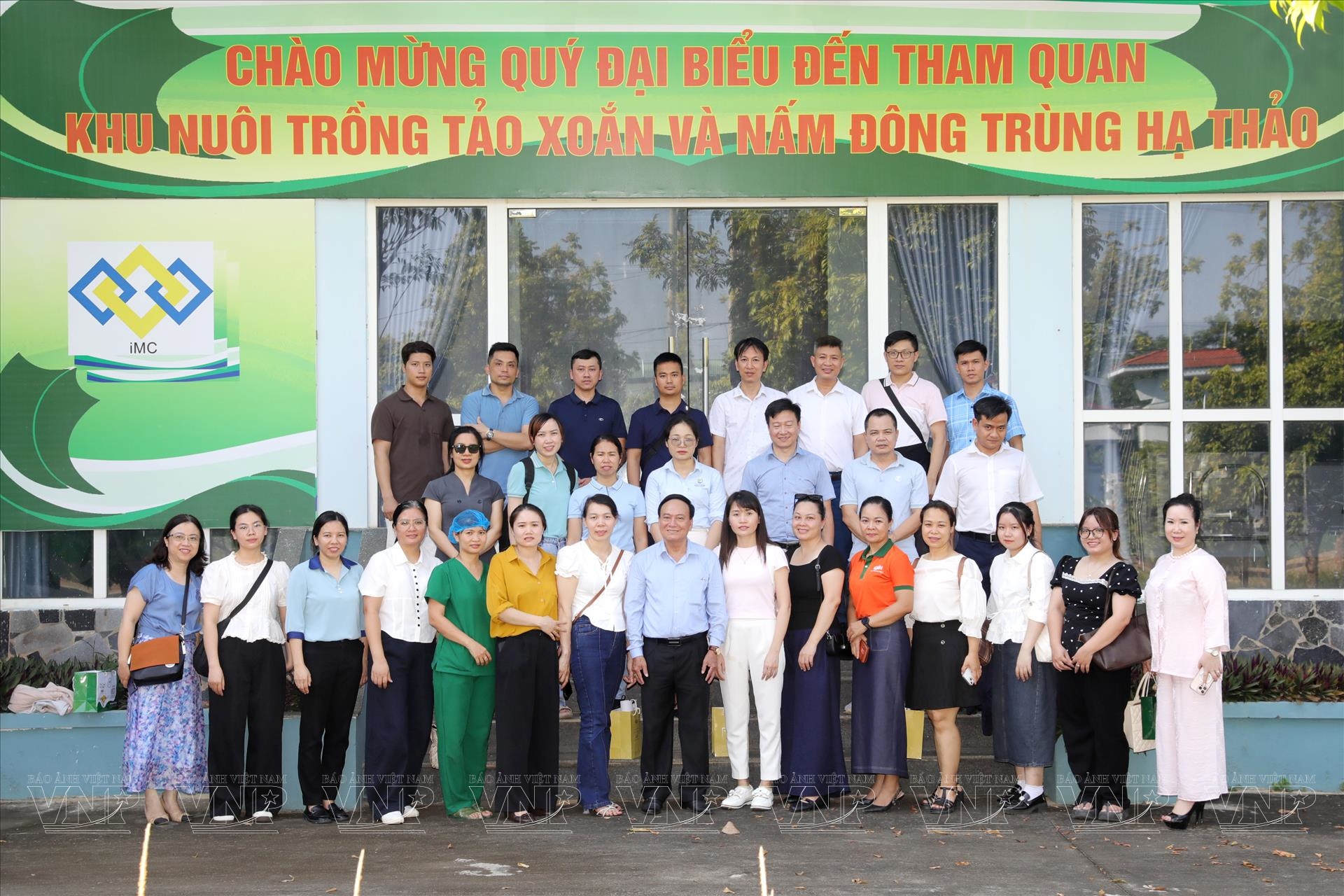
As one of Vietnam's largest food consumption hubs, Hanoi houses tens of thousands of food production, processing and trading facilities. To safeguard consumers, the city regularly conducts inter-agency inspections targeting traditional markets, restaurants, institutional kitchens and food processing plants.

During the 2025 Lunar New Year holiday and spring festival season alone, authorities inspected over 16,000 facilities, uncovering 1,857 violations and imposing fines totaling over 11 billion dong (approximately 433,000 US dollars). Yet, systemic challenges remain, including unknown origin of raw materials, substandard hygienic conditions at small processing units, improper use of chemicals and food additives, and weak food traceability at traditional wet markets.
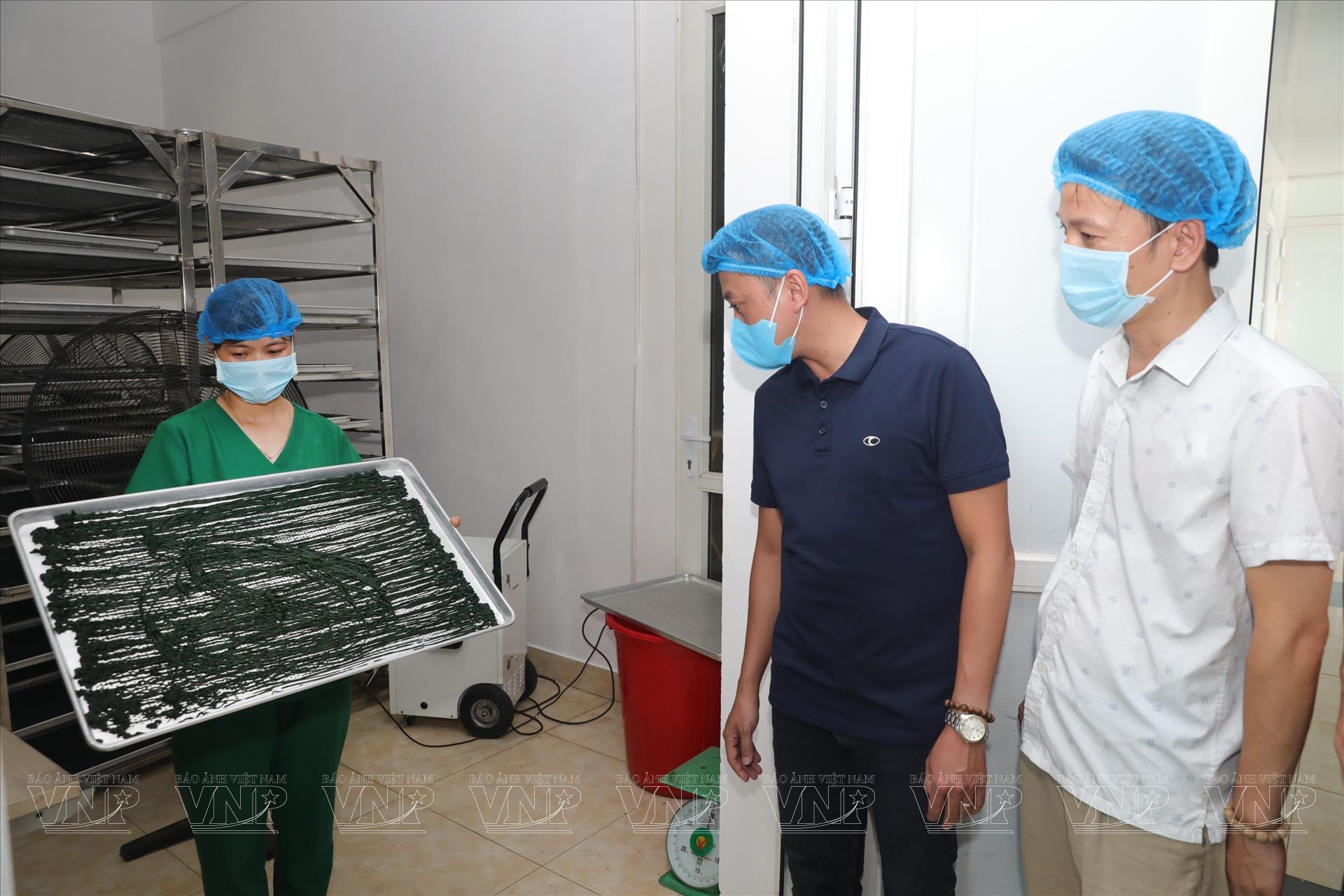
Addressing these hurdles through education and technical standards was a primary focus of the training program.
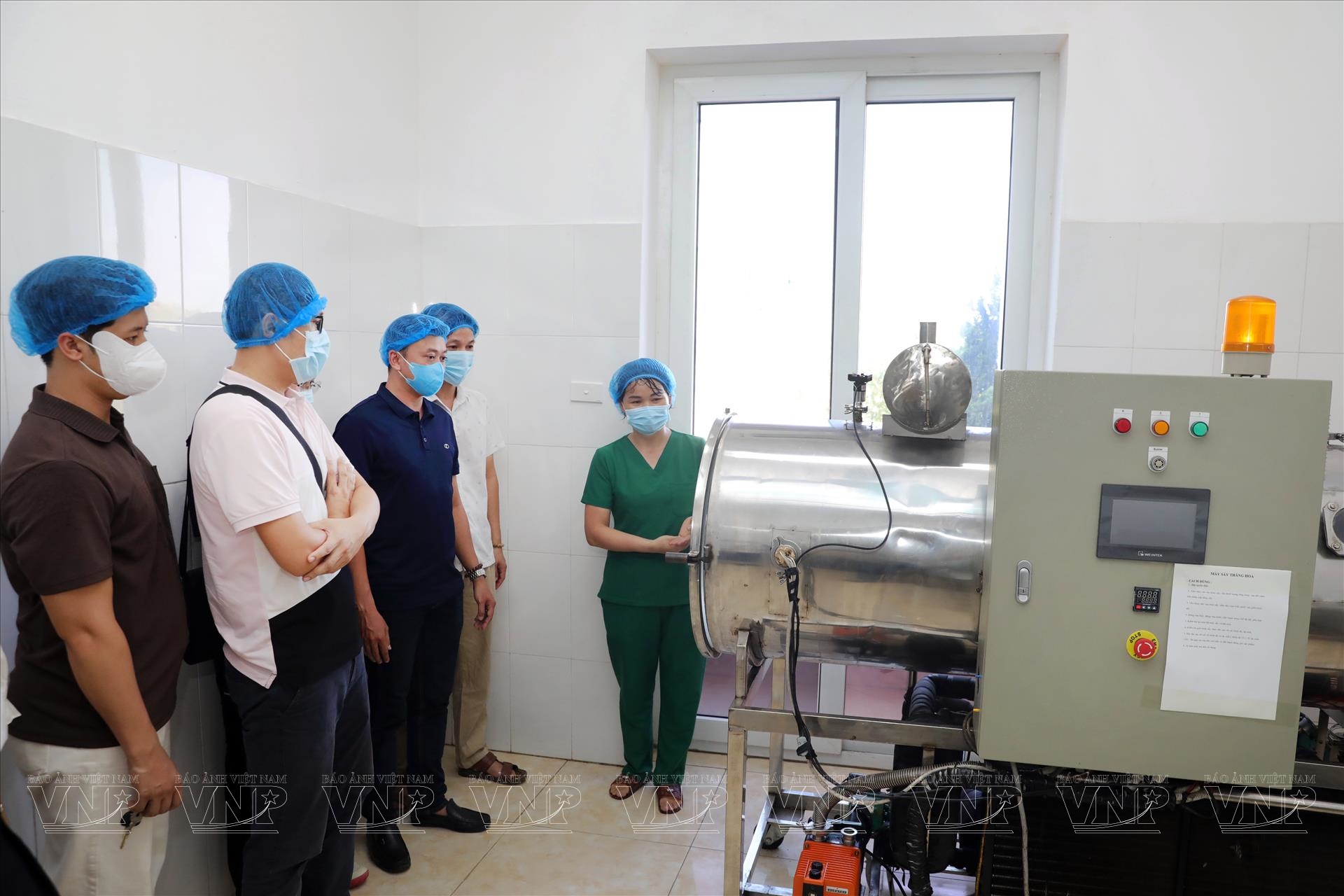
At the event, Phan Van Doi, former Principal of the Central - Central Highlands Agricultural Alliance School, said that food safety not only affects public health and lives but also impacts economic development, culture, tourism and social security.
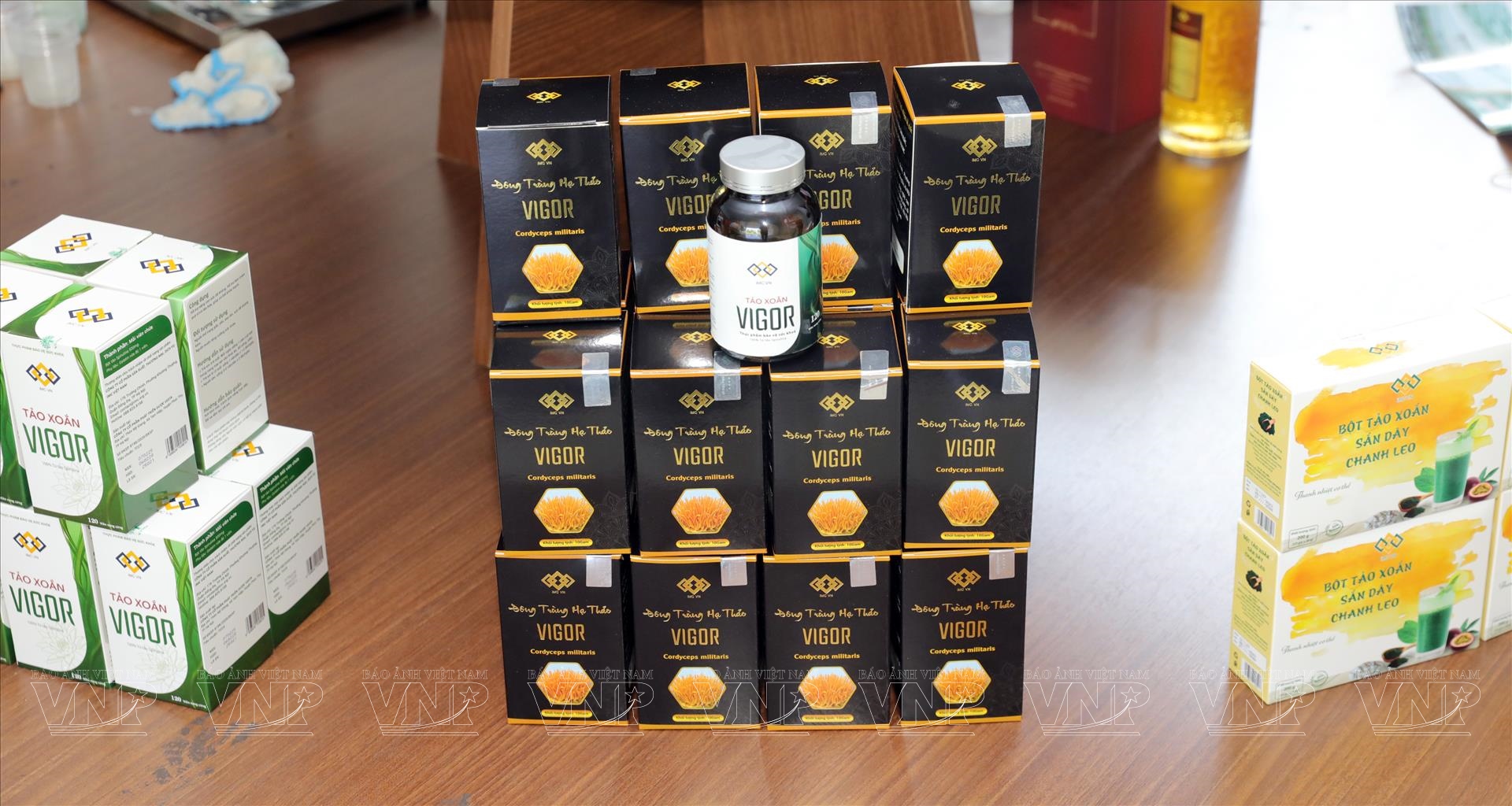
According to him, ensuring food safety helps improve human resource quality, drive socio-economic growth, support poverty reduction and facilitate international cooperation in agriculture and food trade.
Trainees at the conference were updated on prerequisite conditions for ensuring food quality and safety at agro-forestry-fishery establishments. The training also introduced skills to identify food safety risks and the core principles of the HACCP system, a preventive management approach focusing on controlling risks during the production process rather than relying solely on end-product testing.
The training also provided instructions on how to develop and operate quality and safety management self-assessment systems in accordance with GMP, SSOP and HACCP standards. These systems encompass procedures, measures and operations established by businesses to control factors influencing product quality, from raw input materials to end-products.
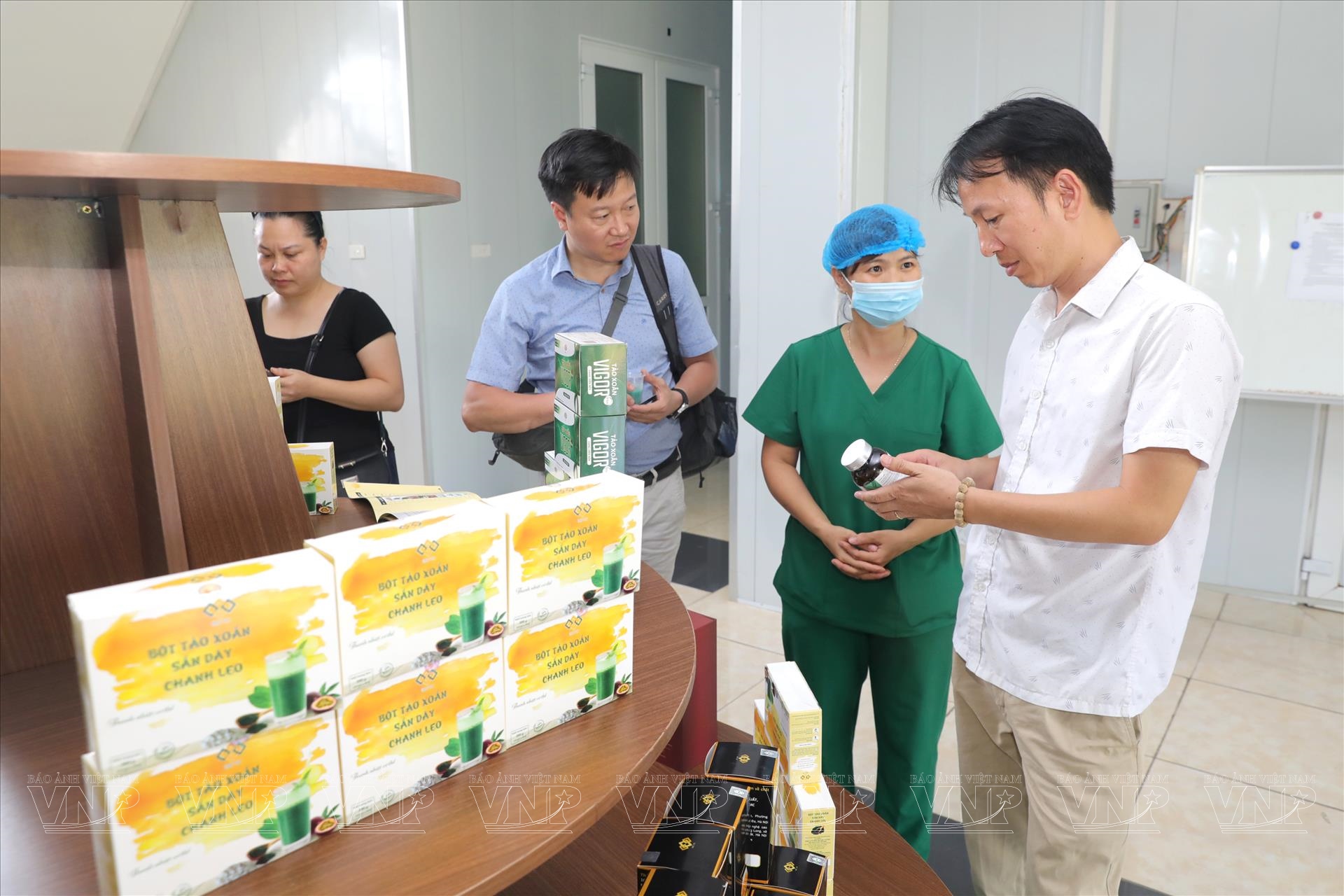
Experts agreed meeting hygiene and quality control standards helps businesses not only comply with law but also reduce contamination risks and production losses, and enhance their brands.
Through this training program, Hanoi expects agro-forestry-fishery processing and preservation facilities to enhance advanced quality management, gradually establishing proactive risk-control production models that elevate product quality and ensure sustainable food safety for the capital./.