Regulatory and policy shake-up
The first pillar calls for a consistent, transparent and predictable overhaul of investment legal framework to give investors the certainty they crave.
With the global minimum tax now in play, the ministry said Vietnam must pivot hard from tax breaks to cost-based support. Incentives will target infrastructure, workforce training, research and development, and innovation, which directly lower investment costs and lift operational efficiency, a formula already being copied by countries competing for quality FDI.
Investment, land, construction and environmental approvals need to be fused into a seamless, time-squeezed process so projects can break ground faster. The ministry singled out hi-tech, semiconductor, energy and data centre projects for fast-track treatment as global corporate giants step up their interest.
Work permit and visa rules for foreign experts also need further streamlining to keep up with the scale and speed of large, hi-tech projects.
To enforce policy consistently, the ministry urged tighter coordination among ministries, agencies and localities, stamping out overlaps and patchy application of rules that frustrate investors.
Infrastructure overdrive
Infrastructure is a prerequisite if Vietnam wants to stay in the FDI race.
Strategic transport, energy and logistics networks tied to key economic and industrial corridors must come first. That means speeding up inter-regional expressways, deep-water seaports, airports and transshipment hubs to slash shipping costs, tighten supply chain links and power production and trade.
At the same time, building integrated industrial-urban-logistics clusters in the key northern, central and southern economic regions would also open up ready-made space for large-scale, concentrated FDI.
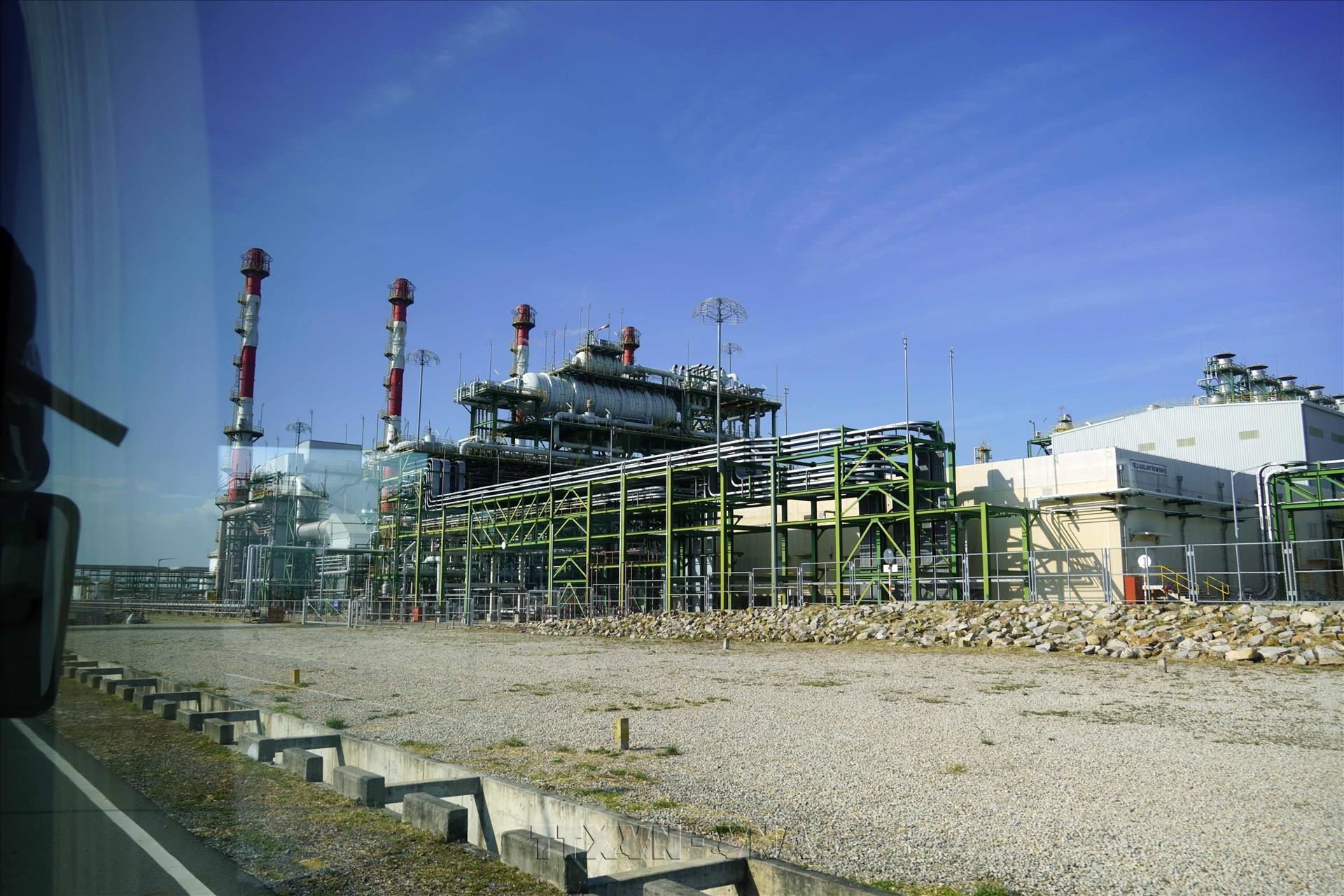
On energy, the ministry stressed the need for stable, long-term electricity supply to hi-tech industries, data centres and semiconductor plants. It called for a faster rollout of renewables to meet multinationals’ green transition requirements and the worldwide push for sustainable investment.
Workforce and business linkages
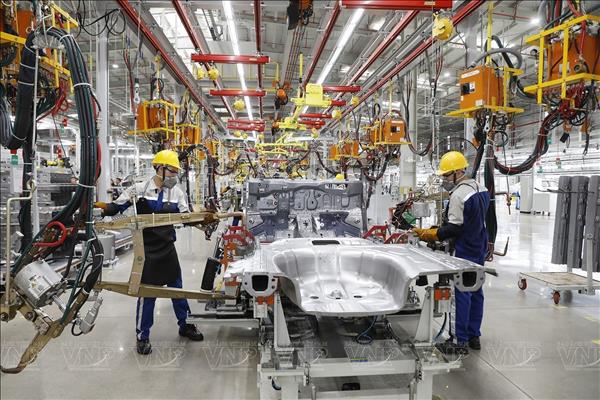
As FDI tilts toward hi-tech, semiconductors, electronics, artificial intelligence (AI) and data centres, the scramble for specialised, technically skilled workers is exploding.
Shortages of highly skilled technicians are already slowing projects down. To fix that, training establishments and foreign-invested enterprises must forge tighter links, letting companies gradually order tailor-made training programmes that match exactly what their industries and individual factories need. Semiconductors, IT, electronics and AI should top the list, given their potential to generate new growth engines.
Beyond training new workers, reskilling and upskilling courses must ramp up fast to keep pace with the pivot to hi-tech production.
The ministry pushed for simpler work permit and visa procedures so foreign experts, engineers and managers can enter and get to work without the usual headaches. Attracting overseas talent is expected to sharpen the country’s ability to soak up technology and management know-how while helping domestic firms climb deeper into the global value chains.
It also urged a far more targeted and focused approach to investment promotion, aiming squarely at tech titans and projects that pack high added value, strong technology spillovers and the muscle to lift domestic industries.
Fostering foreign-local business links is another top-line priority, seen as the key to raising local content and propelling Vietnamese firms deeper into global supply chains./.