Nearly six years after taking effect, the EU–Vietnam Free Trade Agreement (EVFTA) has continued to play a critical role in expanding Vietnam's exports to the European Union (EU), helping businesses strengthen their competitiveness and gain a firmer foothold in one of the world's most demanding markets.
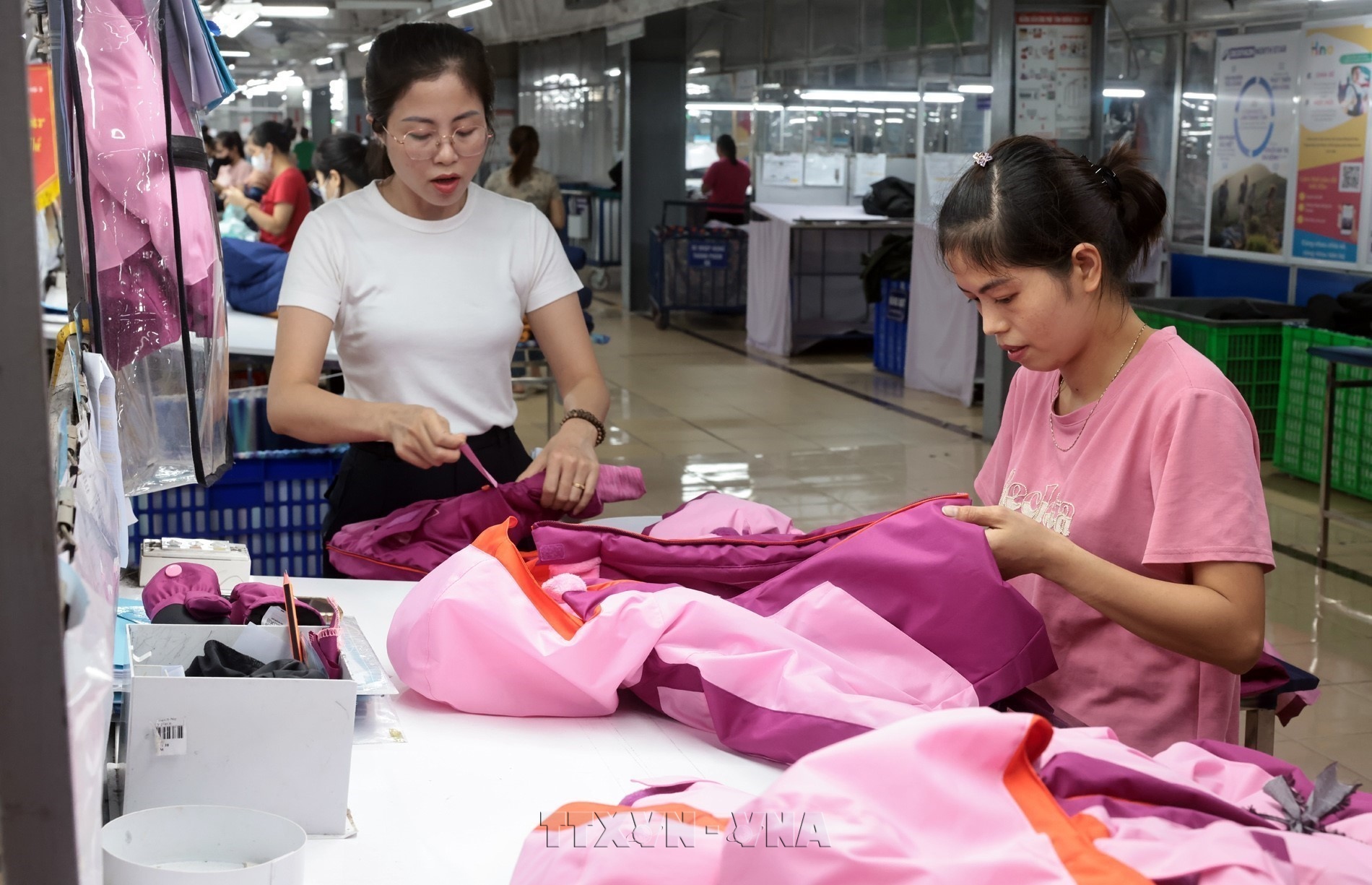
Beyond tariff reductions, the agreement has enabled Vietnamese exporters to integrate more deeply into global supply chains.
However, experts warn that this competitive advantage will not last indefinitely as the EU signs free trade agreements (FTAs) with more partners, making it crucial for Vietnamese businesses to turn current incentives into long-term strengths.
According to experts, the EVFTA is an important element in the Party's strategic directions for international economic integration, in line with the Politburo's Resolution No. 59-NQ/TW on international integration in the new context.
The agreement has become even more important as the EU diversifies its supply chains, reduces dependence on some traditional suppliers and broadens trade ties with new partners.
Tran Ngoc Quan, Vietnam's Trade Counsellor in Belgium and the EU, said Vietnam currently enjoys a head start of about three to five years over many countries that do not yet have FTAs with the EU. This period is important for Vietnamese enterprises to expand their market share before the EU concludes trade agreements with countries such as India and Indonesia.
The biggest advantage of the EVFTA is no longer just lower tariffs but the opportunity to establish a lasting presence in the market, Quan said.
Businesses that effectively use this period to expand distribution networks, build relationships with importers and demonstrate product quality will be better positioned even after competitors receive similar tariff preferences, he noted.
The agreement has already delivered tangible results. Bilateral trade exceeded 73.8 billion USD in 2025, with Vietnam's exports topping 56 billion USD.
In the first five months of 2026, Vietnam's exports to the EU reached 25.78 billion USD, up 13.3% year-on-year, generating the country's largest trade surplus among all export markets, statistics show.
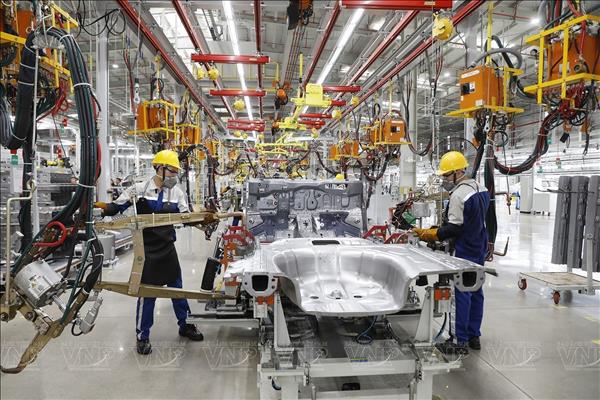
Growth has come not only from manufacturing industries such as electronics, computers and components, but also from agricultural, forestry and fishery products, including coffee, fruit, vegetables, cashew nuts and seafood. This reflects Vietnamese businesses' improving ability to meet the EU's strict requirements on quality, traceability and sustainable production.
Nguyen Hoai Nam, Secretary General of the Vietnam Association of Seafood Exporters and Producers (VASEP), said the EVFTA has helped the fisheries sector maintain annual exports to the EU of between 1.1 billion USD and 1.3 billion USD despite intensifying competition and the impact of the EU's "yellow card" warning against illegal, unreported and unregulated (IUU) fishing.
He noted that Vietnamese shrimp, in particular, has increased its presence in European distribution networks through EU-certified processing facilities.
At the same time, the EU market is introducing increasingly stringent requirements. New regulations such as the Carbon Border Adjustment Mechanism (CBAM), the EU Deforestation Regulation (EUDR), circular economy rules, ecodesign requirements and digital product passports are reshaping market access conditions.
Nguyen Thi Hoang Thuy, head of the Vietnam Trade Office in Sweden and the Nordic region, said competitive advantage is shifting away from price and tariff preferences towards data governance, supply chain transparency and proof of product sustainability.
This means businesses must meet environmental and traceability requirements throughout the product lifecycle, from design and sourcing to emissions reporting and supply chain management. Green transformation, she said, is no longer optional but essential for entering the EU market.
The Ministry of Industry and Trade said significant room remains to make better use of the EVFTA. In 2025, only about 34.6% of exports eligible for EVFTA preferences used certificates of origin under the agreement, indicating that many businesses have yet to fully benefit from its provisions.
Tran Thanh Hai, Deputy Director of the ministry's Agency of Foreign Trade, said compliance with rules of origin remains the key condition for enjoying tariff preferences. He urged businesses to restructure supply chains, increase the use of domestic materials and make better use of origin accumulation mechanisms where applicable.
To maximise the EVFTA's long-term benefits, Vietnamese businesses are recommended to move beyond relying on tariff incentives and instead invest in technology, green transformation, data governance and traceability.
Meanwhile, industry associations and Vietnam's trade offices in the EU need to strengthen early warning on policy changes, help businesses connect with importers, expand distribution channels and build stronger Vietnamese brands in Europe, Hai went on.
As tariff gaps gradually narrow in the coming years, experts believe that competitiveness will depend increasingly on sustainability, value-added production and brand recognition, allowing the EVFTA to remain a key stepping stone for Vietnam's export growth in the new phase of international integration./.