The government's efforts to strengthen national energy security fall under the Prime Minister's Directive No. 10/CT-TTg on electricity saving and rooftop solar development.
At the end of July, Cua Lo Beach in the central province of Nghe An is bustling with tourists. Hotels, restaurants and tourism service providers are operating at full capacity during the peak summer season.
According to the Cua Lo Ward People’s Committee, the locality has welcomed more than four million visitors so far this year, up about 12% year-on-year. While the tourism boom has generated significant revenue, it has also sharply increased electricity consumption.
At Muong Thanh Cua Lo Hotel, occupancy has reached 83–85% during the summer months, requiring cooling systems, laundry facilities and other equipment to operate almost continuously.
Vo Huy Tuan, the hotel’s managing director, said the hotel has upgraded equipment, invested in environmentally friendly technologies and encouraged employees to use electricity more efficiently. Instead of reducing services, it has focused on optimising operations of major power-consuming systems, particularly laundry and cooling facilities.
“We have adjusted the operating schedule of laundry equipment to avoid peak hours. This helps reduce electricity costs while ensuring sufficient power is available for other services,” Tuan said.
Similar changes are taking place at restaurants and tourism service providers, many of which are replacing outdated equipment with energy-efficient alternatives and adjusting the operating schedules of high-power appliances.
Le Anh Tuan, owner of Tuan Phu Quy Restaurant in the Thien Cam tourism site in the central province of Ha Tinh, said monthly electricity bills have fallen by more than 10% after the restaurant adopted power-saving measures recommended by the local power utility, including replacing old air conditioners and lighting systems and requiring staff to switch off unused equipment.
Alongside efforts to improve energy efficiency, many businesses and households are investing in rooftop solar systems as a long-term solution. Nguyen Van Hung, Vice Chairman of the Cua Lo Ward People’s Committee, said nearly 20% of hotels in the locality have installed rooftop solar systems, helping reduce electricity costs while easing pressure on the power supply during the hottest months.
The company works with local authorities and media agencies to promote efficient electricity use, while also providing information and technical advice to households and businesses interested in rooftop solar systems.
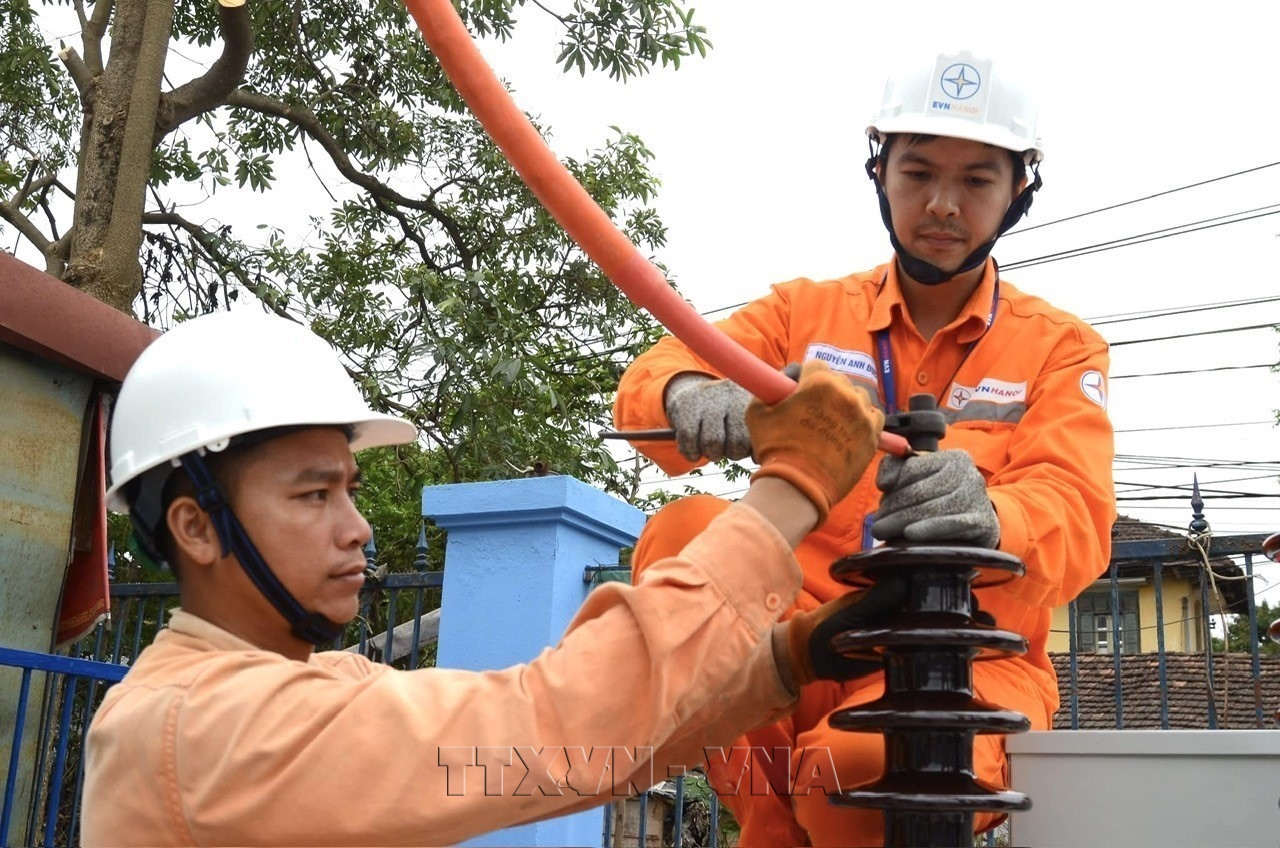
Phan Van Nhan from the Can Loc Power Company in Ha Tinh said electricity consumption in the commune surged 24% year-on-year in June due to extreme heat. To ensure a stable power supply, the utility has stepped up public awareness campaigns and advised customers using more than 1,000 kWh a month to consider rooftop solar systems.
Nhan noted that many high electricity bills stem from wasteful habits such as leaving water heaters on, running air conditioners continuously or keeping lights on unnecessarily. He also advised households not to set air conditioners at excessively low temperatures, as this increases electricity consumption and shortens equipment lifespan.
With electricity demand expected to rise alongside industrialisation, urbanisation and climate change, Directive No. 10/CT-TTg will require the joint efforts of authorities, businesses and the public. Broader adoption of energy-efficient technologies and responsible electricity use will help strengthen national energy security while supporting Vietnam’s green and sustainable development goals./.