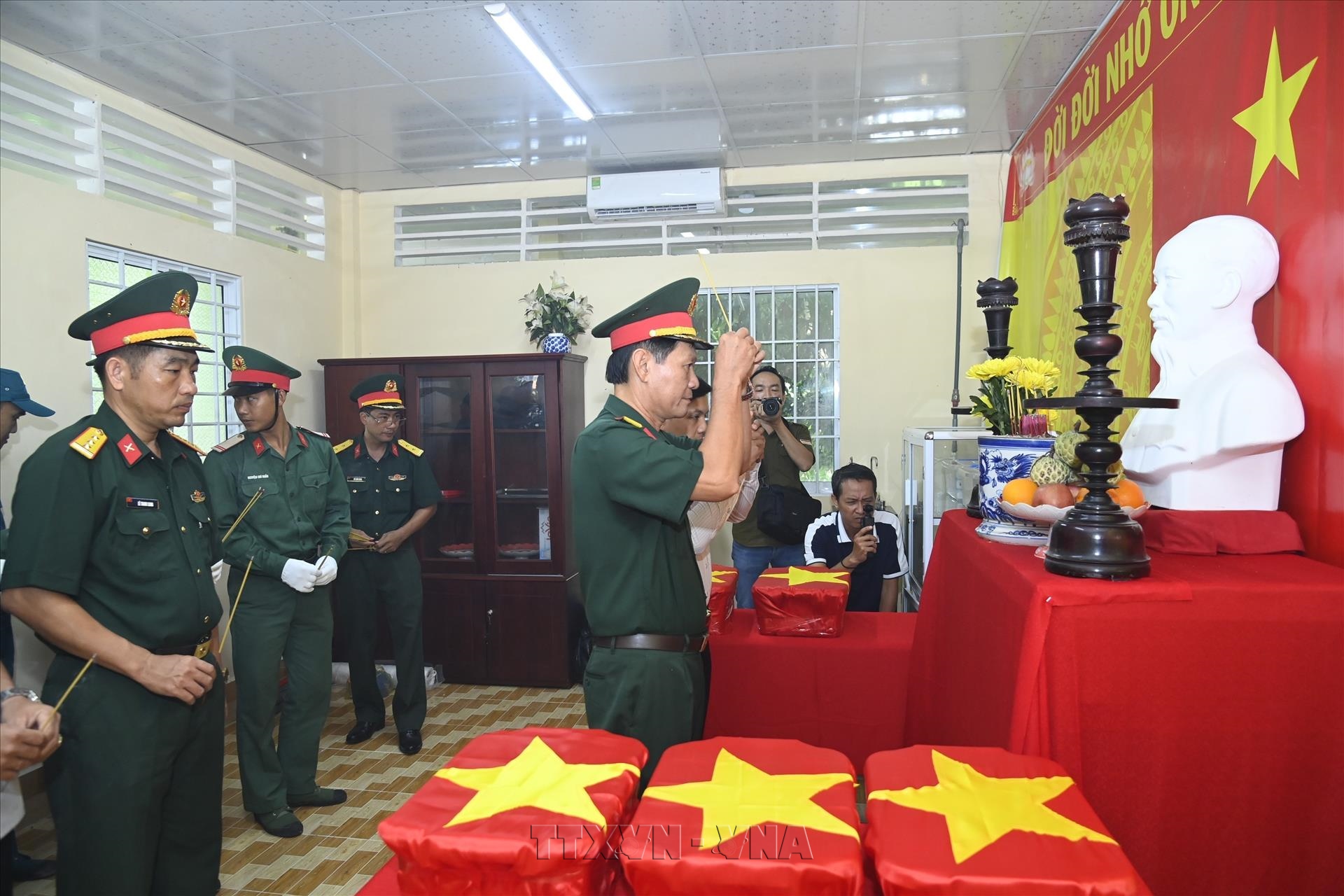
In the northern province of Phu Tho, a mass DNA collection from relatives of fallen soldiers is offering new hope that those who sacrificed everything for the nation may one day be identified and returned to their families under their rightful names.
Samples carry the weight of family hopes
As part of a nationwide campaign running from July 4–11, Phu Tho provincial police teamed up with local agencies to gather 14,615 DNA samples from relatives at 32 sites. The donors came from 148 administrative units.
The samples will feed a national DNA database for fallen soldiers’ relatives, creating a critical resource to match unidentified remains and put names to martyrs whose information has long been lost.
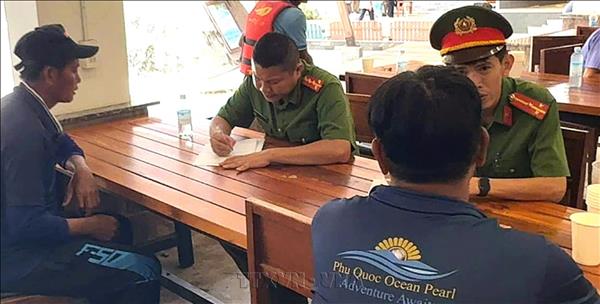
From early morning, relatives packed the collection site in Vinh Tuong commune, hoping their presence would help restore the identities of loved ones who died in service of the country. Among them were elderly parents, siblings, children, and grandchildren of the fallen.
Ha Van Quyet, Secretary of the communal Party Committee, said collecting DNA from fallen soldiers’ relatives is a task of profound humanitarian and historical significance, part of a 500-day national drive.
To keep the process rolling smoothly, local authorities worked with relevant agencies to raise public awareness, follow professional procedures, and ensure the collection is accurate, safe, and convenient for residents.
A shared push to restore names of the fallen
A similarly packed scene unfolded at the collection site in Yen Lac commune, where more than 1,200 DNA samples were gathered from Yen Lac, Te Lo, Nguyet Duc, and Lien Chau communes.
Staff were deployed at every step, guiding donors through registration, collecting biological samples, and updating digital records, to keep the operation efficient and on track with established procedures.
Maj. Nguyen Hoang Long, deputy head of the Administrative Management Division for Social Order under the Phu Tho provincial Department of Public Security, said that after eight days, police at all levels have pulled in a substantial number of samples for the national database. Many elderly travelled to collection sites on their own, while police officers made house calls for those who couldn’t make the trip.
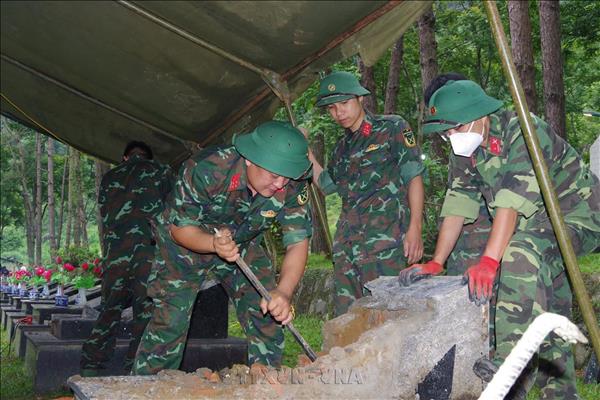
Backed by sci-tech advances, coordinated government action, and families’ cooperation, Vietnam is steadily advancing its mission to restore the identities of those who gave their lives for the national independence and freedom.
Prime Minister Le Minh Hung on July 8 issued an official dispatch, urging ministries, agencies and localities to intensify efforts to search for, recover and identify the remains of fallen soldiers, describing the task as a sacred political responsibility and a profound expression of Vietnam’s enduring tradition of gratitude toward those who sacrificed for the nation.
As of July 8, authorities had recovered the remains of 1,312 fallen soldiers, including 396 in Vietnam, 174 in Laos and 742 in Cambodia. Samples had been collected from 35,925 unidentified graves at martyrs’ cemeteries nationwide, while biological samples from 93,464 relatives had been obtained. More than 53,000 of those samples had been integrated into the national database. Authorities are also preserving over 11,600 remains samples and accelerating DNA analysis to establish identities./.