The resolution issued on January 7, 2026, highlights the need for special mechanisms to discover, train, nurture and effectively utilise talents in cultural and artistic fields, particularly traditional arts.
Artists and cultural experts have welcomed the move as a timely and necessary step to address the risk of traditional art forms fading amid the rapid growth of technology-driven entertainment.
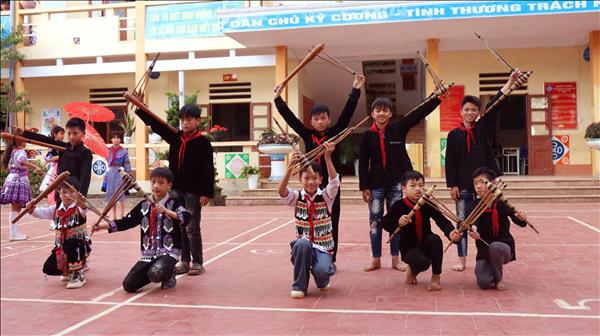
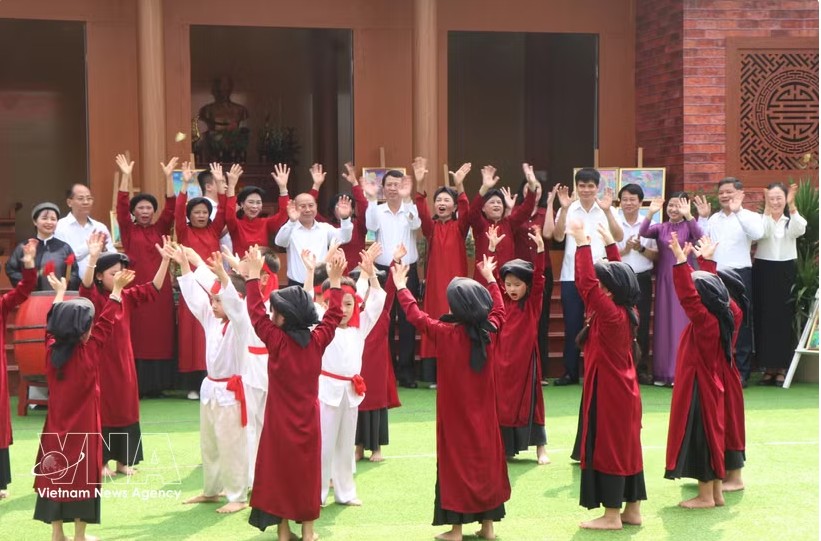
Vietnam’s traditional arts represent a rich and diverse cultural treasure built over generations. They span various genres, from stage performances such as tuong, cheo, cai luong and puppetry, to music forms like ca tru, quan ho, xoan singing, xam singing and bai choi, as well as folk and royal dance traditions.
Beyond preserving national identity and transmitting cultural values, these art forms also serve as a vital resource for the country’s cultural industries. Many traditional performances have become highlights for both domestic and international tourists exploring Vietnam’s cultural landscape.
Recent years have seen a surge in creative projects inspired by traditional culture across music, fashion and architecture. Popular songs blending modern styles with folk elements, such as “See Tinh” by Hoang Thuy Linh and “Bac Bling” by Hoa Minzy, are hits, demonstrating the enduring influence of traditional arts as a source of innovation and cultural promotion.
Despite these positive signs, many traditional art forms continue to struggle for relevance. Training and talent development remain limited, while insufficient support policies have made it difficult for artists to sustain their careers. The increasing commercialisation of the arts has also led to distortions in some traditional performances.
As a result, several veteran artists and artisans have left their professions, raising concerns about the risk of cultural loss. Experts stress that comprehensive and decisive solutions are needed to preserve these invaluable art forms.
Resolution 80 is therefore seen as a crucial framework for revitalising traditional arts. In an era where young audiences are drawn to modern entertainment, targeted State support is considered essential to safeguard cultural heritage.
Many experts have proposed tailored training programmes for young talents, along with stable job placement after graduation. Improved salaries and professional allowances are also needed to ensure artists can make a living from their craft without relying on additional work.
With its focus on fully recognising and effectively harnessing cultural resources, placing heritage at the centre of development, the resolution provides a clear roadmap to reaffirm the importance of traditional arts in Vietnam’s cultural future./.