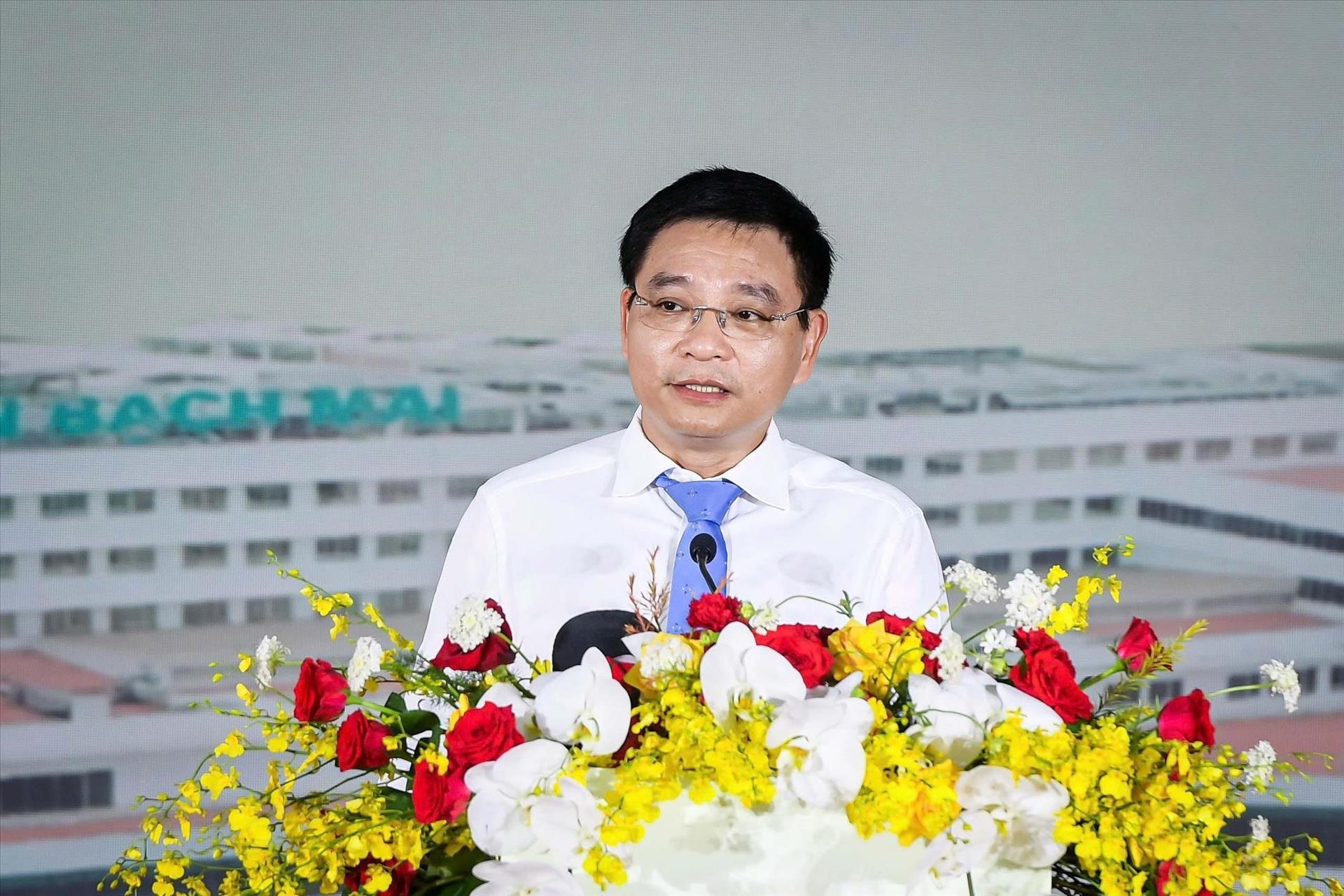
Deputy Prime Minister Nguyen Van Thang has expected the Ninh Binh campus of Bach Mai Hospital to become a regional nucleus of specialised care, bridging central and local health systems and serving as a trusted medical destination for residents in Ninh Binh province, the southern Red River Delta, the north-central region, and nearby areas.
Speaking at the campus’s inauguration hosted by the Health Ministry on June 26, Thang said the Party and State consistently consider health the most precious asset of every citizen – the bedrock of well-being, a quality workforce, and the nation’s rapid, sustainable development. Protecting and improving public health is both a goal, a driving force and a critical political task.
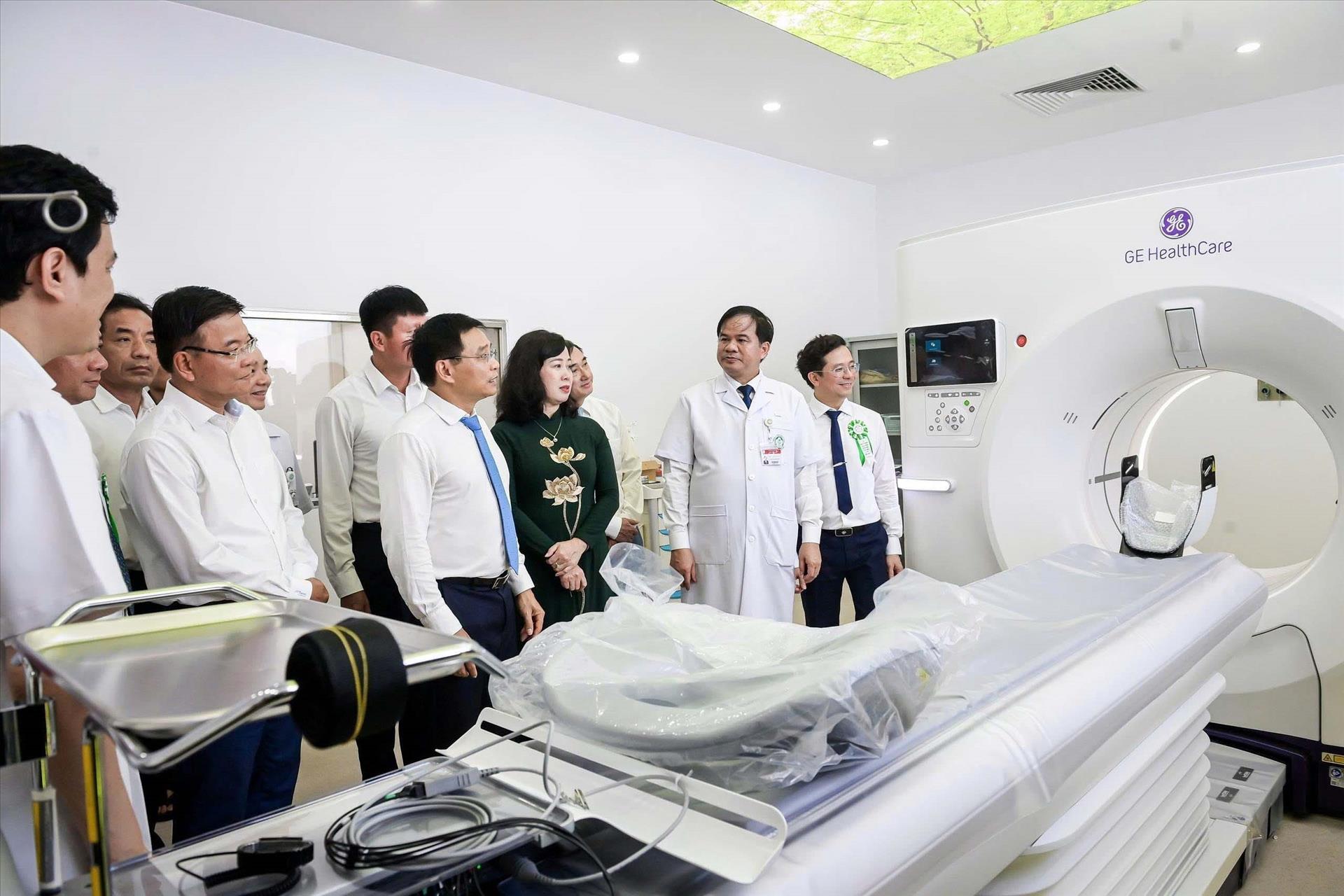
He praised the hospital’s shift to a multi-campus model with unified professional standards, governance, training, research, service culture, and digital transformation.
The Deputy PM called on the ministry, Ninh Binh authorities, and hospital leaders to fully adopt the principle of “One Bach Mai – two campuses – one quality standard – one governance system – one service culture” and focus on several priorities.
The hospital was urged to operate at the highest professional standards, follow the strictest procedures, and maintain the strongest sense of responsibility; ensure real consistency between the two sites; build a quality workforce and a professional, people-centred working environment; lead in science – technology, innovation, and healthcare digital transformation; solidify its role as the anchor of the regional healthcare system; and create a modern, transparent, efficient, and sustainable governance model.
The State will continue to support the health sector, Ninh Binh, and Bach Mai Hospital to maximise the return on the resources spent and deliver better health care, helping build a modern, humane, equitable, efficient, and globally integrated Vietnamese health system, he said.
Health Minister Dao Hong Lan said the campus opening shows the Government’s determination to leverage state investment into wider access to quality care, ease overcrowding at central-level hospitals, and bring advanced services closer to the public.
To ensure the Ninh Binh campus runs smoothly and fulfills its mission, she asked the hospital to uphold high professional standards and patient safety, gradually align the quality of care between the two campuses, and standardise clinical procedures and quality management.
The hospital must also proactively secure enough staff, funding, medicines, supplies, and equipment; boost training, specialist rotations, and development of local healthcare workers; and prioritise high-demand specialties such as emergency medicine, intensive care, cardiology, stroke, oncology, surgery, diagnostic imaging, and lab medicine, she said.
Assoc. Prof. Dr. Dao Xuan Co, Director of Bach Mai Hospital, said that under the ministry’s direction, the hospital has drawn up a comprehensive operational plan built on synchronous infrastructure, complete legal framework, unified professional standards, and absolute patient safety.
Over the past six months, thousands of tasks have been tackled at once, covering organisational restructuring, staffing, infrastructure, medical equipment, IT, training, clinical expertise, and hospital governance. The Ninh Binh campus is now ready to become fully operational with 1,000 inpatient beds, 21 clinical departments, six paraclinical departments, and a modern medical complex spread over more than 20 ha.
More than 1,300 officials, health professionals, and workers, including many leading specialists and doctors, have been transferred from the Hanoi campus to support operations. As an integral part of the Bach Mai Hospital system, the Ninh Binh campus pledges to deliver the same professional excellence, quality standards, spirit of innovation, and over a century of tradition to locals across the region, he added./.