An Argentine journalist and researcher has published what is considered the first comprehensive study by a South American scholar of Vietnam’s post-war reunification, reconstruction and development, offering Latin American readers a broader understanding of the country’s contemporary history.
The book, titled “Vietnam, Proceso de Reunificación” (Vietnam: Process of Reunification), was written in Spanish by Gaston Fiorda and examines how Vietnam overcame the economic crisis, international embargoes and the devastation of war to become one of Asia’s most dynamic economies.
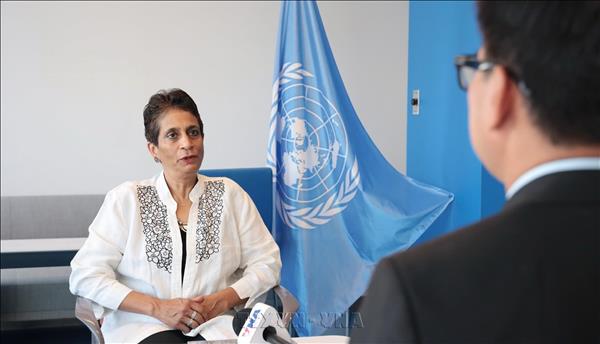
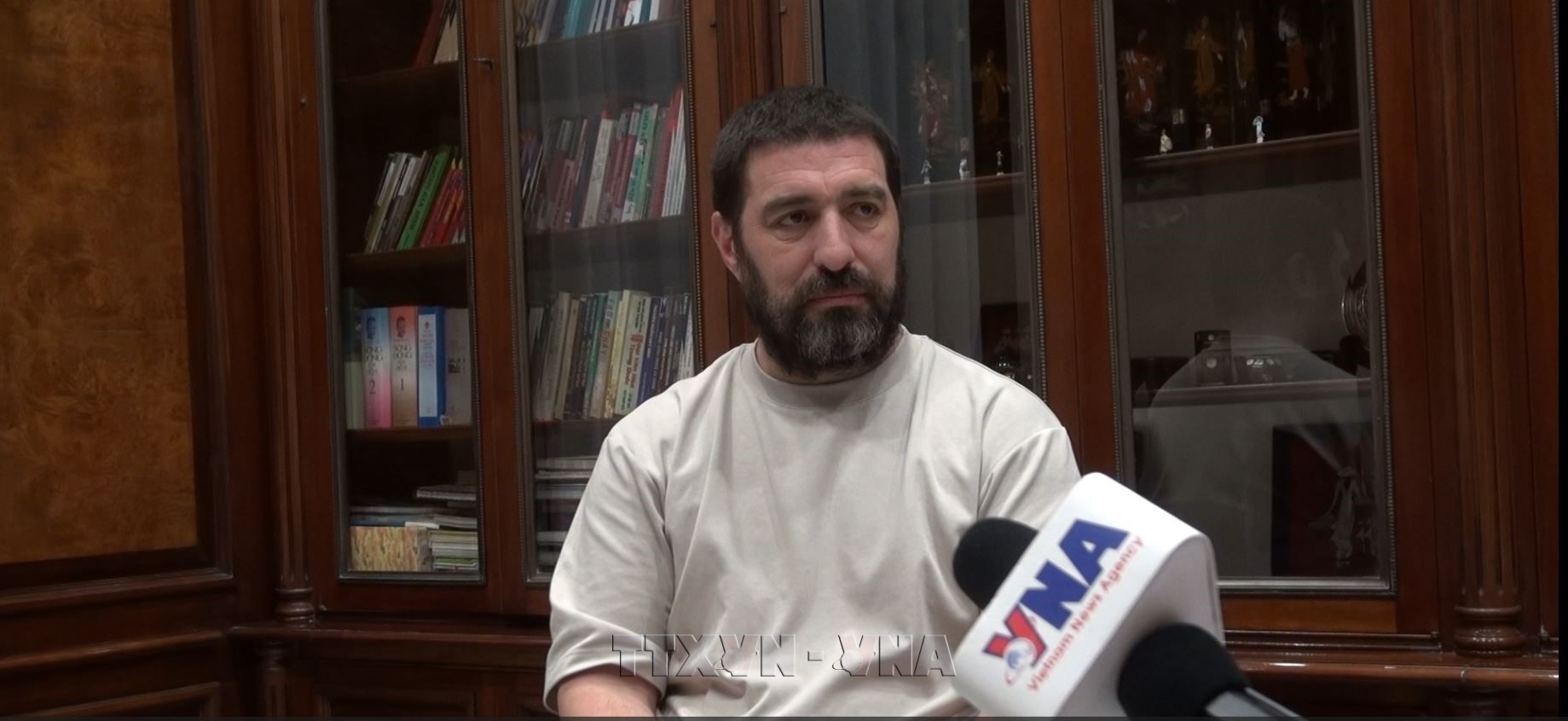
Talking to a Vietnam News Agency correspondent in Buenos Aires, Fiorda said that unlike many Western studies that focus primarily on the war in Vietnam, his research concentrates on the difficult period after national reunification, when Vietnam had to heal the wounds of war, rebuild its economy and gradually implement the Doi Moi (Renewal) policy.
The nearly-250-page work is the result of seven years of doctoral research supported by institutions in both Vietnam and Argentina, including the Vietnamese Embassy in Argentina, the Argentine Embassy in Vietnam, the Vietnam Union of Friendship Organisations (VUFO) and the University of Social Sciences and Humanities under the Vietnam National University, Hanoi.
The study covers the period from the victory of April 30, 1975 that led to the South liberation and national reunification, to the Sixth National Congress of the Communist Party of Vietnam in 1986, when the Doi Moi policy was adopted. Fiorda described those eleven years as one of the most decisive periods in contemporary Vietnamese history as the country faced enormous challenges after the war.
To conduct the research, he interviewed more than 20 veterans, armed forces heroes and revolution contributors, while also examining Party documents, newspapers of the period and other historical materials to analyse policies implemented in the political, economic, social and cultural fields.
The researcher said his main motivation is to understand how a country that had suffered millions of casualties, widespread infrastructure destruction and severe environmental damage from the war managed to rebuild itself and become a dynamic economy with internationally recognised achievements.
He emphasised that the book seeks not only to analyse history but also to present Vietnam to Argentine and Latin American audiences through the perspectives of Vietnamese people themselves.
According to the author, one of the most striking aspects of the research is the combination of documentary evidence with the memories of those who directly experienced the war. These testimonies, he said, reveal reunification not only as a political event but also as a process of healing for millions of people.
Fiorda noted that Vietnam’s greatest challenge began after the war ended. The Communist Party of Vietnam had to unify a country marked by major economic, social and cultural differences between the two regions while simultaneously confronting embargoes, border conflicts, inflation and other difficulties.
He said one of the aspects that impressed him most is the Party’s ability to make flexible policy decisions in response to practical demands. In his view, the launch of Doi Moi in 1986 marked a major turning point, demonstrating a proactive adjustment of development thinking and socio-economic policies while maintaining the goal of national independence and development.
The Argentine researcher expressed his hope that the book will help Spanish-speaking readers gain a full understanding of Vietnam not only as a nation that bravely fought for independence and sovereignty, but also as a country that overcame immense challenges to rebuild and develop itself./