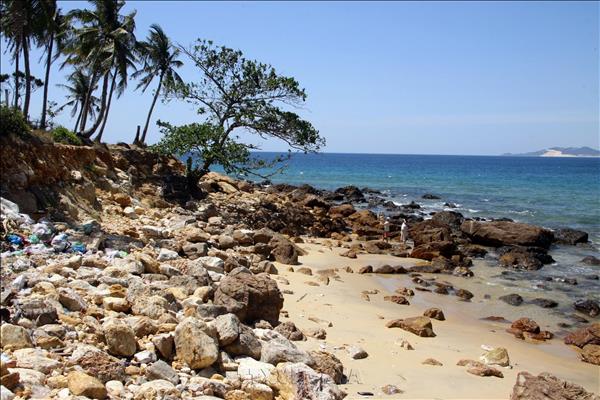
Spanning mountains, highlands, deltas, wetlands, coastlines, and islands, these biosphere reserves reflect the extraordinary diversity of Vietnam's landscapes and ecosystems. Beyond their ecological significance, they demonstrate the country's commitment to balancing biodiversity conservation with sustainable economic development, climate resilience, and community livelihoods. Vietnam has also set an ambitious target of expanding the network to 15 World Biosphere Reserves by 2030.
Phong Nha – Ke Bang Biosphere Reserve
The newest addition to the global network, the Phong Nha – Ke Bang Biosphere Reserve in Quang Tri province, covers more than 515,000 hectares. The area is internationally renowned for possessing the world's largest limestone mountain formation, over 300 caves, and a network of spectacular underground rivers. It is also highly valued for its rich biodiversity, with 2,953 species of higher plants recorded.
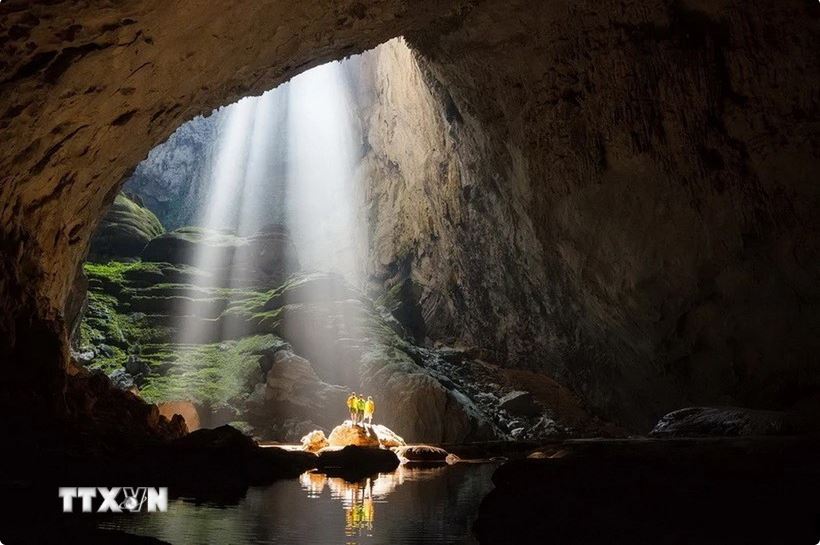
This area is home to Son Doong Cave, the largest natural cave in the world, and is recognised as one of Vietnam’s most important biodiversity hotspots.
The new designation opens up opportunities to strengthen international cooperation in nature conservation, scientific research, and the development of sustainable tourism in Quang Tri province.
Nui Chua Biosphere Reserve
Recognised by UNESCO in September 2021, the Nui Chua Biosphere Reserve in Khanh Hoa province represents one of Vietnam's most distinctive ecological regions. Covering more than 106,600 hectares, it is characterised by an exceptionally dry climate that is rare in the country.
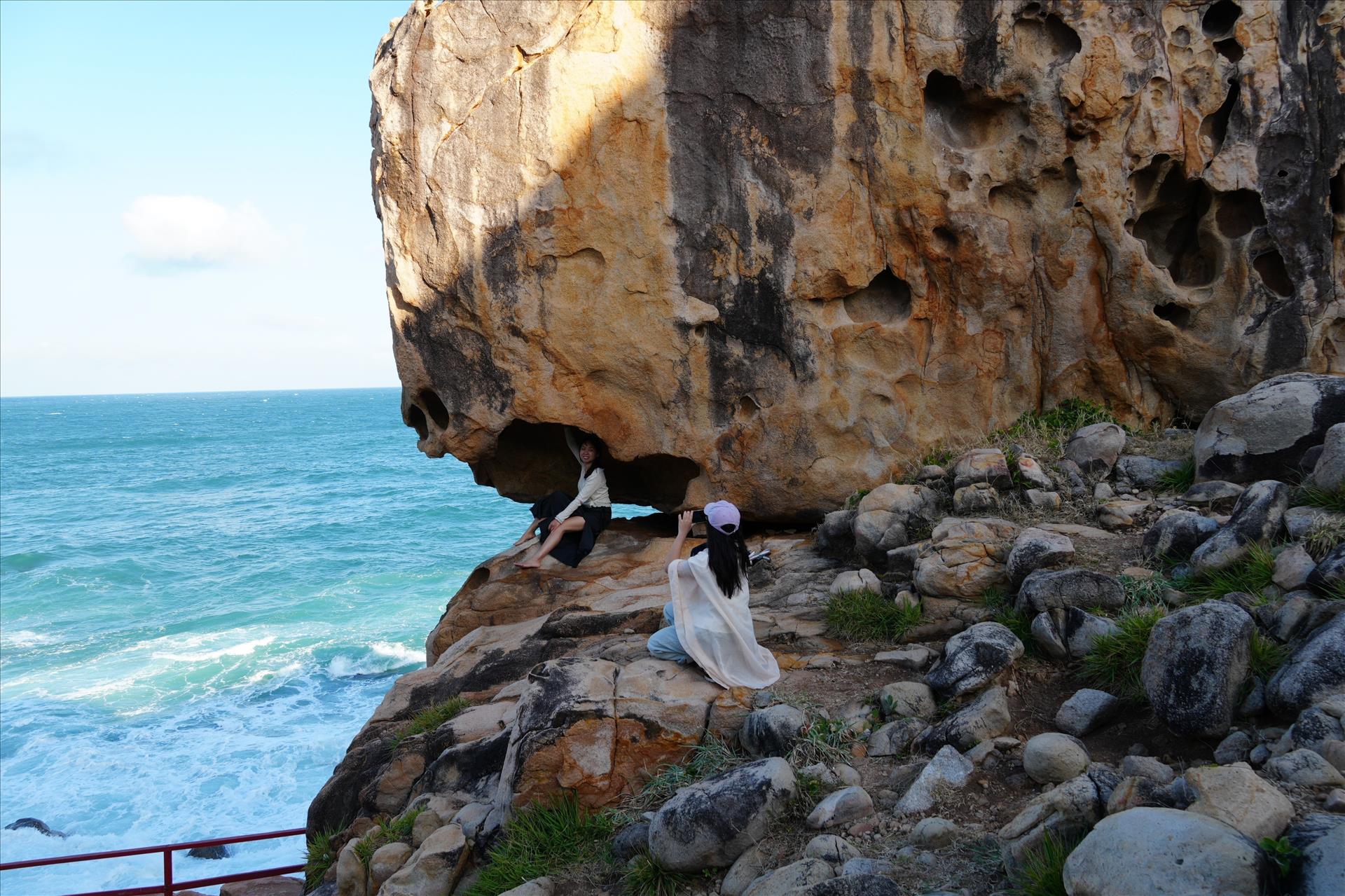
The reserve encompasses both forest and marine ecosystems and provides habitat for numerous endangered species, including the black-shanked douc langur. Offshore, extensive coral reefs support rich marine biodiversity, while sandy beaches serve as important nesting sites for sea turtles. The area has become a model for integrating marine conservation with sustainable coastal development.
Kon Ha Nung Plateau Biosphere Reserve
Also designated by UNESCO in 2021, the Kon Ha Nung Plateau Biosphere Reserve in Gia Lai province, with a total area of more than 413,000 hectares, is a typical representative of the Central Highlands forest ecosystem.
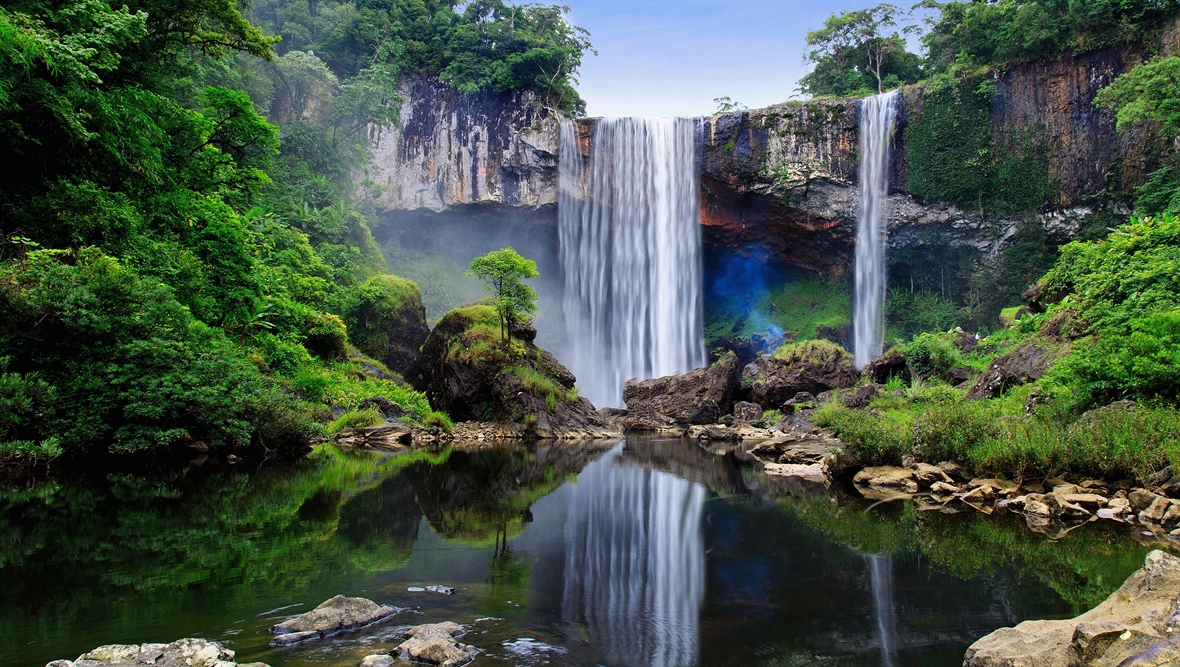
The reserve preserves relatively intact tropical forests that support a remarkable diversity of flora and fauna, including many rare and threatened species. Equally important, it protects the traditional living space and cultural heritage of indigenous ethnic communities whose livelihoods have long been intertwined with the forest.
Langbiang Biosphere Reserve
Langbiang became the first World Biosphere Reserve in Vietnam's Central Highlands when it was recognised by UNESCO in 2015.
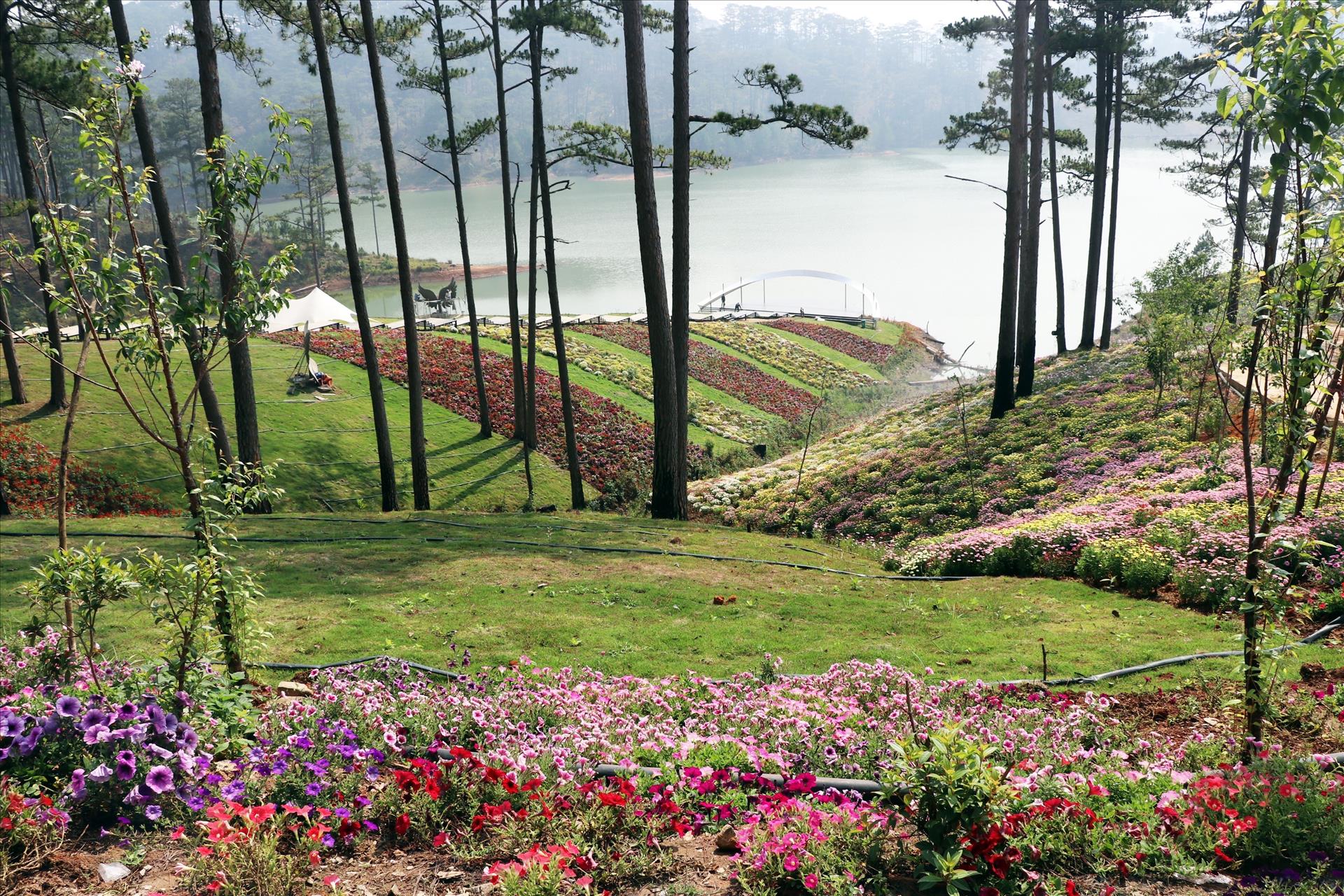
Covering 275,439 hectares in Lam Dong province, the reserve contains rich montane forests and a wide variety of endemic and endangered species listed in Vietnam's Red Book. Its ecological values are complemented by the unique cultural traditions of local ethnic communities and the Space of Gong Culture in the Central Highlands of Vietnam, also recognised by UNESCO as an Intangible Cultural Heritage of Humanity.
The combination of biodiversity and cultural heritage makes Langbiang a leading destination for sustainable ecotourism.
Cu Lao Cham – Hoi An Biosphere Reserve
Recognised by UNESCO in 2009, the Cu Lao Cham – Hoi An Biosphere Reserve in Da Nang city is widely regarded as a successful example of harmonising nature conservation with cultural preservation.
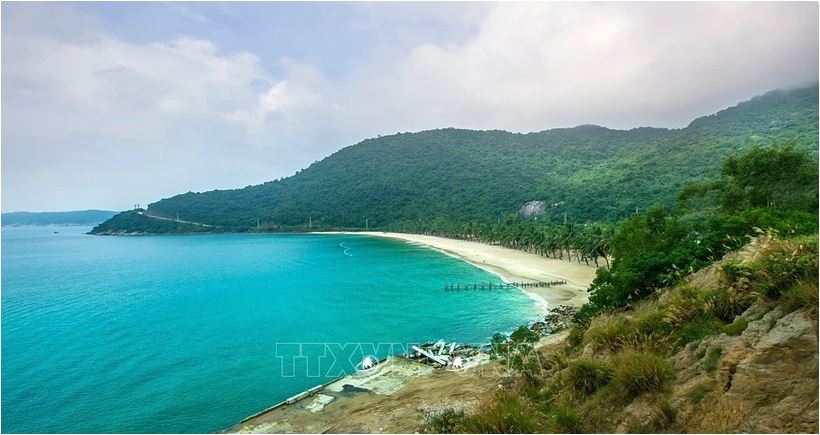
The area includes marine and island ecosystems, mangrove forests, special-use forests, and the ancient town of Hoi An. It is one of the biosphere reserves that effectively contributes to ecotourism development, marine conservation, and the maintenance of sustainable livelihoods for local communities.
Mui Ca Mau Biosphere Reserve
Situated at Vietnam's southernmost tip, the Mui Ca Mau Biosphere Reserve was recognised by UNESCO in 2009.
The reserve occupies a unique geographical position where the East Sea and the Gulf of Thailand meet. Its ecosystems include vast mangrove forests, peat swamp melaleuca forests, and rich coastal waters that support abundant fisheries and wildlife.
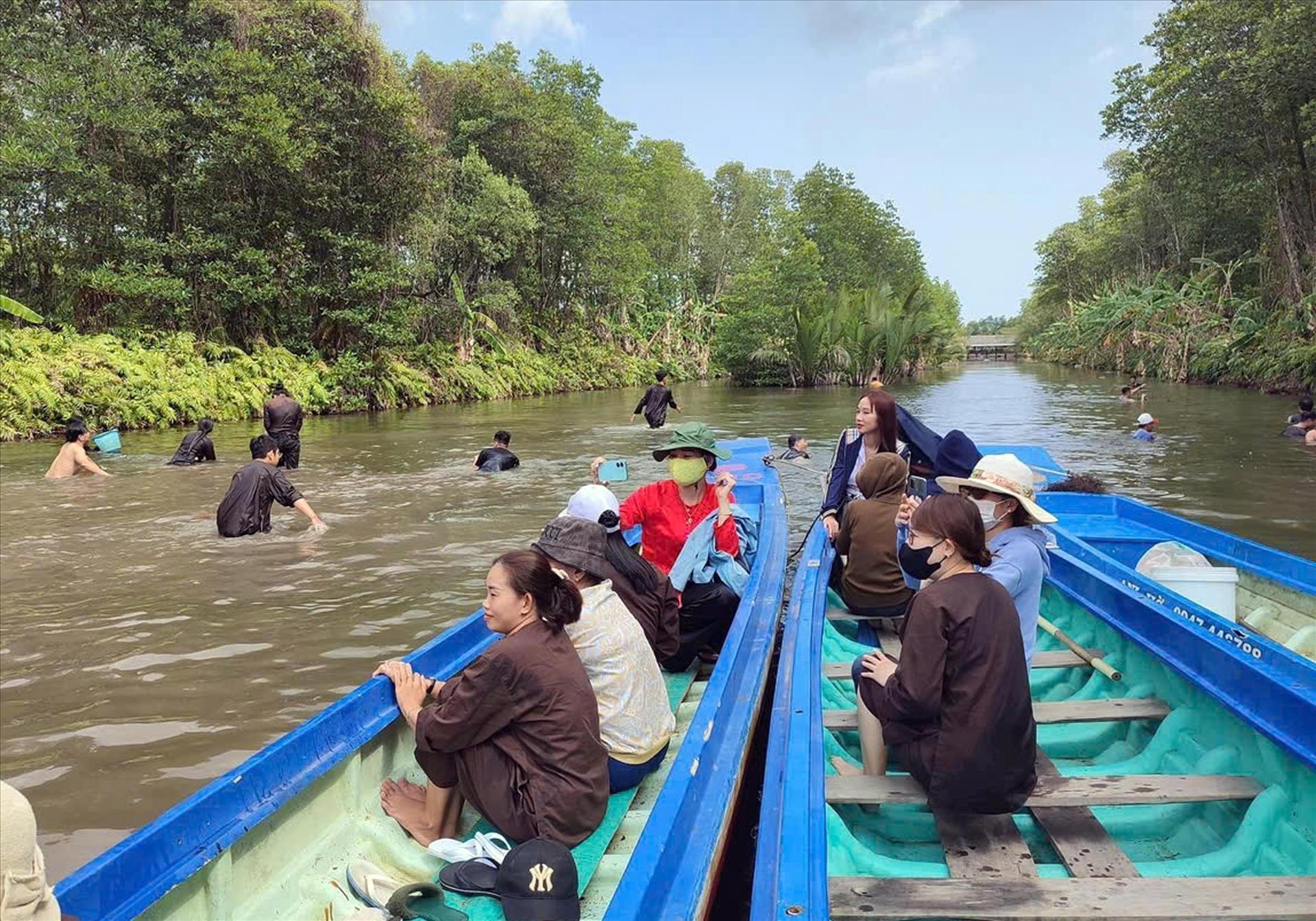
These ecosystems play a critical role in protecting coastlines from erosion, maintaining fishery resources, and helping communities adapt to the increasing impacts of climate change and sea-level rise.
Western Nghe An Biosphere Reserve
Recognised by UNESCO in 2007, the Western Nghe An Biosphere Reserve covers approximately 1.3 million hectares, making it one of Southeast Asia's largest biosphere reserves.
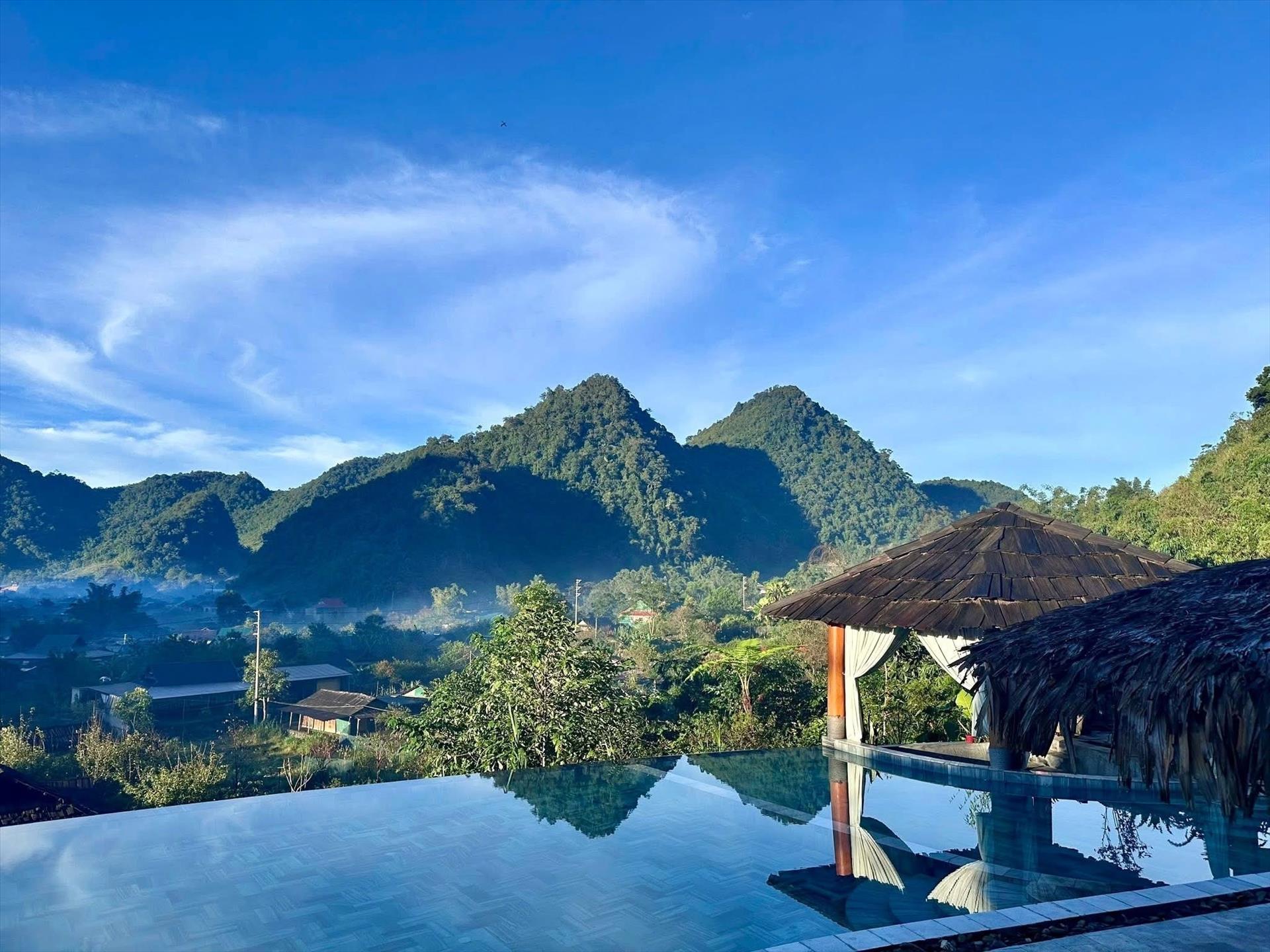
The reserve protects extensive areas of primary forest within the Truong Son mountain range and serves as a refuge for many endangered species, including the saola—one of the world's rarest mammals, as well as red-shanked douc langurs and Asian elephants. Its vast forest landscapes play a vital role in maintaining ecological connectivity and conserving biodiversity across the region.
An Giang Coastal and Island Biosphere Reserve
The An Giang Coastal and Island Biosphere Reserve, formerly known as the Kien Giang Biosphere Reserve, received UNESCO recognition in 2006.
Its core conservation areas include U Minh Thuong National Park and Phu Quoc Island, encompassing a remarkable diversity of ecosystems ranging from melaleuca forests on acid sulfate soils to coral reefs and seagrass beds.

Phu Quoc's marine environment alone is home to 108 coral species, nine species of seagrass, and hundreds of species of marine algae and economically valuable marine organisms. Alongside its conservation role, the island has developed into one of Vietnam's premier international tourism destinations, illustrating how environmental protection can support sustainable economic growth.
Red River Delta Biosphere Reserve
Recognised by UNESCO in 2004, the Red River Delta Biosphere Reserve is a typical wetland area of Vietnam, featuring mangrove forests, tidal flats, and estuarine ecosystems.
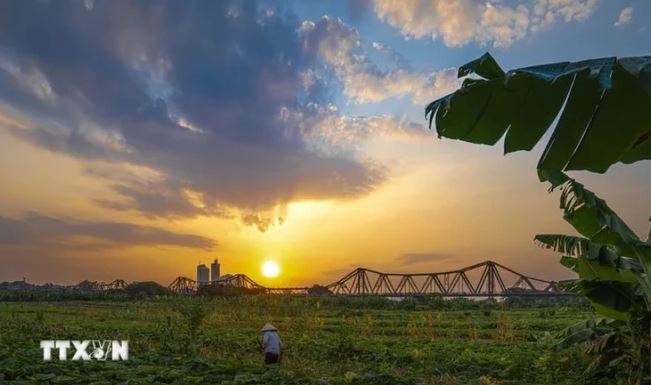
It serves as a habitat and stopover site for many rare migratory and waterbird species, including several listed in the IUCN Red List. The mangrove forests in this area also play an important role in protecting coastlines and mitigating the impacts of climate change.
Cat Ba Biosphere Reserve
The Cat Ba Biosphere Reserve, designated by UNESCO in 2004, comprises Cat Ba Island and hundreds of surrounding limestone islands in northern Vietnam.
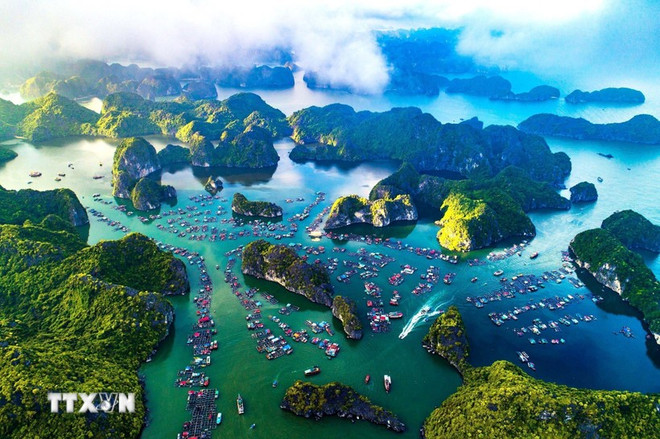
It is internationally recognised as one of the country's biodiversity hotspots and is home to the critically endangered Cat Ba langur, one of the world's rarest primates.
Adjacent Lan Ha Bay, with its emerald waters and dramatic limestone formations, has become a major attraction for ecotourism while conservation programmes continue to protect the area's fragile ecosystems.
Dong Nai Biosphere Reserve
Recognised in 2001, the Dong Nai Biosphere Reserve spans nearly 970,000 hectares and encompasses several major protected areas in southeastern Vietnam.
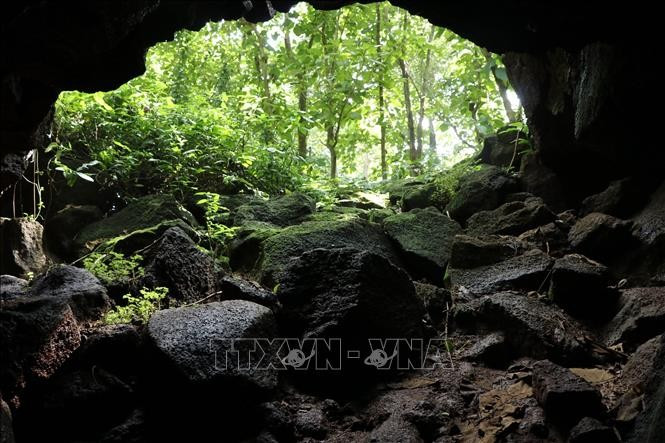
The reserve shelters a wide range of wildlife, including elephants, gaur, and Asiatic black bears, while preserving extensive tracts of natural forest that are essential for regional ecological stability.
Often referred to as the "green lung" of southeastern Vietnam, the reserve provides critical ecosystem services, including watershed protection, carbon sequestration, and biodiversity conservation.
Can Gio Mangrove Biosphere Reserve
Can Gio became Vietnam's first UNESCO World Biosphere Reserve in 2000.
Located at the southeastern gateway to Ho Chi Minh City, it is a restored mangrove ecosystem that now supports diverse flora and fauna after suffering extensive wartime destruction decades ago.
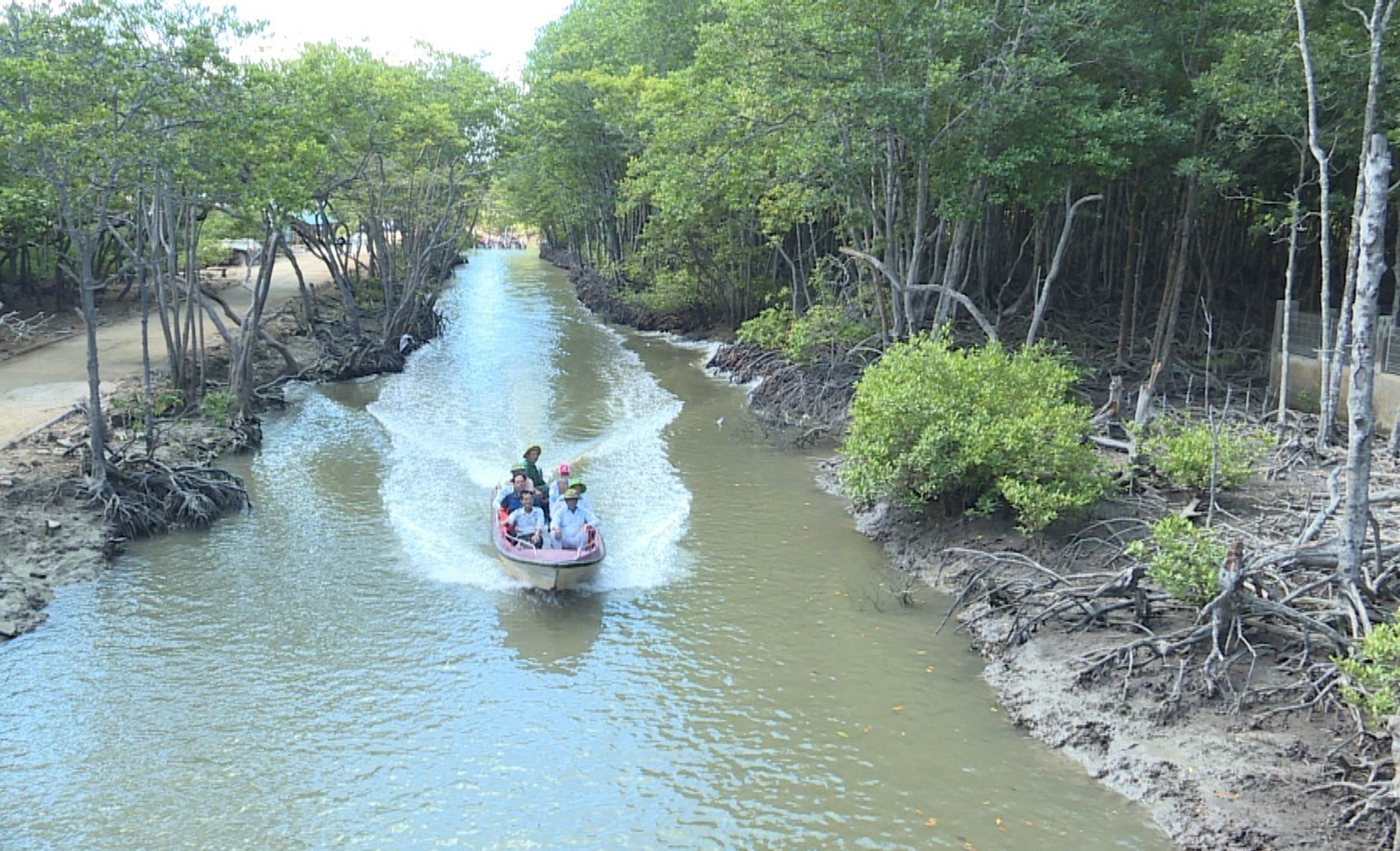
Today, Can Gio plays an essential role in regulating the local environment, protecting coastal areas, and maintaining ecological balance. At the same time, it is being developed into a high-quality ecotourism and leisure destination that showcases the successful restoration of a valuable natural ecosystem.
Expanding network supports a sustainable future
Together, Vietnam's 12 World Biosphere Reserves represent virtually every major ecosystem found across the country—from northern mountains and the Truong Son range to the Central Highlands, river deltas, mangrove forests, coastal wetlands, and offshore islands.
The network serves as a living laboratory where biodiversity conservation is integrated with scientific research, environmental education, sustainable tourism, and community development. By protecting these landscapes while promoting green economic opportunities, Vietnam is demonstrating that environmental conservation and socioeconomic development can reinforce one another.
As the country pursues its goal of establishing 15 World Biosphere Reserves by 2030, the expanding network will strengthen Vietnam's contribution to global biodiversity conservation, climate change adaptation, and sustainable development, reaffirming its long-term commitment to safeguarding natural heritage for future generations./.