Accelerating mobilization of private capital
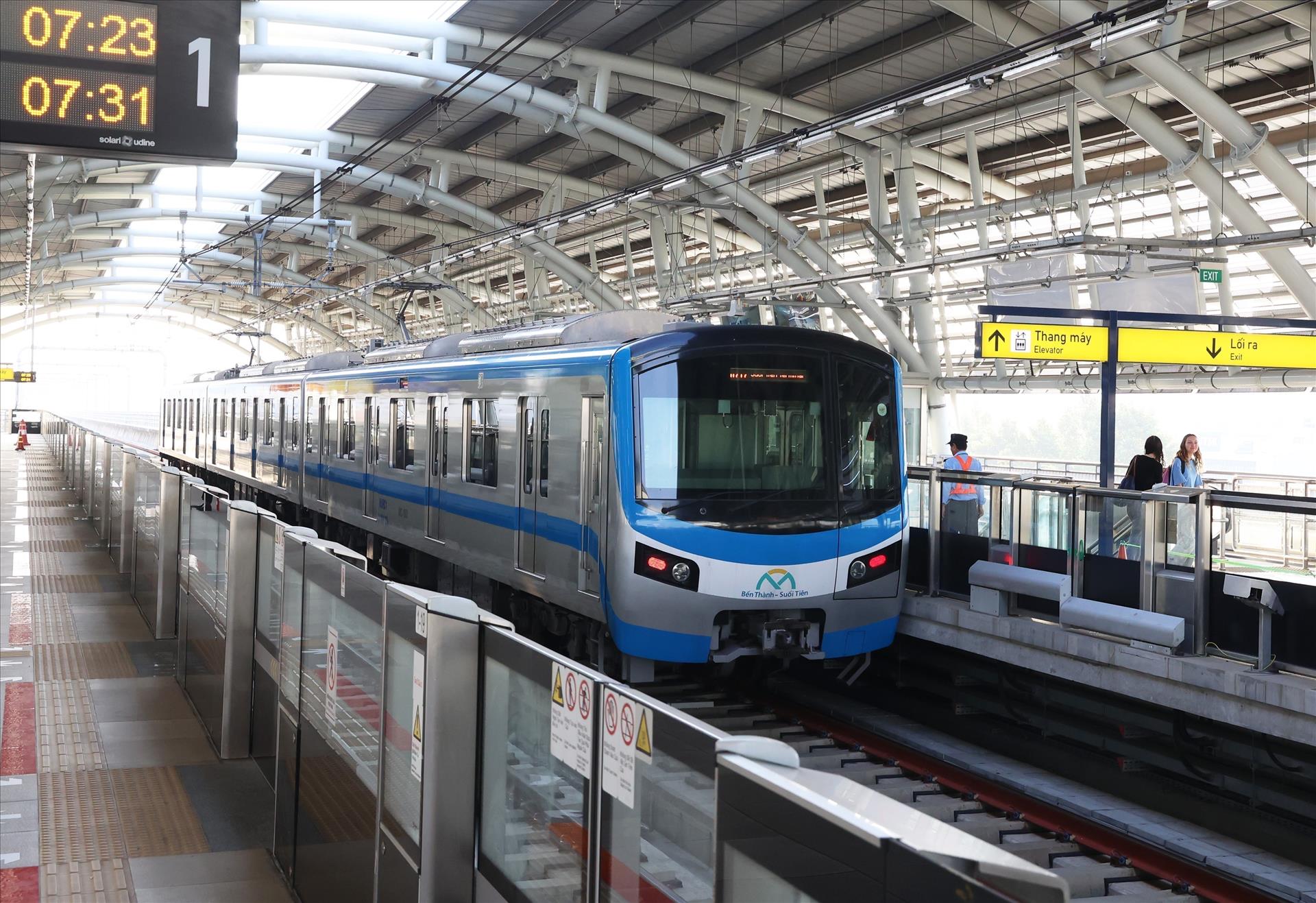
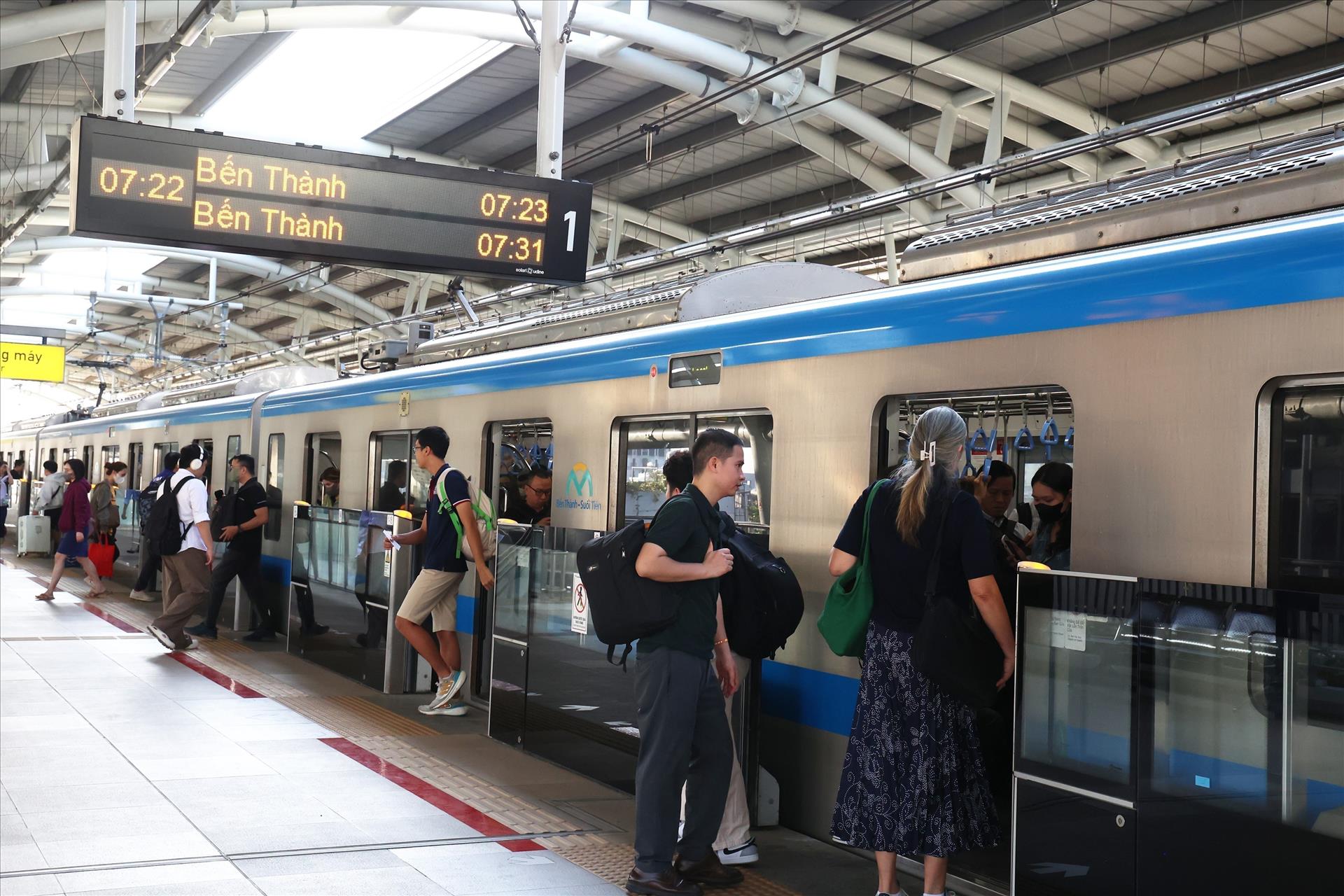
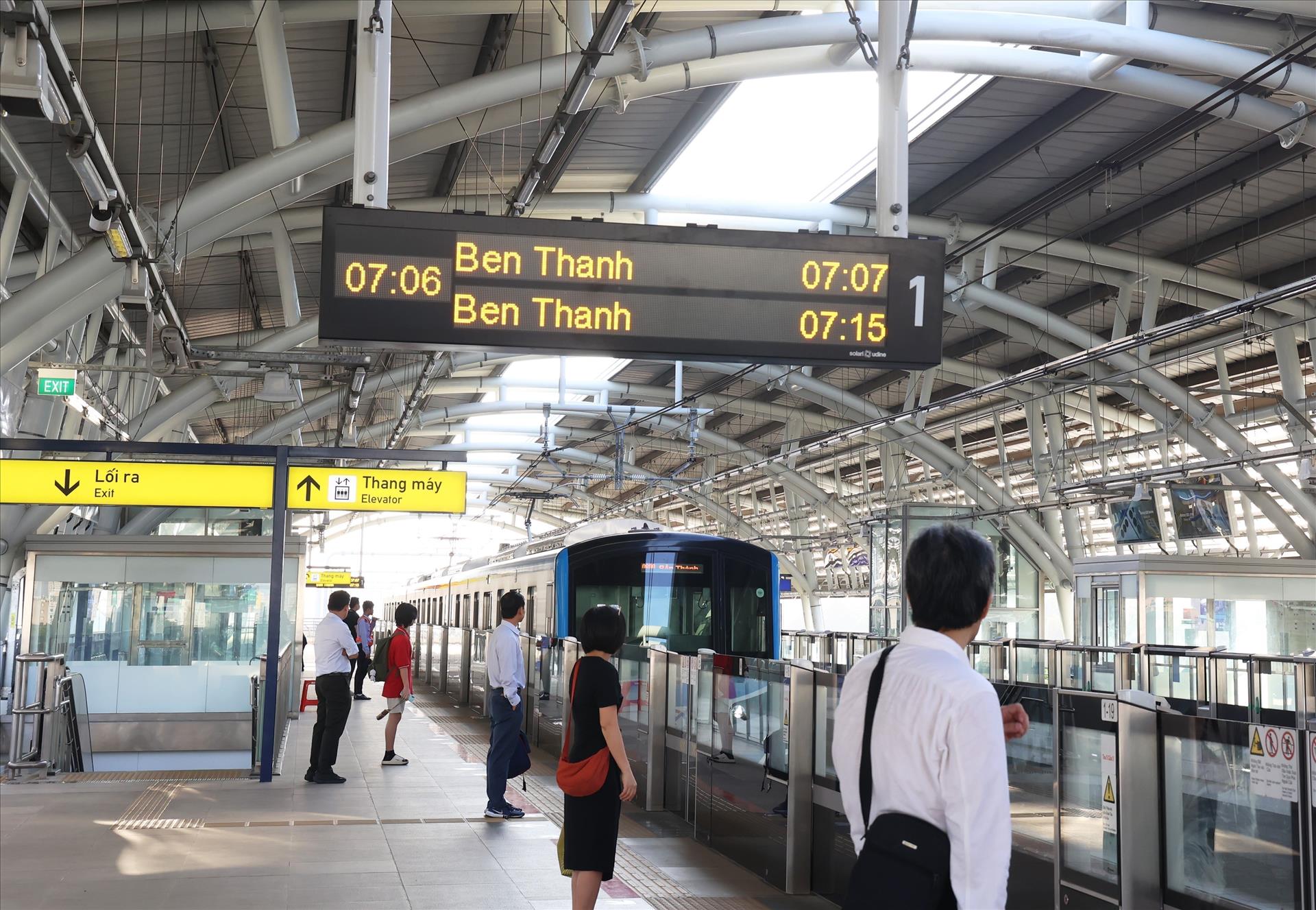
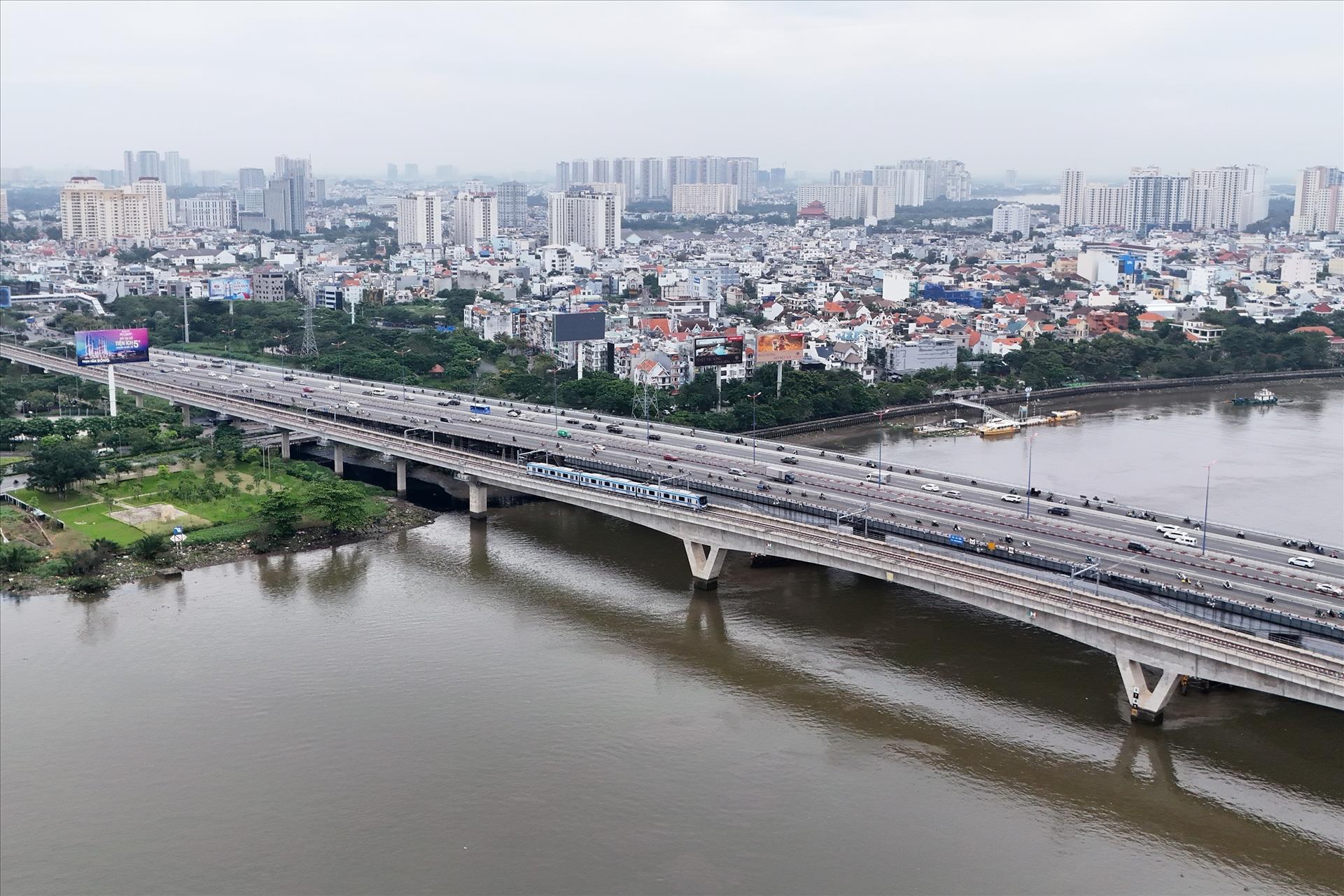
After years of development, Ho Chi Minh City has so far put only Ben Thanh–Suoi Tien Metro Line into operation. Meanwhile, under its urban transport development plan, the city aims to build a 355-km urban railway network by 2035 to meet rising travel demand and support transit-oriented development (TOD)-based urban restructuring.
More recently, the Politburo's Resolution No. 09-NQ/TW on the construction and development of Ho Chi Minh City in the new era set a target of completing 200 km of metro lines by 2030 and substantially finishing the city's metro network by 2045.
Experts said achieving these goals will require enormous investment. Reliance on the state budget, official development assistance (ODA) and grants alone is unlikely to meet development timelines, as projects funded through these channels often face lengthy negotiations, disbursement procedures and administrative processes, while also increasing investment costs and public debt pressures. Against this backdrop, mobilising the private sector's resources through PPP arrangements is widely viewed as an inevitable solution.
Several major corporations have already launched or studied metro projects in the city. Among them, Vingroup is investing in Ben Thanh–Can Gio metro line, which is expected to create a high-capacity transport corridor linking southern areas of the city. Thaco is developing Metro Line No. 2 connecting Ben Thanh and Thu Thiem, which broke ground in April 2026, while completing studies for Thu Thiem–Long Thanh railway project ahead of its planned groundbreaking in July this year.
Other businesses have proposed metro projects aimed at connecting new urban corridors formed following administrative mergers and supporting the development of a high-capacity public transport network. The Ho Chi Minh City People's Committee has also assigned Becamex to study investment options for Bau Bang–Cai Mep national railway project.
The city is currently prioritising six key metro projects during the 2025–2030 period, with the goal of completing around 200 km of urban railway lines by 2030 at an estimated investment cost of more than 19 billion USD.
Enhancing attractiveness and feasibility
Unlike expressways, which can generate direct toll revenues, metro projects often require many years to build a sufficient passenger base. Fare revenues alone are typically insufficient to cover investment, operation and maintenance costs.
Long payback periods also reduce investors' appetite, as private developers generally seek not only fare income but also revenues from property development, commercial services, advertising, logistics and underground space utilisation.
According to Dr. Pham Viet Thuan, Director of the Ho Chi Minh City Institute for Natural Resources and Environmental Economics, three major bottlenecks must be addressed to make PPP models for urban railways more attractive: establishing risk-sharing mechanisms between the State and investors, expanding revenue streams through TOD-based urban development, and creating a transparent financial framework to regulate project costs and returns.
The National Assembly's Resolutions No. 98/2023/QH15 and No. 188/2025/QH15 have provided a legal foundation for Ho Chi Minh City to pilot new mechanisms related to land value capture and TOD development, thereby improving the attractiveness of PPP-based metro projects.
Vice Chairman of the municipal People's Committee Bui Xuan Cuong said metro projects are being implemented under special mechanisms and policies, alongside greater decentralisation and delegation of authority from the central government. The city aims for the metro network to meet 20–30% of residents' travel demand by 2030.
Dr. Thuan suggested separating land clearance from construction works. He argued that the city should take primary responsibility for site clearance using public investment funds, enabling investors to receive cleared land and begin implementation immediately. He also called for conditional direct contracting mechanisms and seed funding packages to support project development.
Meanwhile, Le Thanh Hai, Director of the Centre for Economic Application Consulting under the Ho Chi Minh City Institute for Development Studies, proposed adopting a PPP model linked to value capture from urban development, similar to approaches used in Singapore and Hong Kong (China). Such a model will help reduce the initial financial burden on investors while ensuring the long-term effectiveness of public transport infrastructure, he said./.