In the News
Vietnam establishes itself as one of region’s most dynamic manufacturing and supply bases
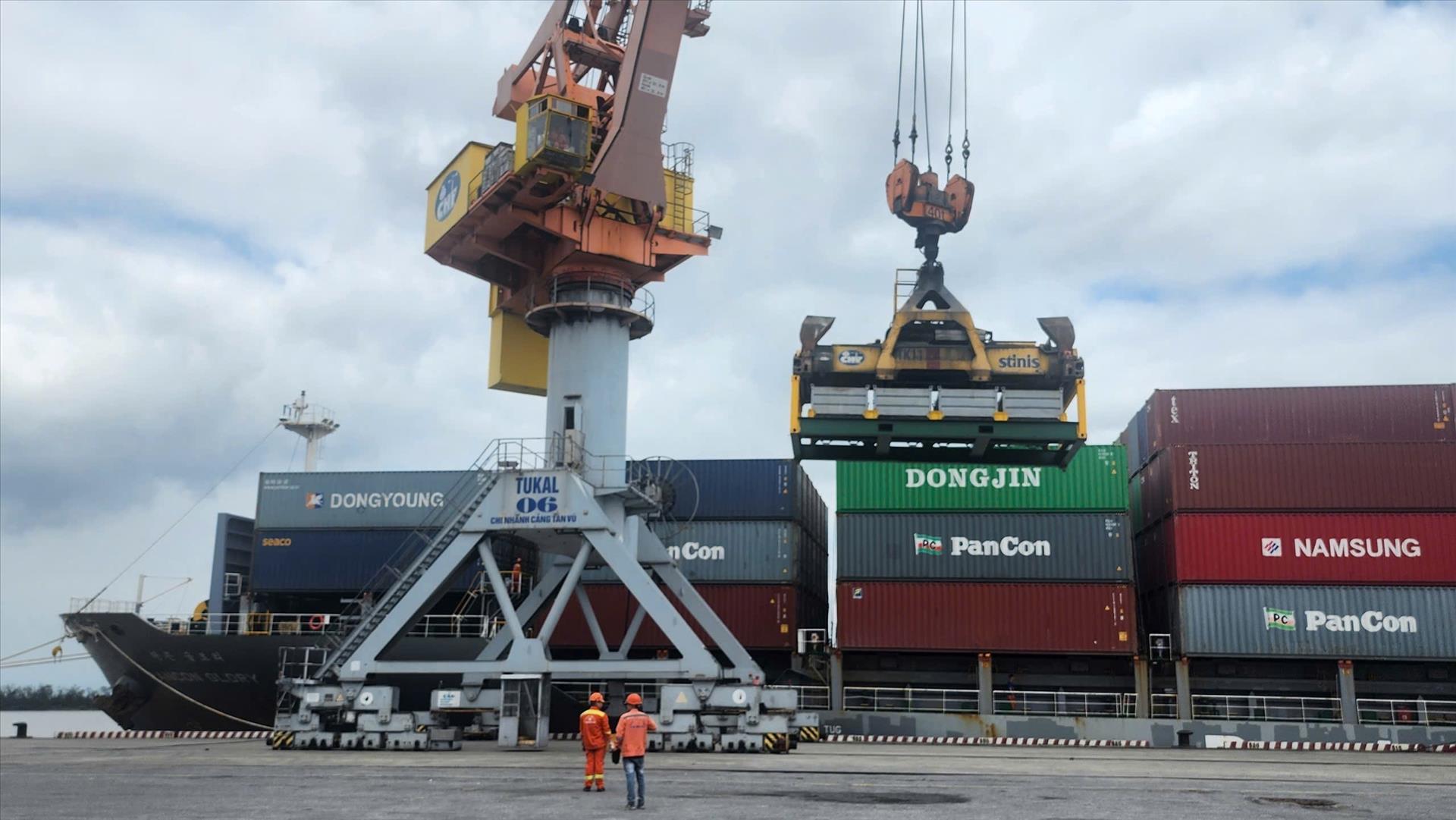
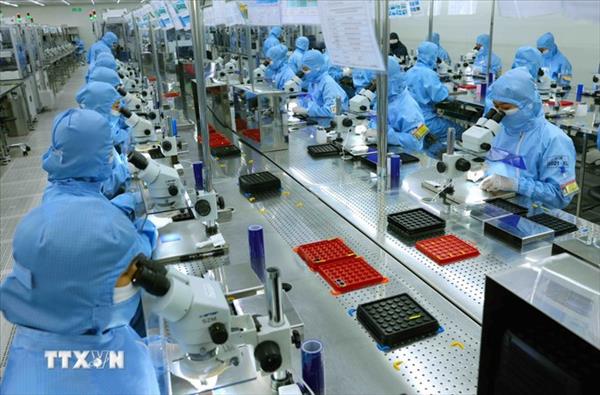
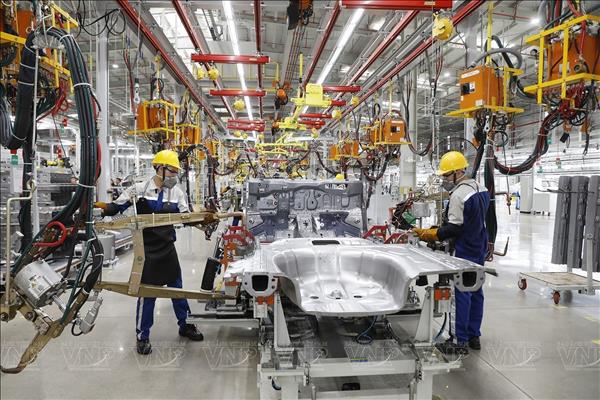
Vietnam is rapidly emerging as one of ASEAN’s most dynamic and reliable supply hubs, amid a global shift in sourcing strategies, according to domestic and foreign manufacturers as well as international exhibitors.
Backed by robust production capacity and deepening international integration, the country has steadily positioned itself as an indispensable link in global business ecosystems.
Observers said Vietnam stands out globally for three core strengths: stability, scalability and connectivity.
The country’s stable political and economic environment provides a critical foundation for long-term sourcing strategies. At the same time, Vietnam has demonstrated a strong ability to scale up manufacturing, supported by a continuously expanding industrial base capable of meeting both high-volume demand and increasingly complex technical and quality requirements.
Ewin Law, Executive Director of the Australian Chamber of Commerce in Vietnam (AusCham Vietnam), noted that businesses worldwide are reassessing how and where they source supplies, with Vietnam attracting growing attention as a promising destination. He said global trade is no longer driven solely by cost considerations, but increasingly by adaptability, reliability and the capacity to build long-term strategic partnerships—factors that enhance Vietnam’s appeal.
Law added that Vietnam has established itself as one of the region’s most dynamic manufacturing and supply bases, underpinned by stable economic growth, competitive export capacity and an increasingly professional supplier network. Vietnamese enterprises have shown flexibility in meeting stringent quality standards, enabling them to compete effectively for international buyers, he explained.
The Australian business community has expected broader expansion of Australia–Vietnam trade and investment ties across multiple sectors so that the two countries’ businesses can have more opportunities to expand supply chains.
Sharing a similar view, foreign enterprises said supply chains today are no longer defined by simple transactions but by trust and long-term engagement. Amid ongoing global trade uncertainties affecting investment and business operations, companies are increasingly seeking reliable partners for sustainable development.
James Liu, Executive Director of Global Sources, said Vietnam is attracting strong interest from markets such as the US, Europe, Australia and across Asia, reflecting global confidence in its role as a supply hub. Through a series of annual international exhibitions and trade fairs, Vietnam has built a strong brand while showcasing its ability to align domestic strengths with global opportunities.
He revealed that in October 2026, Global Sources will coordinate with Vietnamese trade promotion agencies to launch the Vietnam International Sourcing Show (VISS) in Hong Kong (China). The event is expected to provide Vietnamese manufacturers with opportunities to connect with international buyers during peak sourcing season.
At the ongoing Global Sourcing Fair Vietnam 2026 at the Saigon Exhibition and Convention Centre (SECC), the number of VIP buyers has increased by more than 50% compared to the same period in 2025. Organisers have focused on building a comprehensive sourcing ecosystem that emphasises not only scale but also quality and hands-on experiences for businesses and visitors.
According to Deputy General Director of Vinexad Pham Dang Khanh, trade promotion activities through exhibitions and fairs generate added value by connecting buyers and sellers while fostering growth, innovation and expansion. Buyers are given direct access to advanced technologies, strong production capabilities and emerging product trends.
Within the broader national landscape, Ho Chi Minh City is increasingly seen as a key supply hub in Southeast Asia. As Vietnam’s leading economic centre, the city is evolving into an international megacity, accelerating development in sectors that will shape its competitiveness in the coming decade.
Following its expansion into a larger metropolitan model, the city is well positioned to become a hub for capital flows, technology transfer, governance standards and innovation. Trade and industrial promotion have been identified by local authorities as key drivers of economic growth, helping enhance the competitiveness of domestic enterprises and attract global investors.
In 2026, the municipal Department of Industry and Trade, in coordination with the Investment and Trade Promotion Centre, plans to organise 55 domestic promotion activities, 11 overseas programmes and eight support initiatives. These efforts aim to strengthen direct connections between local enterprises, foreign-invested firms and international distribution networks, contributing to stable and sustainable supply chains./.