The consumer market in Ho Chi Minh City is witnessing a clear shift as local residents increasingly prioritise environmentally friendly, eco-labelled, and high-quality “Made in Vietnam” products. Not only Vietnamese consumers, but many foreign visitors are also showing strong interest in locally made sustainable products.
Vietnamese “green” products gaining ground in supermarkets
At major modern retail systems across HCM City, Vietnamese goods now account for 80–95% of shelves, offering diverse product categories that meet different consumer segments. For many buyers, choosing Vietnamese goods is no longer just about supporting domestic products, but about real value, quality, and affordability.
According to retailers, consumption of eco-friendly products at large supermarket chains such as Saigon Co.op, MM Mega Market, and Go! has surged by 50–60% during green-consumption campaigns. This reflects growing public awareness of both personal health and environmental responsibility.
A survey by PricewaterhouseCoopers (PwC) Vietnam also indicates that around 72% of consumers in Vietnam, including HCM City, are willing to pay higher prices for environmentally friendly products.
As one of the leading retailers in promoting sustainable consumption, Saigon Co.op has built a comprehensive green ecosystem, from reducing emissions in logistics activities to tightening quality control standards.
The city’s “Green Responsibility Tick” programme has so far attracted nearly 400 suppliers with around 5,000 certified products, contributing to stronger market credibility and higher consumer trust. Sales of green-labelled products, from farm produce and food to consumer goods, have increased by around 20% since the programme’s launch.
International visitors favour Vietnamese products
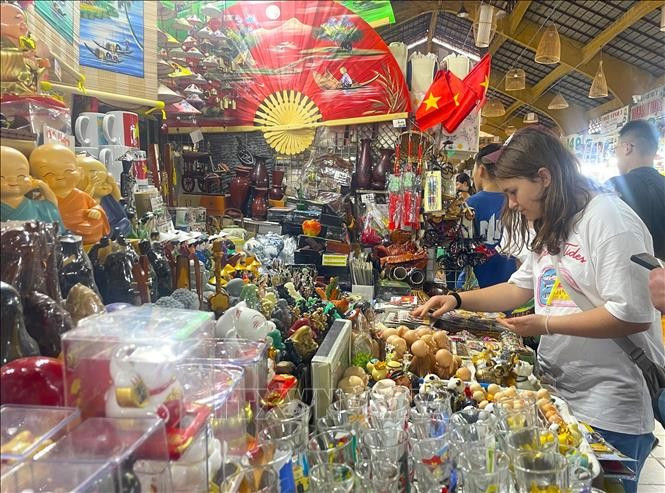
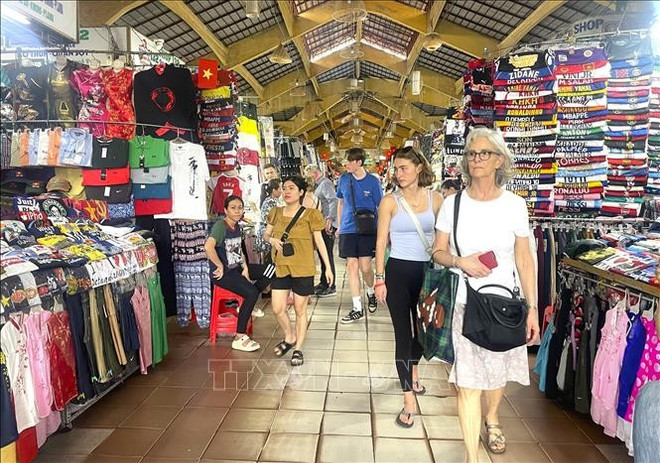
Foreign tourists to the city are also increasingly choosing Made-in-Vietnam products with quality, uniqueness, and sustainability values as meaningful souvenirs. At Ben Thanh Market, many visitors look for handicrafts made from natural materials, eco-friendly household items, local specialties, and green-labelled products.
Traders at the market said handmade items, natural-material products, and local specialties such as tea, coffee, dried fruits, and handicrafts are among top choices. Many tourists also return regularly to purchase Vietnamese goods thanks to their authenticity and quality.
According to market experts, green consumption is no longer a niche trend but a strong movement encouraging businesses to transform production practices and rethink their market approaches. This marks a positive signal of a developing responsible consumption environment where environmental values, product quality, and pride in domestic manufacturing create a meaningful bridge between Vietnamese consumers and international friends./.