
Finding a “common frequency” in schools
In an effort to preserve intangible cultural heritage, bringing traditional arts closer to younger generations is a key solution to long-term vitality. A recent Xam performance experience at the Hoang Mai Star Education System in Hanoi illustrates this approach.
Xam singing, a folk art form with a history of more than 700 years, is not only a distinctive form of performance but also a living archive of Vietnamese cultural memory, reflecting everyday life, emotions, and aspirations across generations.
At the programme, guided by composer and researcher Nguyen Quang Long and artists from the Xam Ha Thanh group, students from primary through high school were introduced to Xam through vivid, interactive performances. The school environment was transformed into an open stage, where lessons on history, morality, patriotism, and resilience were conveyed through traditional melodies.
A highlight of the programme was the introduction and solo performance of the dan nhi (Vietnamese two-stringed fiddle), considered the “soul” of Xam singing. Its expressive sound helped students better understand the depth of this traditional art form. Many students actively engaged with performers, demonstrating the appeal of Xam when presented in an accessible and relatable way.
Beyond being an extracurricular activity, the programme served as a bridge between past and present, fostering cultural appreciation and a stronger sense of heritage preservation among young people.
When Xam resonates with global rhythms
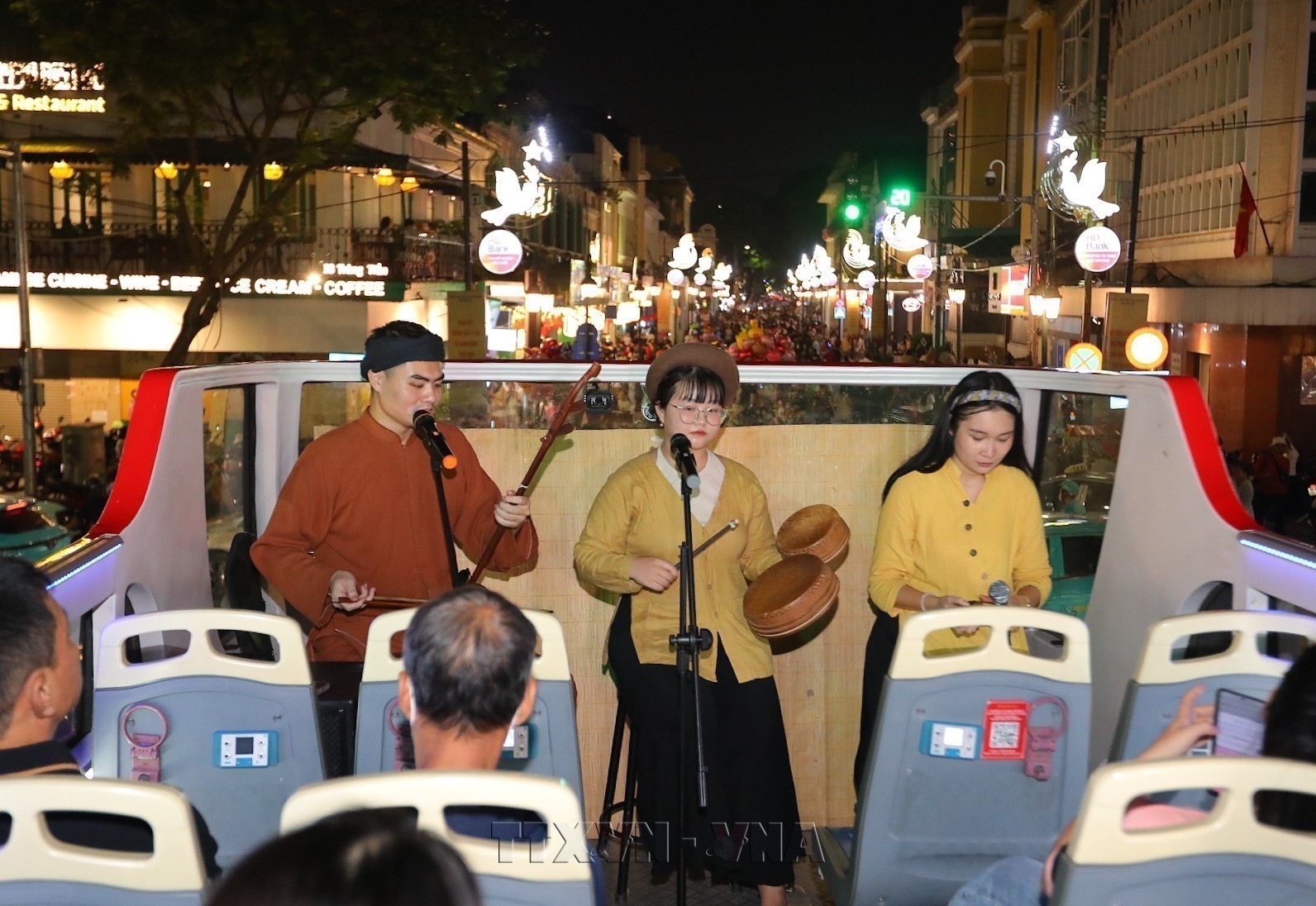
In recent years, Xam has increasingly attracted the attention of international visitors at creative cultural spaces, pedestrian streets, and community performances.
While visiting Hanoi’s Old Quarter, British tourists Dan and Elle said they were deeply impressed by the expressive performance and the sound of the dan nhi. Although they did not understand the lyrics, they noted that Xam reminded them of Western blues music due to its storytelling nature and emotional depth.
This comparison is not coincidental. Both Xam and blues originate from working-class communities and carry strong humanistic values. This shared foundation creates a cultural bridge, enabling international audiences to connect more easily with Vietnamese traditional music.
Amid growing global demand for authentic, locally rooted, and historically rich cultural experiences, Xam holds strong potential as a distinctive form of cultural diplomacy. International audiences today seek not only entertainment but also authentic and differentiated cultural narratives.
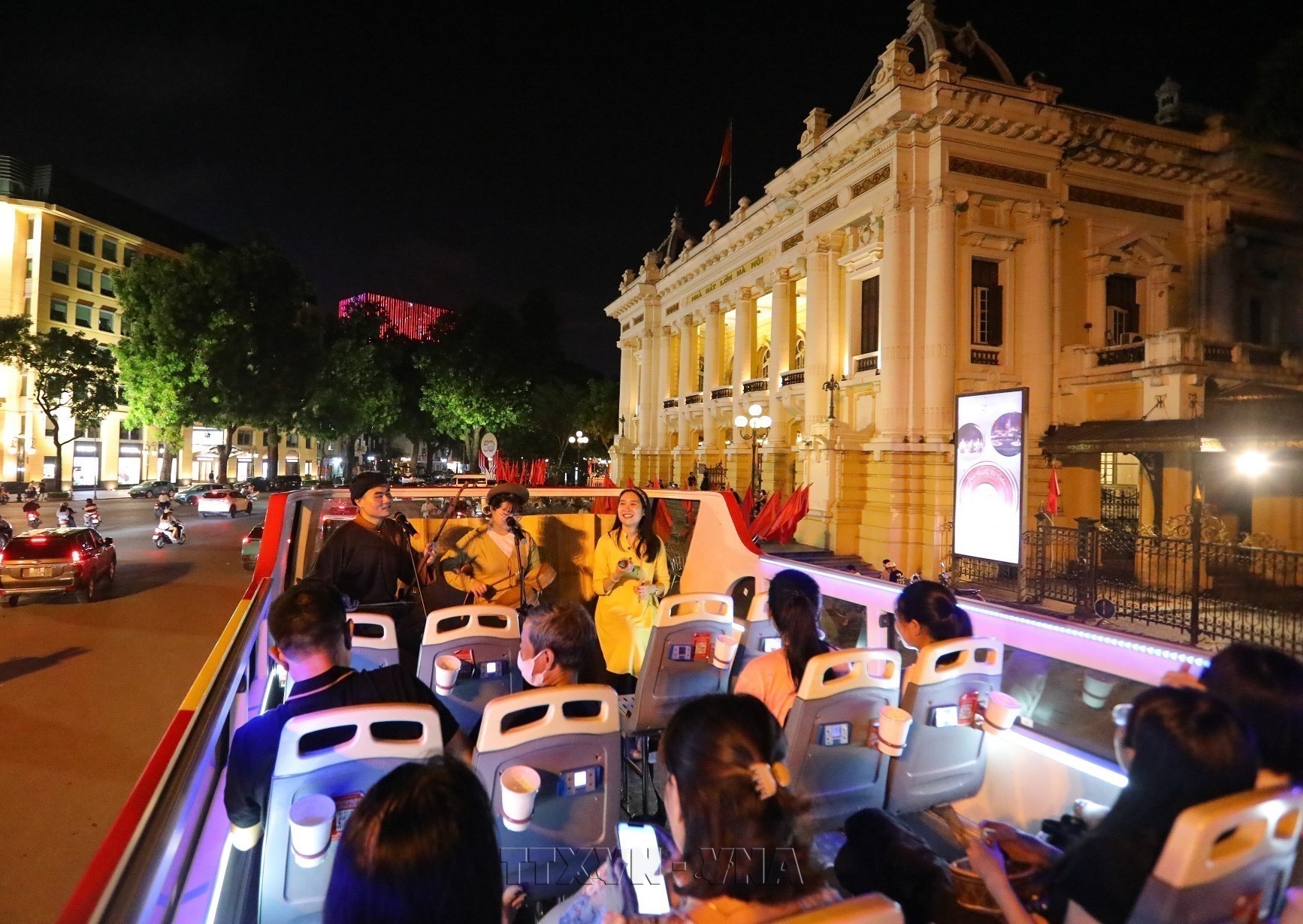
Composer and researcher Nguyen Quang Long argues that the vitality of Xam lies in its adaptability. If preserved in a “frozen” state, it risks losing relevance in contemporary life. Historically, Xam has always been responsive and improvisational, reflecting the social realities of its time.
He said that by preserving its core artistic values while expanding its thematic content to reflect modern life and incorporating new musical trends, Xam can reach broader audiences without losing its identity. This is why it is increasingly viewed as an “open heritage” form, an art that evolves, adapts, and continues to develop in the context of globalisation.
Bringing Xam to the global stage
While researchers like Nguyen Quang Long play a key role in preserving the essence of Xam, younger generations are expanding its presence in the digital age.
Nguyen Khanh Linh, a Gen Z content creator who has studied Xam since childhood, is a notable example. According to her, bringing Xam to global audiences requires innovation through co-creation. Its original values in melody, technique, and narrative spirit should be preserved, but can be combined with rap, jazz, EDM, and other contemporary art forms to broaden its appeal.
At the same time, digital platforms such as TikTok, Spotify, and YouTube are creating opportunities to bring Xam closer to global audiences through experiential videos, street interviews, and creative remixes.
Technology is opening new spaces for traditional arts, allowing heritage to reach far wider audiences. However, for Xam to become a competitive cultural product internationally, a long-term strategy is needed, one that balances the preservation of authenticity with the development of a comprehensive ecosystem for promotion, distribution, and branding across global digital platforms./.