Vietnam’s rice paper is increasingly appearing in European kitchens, prepared in creative ways that reflect Western culinary styles, according to a Vietnam News Agency (VNA) correspondent in Brussels, citing an article on Belgium’s RTBF website (rtbf.be).
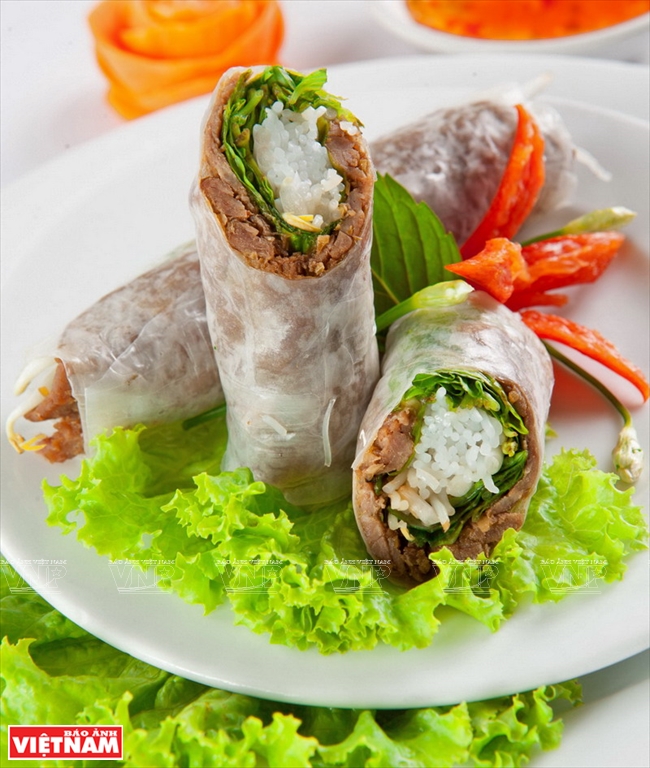
Originally familiar ingredients in Asian cuisine, rice paper has now been adapted into a variety of novel dishes suited to Belgian tastes and those of neighbouring European countries.
Rice paper, which originates from Vietnam, is a versatile ingredient that can be used for fresh rolls, deep-frying or pan-frying. Thanks to this flexibility, the thin sheets easily adapt to local customs, becoming a base for refreshing appetisers or appealing hot dishes in European meals. According to RTBF, many chefs and food enthusiasts in Belgium have experimented with rice paper in Western-style dishes from starters to main courses, with positive feedback. In Europe, diners are already familiar with Asian-style rolls such as Vietnamese fresh spring rolls, and fried or grilled spring rolls. Meanwhile, similar “wrapped” dishes are also common in Western cuisine, including flour wraps for Peking duck, Dutch loempia or Japanese gyoza. In this context, Vietnamese rice paper stands out as a light, flexible option well suited to creative reinterpretations.
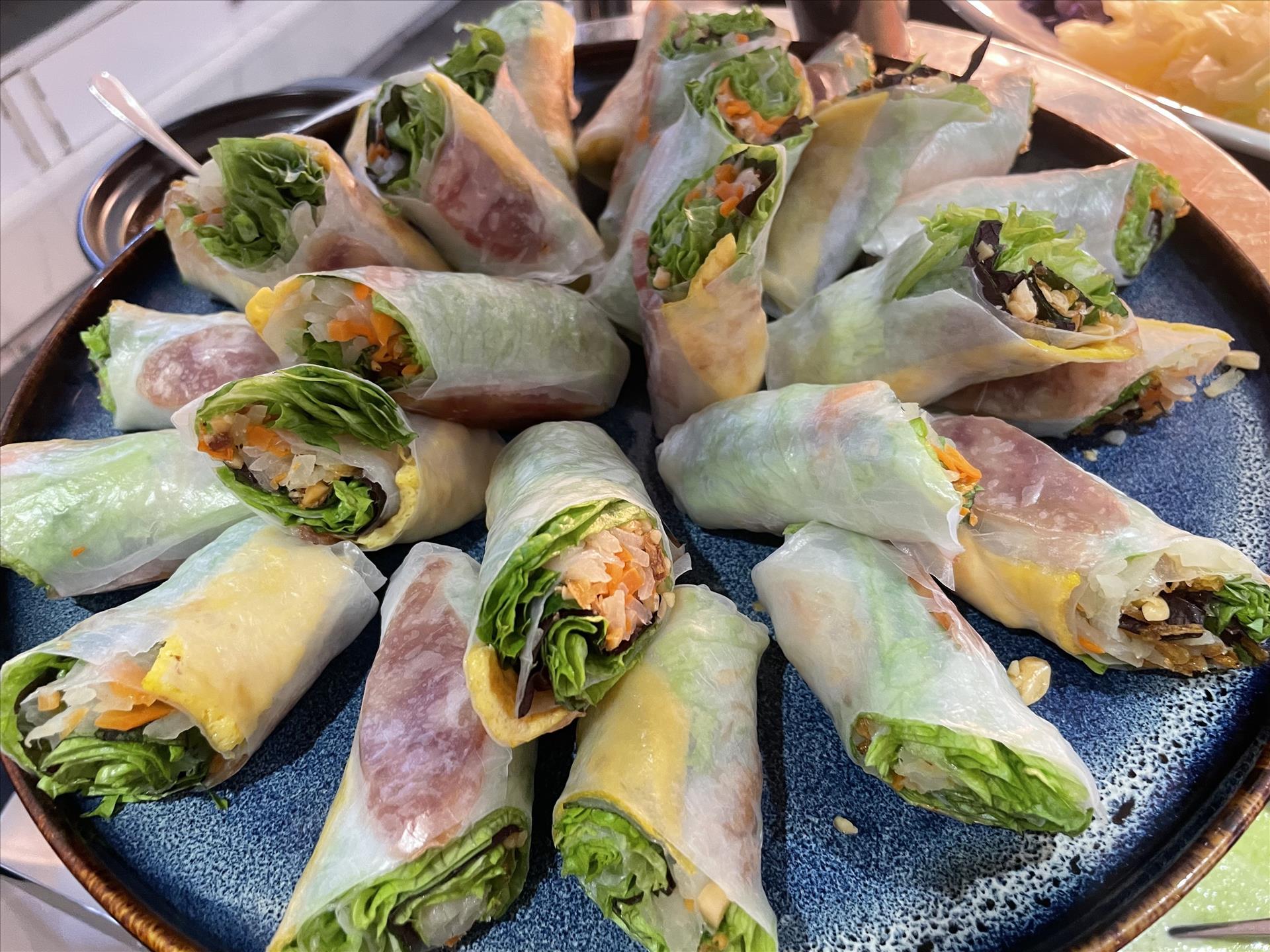
RTBF notes that rice paper is very easy to use. It simply needs to be moistened with warm water to soften while retaining its elasticity, before being filled with a wide range of ingredients. Traditional recipes such as fresh rolls with vermicelli, shrimp, barbecued pork, herbs, and a black hoisin-based dipping sauce remain popular. Fried spring rolls filled with minced pork, carrots and glass noodles, served with fish sauce and fresh herbs, have also won over many European diners.
Belgian chefs have gone even further. RTBF highlights a number of innovative variations that are gaining popularity, such as rolls filled with mozzarella cheese and Parma ham, Italian mortadella combined with parmesan, or even a unique version using Herve cheese paired with fruit syrup. These creations retain the rustic simplicity of rice paper while incorporating rich European flavours, creating an intriguing culinary fusion.
Rice paper is also used in entirely new ways. According to RTBF, some people in Belgium have tried making “Korean-style rice cakes” from rice paper: soaking the sheets, rolling and cutting them into pieces, then cooking them with vegetables in soy sauce and chilli paste to create a warm, comforting dish for cold days. In addition, rice paper is used as a wrapper for steamed or fried dishes similar to Italian ravioli, with diverse fillings such as pork, ricotta cheese, spinach, pumpkin or mushrooms.
RTBF concludes that Vietnamese rice paper is increasingly winning the hearts of European diners thanks to its versatility, easy preparation and ability to pair well with a wide range of Western ingredients. This culinary exchange not only broadens the reach of Vietnamese cuisine but also enriches the multicultural culinary landscape of Belgium and many other countries.
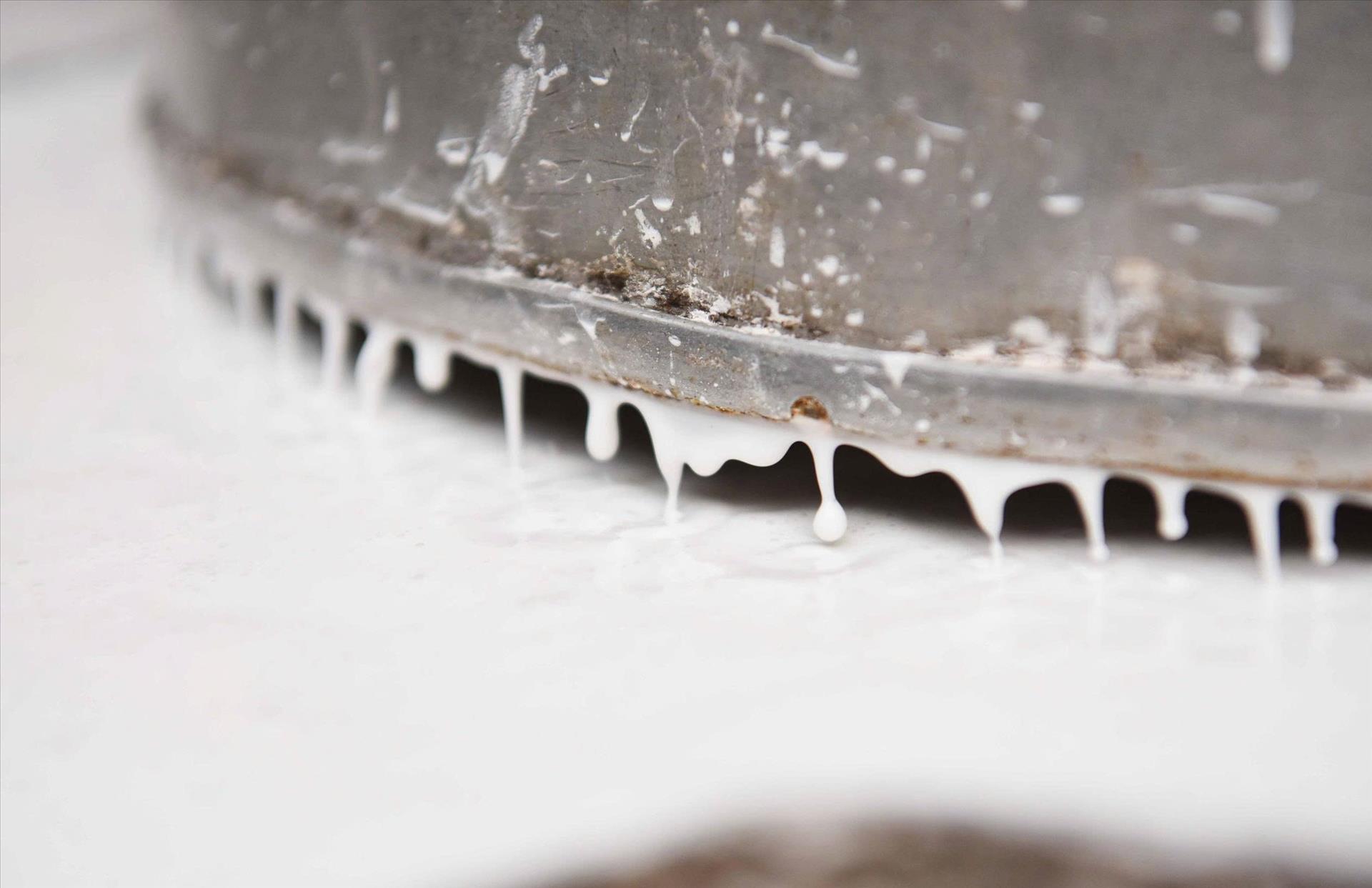
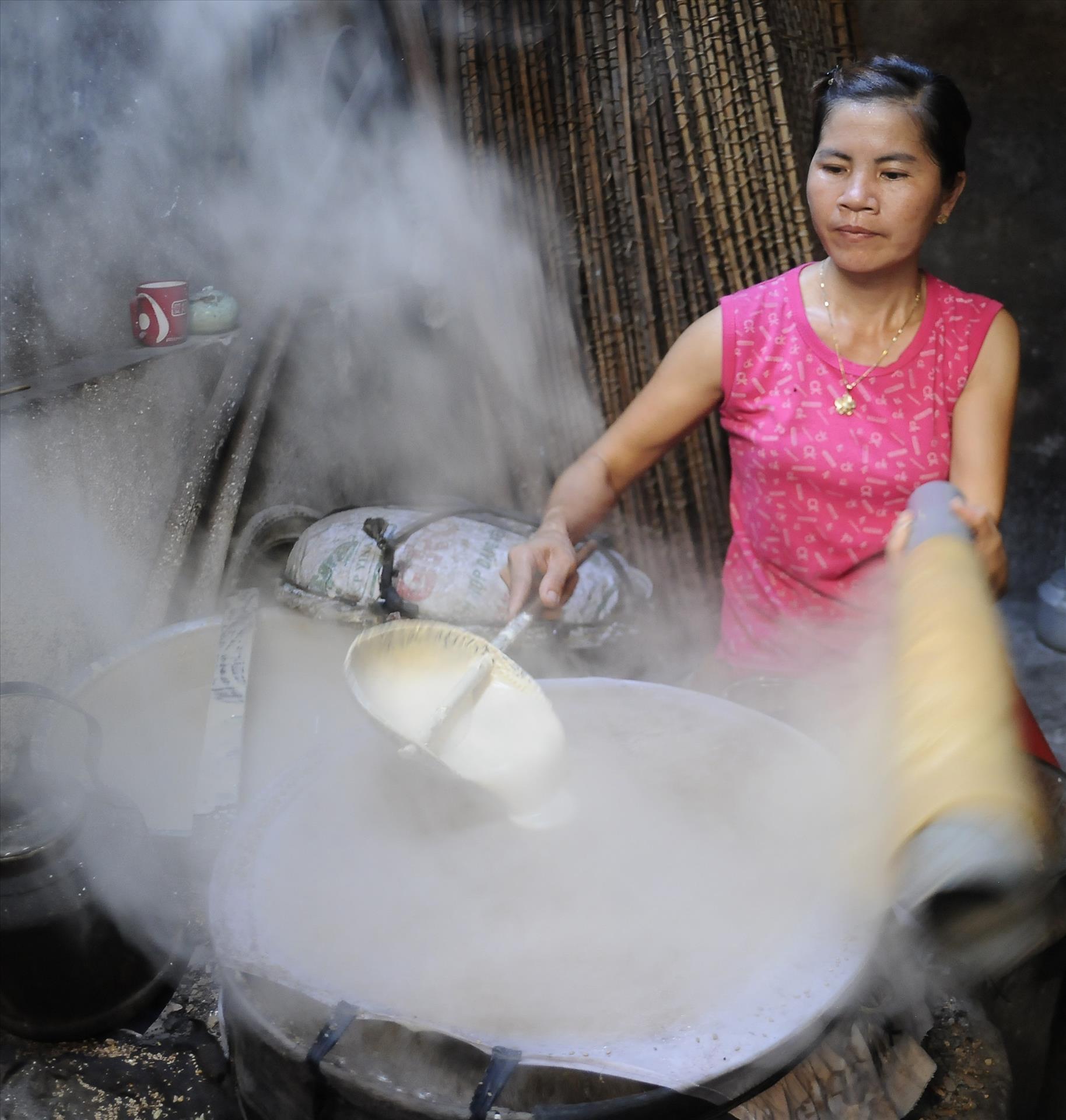
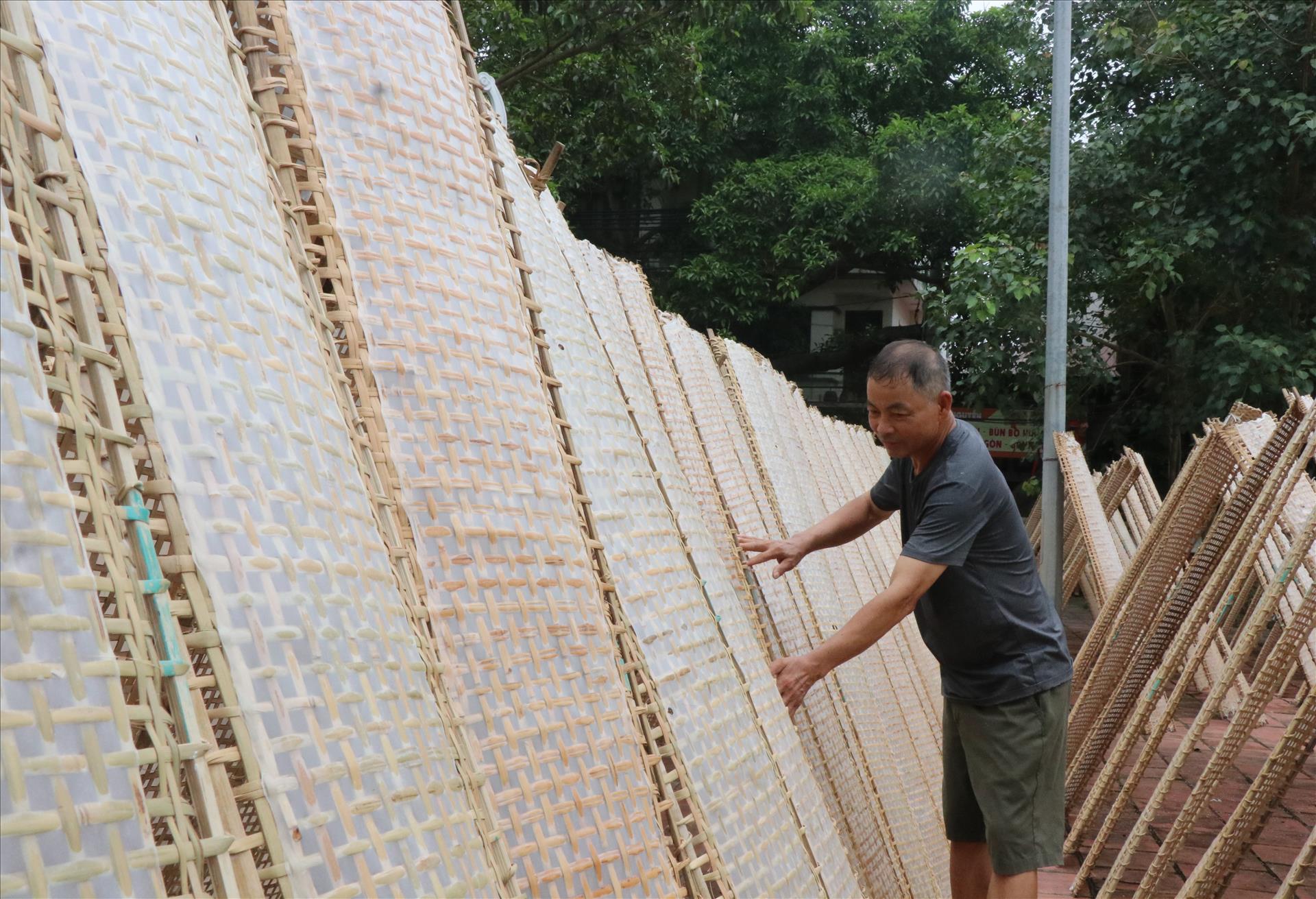
While Europe discovers the versatility of rice paper, its quality is rooted in centuries of tradition. Tho Ha Village, located in Bac Ninh Province, has long been celebrated as the "kingdom" of rice paper making. This village is a living museum, preserving the culinary essence of the Vietnamese people through a craft that dates back hundreds of years.
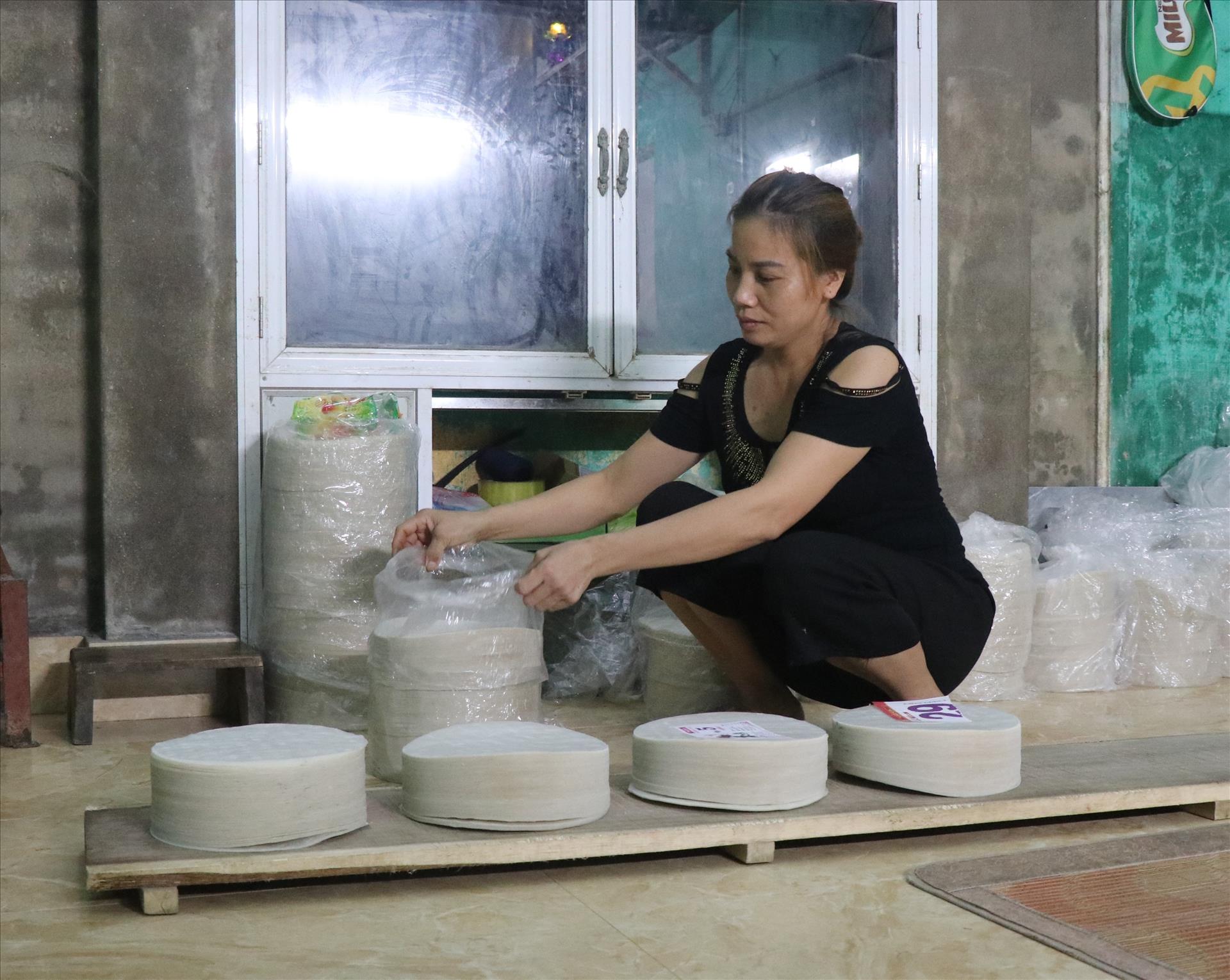
According to village elders, the craft appeared during the Nguyen Dynasty. Local lore tells of a woman who migrated to Tho Ha, bringing with her a unique secret recipe. Over many generations, the villagers have diligently preserved and refined this process, making it an indispensable part of local cultural life. Today, this craft village provides jobs for hundreds of residents, serving as a vital pillar of the local economy while maintaining its historical soul./.