Preserving Muong Dong Com Lam: A Culinary Heritage
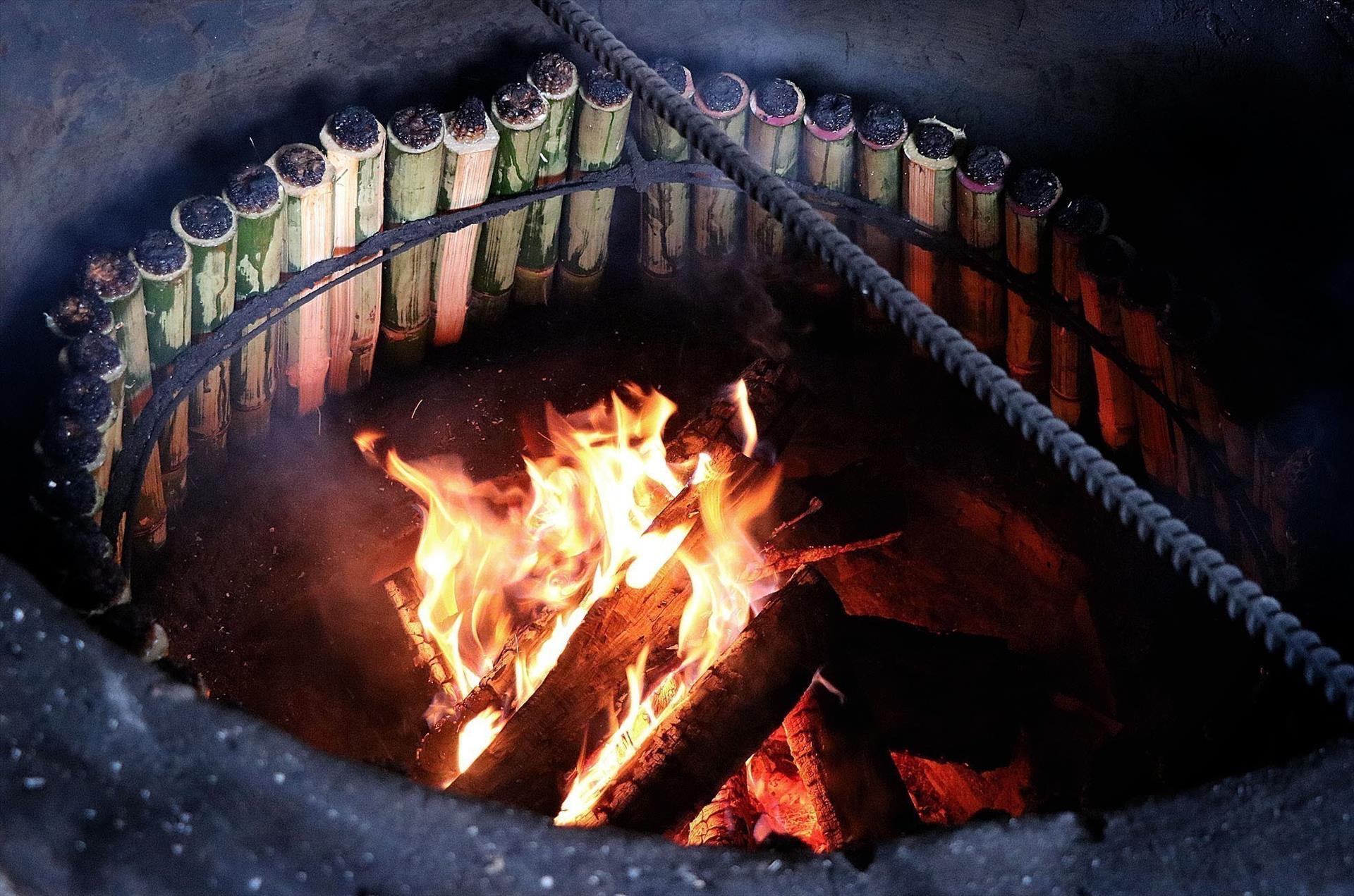
In the Muong Dong region, com lam is more than a rustic dish. Closely tied to daily life, labor, and spiritual practices, it embodies the Muong community’s long-standing relationship with the mountains and forests.
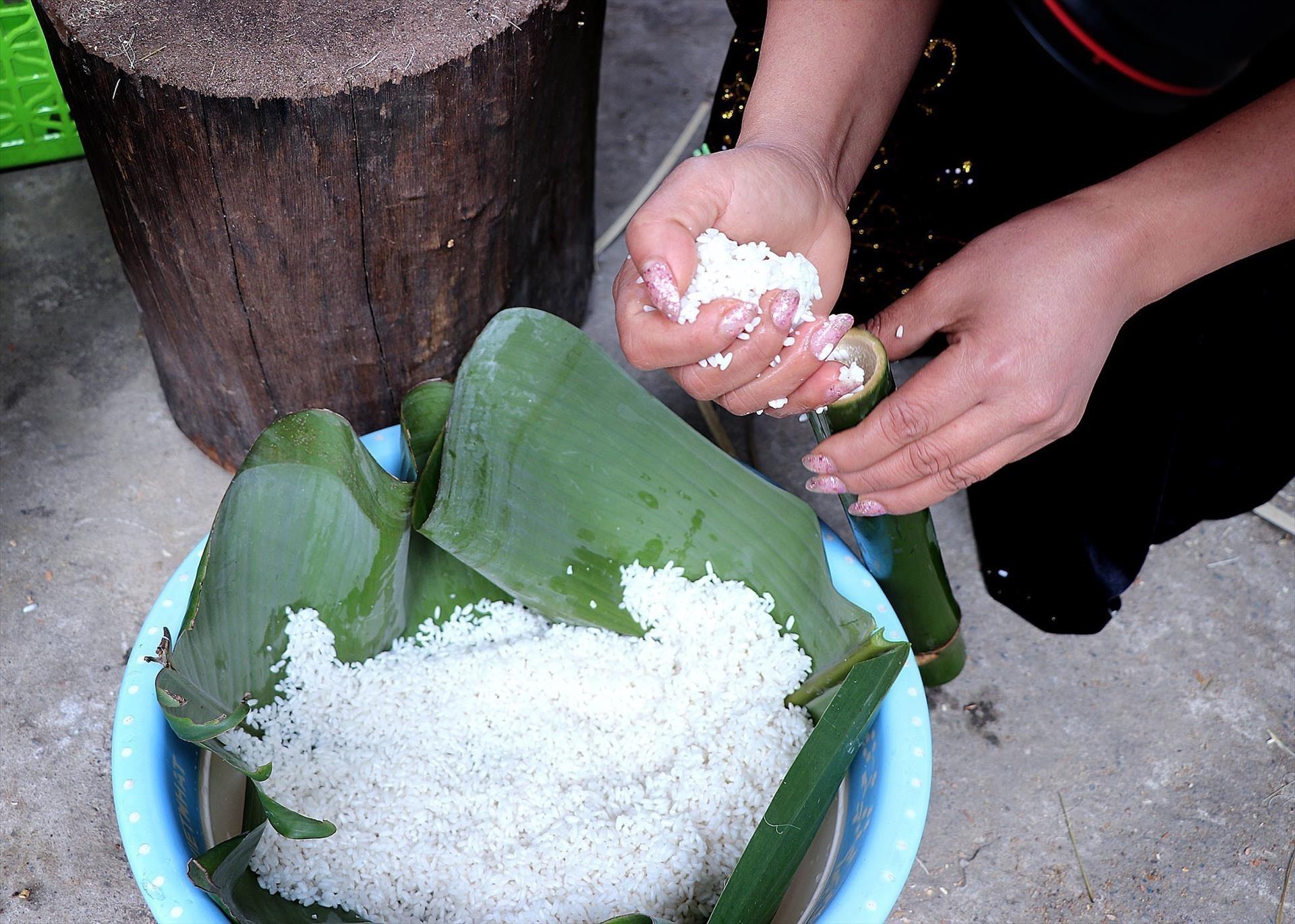
For the Muong people, rice is both sustenance and symbol. To prepare com lam, fragrant sticky rice grown in local fields is carefully selected, soaked, and packed into young bamboo tubes filled with spring water. The openings are sealed with banana leaves, and the tubes are slowly grilled over charcoal. This traditional method requires experience and patience, allowing the rice to cook evenly while absorbing the natural aroma of bamboo.
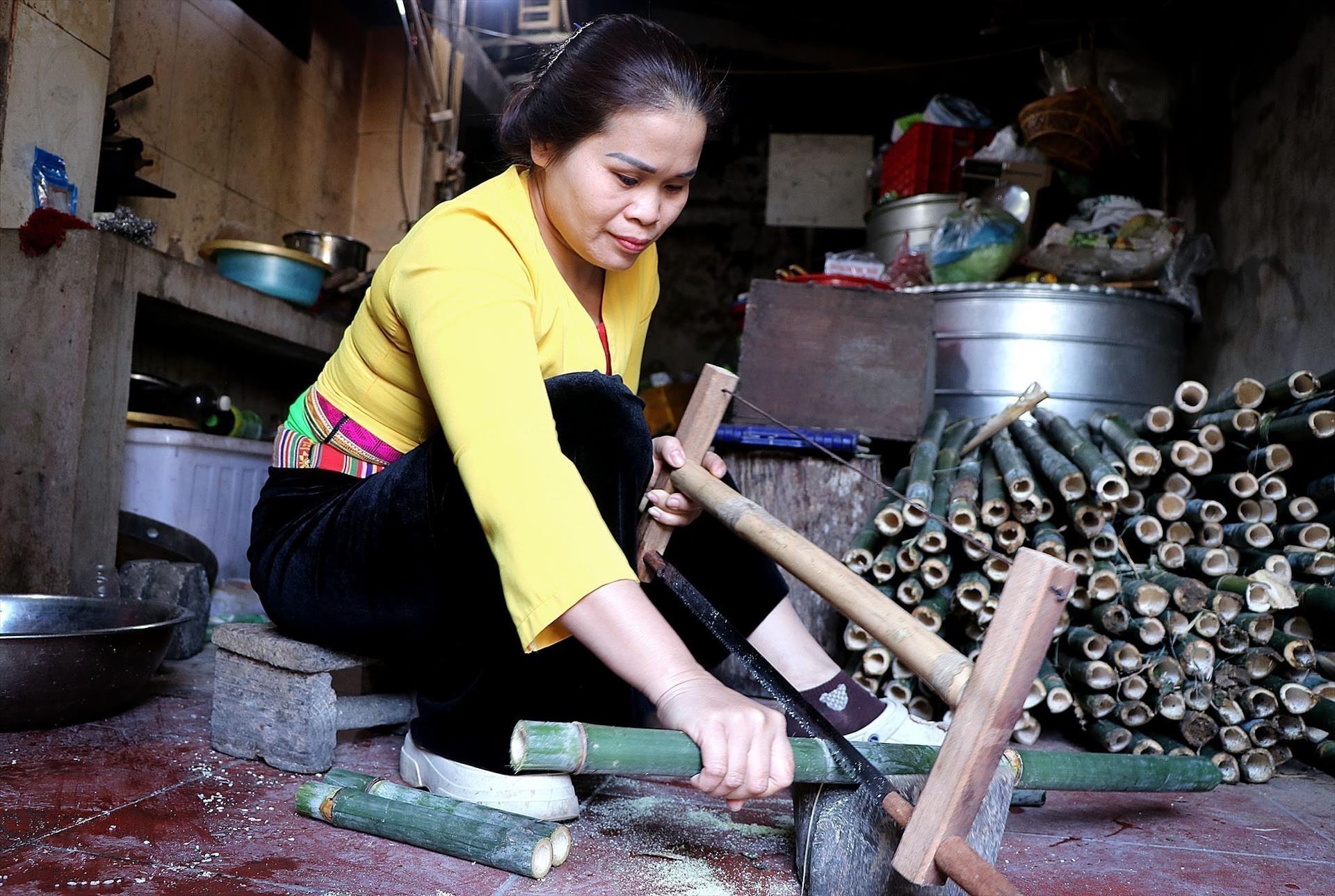
When the charred bamboo is peeled away, the rice inside is soft and chewy, with a mildly sweet, savory flavor. The subtle scent of bamboo blends harmoniously with the rice, creating a taste that is simple yet distinctive. Traditionally, com lam is enjoyed with sesame salt, grilled meat, or forest vegetables, forming a nourishing meal that reflects the flavors of the uplands.
Beyond everyday meals, bamboo rice holds an important place in Muong communal and spiritual life. It is prepared for festivals, weddings, and village ceremonies, where it is offered to ancestors and shared among families and guests. In these moments, com lam becomes a symbol of unity, hospitality, and the transmission of folk knowledge across generations.
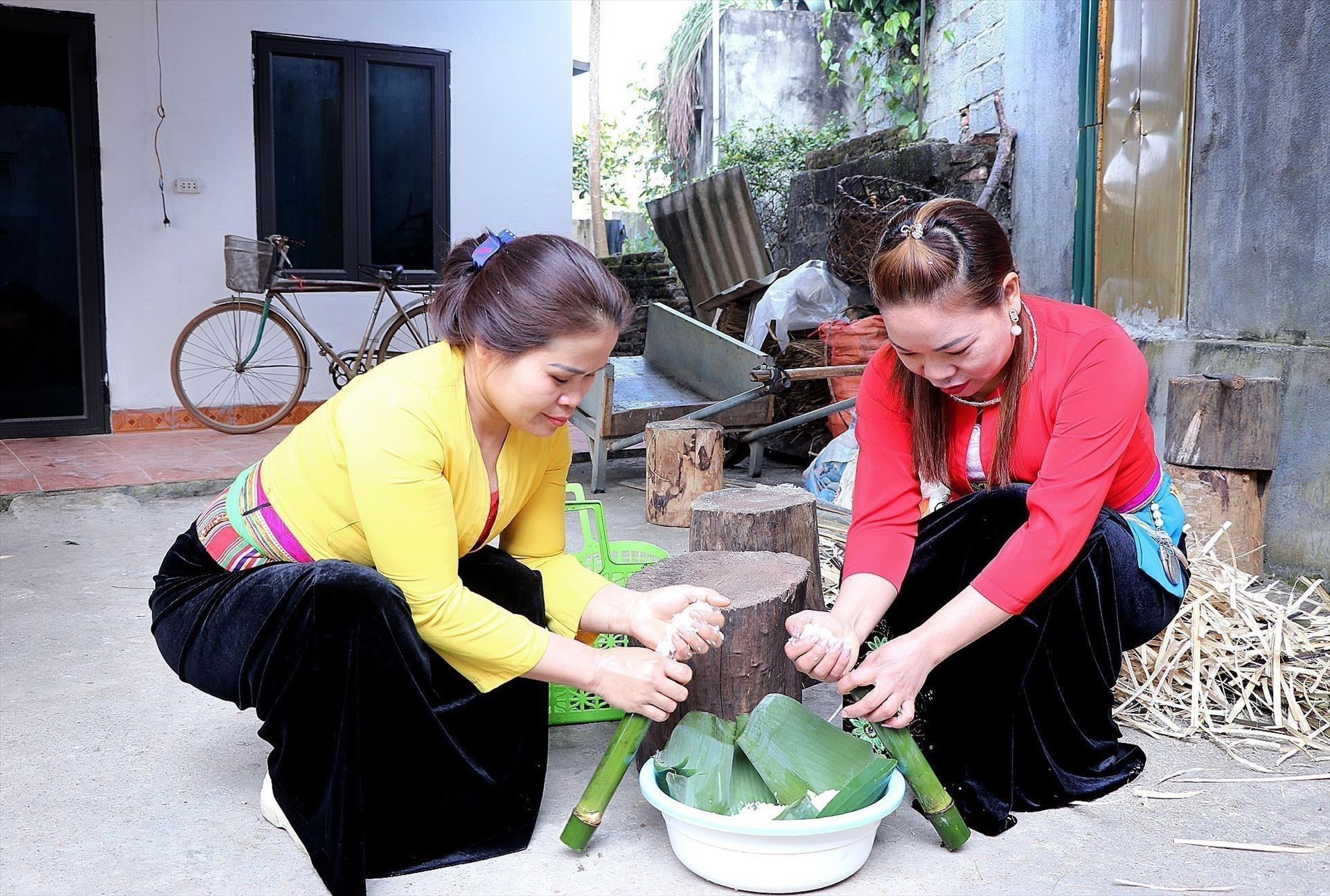
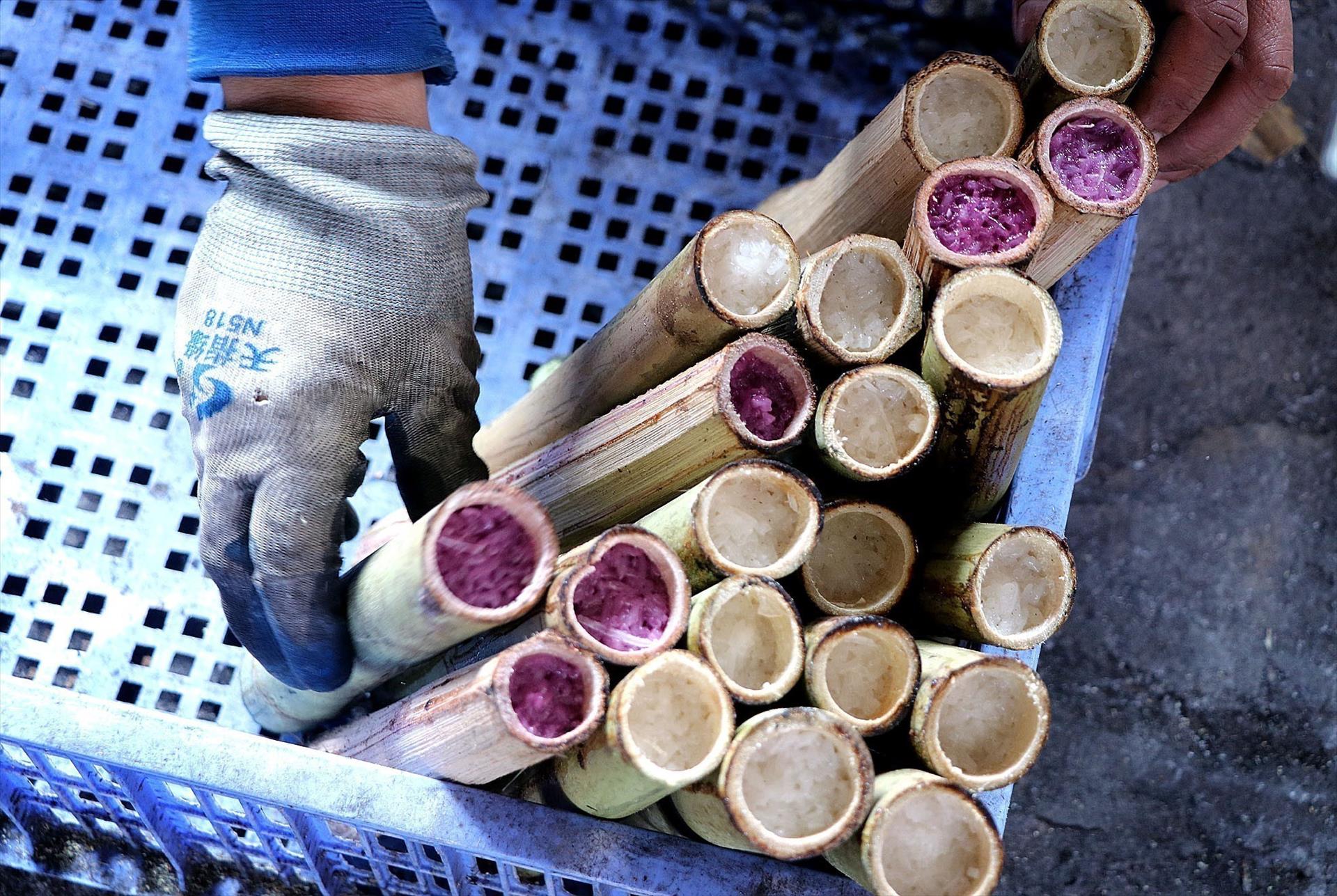
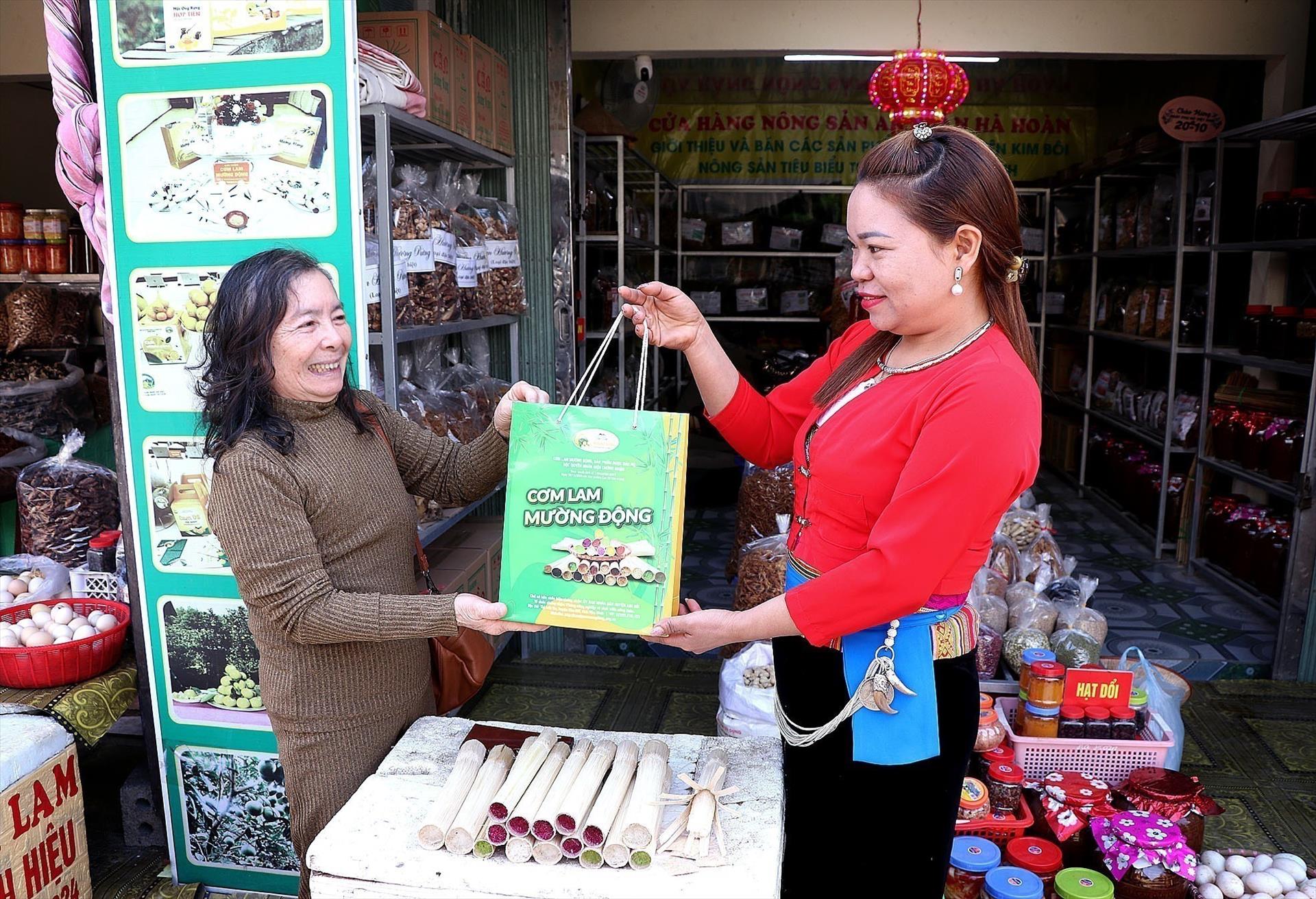
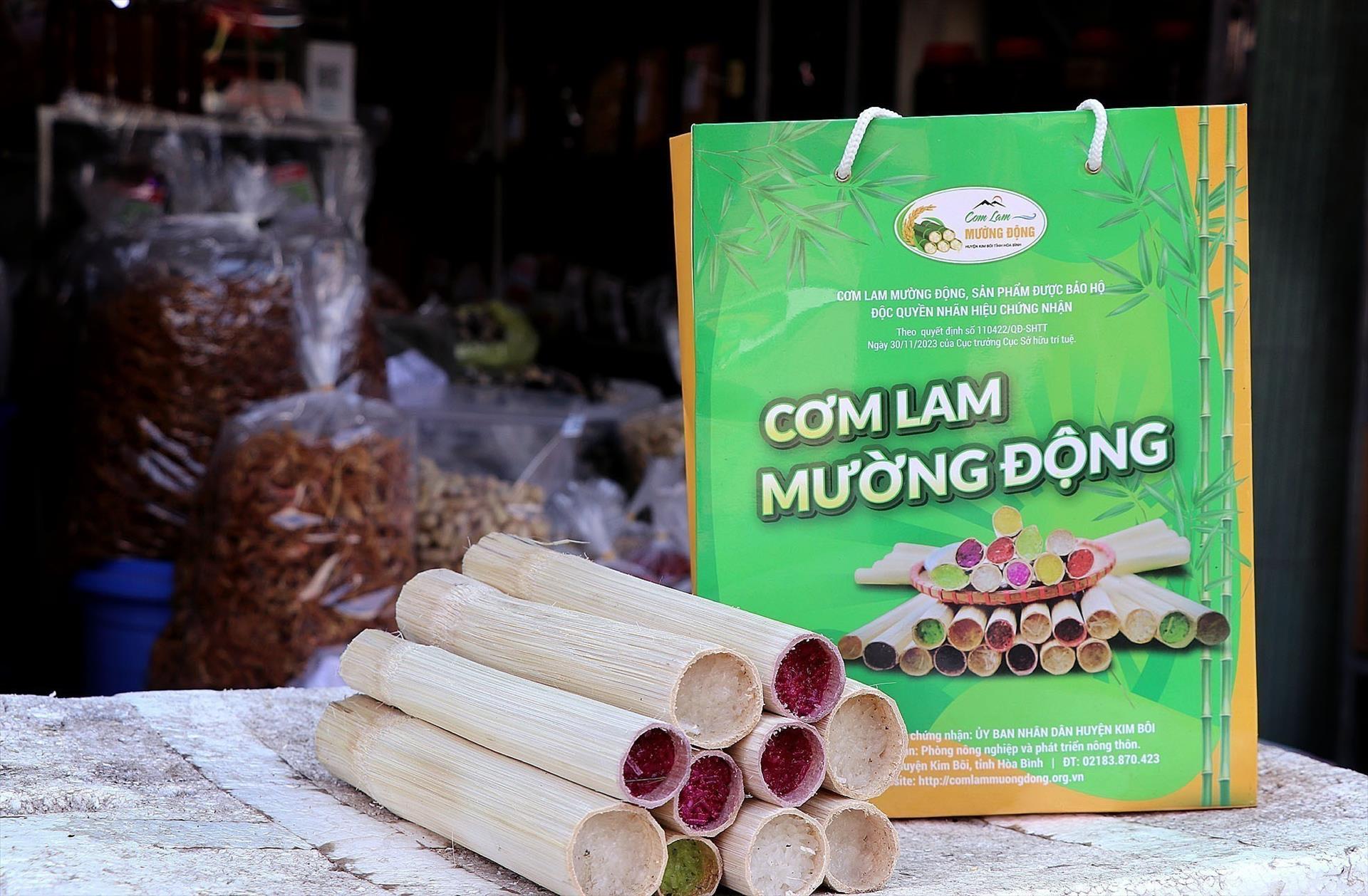
Today, the people of Muong Dong continue to preserve this traditional craft while adapting to modern life. Through improved production and branding, Muong Dong bamboo rice has been developed into a three-star OCOP specialty favored by the market. Despite commercialization, local producers remain committed to traditional methods, ensuring that com lam remains a living heritage rooted in nature, culture, and collective memory.
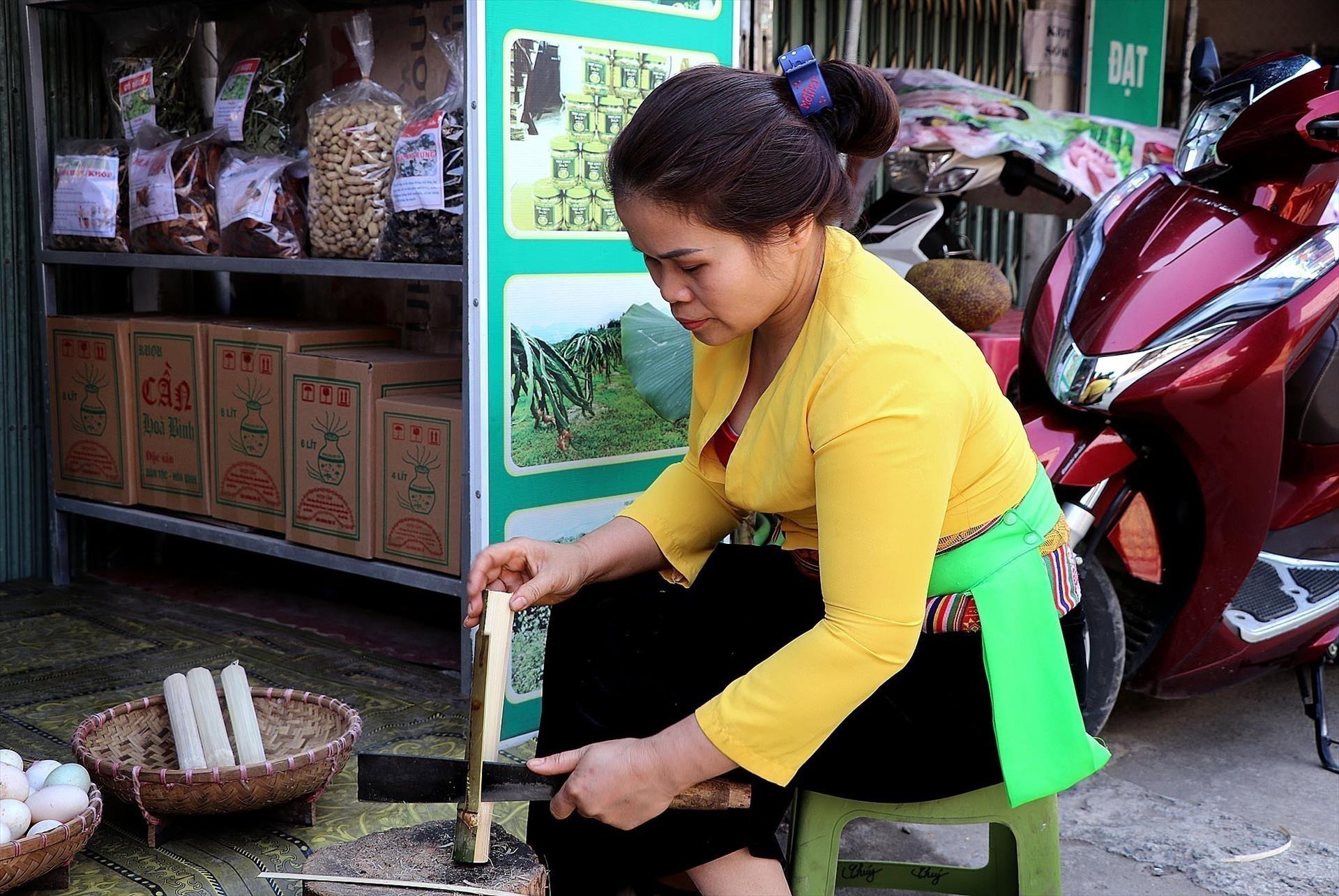
Story : VNP Photos: VNA