Northern Vietnam – Where nature meets culture
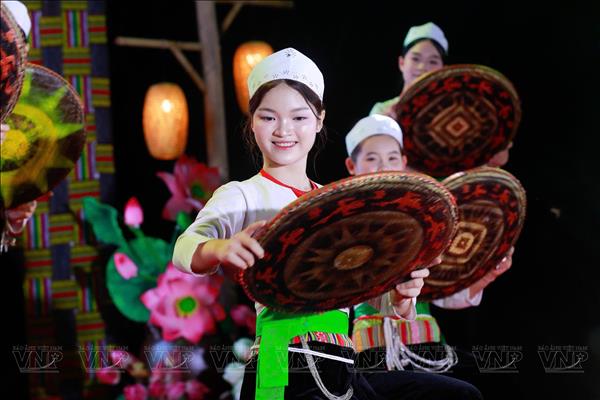
Sa Pa, in the mountainous province of Lao Cai, remains one of the most sought-after destinations in northern Vietnam, particularly during the summer months thanks to its cool climate and majestic mountain scenery. Terraced rice fields, highland villages and clouds drifting across Mount Fansipan, dubbed "The roof of Indochina", create a unique attraction. Beyond its natural landscapes, the cultural identity of ethnic communities such as the Mong and the Red Dao, reflected through traditional costumes, local markets and highland folk music, adds to Sa Pa’s enduring appeal.
Ha Long Bay in Quang Ninh province stands as an iconic northern coastal destination. Renowned for its thousands of limestone islands rising from emerald waters, the bay offers more than sightseeing, kayaking and resort experiences. Visitors are also drawn to peaceful moments immersed in nature, from sunrise views to the tranquility of life on the bay. Continuous improvements in transport infrastructure have helped transform Ha Long into one of Vietnam’s leading seaside tourism hubs.
Central Vietnam – A land of blue seas and heritage
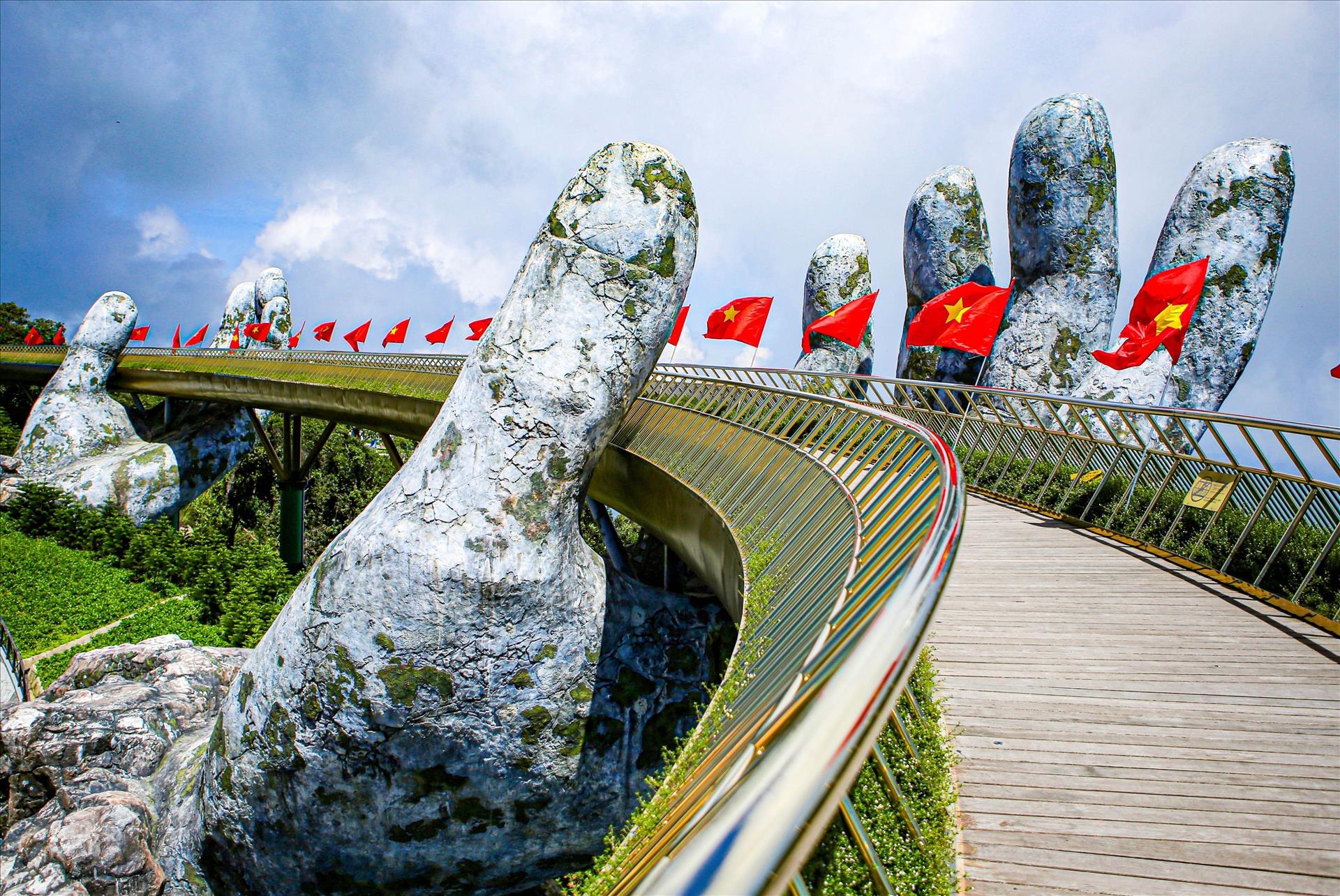
While northern Vietnam is known for its mountains and temperate climate, the central region attracts visitors thanks to its beautiful beaches and rich cultural heritage.
Da Nang has emerged as one of the country’s premier tourism centres, famous for beaches such as My Khe, Non Nuoc, Nam O and Xuan Thieu, alongside modern infrastructure and a well-developed tourism ecosystem. The city also attracts visitors through festivals, entertainment activities and a broad range of leisure experiences. Nearby, Hoi An offers timeless beauty with ancient houses, colourful lanterns and distinctive historical and cultural identity.
Hue presents a more contemplative atmosphere, with renowned heritage landmarks including the Imperial Citadel, the Nguyen Dynasty royal tombs, Thien Mu Pagoda and the Huong (Perfume) River. Its historic character and cultural depth continue to appeal to travellers seeking authentic heritage experiences.
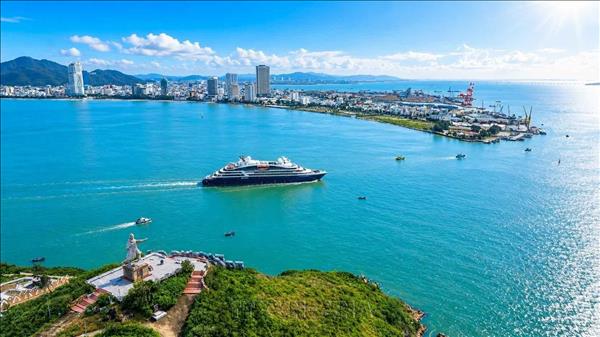
Elsewhere, Phu Yen and Quy Nhon are increasingly recognised for their unspoilt natural landscapes, attractive coastlines, peaceful resort environments and steadily improving tourism infrastructure.
Southern Vietnam – A haven of resorts and river culture
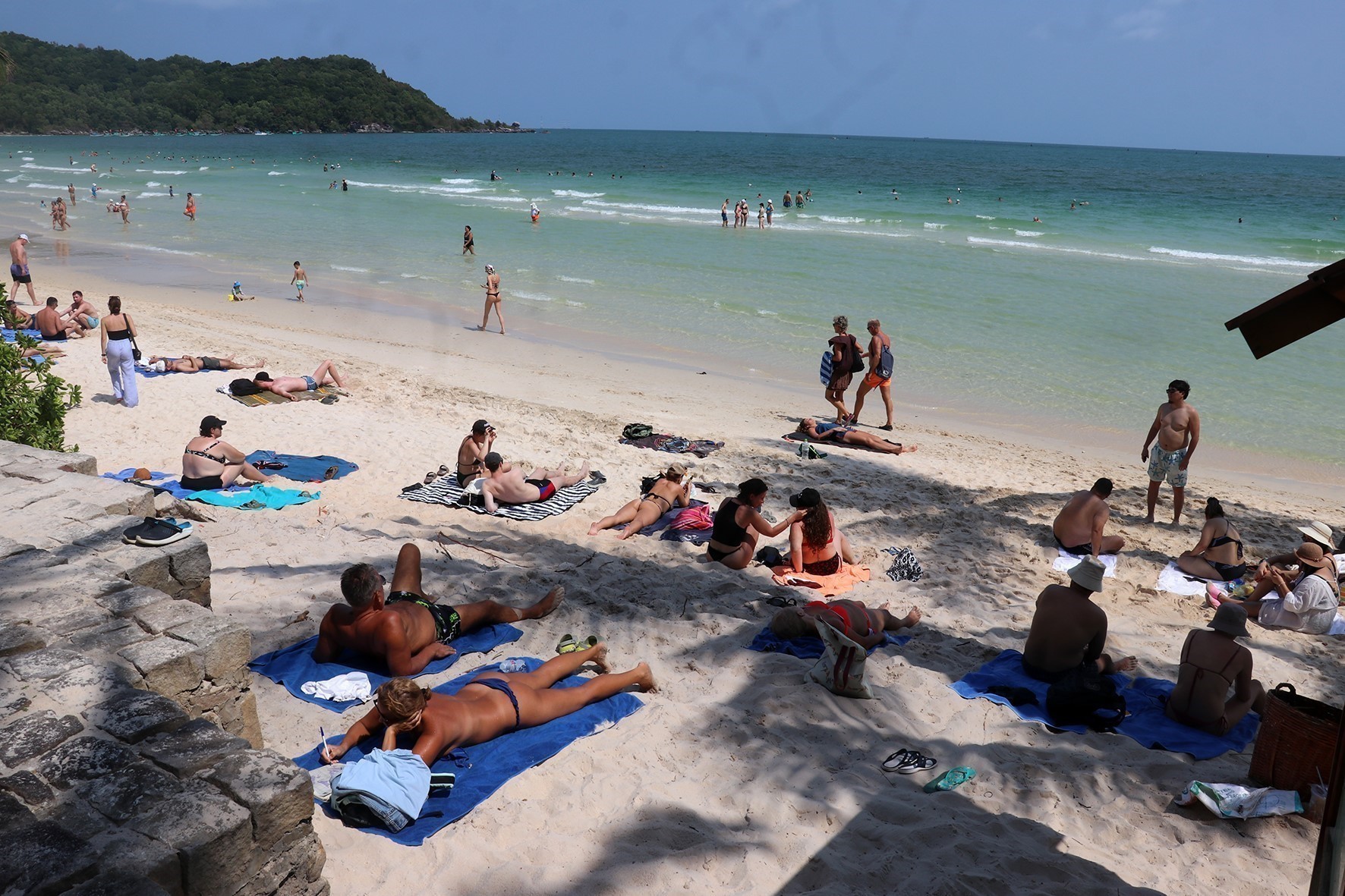
Phu Quoc, in An Giang province, has become one of southern Vietnam’s leading beach destinations, known for its pristine coastline, luxury resorts and diverse experiences including coral diving, island exploration and seafood cuisine. Expanded international air links and modern tourism infrastructure have helped the island attract increasing numbers of visitors from around the world.
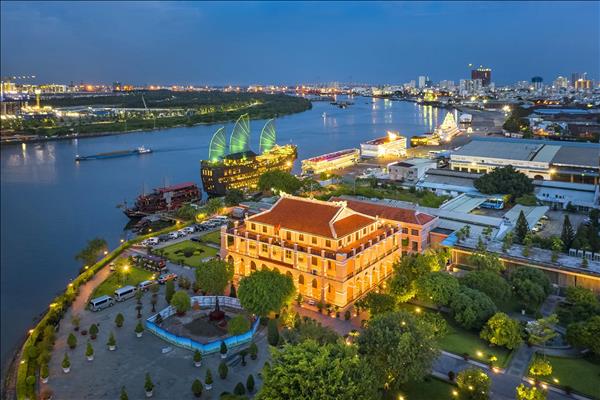
Ho Chi Minh City serves as a major tourism gateway to the southern region, drawing visitors through its vibrant entertainment scene, multicultural atmosphere and rich culinary offerings. From the metropolis, travellers can easily connect to many of southern Vietnam’s best-known destinations.
Meanwhile, the Mekong Delta offers the gentle charm of river life. Fruit orchards, floating markets, community-based tourism and traditional cultural expressions such as don ca tai tu (southern amateur music) create a distinctive appeal, allowing visitors to experience the everyday life and cultural identity of southerners.
Preserving natural beauty, cultural values, promoting sevices quality
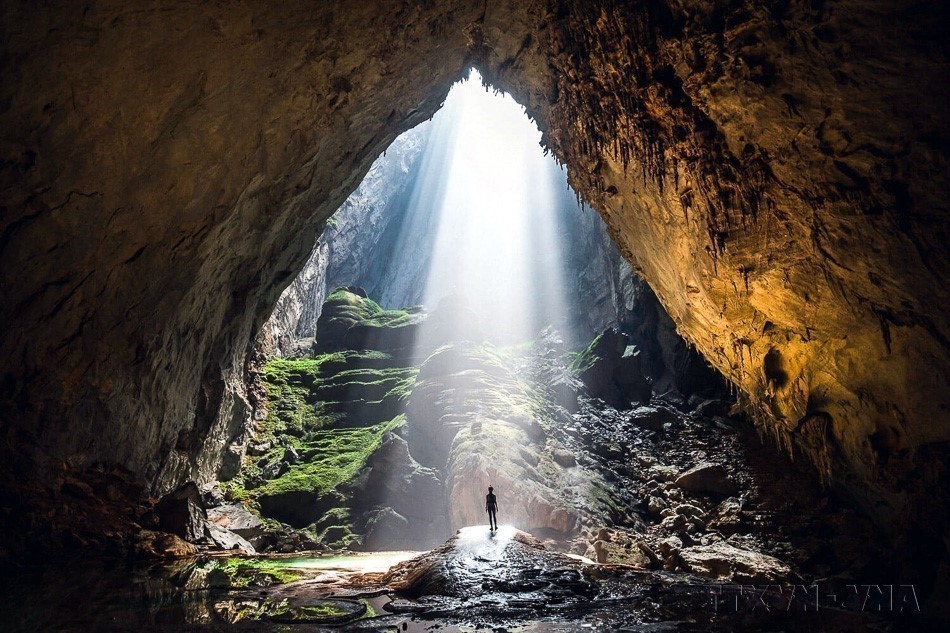
In 2026, Vietnam’s tourism industry aims to welcome approximately 25 million international arrivals, serve 150 million domestic travellers and generate total tourism revenue of around 1.125 quadrillion VND (approximately 43 billion USD), contributing significantly to the Government’s double-digit economic growth ambitions.
To achieve these goals, Director of the Vietnam National Authority of Tourism (VNAT) Nguyen Trung Khanh said the sector would focus on improving the legal framework, proposing amendments to the 2017 Tourism Law, introducing policies to support tourism businesses and working with local authorities to develop tourism products based on regional strengths.
To address these challenges, experts recommend stricter tourism planning, improved visitor management during busy periods, stronger environmental oversight at tourist sites and limits on uncontrolled development that may damage natural landscapes. Expanding green tourism and community-based tourism linked to the preservation of local culture is also seen as an essential direction for easing pressure on popular destinations.
The appeal of Vietnam’s tourism industry lies not only in its diverse natural landscapes but also in the cultural depth and distinctive experiences offered by each region. Preserving natural beauty, safeguarding local cultural values and enhancing service quality will provide the foundation for sustainable growth and strengthen Vietnam’s position as an attractive destination for both domestic and international travellers./.