Trusted neighbours
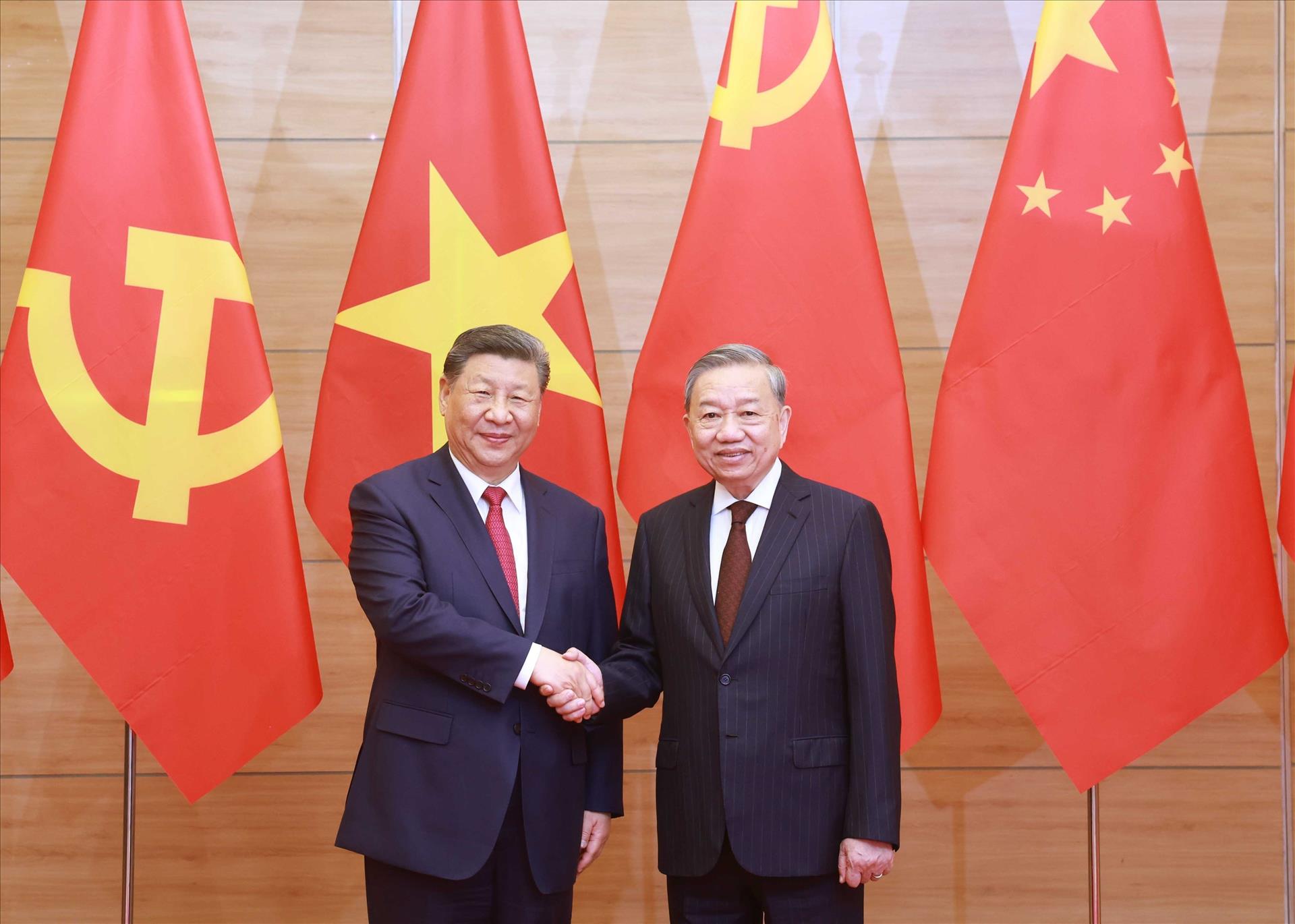
Since the establishment of diplomatic relations on January 18, 1950, Vietnam and China have advanced cooperation across all fields, with trade standing out as a key pillar.
With geographical proximity, similar consumer habits, and a long-standing trading tradition, Vietnam and China enjoy strong advantages in bilateral trade.
In 2025, China remained Vietnam’s largest trading partner. Conversely, Vietnam was China’s biggest trading partner in ASEAN and ranked fourth globally, with two-way trade reaching 256.4 billion USD, up 24.8% year-on-year. In the first two months of 2026 alone, trade turnover hit 66.7 billion USD, an increase of 30.2%.
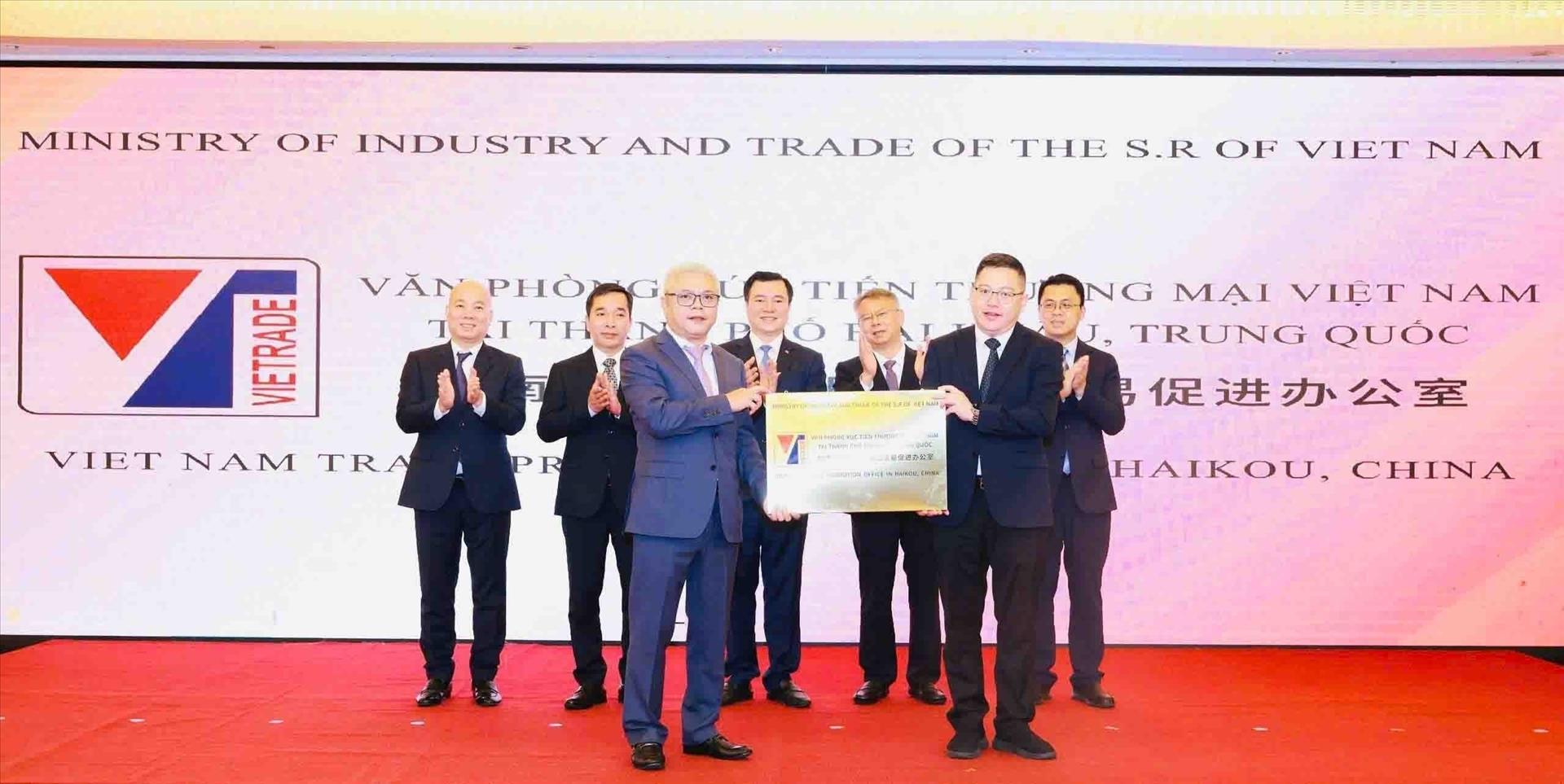
Vietnam’s key exports to China include agricultural products, seafood, electronic components, textiles and garments, rubber, and crude oil, with agricultural goods holding a clear edge. Meanwhile, Vietnam imports machinery, industrial equipment, raw materials, consumer goods, and electronic components from China, reflecting the complementary structure of the two economies.
Beyond traditional trade, e-commerce is expanding rapidly, emerging as a vital channel for Vietnamese goods, especially farm produce, to access the Chinese market. At the same time, improving transport and logistics infrastructure is helping cut costs, accelerate goods circulation, and further boost bilateral trade.
Expanding cooperation
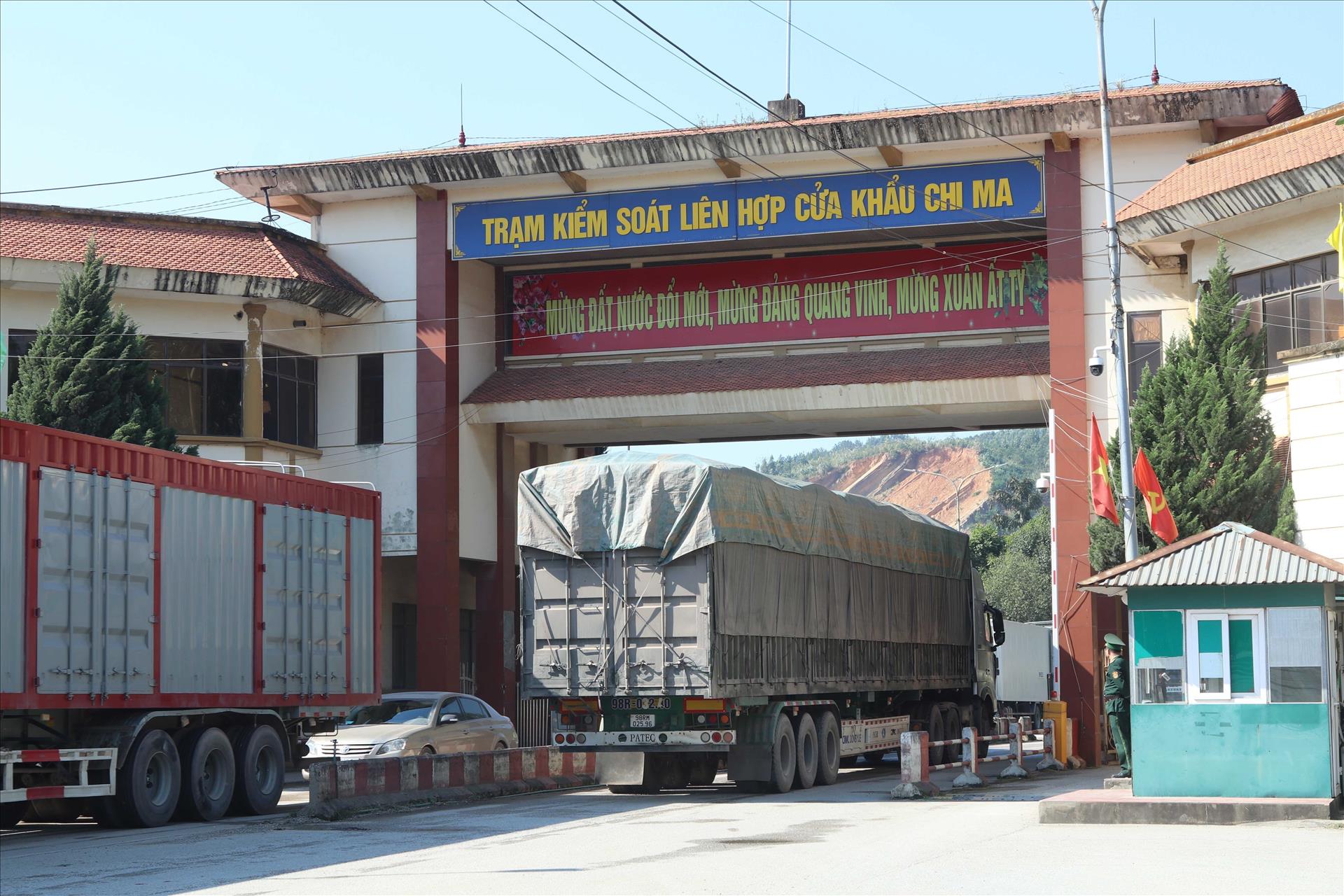
Amid robust growth in Vietnam–China economic and trade ties, the launch of the Vietnam Trade Promotion Office in Haikou, Hainan province, not only adds a new facilitation hub but also concretises bilateral cooperation orientations.
Hainan is a dynamic economic, trade, and tourism hub, serving as a gateway connecting China with Southeast Asia, including Vietnam. However, Vietnam–Hainan trade reached only around 1.41 billion USD in 2025, accounting for a modest share of 0.48%, indicating significant room for growth.
The operation of the Hainan Free Trade Port since late 2025, alongside breakthrough institutional policies, is expected to create new momentum for economic, trade, and investment cooperation. With complementary economic structures and favourable geographic conditions, both sides are well-positioned to expand collaboration, particularly in logistics and maritime transport, thereby enhancing Vietnam’s competitiveness and export capacity.
Deputy Minister of Industry and Trade Nguyen Sinh Nhat Tan noted that in 2024, Vietnam’s Ministry of Industry and Trade (MoIT) and the People’s Government of Hainan province signed a memorandum of understanding on strengthening economic and trade cooperation, laying a foundation for more effective collaboration. The two sides are now working on a cooperation plan for 2026–2028, covering trade, industry, and related sectors.
In this context, the establishment of the Vietnam Trade Promotion Office in Haikou plays a crucial role as a bridge for trade and investment promotion. It will provide official market information, policies, and partnership opportunities, helping businesses seize opportunities, formulate appropriate strategies, and address market-entry challenges.
Through promotion activities, enterprises from both sides will have more opportunities for direct engagement, fostering mutual understanding and building substantive, long-term partnerships. The office will also support the promotion of Vietnamese products and brands, enabling them to better reach Chinese consumers.
To further boost bilateral trade, MoIT stressed the need to shift towards formal export channels, gradually phasing out small-scale border trade, and focusing on high-quality products that meet stringent standards and evolving consumer demand.
At the same time, efforts should be made to develop sectoral strategies, build brands, and establish large-scale, market-oriented production zones; strengthen quality control and adopt standards such as GlobalGAP, VietGAP, and HACCP; and leverage bilateral mechanisms to address technical barriers and expand market access.
In addition, Vietnam should step up endeavours to attract Chinese FDI into high-tech, green, and innovation-driven sectors such as AI, semiconductors, and renewable energy, while enhancing infrastructure connectivity to support supply chains. Businesses are also encouraged to expand into emerging markets beyond traditional regions, comply with quality and traceability requirements, build strong brands, and make effective use of cross-border rail transport to elevate bilateral trade to new heights./.