
Located in Quy Hop commune in Nghe An Province, the outlying botanical garden of Pu Huong Nature Reserve has become known as a “living museum” of tropical flora. Established in 2002, the garden was designed as both a conservation facility and an open-air research laboratory, safeguarding valuable plant gene resources native to north-central Vietnam.
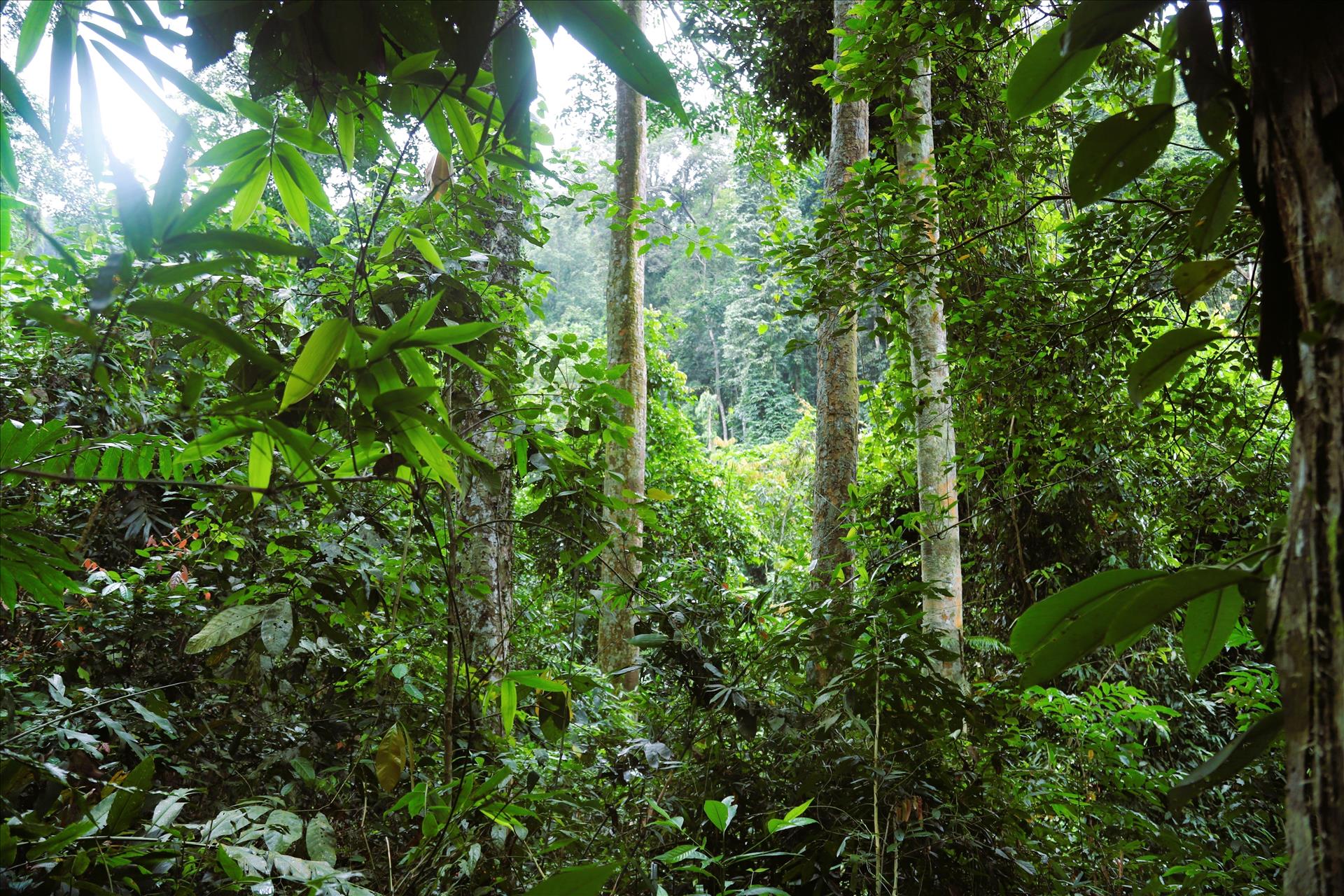
Located in Quy Hop commune in Nghe An Province, the outlying botanical garden of Pu Huong Nature Reserve has become known as a “living museum” of tropical flora. Established in 2002, the garden was designed as both a conservation facility and an open-air research laboratory, safeguarding valuable plant gene resources native to north-central Vietnam
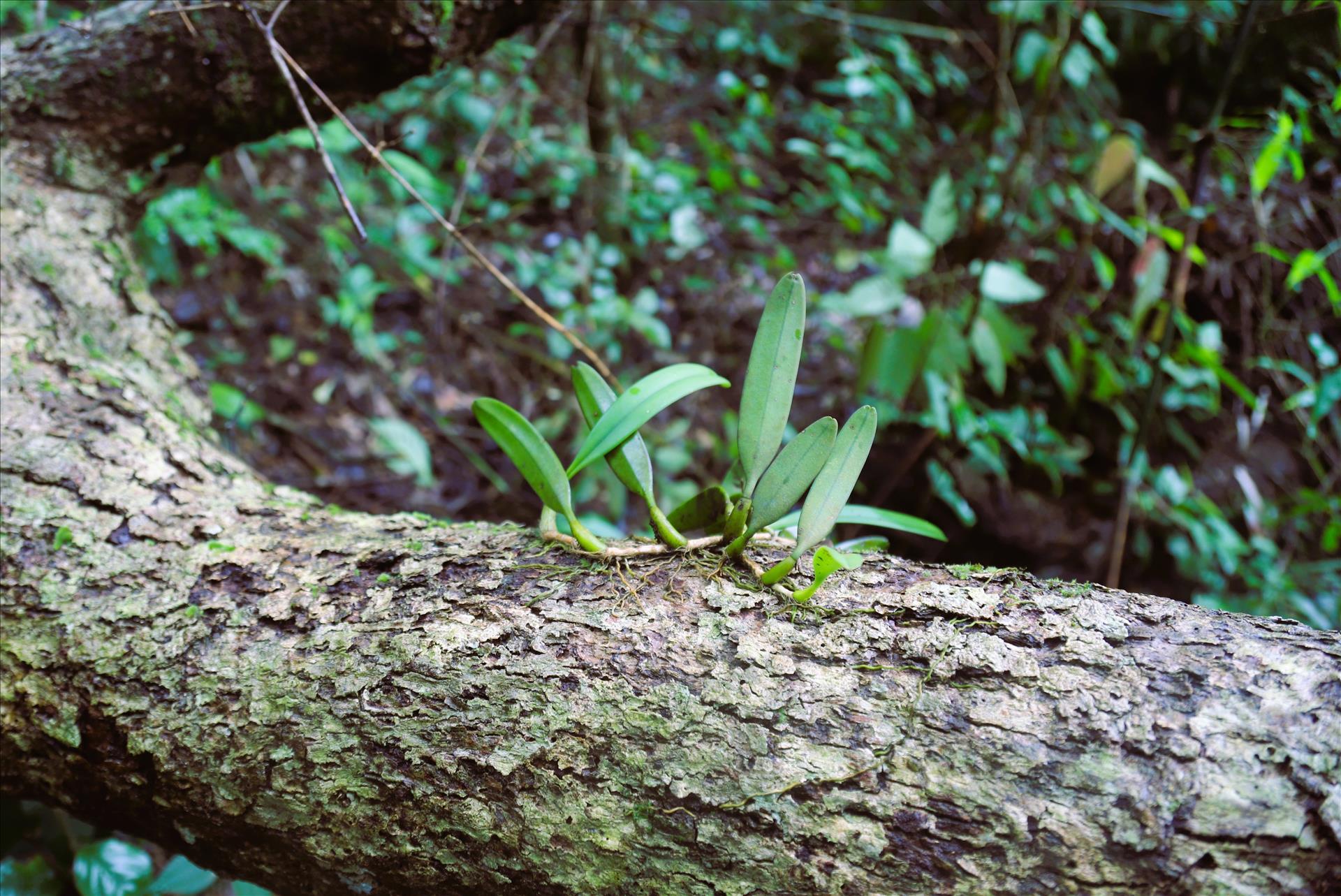
Spanning a diverse landscape of lowland forests and gently undulating hills, the garden preserves hundreds of plant species, including rare and endangered timber and medicinal varieties characteristic of the Truong Son mountain range. Many specimens are clearly labeled and systematically arranged, enabling students, scientists, and visitors to observe morphological traits, growth patterns, and ecological adaptations firsthand. The site therefore functions not merely as a display area but as an applied training ground for botany, forestry, and environmental science.
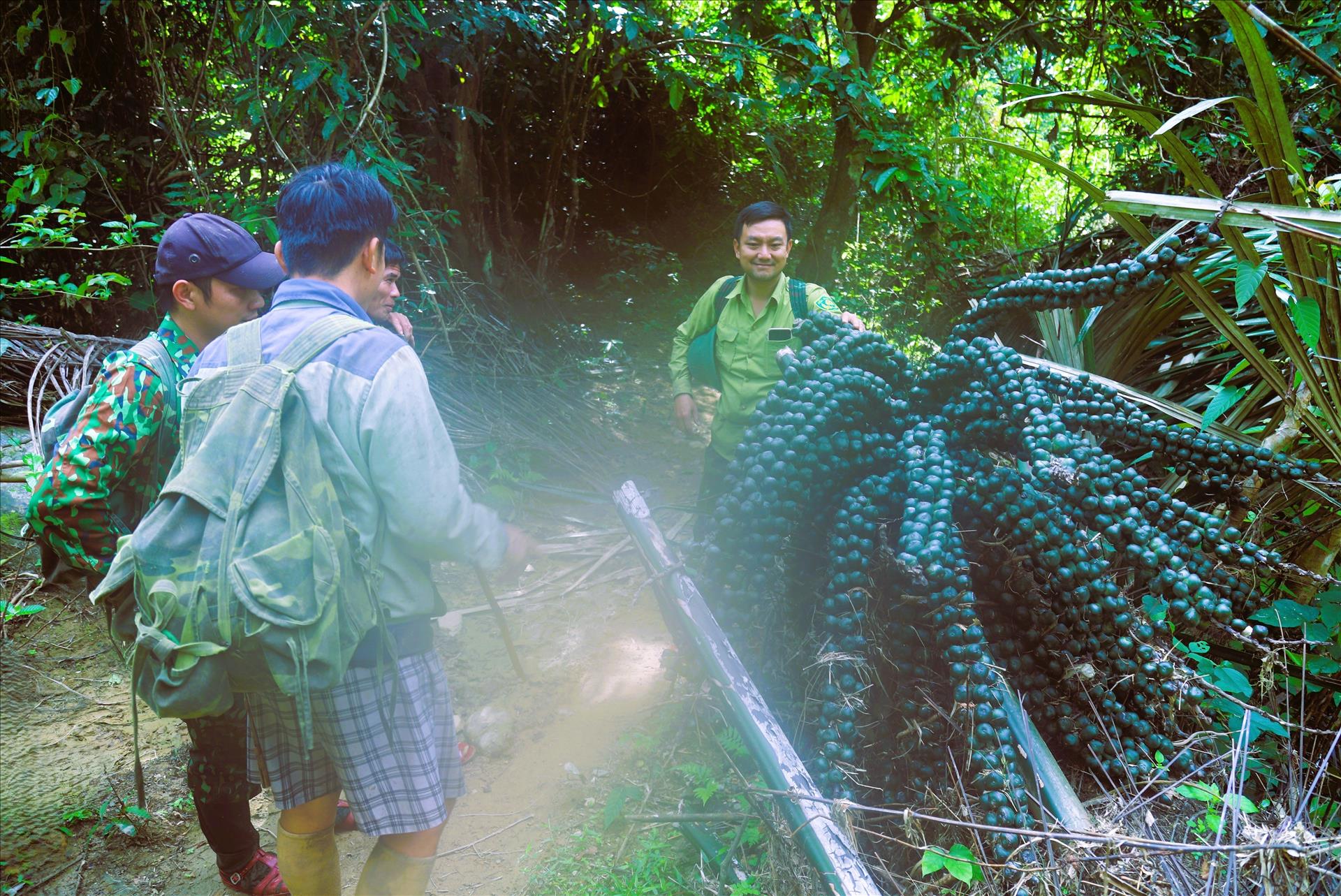
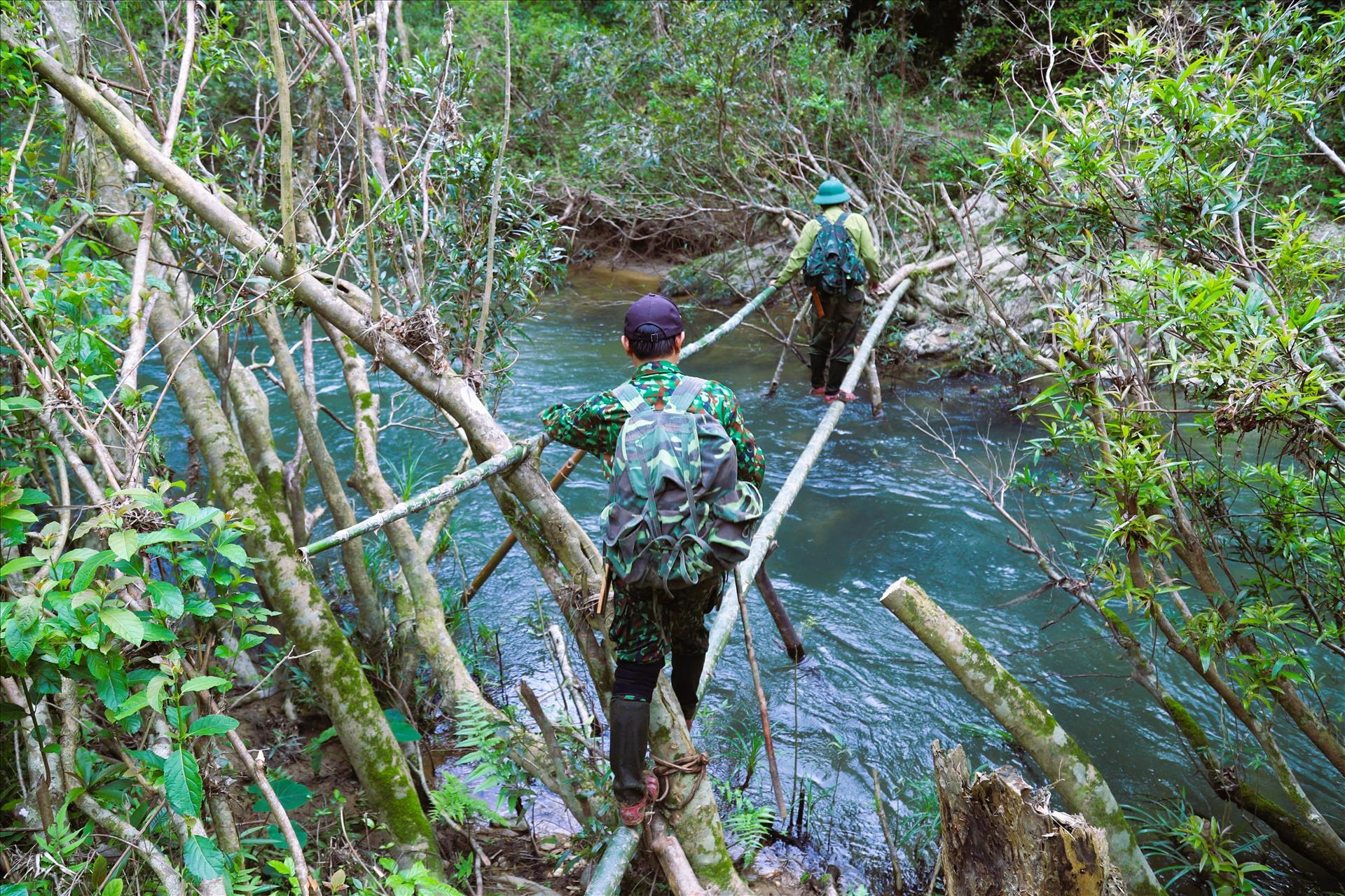
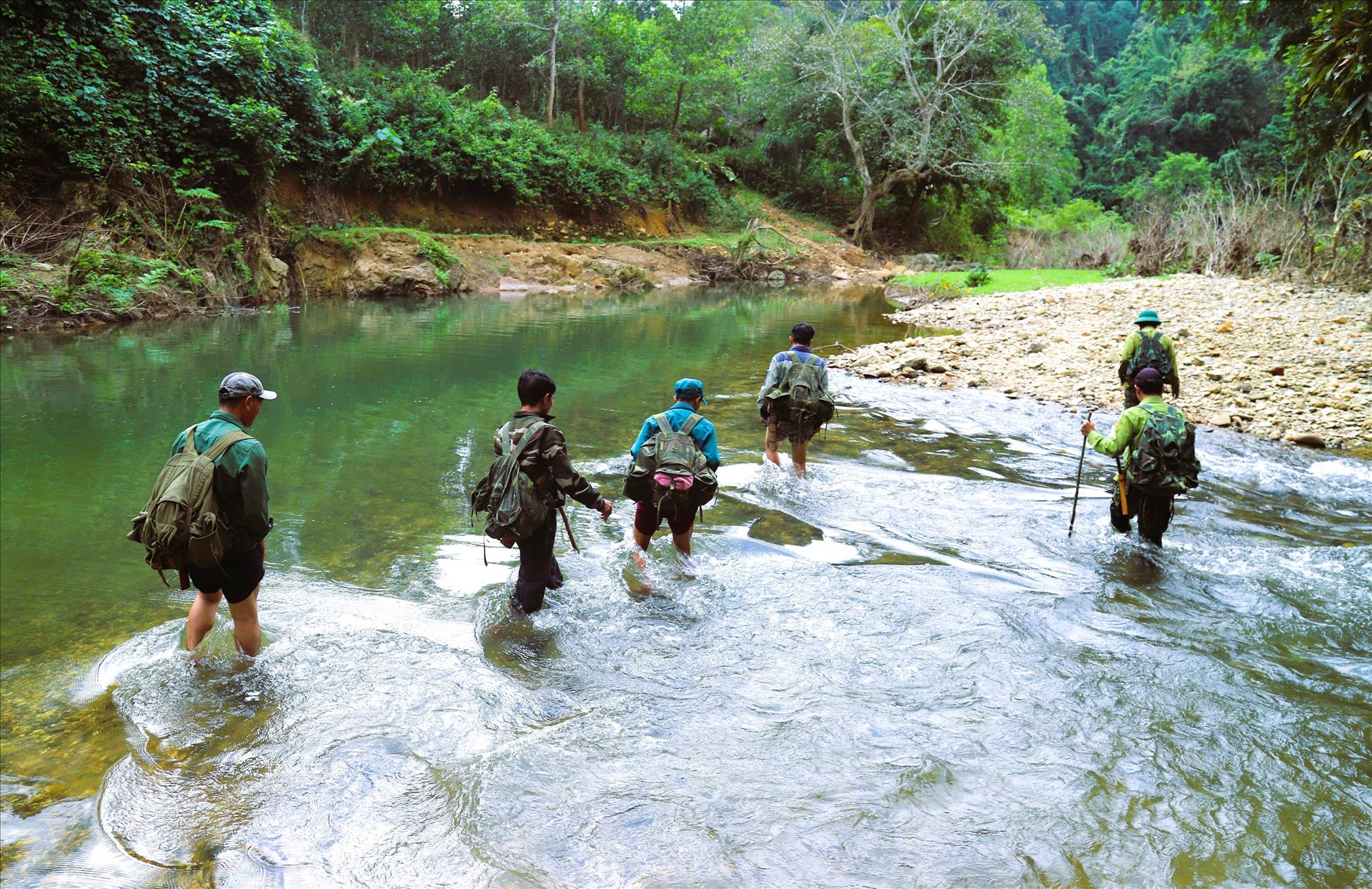
Beyond research, the botanical garden plays a pivotal role in ecological restoration. Seedlings cultivated here are used to replenish degraded forest areas within the reserve, contributing to habitat recovery and watershed protection. This work is particularly significant in the context of climate change and increasing human pressures on natural ecosystems.
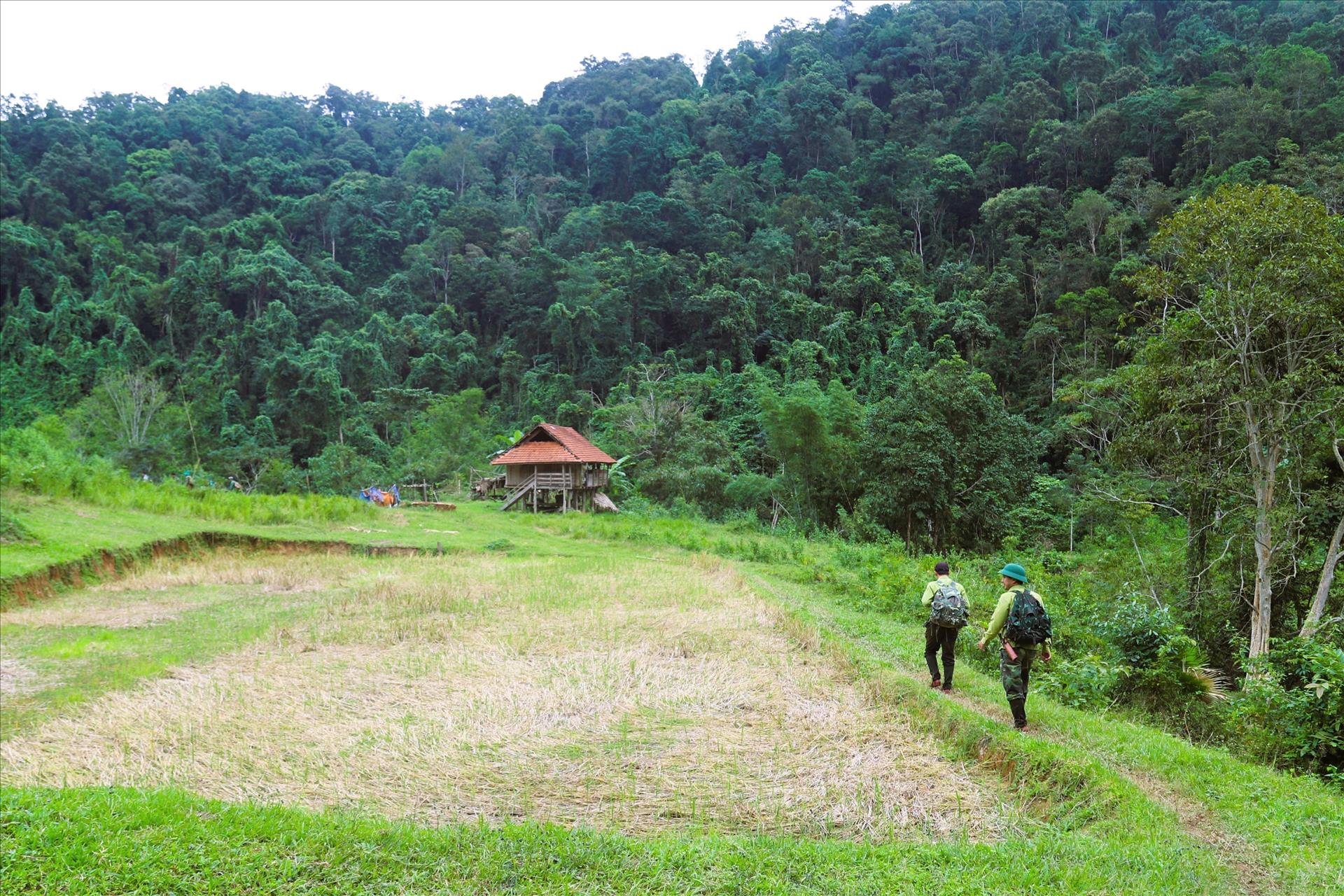
Education and outreach are equally central to its mission. Through guided tours, experiential learning programs, and forest protection campaigns, the garden raises public awareness about biodiversity conservation and sustainable resource use. For local communities, it stands as a tangible reminder of the ecological wealth of Pu Huong, reinforcing the shared responsibility to preserve forest ecosystems for future generations.