
The Ministry of Health is seeking public feedback on a draft project to develop high-quality medical services and promote medical tourism, attracting both domestic and international patients.
Under the project, by 2030, five key localities, namely Hanoi, Ho Chi Minh City, Da Nang, Quang Ninh, and Khanh Hoa, will pilot integrated medical tourism models combining hospitals, hotels, resorts and travel services.
Substantial growth potential
According to the ministry, Vietnam’s medical tourism market was valued at approximately 700 million USD in 2024 and is projected to expand to nearly 4 billion USD by 2033, representing an average annual growth rate of around 18%. The figures underscore the sector’s considerable potential.
Vietnam benefits from several competitive advantages, including relatively low costs, a highly skilled medical workforce, and the capability to perform complex procedures in fields such as cardiology, organ transplantation, in vitro fertilisation (IVF), and dentistry. These strengths position the country to compete with established regional medical hubs.
To capitalise on this potential, the ministry is formulating a development strategy for high-quality healthcare services for the 2025–2030 period. The initiative aims to attract high-spending patients while also reducing the number of Vietnamese citizens seeking treatment abroad.
The plan further envisages establishing at least 15 internationally accredited hospitals by 2030, including five public institutions. In parallel, service packages will be diversified to include advanced medical treatment, traditional medicine combined with wellness retreat, and comprehensive healthcare packages.

Towards an integrated healthcare–wellness ecosystem
In 2026, healthcare in the capital – one of the five target localities of the draft project – is set to prioritise infrastructure upgrades, modern equipment, workforce training, and the application of artificial intelligence in early diagnosis. Major projects, including the expansion of the local oncology, cardiology and paediatric hospitals, are expected to be rolled out alongside modern rehabilitation and therapeutic care complexes.
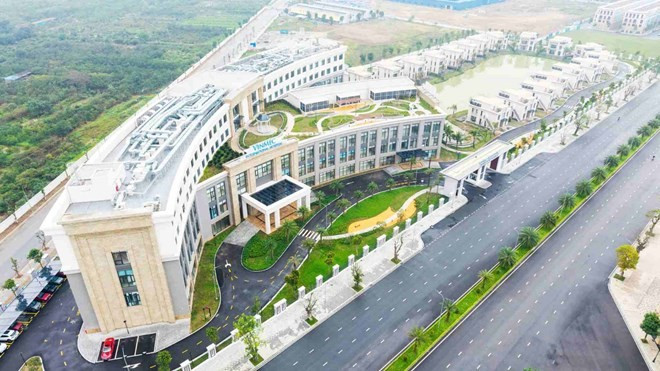
From a business perspective, integrated treatment-and-leisure models are also beginning to take shape. Notably, Vinmec Ocean Park 2 International Hospital has introduced a model in which patients receive treatment within private villa-style settings, combining round-the-clock medical care with a high-end resort environment.
Commenting on development, Do Tan Khoa, Director of the Traditional Medicine Hospital of Ho Chi Minh City, emphasised that traditional medicine is being identified as a key pillar of the healthcare sector, particularly in attracting international visitors. Beyond treatment, it offers services focused on wellness, rehabilitation, and quality-of-life enhancement – areas of growing interest among foreign patients.
Meanwhile, Tran Quang Huy, Director of the Chim Canh Cut Travel Service JSC, noted that regional administrative restructuring has enabled travel firms to diversify their products. Previously centred on Ho Chi Minh City with basic services such as dental care, tour packages can now incorporate a broader range of options from specialised dental treatment to cosmetic procedures and wellness retreat.
According to Bui Thi Ngoc Hieu, Deputy Director of Ho Chi Minh City’s Department of Tourism, between 30 - 40% of patients seeking medical treatment in the city come from other provinces or overseas. While most international patients originate from neighbouring countries such as Cambodia and Laos, there has also been notable growth from markets including the US, Australia, Canada and Japan, as well as overseas Vietnamese communities.
Deputy Minister of Health Tran Van Thuan affirmed that Vietnam’s competitive costs, improving medical expertise, and rich tradition of traditional medicine not only enhance domestic healthcare services but also open up a promising new avenue for the country’s tourism and healthcare industries./.