
Amid the global push for technological innovation, green development, and sustainable growth, several industrial manufacturing sectors in Vietnam are drawing increasing attention from both domestic and international investors, with investment expanding across the value chain from production to product commercialisation through strategic partnerships aimed at creating long-term value.
Recent developments in private investment show that, as confidence in the private sector has grown and is a key driver of economic development, investors are strengthening support for enterprises not only through capital but also management expertise and market connectivity. This approach helps create financial value while enhancing the competitiveness of domestic firms and promoting innovation and modernisation in Vietnam’s key industries.
At the same time, investors are adopting a more selective approach, focusing on companies with strong operational foundations, clear technological capabilities, and significant growth potential. Investment standards are increasingly shifting toward quality and long-term value, placing higher expectations on Vietnamese enterprises in terms of governance, technology adoption, and sustainable development strategies.
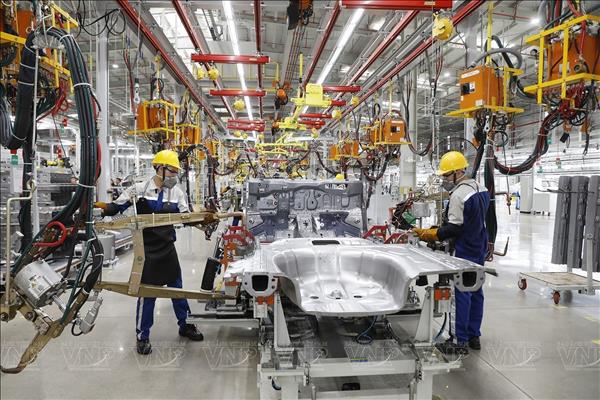
One example is the increasing focus on green mobility as countries step up efforts to reach net-zero emissions by 2050. In this setting, some investors are teaming up with Vietnamese companies in the automobile and motorbike manufacturing industry that are leading the way in meeting growing demand with advanced technology and sustainable development models.
Nguyen Thanh Thao, General Director of the Thien Viet Securities JSC (TVS), said Vietnam has more than 77 million motorbikes in circulation, with around 3 million new units sold annually, making it one of the world’s largest two-wheeler markets. Against this backdrop, Dat Bike, a domestic enterprise that has mastered key technologies from research and design to manufacturing, has drawn investor interest.
The TVS recently announced a 4 million USD investment in Dat Bike, which will be used to expand production capacity, strengthen supply chains, upgrade distribution networks, and enhance research and development. Beyond capital, the TVS will also support the company with corporate governance consulting, strategic planning, value-chain optimisation, and connections to capital markets to improve operational efficiency and long-term growth prospects.
Nguyen Ba Canh Son, founder and CEO of Dat Bike, said the investment reflects not only financial backing but also strong confidence in Vietnamese-developed technology and the company’s growth strategy. The partnership is expected to accelerate production expansion, diversify products, and improve service while contributing to Vietnam’s broader net-zero commitments.
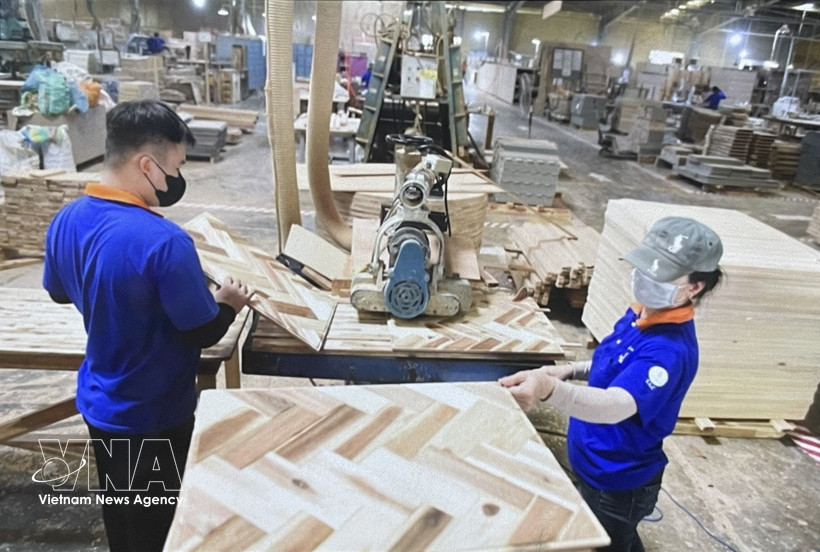
Vietnam’s furniture industry is becoming more connected to global manufacturing networks and is entering a new growth phase by tapping directly into international markets through cross-border e-commerce.
Manufacturers and exporters say the sector has gradually shifted from contract manufacturing for global partners to selling directly to consumers worldwide via online platforms.
Ryan Fitzpatrick, Vice President of Wayfair Global Selling and Head of Furniture, Decor & Soft Home for North America, said Vietnam has become an essential pillar in the global furniture supply chain, with strong production capacity, particularly in the mid-range and high-end segments.
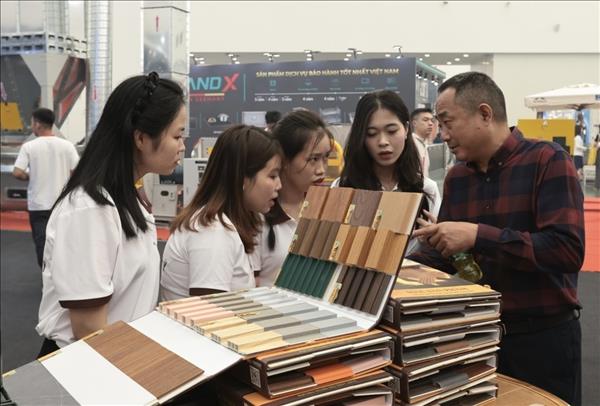
To further support Vietnamese businesses, Wayfair recently signed a Memorandum of Understanding with the Vietnam Trade Promotion Agency (Vietrade) under the Ministry of Industry and Trade at the Wayfair Global Selling Vietnam Summit 2026 held recently in Ho Chi Minh City. The agreement seeks to launch programs that support Vietnamese businesses and boost the country’s standing in the global furniture market.
Hoang Minh Chien, Deputy Director of Vietrade, shared that working with specialised e-commerce platforms like Wayfair can help broaden modern distribution channels and boost the presence of Vietnamese products, such as furniture, wood items, and home décor, in competitive markets like North America and Europe./.