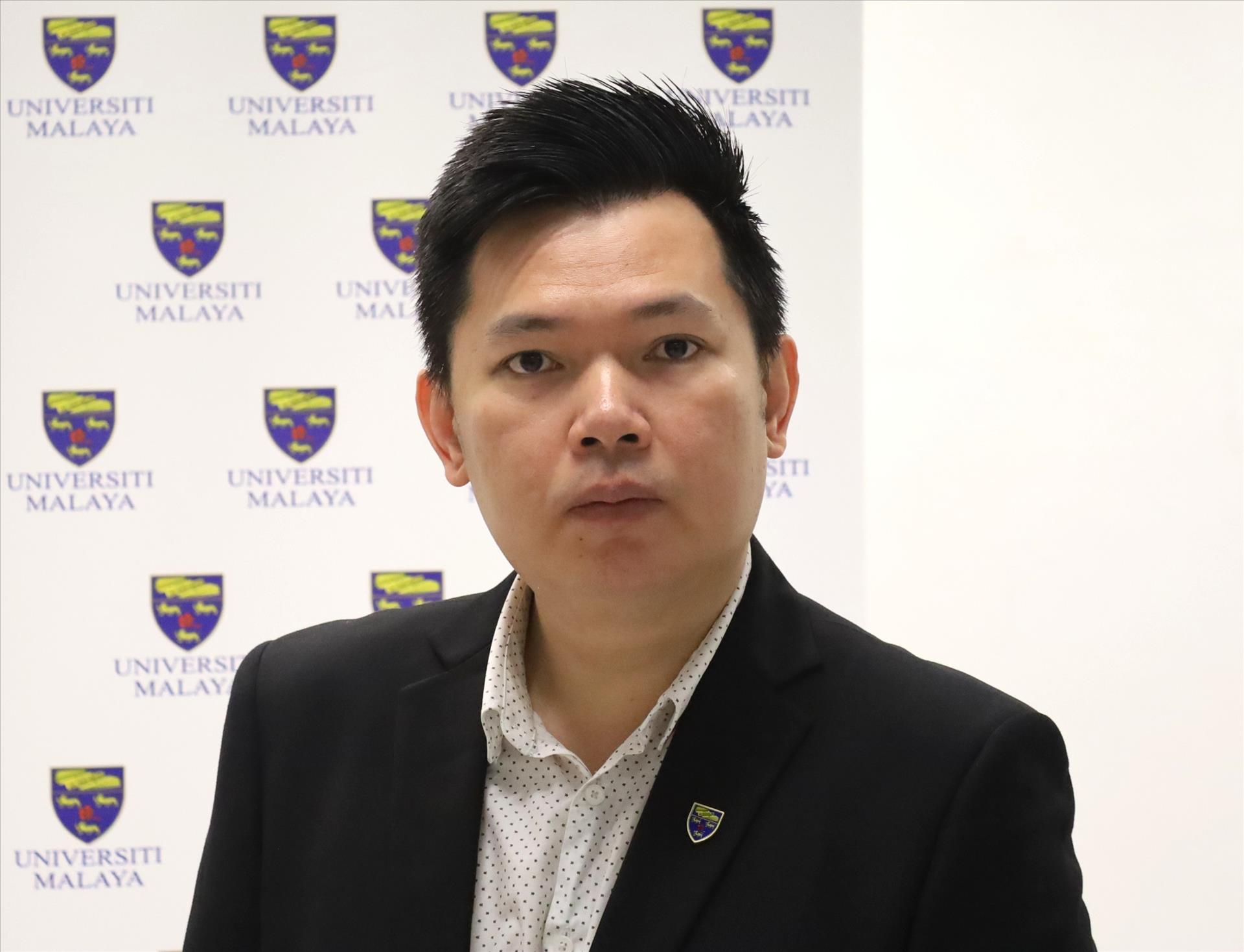
Collins Chong Yew Keat of the University of Malaya. Photo: VNA
Talking to the Vietnam News Agency on May 3, Collins Chong Yew Keat of the University of Malaya said the visit reflects growing convergence between the two countries as they seek greater strategic autonomy, supply chain resilience, energy security and geopolitical balance amid rising regional uncertainties.
The visit, held within the framework of the Vietnam – Japan Comprehensive Strategic Partnership, identified new priority areas including energy, critical minerals, artificial intelligence, semiconductors, outer space, climate resilience, maritime security and high-quality human resources.
According to the analyst, the cooperation is expected to deliver notable impacts. It will enhance supply chain resilience in the Indo-Pacific region as both sides aim to reduce dependence on concentrated supply networks, particularly in semiconductors, minerals, digital infrastructure and energy. The partnership could strengthen Vietnam’s role in global supply chains while ensuring Japan more secure access to industrial inputs and production bases.
It is also set to bolster regional energy and food security, the expert stated. Japan’s support for Vietnam in oil supply, refinery resilience, climate change adaptation and low-emission rice production demonstrates a shift beyond traditional trade towards strengthening core infrastructure for national resilience.
In addition, the cooperation contributes to regional stability, with both sides emphasising the peaceful settlement of disputes in the East Sea in line with the 1982 United Nations Convention on the Law of the Sea (UNCLOS) and reaffirming their commitment to international law.
The partnership also strengthens the human resources foundation for long-term cooperation. Scholarship programmes, joint research, the NEXUS initiative and the Sakura Science Exchange Programme, along with labour and locality-to-locality exchanges, are seen as strategic factors. Japan’s demand for skilled workers aligns with Vietnam’s need for advanced training, technology transfer and quality jobs. Both sides also agreed to enhance cooperation in the Vietnam – Japan University project.
Overall, the visit is viewed as a practical upgrade in bilateral ties. Japan hopes Vietnam to become a strong partner in its Free and Open Indo-Pacific vision, while Vietnam sees Japan as a reliable partner in pursuing energy security, technology transfer and geopolitical balance, Collins Chong Yew Keat said, adding that the real significance of bilateral ties seen through this visit lies in the combination of development, technology, energy, maritime security and strategic automony into an all-round partnership.
Shan Saeed, global chief economist at Juwai IQI, said the visit reinforces the strategic cooperation centred on energy security, critical minerals and supply chain sovereignty in the context of shifting globalisation and resource nationalism.
Experts noted that Japan’s strategy of long-term cooperation with Vietnam follows a three-layer approach. The first focuses on deploying strategic capital to secure upstream resources such as rare earths and energy materials, strengthen processing capacity and connect with downstream industries like electric vehicles and semiconductors. The second positions Vietnam as both a partner and a strategic platform for cooperation implementation, while the third reflects broader global structural trends.
The visit is also contributing to a shift in Asia’s role in global supply chains, with the Association of Southeast Asia Nations (ASEAN) moving beyond a manufacturing base to become a strategic hub. Vietnam is emerging as a key node in energy, mineral and technology ecosystems, while Japan is positioning itself as a major long-term investor in industrial assets.
Saeed said that as energy becomes a matter of sovereignty and critical minerals gain geopolitical importance, Vietnam – Japan cooperation is not only adapting to future trends but also helping shape investment flows./.