1. The US’s imposition of reciprocal tariffs heightens global trade tensions
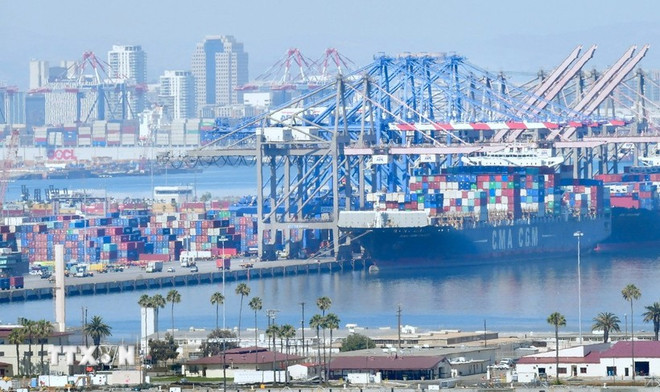
On April 2, US President Donald Trump announced reciprocal tariffs ranging from 10% to 49% on most imports to protect domestic production, thereby disrupting the global trade order, interrupting supply chains, and pushing gold prices to record highs. Economies around the world were forced to adjust policies in response and accelerate negotiations to reach trade agreements. As a result of the tariff war, trade tensions between the US and China have reached their most severe level since 2018.
2. Outbreak of Thailand – Cambodia border conflict
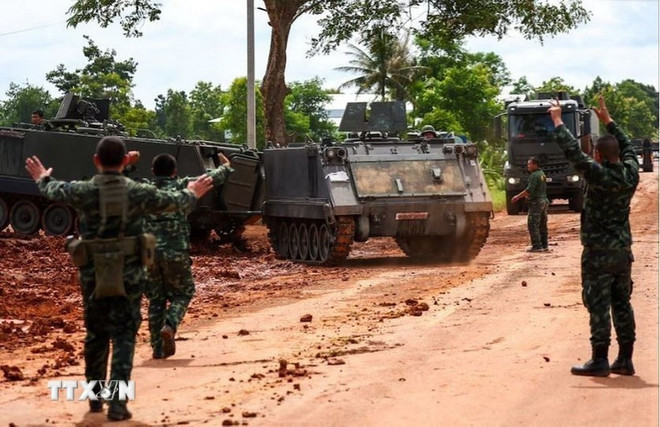
Border tensions between Thailand and Cambodia intensified following clashes between the two countries’ militaries on the morning of May 28, seriously affecting bilateral relations and regional stability. ASEAN and the international community pushed for diplomatic solutions, leading to a peace agreement under which both sides established a joint patrol mechanism, strengthened border security coordination, and pledged to enhance bilateral dialogue. However, the peace agreement has been repeatedly violated. Experts warn that the deal remains fragile due to the history of conflict between the two countries.
3. The global economy projected to grow 3.2%
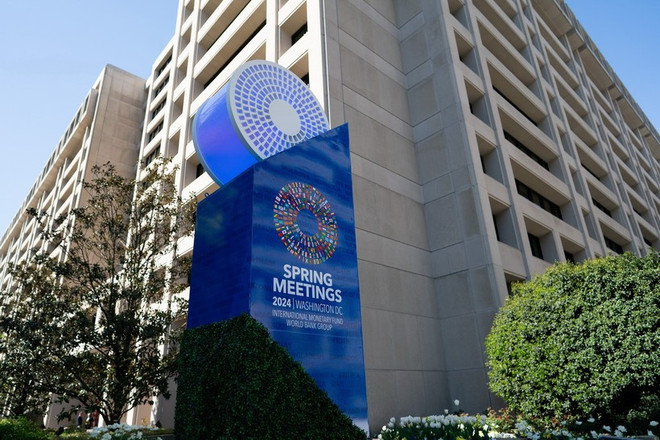
The International Monetary Fund (IMF) and the Organisation for Economic Co-operation and Development (OECD) project global economic growth at 3.2% in 2025, reflecting strong resilience and adaptability among many economies despite the global tariff war, conflicts in various regions, and the prolonged shutdown of the US government.
Throughout the year, gold, crude oil and stock markets have experienced sharp volatility, with gold prices hitting a historic high of 4,503.30 USD per ounce in the December 23 trading session in the US.
4. Artificial intelligence – a new front in global competition
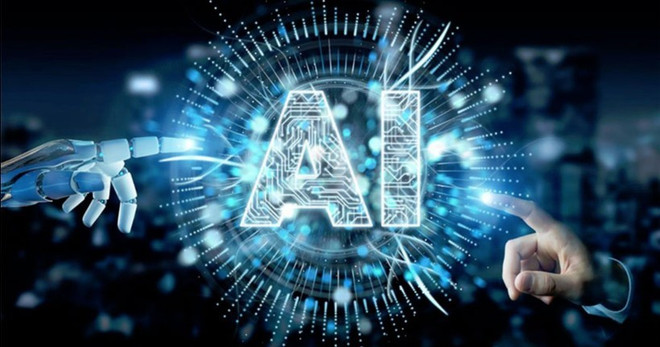
The race in artificial intelligence (AI) has intensified as technology companies develop low-cost AI systems and generative AI, profoundly reshaping the structure, scale and distribution of the global workforce. AI is no longer merely a technology but becoming a new geopolitical arena where technological power determines strategic advantage.
At the AI Action Summit held in Paris (France) in February 2025, representatives from 61 countries adopted a joint declaration calling for “open”, “inclusive”, and “ethical” AI development.
5. Comprehensive escalation of conflicts in the Middle East
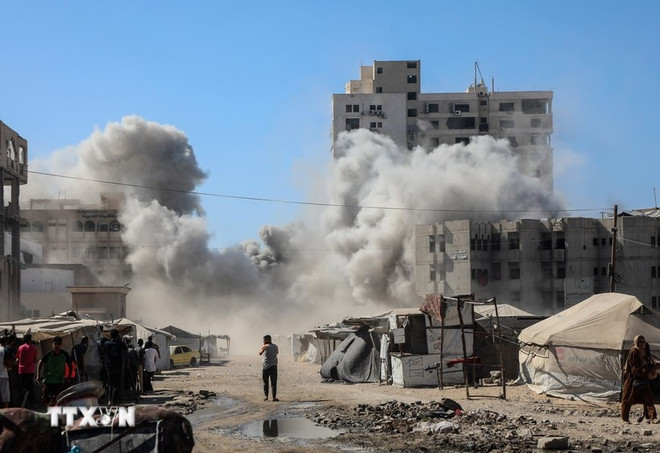
The Middle East witnessed a full-scale escalation of conflicts, peaking with 12 consecutive days of reciprocal airstrikes between Israel and Iran from June 13 to 24, followed by Israeli airstrikes on Qatar, and the spread of tensions to Lebanon and Yemen. Despite diplomatic efforts leading to a ceasefire agreement and hostage exchange between Israel and Hamas, the peace process remains fragile and highly vulnerable to collapse due to strategic calculations and mistrust among the parties involved.
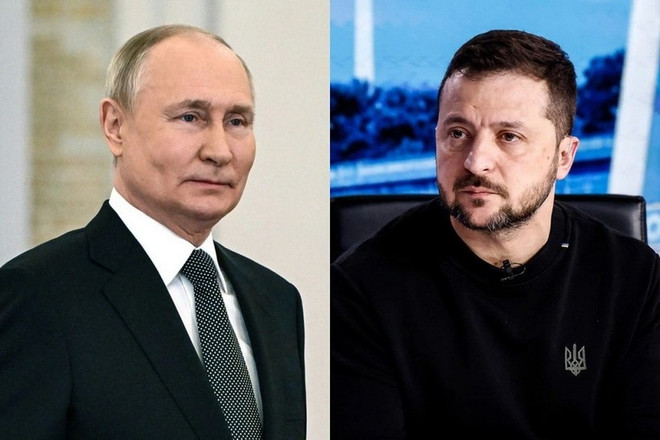
6. Diplomatic efforts stepped up to end Russia – Ukraine conflict
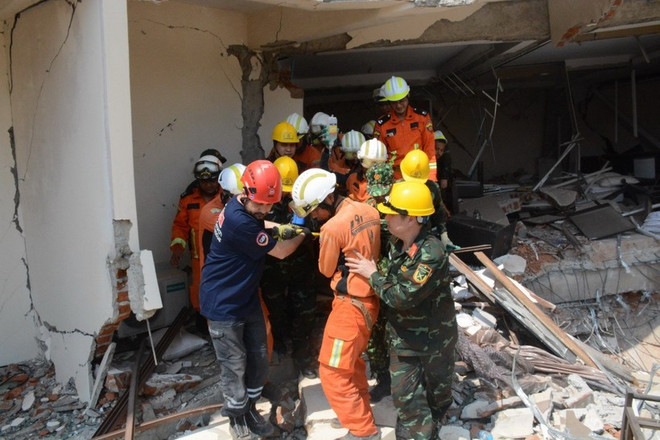
7. The world witnesses a year of record natural disasters
8. Commemorations of the 80th anniversary of victory over fascism
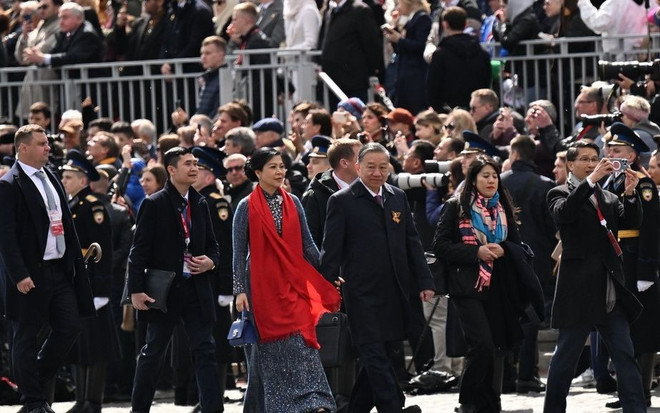
Russia, China and many countries around the world commemorated the 80th anniversary of the Victory over Fascism, with outstanding activities such as military parades on the Red Square in Moscow and Tiananmen Square in Beijing. The events recalled the historic victory, achieved at the cost of enormous sacrifices by nations, including the decisive role of the Soviet army and people; and sent a strong message about the shared global responsibility to prevent extremism and neo-fascism, and to strive for a peaceful, stable and sustainable world.
9. ASEAN admits Timor-Leste as its 11th member
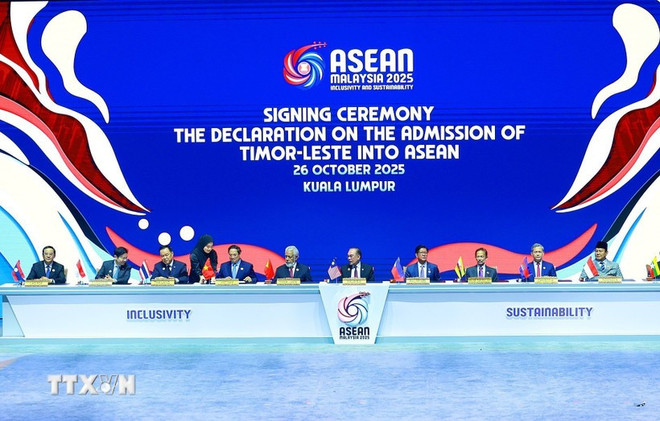
The official admission of Timor-Leste into the Association of Southeast Asian Nations (ASEAN) on October 26 marked an important step, affirming the bloc’s determination to strengthen internal solidarity and expand regional cooperation space; and demonstrated ASEAN’s commitment to building an inclusive Community that leaves no Southeast Asian country outside the common development process. The admission of a new member also created additional momentum for ASEAN to enhance coordination in addressing regional and global challenges.
10. Advances in gene therapy bring hope to patients with incurable diseases
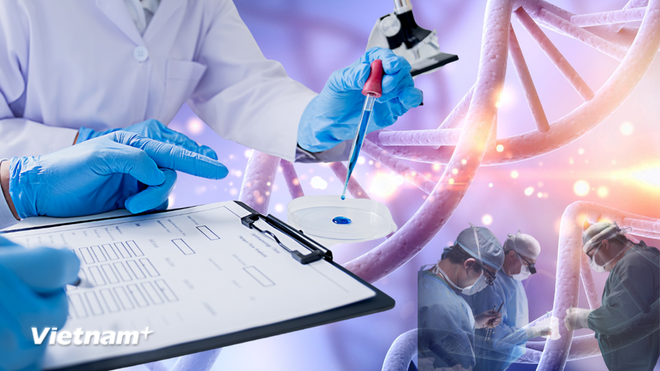
Doctors in the UK successfully treated Hunter syndrome, a rare genetic disorder, in a three-year-old patient using an advanced gene therapy. The UK’s National Health Service officially rolled out the Casgevy therapy based on CRISPR gene-editing technology to treat patients with sickle cell anemia and inherited anemia caused by gene mutations.
CRISPR is a groundbreaking medical technology that allows precise identification and repair of faulty DNA segments, opening up the potential to treat genetic diseases, cancer, HIV and other disorders by correcting genes directly within the body or by editing cells outside the body before reintroducing them./.