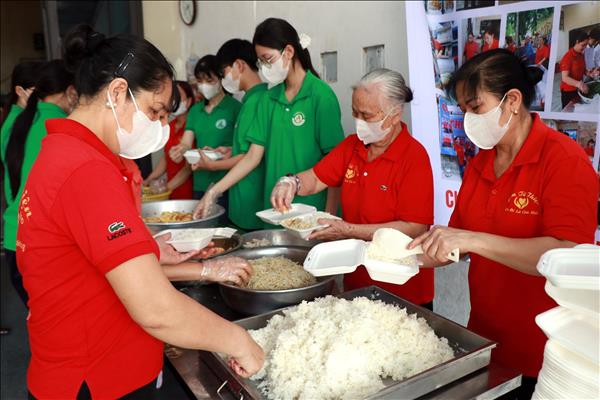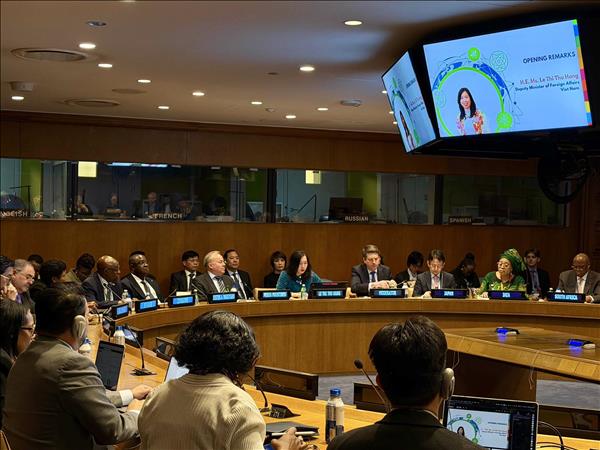
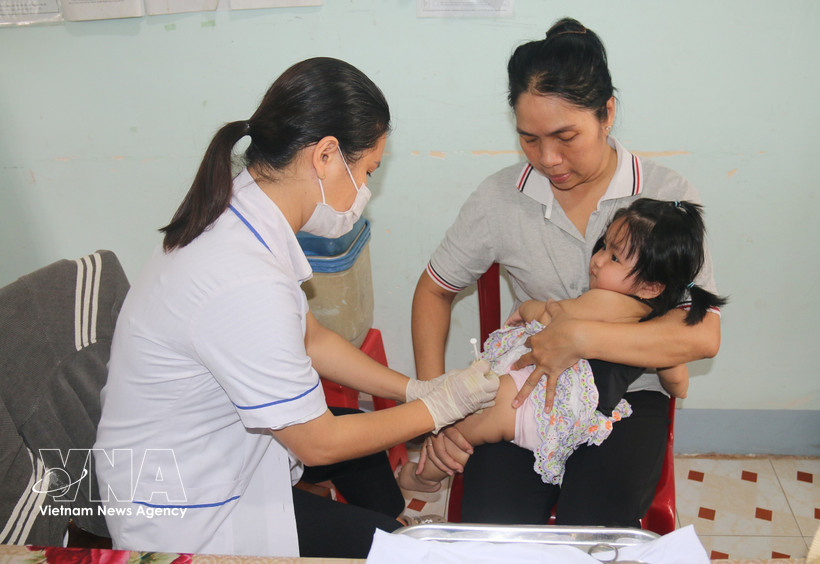
In response to All People’s Health Day (April 7) themed “Proactive disease prevention - For a healthy Vietnam,” the health sector and the society are stepping up efforts to improve public health, with maternal and child healthcare identified as a key pillar of sustainable development.
Child healthcare is both a humanitarian priority and a long-term investment in population quality and human resources. Early interventions in maternal care, nutrition, immunisation, and neonatal services play a decisive role in shaping physical and intellectual development.
Vietnam was the first in Asia and the second in the world to ratify the UN Convention on the Rights of the Child (CRC) in 1990, affirming its commitment to ensuring comprehensive child development. The legal framework has since been strengthened, notably with the 2016 Law on Children recognising children as rights holders.
Indicators on child care and protection in Vietnam have shown marked improvements over time. The under-five mortality rate dropped more than threefold, from 58 per 1,000 live births in 1990 to 16.9 in 2024 while infant mortality declined nearly fourfold, from 44.4 to 11.3. Particularly, neonatal mortality also decreased nearly fivefold, from 44 to 9 per 1,000 live births in the reviewed period..
Immunisation coverage remains above 90% among children under one year old, and underweight malnutrition among children under five decreased to 10.4% in 2024. School attendance rates remain high, supported by an expanded child protection system.
Sophie Kiladze, Chair of the UN Committee on the Rights of the Child, noted that Vietnam’s progress is reflected in both legal reforms and practical outcomes, including reduced mortality and poverty, expanded access to education, and improved child protection systems.
June Kunugi, UNICEF Regional Director for East Asia and the Pacific, highlighted opportunities for Vietnam to further invest in human resources and build a generation of healthy, educated, and empowered children.
Bridging gaps in maternal healthcare in disadvantaged areas
Despite these gains, narrowing disparities in maternal healthcare, particularly in mountainous and ethnic minority areas, remains a priority.
A project titled “Leaving no one behind: Innovative interventions to reduce maternal mortality in ethnic minority regions in Vietnam,” implemented from 2021 to 2026 by the Ministry of Health and the United Nations Population Fund (UNFPA), has delivered encouraging results across 60 disadvantaged communes in six provinces.
The proportion of ethnic minority women receiving at least four antenatal check-ups rose from 11.3% in 2021 to 36% in 2025, while facility-based births increased from 29.9% to 57.1%. Notably, no maternal deaths were recorded in project areas during its implementation, thanks to improved capacity in detecting and handling obstetric complications. Postnatal care coverage within seven days also rose significantly to 73.2%, supporting early detection of complications and better breastfeeding practices.
Deputy Minister of Health Nguyen Tri Thuc said Vietnam is among the leading countries in implementing sustainable development goals, elaborating that Vietnam was among six countries that achieved the Millennium Development Goal-5 (MDG5) on reducing maternal mortality in 2015. However, disparities persist, with maternal mortality in remote and ethnic minority areas still two to three times higher than the national average.
To address this, the health sector is implementing comprehensive measures, including prioritising maternal healthcare and family planning in disadvantaged areas under the National Target Programme for 2026–2035, he state.
As Vietnam enters a new development phase, continued investment in maternal and child healthcare, especially at the grassroots level, alongside broader social engagement, will be crucial to ensuring a healthier and more sustainable future for the country./.