
As Vietnam targets double-digit economic growth, tourism has been positioned as a long-term engine for capital accumulation. To make that ambition a reality, tourism infrastructure needs to move ahead of the curve.
With transport links running smoothly, urban infrastructure upgraded and digital platforms built out in a more systematic way, tourism would move beyond a purely consumption-driven sector to become a deeper, more durable engine of growth.
Following the post-COVID-19 recovery, Vietnam’s tourism sector has entered a new cycle, with higher expectations for both scale and quality. In practice, however, many destinations are hitting a development “ceiling” due to overloaded infrastructure, weak regional linkages or fragmented planning.
Against this backdrop, infrastructure is widely seen as the decisive factor in the sector’s ability to accumulate resources. Beyond roads, airports and ports, modern tourism infrastructure now constitutes a complete ecosystem, encompassing transport connectivity, urban infrastructure, public services, energy, environmental systems and digital platforms.
Recognising the role of infrastructure in long-term growth, major resolutions issued by the Party Central Committee have laid the policy foundations for infrastructure development linked to tourism. Politburo Resolution No. 08-NQ/TW on developing tourism into a spearhead economic sector stresses the need to prioritise investment in tourism infrastructure, particularly transport links connecting major tourism hubs with high-potential regions.
The Government’s annual Resolution No. 01/NQ-CP on socio-economic development tasks and solutions has consistently highlighted the need to accelerate public investment disbursement, with infrastructure investment positioned as a key growth driver. Many flagship transport projects, including expressways, airports and seaports, also serve as the lifeblood of tourism.
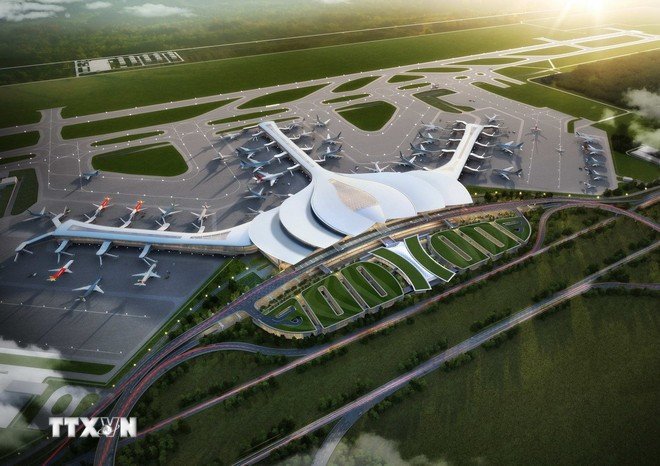
In practice, public investment has played a trailblasing role in opening up new spaces for tourism development. A series of expressways, regional connectors, Long Thanh International Airport, and the expansion of major airports such as Noi Bai, Tan Son Nhat, Phu Quoc and Cam Ranh have not only shortened travel times but also reshaped the national tourism map.
However, for tourism infrastructure to become a genuine resource for double-digit growth, public investment alone is not enough. The role of private capital, particularly in service infrastructure, tourism urban areas, tourism logistics and digital infrastructure, is becoming increasingly evident. Once private investment flows are unlocked, tourism infrastructure will not only serve visitors but also generate added value for real estate, trade, services and the labour market.
Many localities have proactively shifted from a resource-based tourism mindset to one centred on infrastructure and services, treating infrastructure as a long-term asset. This approach aligns with the goal of rapid yet sustainable growth./.